
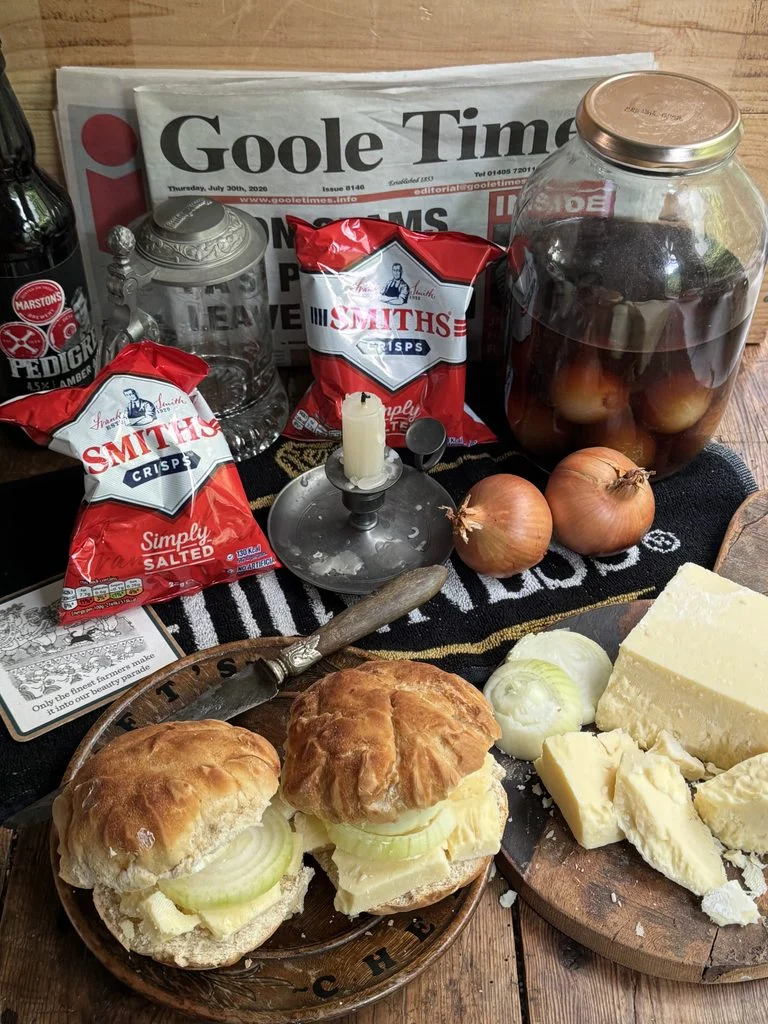
A Cultural Tapestry of British Bread Nomenclature
The terminology surrounding the humble bread roll serves as a linguistic map of the United Kingdom, reflecting deep-seated regional identities. While the term "cob" is prevalent in the East Midlands and parts of Yorkshire, the product is known by a variety of titles depending on the geography of the bakery or pub. In the West Midlands, particularly the Black Country, "batch" is the preferred vernacular, while Lancashire and Greater Manchester often favor "barm cake." Further south and across various rural counties, terms such as "bap," "bread cake," or "oven bottom muffin" are commonly employed.

This diversity is not merely superficial; it represents a rich, centuries-old tradition of localized baking. Britain currently boasts over 200 distinct varieties of bread, ranging from the dense, traditional stottie cakes of the North East to the lighter, flour-dusted baps found in Southern markets. This regionality has historically defined the British diet, with each bread type designed to serve a specific purpose, whether as a vessel for hearty stews or as a simple container for local farmstead cheeses.

The Anatomy of the Traditional Pub Butty
At its core, the pub-style cheese and onion cob is defined by its simplicity and the quality of its components. Unlike modern, deconstructed, or overly complicated sandwich trends, the traditional cob relies on three essential elements: high-quality butter, mature farmhouse cheddar, and thick-cut raw yellow onion.

Culinary historians note that the effectiveness of this combination relies on the contrast between the sharp, complex proteins of a well-aged cheddar and the volatile sulfur compounds in the raw onion. The choice of onion is critical; while red onions offer a milder flavor profile, the traditional pub standard remains the pungent, golden-skinned "Spanish" or yellow onion, which provides a necessary bite that cuts through the richness of the butter and cheese. The bread itself acts as a structural anchor, providing a robust, chewy crust that stands up to the weight of the ingredients.

Historical Context and Evolution
The rise, decline, and subsequent return of the cheese and onion cob can be traced alongside the evolution of the British pub industry. During the mid-20th century, the "pub lunch" was a fixed feature of the social landscape. For local groups—such as visiting darts teams or dominoes clubs—the cheese and onion cob was a preferred sustenance, being both affordable and efficient to produce in bulk.

However, as the hospitality sector underwent significant changes in the late 1990s and early 2000s—moving toward gastro-pub models that prioritized elaborate menus—these traditional "butties" were largely sidelined in favor of more refined offerings. The current revival is widely viewed as a reaction against this hyper-commercialization. As consumers seek out authentic, "low-intervention" food experiences, the return of the simple cob signals a wider trend toward returning to foundational ingredients and regional heritage.

Economic and Culinary Implications
The resurgence of this classic dish carries implications for both local producers and independent pubs. For small-scale, artisanal cheese producers, the popularity of the dish provides a consistent market for mature cheddar, which requires long aging periods and significant storage space. Furthermore, the reliance on fresh, local ingredients aligns with the broader "farm-to-table" movement, reducing food miles and supporting regional agricultural supply chains.

From an economic standpoint, the cheese and onion cob is highly cost-effective for publicans. With relatively low raw ingredient costs, it allows for a high margin while providing a substantial, filling meal that pairs perfectly with traditional ales and lagers. This profitability, combined with its ease of preparation, makes it an attractive option for smaller establishments that lack the infrastructure for extensive kitchen operations.

Expert Analysis of the "Pub Experience"
The inclusion of accompaniments—specifically pickled onions and a packet of crisps—is not incidental. These items are integral to the sensory experience of the British pub. Pickled onions provide an acidic counterpoint to the fat of the cheese, while the saltiness of the crisps rounds out the palate. Industry analysts suggest that the "pub experience" is as much about the ritual of the snack as it is about the consumption of alcohol. The pairing of a savory, slightly spicy cob with these traditional side items serves to ground the dining experience in a familiar, comforting tradition.

There is also a functional aspect to this combination. Historically, the salt and protein content of these snacks served a practical purpose in a pub environment, helping to manage blood sugar and provide sustenance during long sessions. While modern dietary guidelines suggest a more balanced approach, the cultural significance of the "pub snack" remains a vital part of the British social fabric.

The Role of Heritage in Modern Gastronomy
The fact that establishments in Yorkshire, the Midlands, and the Black Country are reclaiming this dish speaks to the importance of "culinary provenance." In an era of globalized food chains, diners are increasingly looking for dishes that tell a story about the location they are visiting. The revival of the cob is a testament to the endurance of regional culinary pride.

By standardizing these traditional recipes and reintroducing them to younger generations, pubs are successfully bridging the gap between historical consumption habits and modern dining preferences. This process of re-discovery is not merely a nostalgia trip; it is a vital part of maintaining the relevance of the British pub as a community hub.

Looking Ahead
As the culinary landscape continues to evolve, the cheese and onion cob remains a symbol of resilience. Whether served in a historic tavern or a modern roadside stop, its ability to satisfy the appetite while connecting the consumer to a specific place and time ensures its continued relevance.

Industry observers suggest that the trend toward "retro-comfort" food will likely persist, as diners prioritize value, familiarity, and a connection to local history. The cheese and onion cob, in all its regional variations—from the barm cake to the batch—stands ready to continue its role as the definitive, no-nonsense fuel of the British public house. As pubs continue to adapt to changing economic conditions, the simplicity of the cob serves as a reminder that excellence in food often stems from the quality of the ingredients rather than the complexity of the preparation.
