
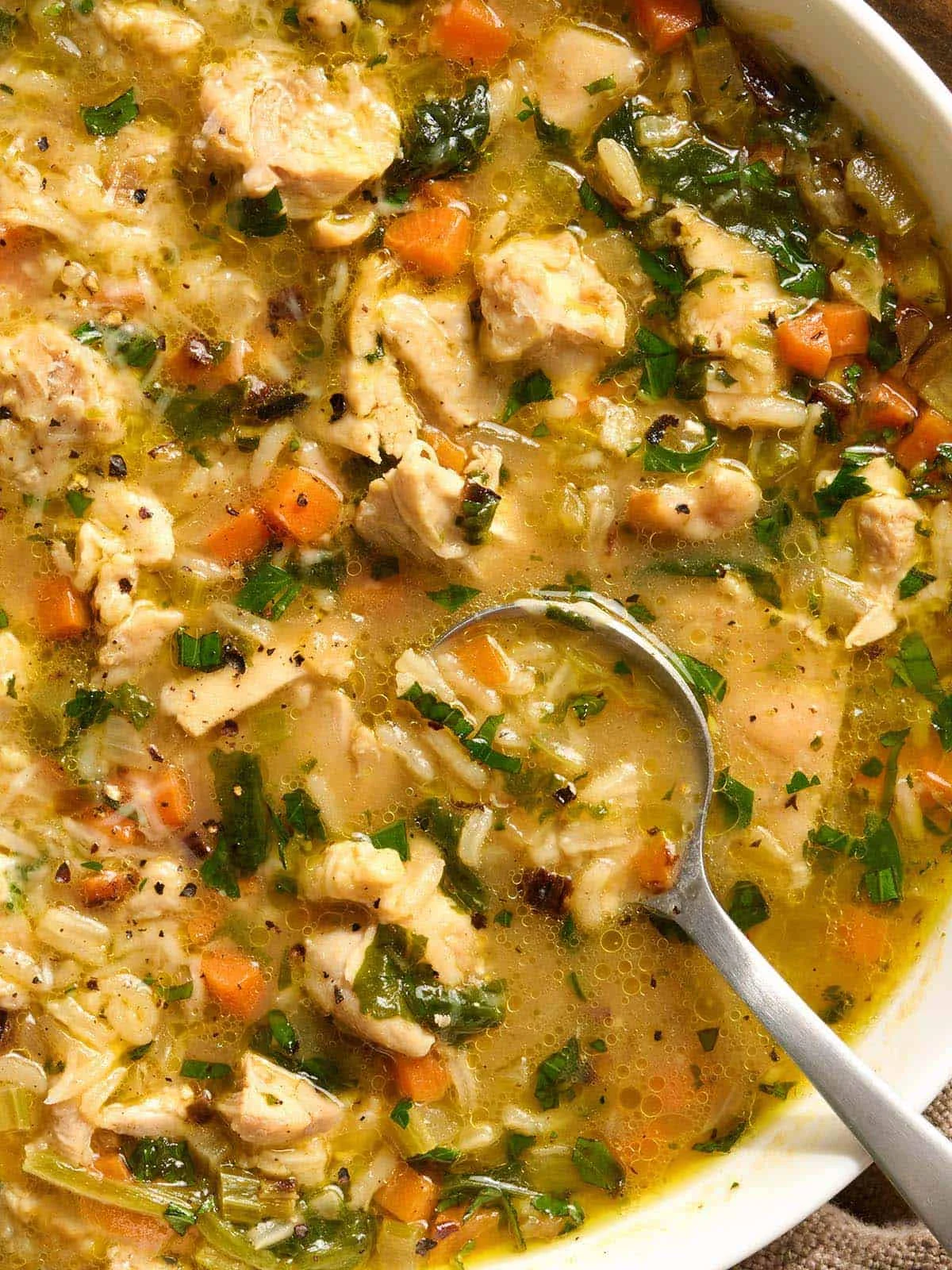
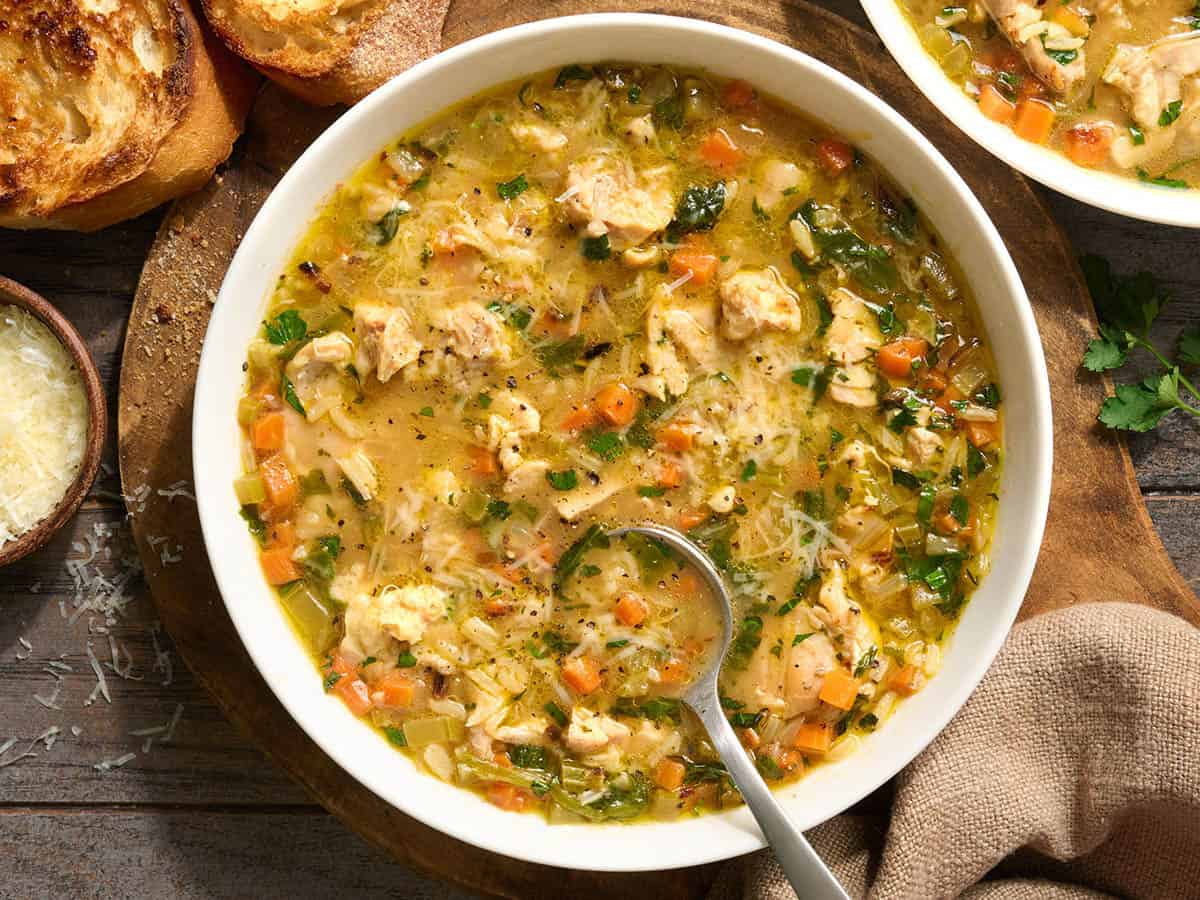
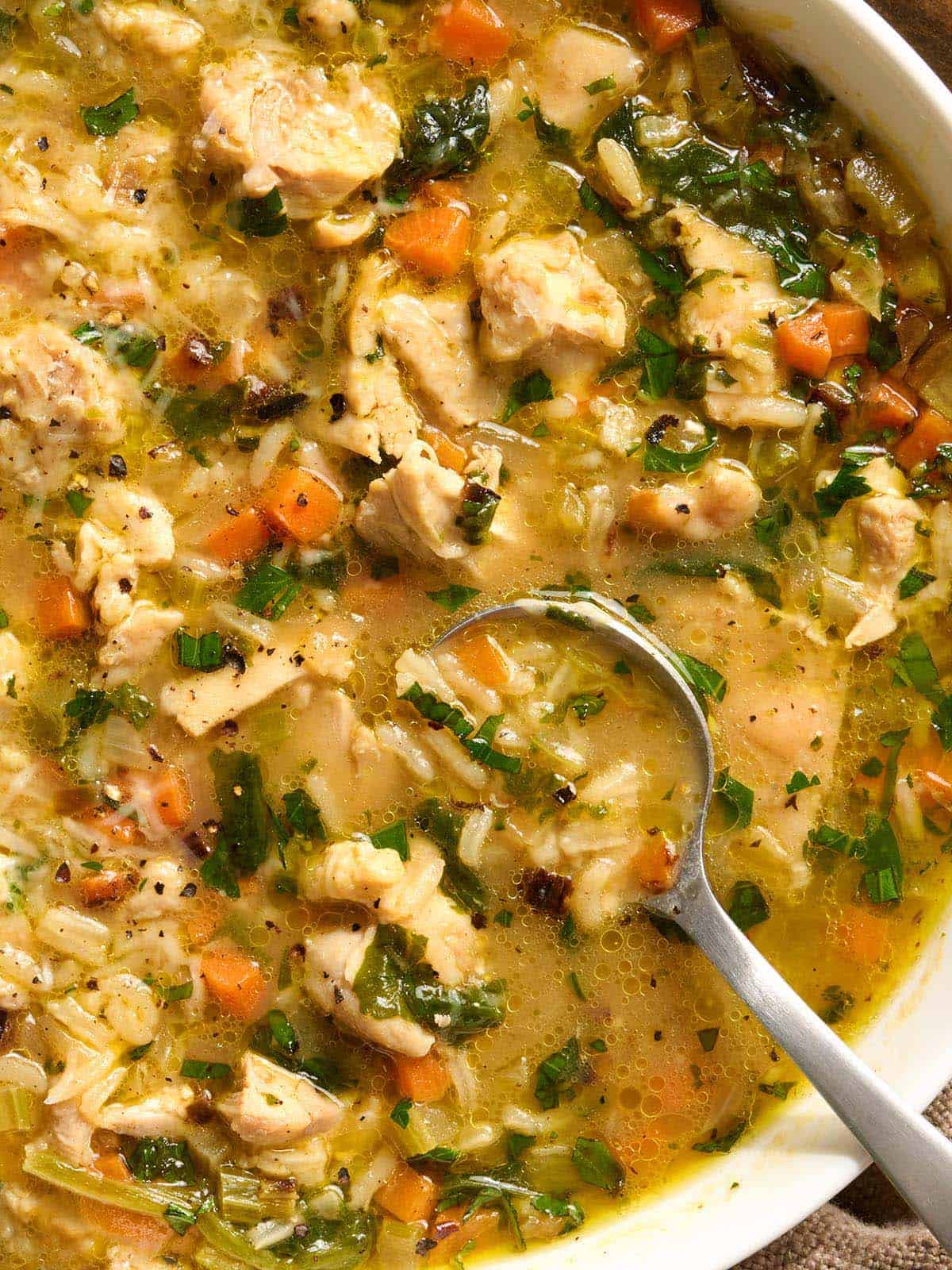
The culinary landscape of 2026 continues to see a convergence of social media-driven aesthetic trends and the practical necessities of household budgeting, a phenomenon exemplified by the recent release of the Chicken Broth Bowl recipe from the Nashville Test Kitchen. While the terminology "broth bowl" has sparked debate among traditionalists who categorize such dishes as standard soups, the trend represents a broader shift toward nutrient-dense, visually appealing, and cost-effective home cooking. Developed by Chef Jess Rice, a former Chef Professor and restaurateur, this specific iteration focuses on the "pantry hero" of long-grain white rice and a foundational mirepoix to deliver a meal that aligns with both contemporary wellness trends and the economic constraints of modern consumers.
The Intersection of Trend and Tradition in Liquid-Based Meals
The rise of the "broth bowl" on social media platforms like TikTok and Instagram has redefined how younger generations perceive traditional stews and soups. Historically, soups were viewed as a method to stretch meager ingredients; however, the modern broth bowl emphasizes the clarity and quality of the liquid base, often marketed under the umbrella of "functional foods." Culinary experts note that the distinction often lies in the presentation—broth bowls typically feature distinct, identifiable components rather than ingredients that have been simmered into a homogenous mixture.
Despite the trendy nomenclature, the Chicken Broth Bowl remains rooted in classic French culinary techniques. The use of a mirepoix—a precise blend of onions, carrots, and celery—serves as the aromatic backbone of the dish. By integrating these staples with fresh herbs and seared chicken thighs, the recipe bridges the gap between high-end culinary theory and accessible home cooking. This approach reflects a growing consumer demand for "honest" food that utilizes basic ingredients without sacrificing depth of flavor or nutritional value.
Chronology of Preparation: A Systematic Approach to One-Pot Cooking
The efficiency of the Chicken Broth Bowl is predicated on a specific sequence of operations designed to maximize flavor extraction while minimizing cleanup. The Nashville Test Kitchen emphasizes a one-pot methodology, which has become a staple for urban professionals and busy families alike.
Phase I: Preparation and Aromatics
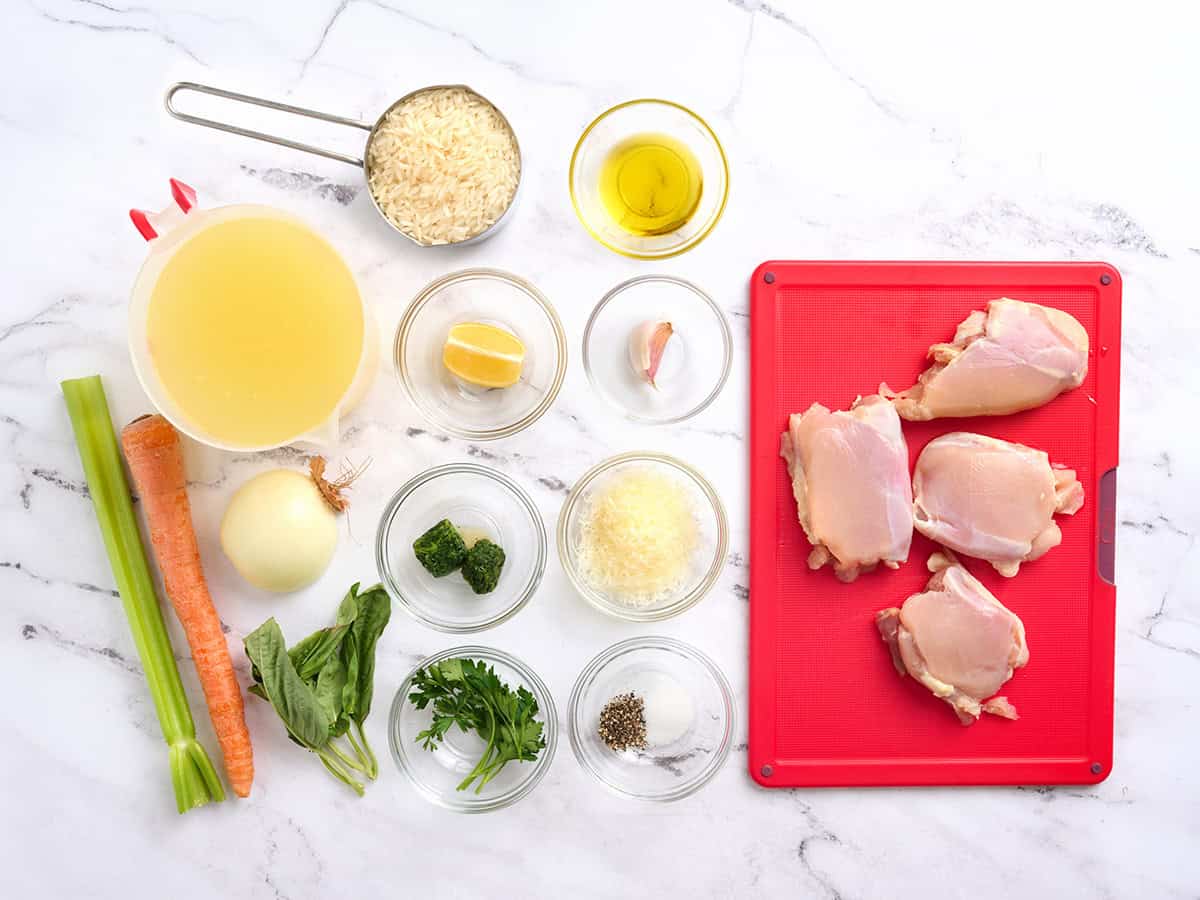
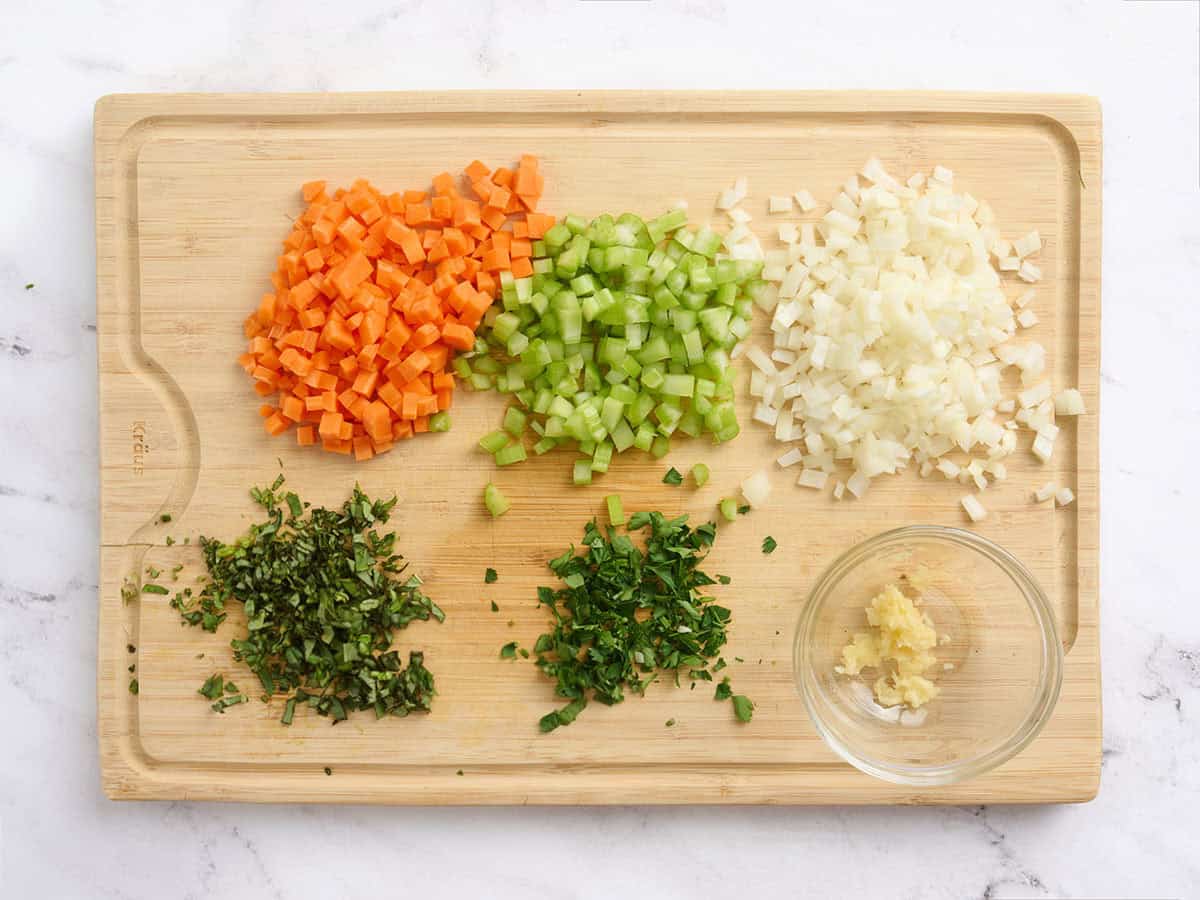
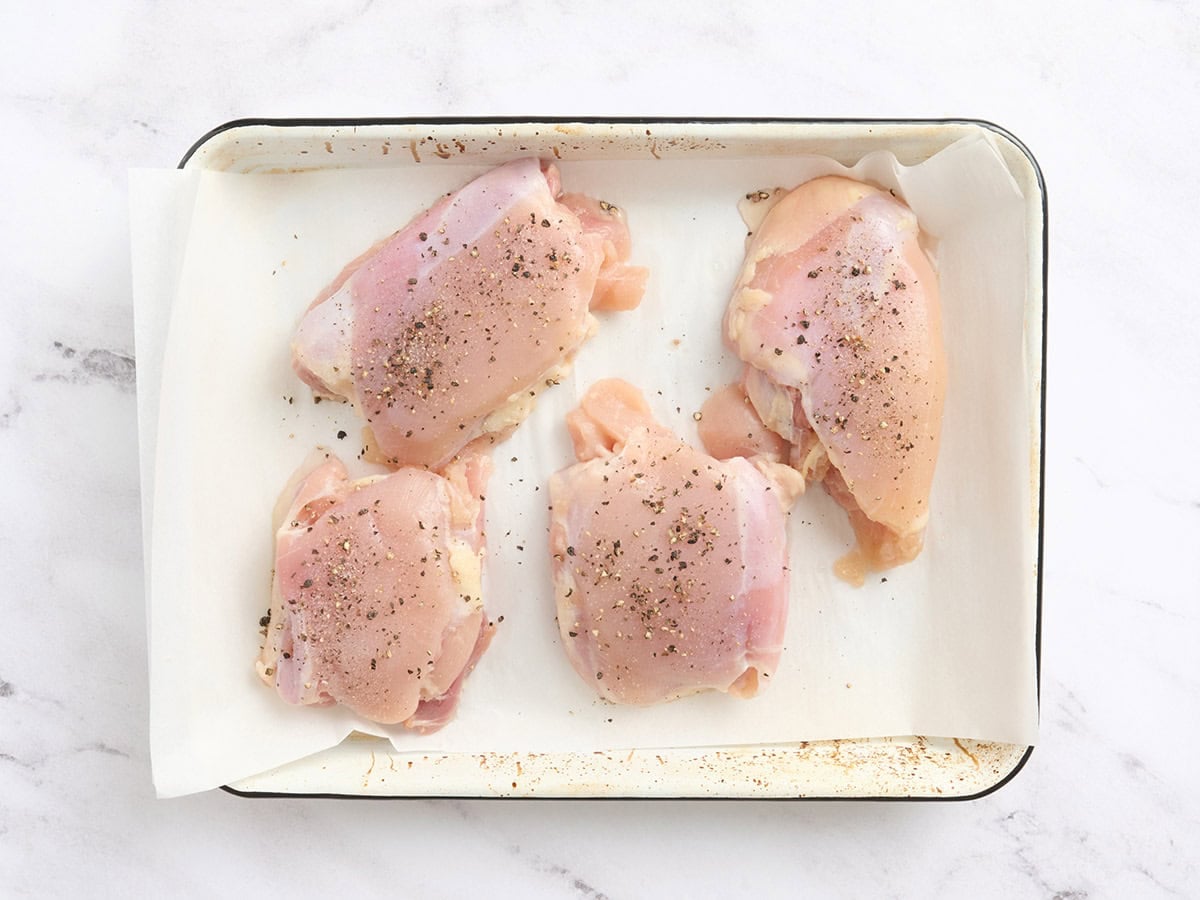
The process begins with the precision dicing of the mirepoix components: one carrot, one rib of celery, and half of a small yellow onion. Simultaneously, garlic is minced alongside fresh basil and parsley. This "mise en place" is critical for the timing of the subsequent steps. The chicken component—four boneless chicken thighs—is seasoned with olive oil, salt, and pepper. Thighs are specifically selected over breasts for their higher fat content and connective tissue, which contribute to a silkier broth and more resilient texture during the simmering process.
Phase II: The Maillard Reaction and Deglazing
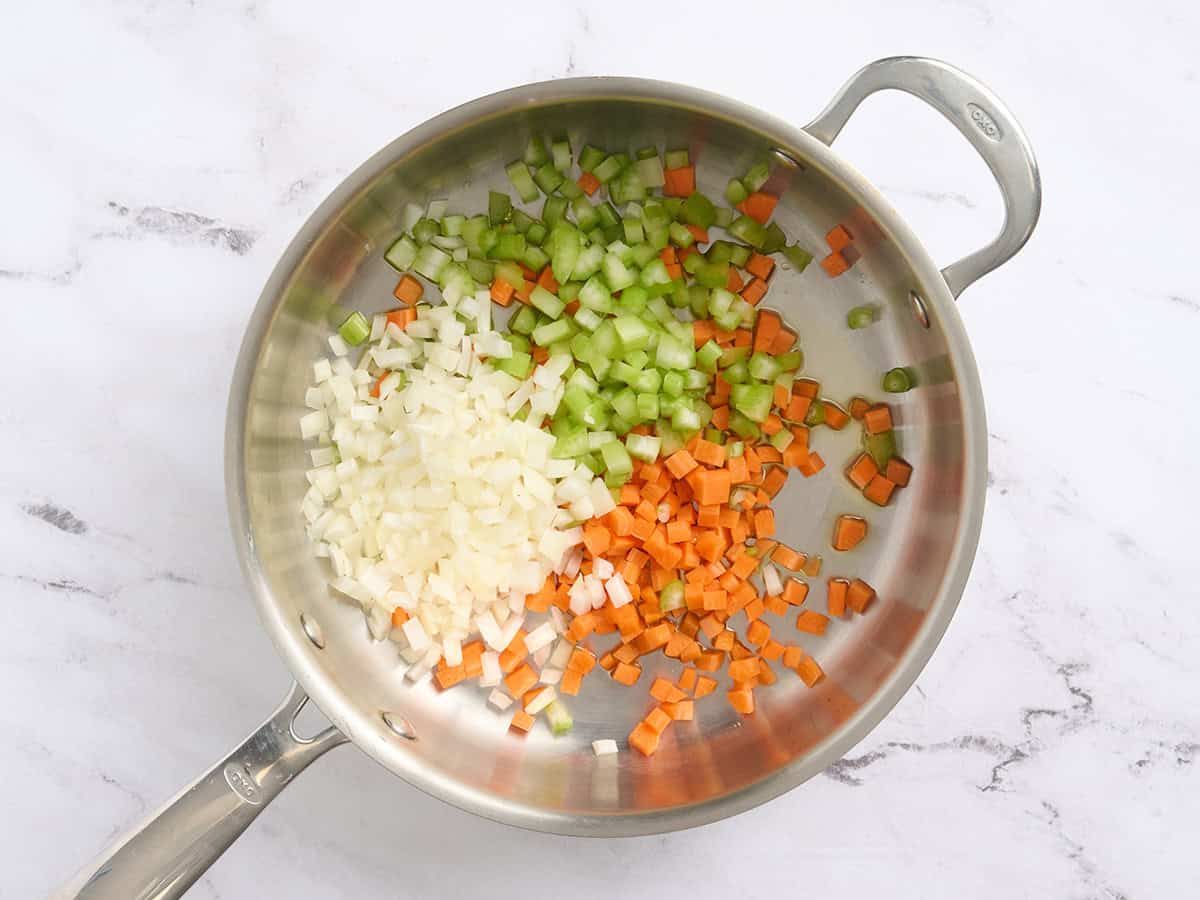
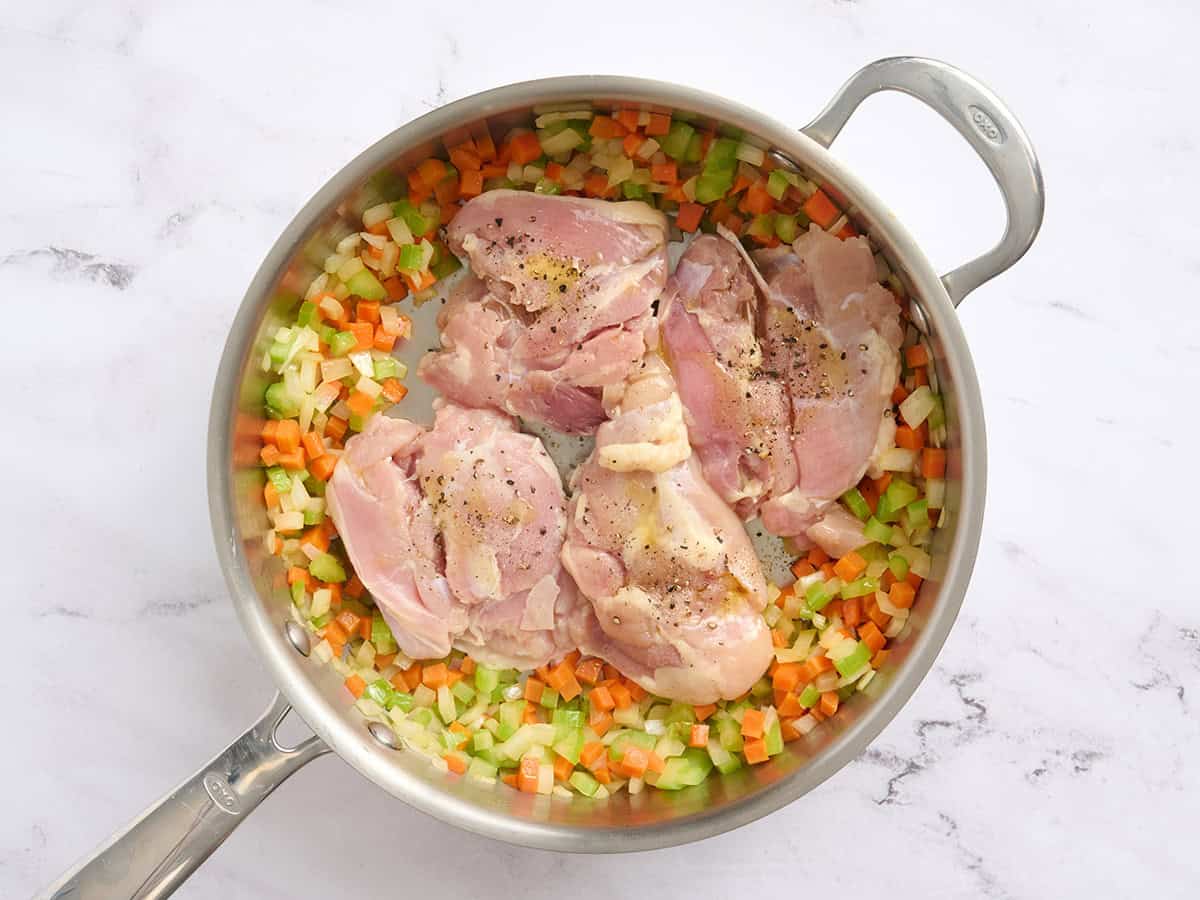
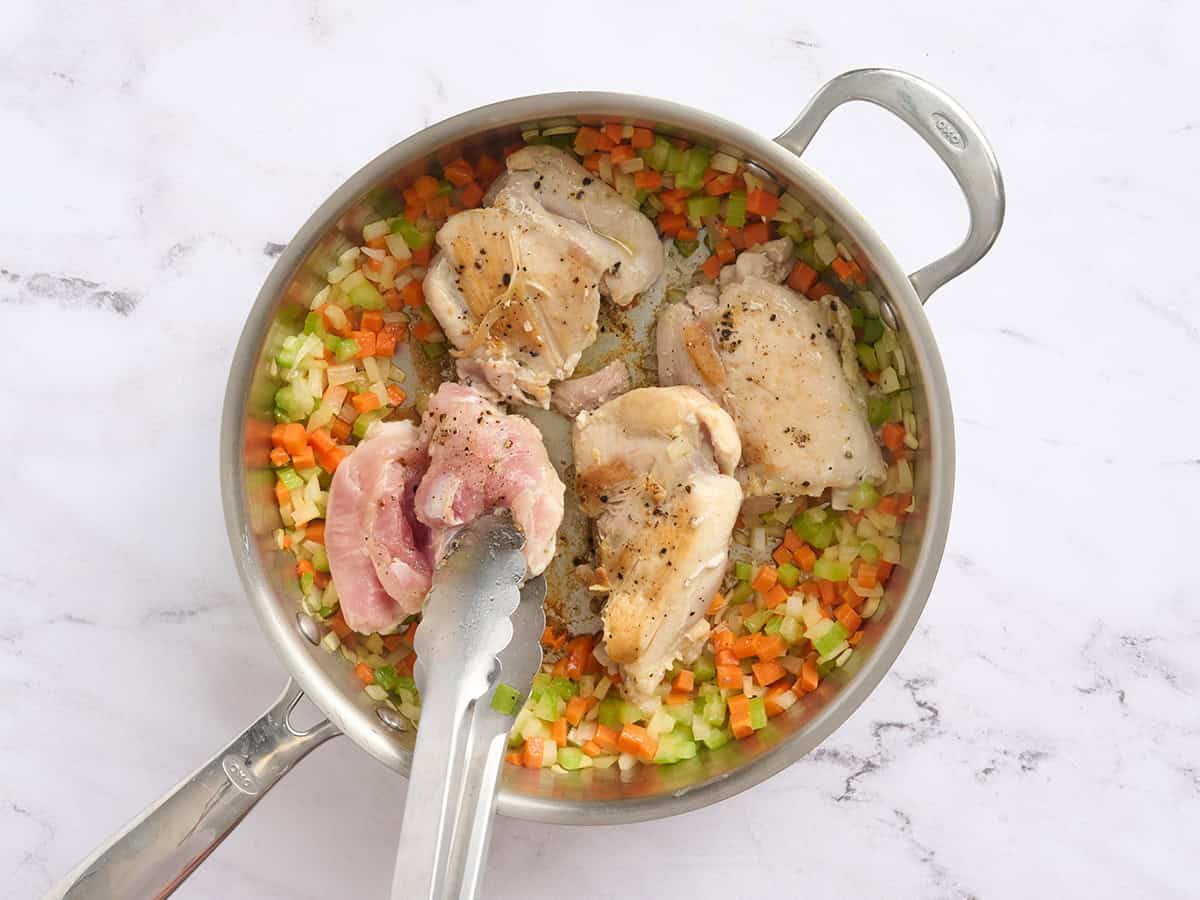
The cooking commences with the sautéing of the mirepoix in olive oil over medium heat until softened, typically requiring five minutes. The vegetables are then moved to the periphery of the skillet to allow the chicken thighs to sear in the center. This step utilizes the Maillard reaction—a chemical reaction between amino acids and reducing sugars that gives browned food its distinctive flavor. The chicken is cooked for approximately 11 minutes total, or until it reaches an internal temperature of 160°F. Upon removal, the meat is allowed to rest, a crucial step that ensures the juices redistribute within the muscle fibers rather than spilling out upon slicing.
Phase III: Simmering and Integration
Following the removal of the chicken, the pan is deglazed with five cups of chicken broth. This liquid picks up the "fond"—the caramelized bits of protein and sugars left on the bottom of the pan. Half a cup of long-grain white rice and two tablespoons of frozen spinach are introduced to the simmering broth. The rice undergoes a 15-minute simmer, absorbing the seasoned liquid and releasing starches that naturally thicken the broth without the need for flour or heavy creams.
Phase IV: Final Assembly
The rested chicken is sliced into bite-sized pieces and reintroduced to the pot along with the fresh minced herbs. The final presentation involves a garnish of grated Parmesan cheese and a squeeze of fresh lemon juice. The acidity of the lemon serves as a bright contrast to the savory depth of the chicken and cheese, a technique frequently used in professional kitchens to "awaken" the palate.
Economic Analysis: Cost-Efficiency in the Modern Kitchen
A primary driver behind the popularity of the Nashville Test Kitchen’s recipes is the focus on affordability. The Chicken Broth Bowl is positioned as a high-value meal, with a total recipe cost of $7.53, breaking down to approximately $1.89 per serving. This pricing is significantly lower than the average cost of a fast-casual soup or salad, which in 2026 often exceeds $12.00.
Breakdown of Key Costs
- Protein: Boneless chicken thighs were sourced at a rate of $2.18 per pound. In the current inflationary environment, poultry remains one of the most accessible animal proteins for the average consumer.
- Broth Base: The recipe utilizes "Better Than Bouillon," a concentrated paste. Market analysis suggests that bouillon concentrates offer a 40-60% cost saving over quart-sized cartons of liquid broth, while also reducing packaging waste and required storage space.
- Pantry Staples: Rice and mirepoix vegetables are categorized as low-volatility commodities, meaning their prices remain relatively stable compared to specialty produce or premium cuts of meat.
This economic structure allows for a "premium feel" through the addition of small amounts of higher-cost items like fresh herbs and Parmesan cheese, which provide significant sensory impact for a minimal financial investment.
Nutritional Profile and Health Implications
From a nutritional standpoint, the Chicken Broth Bowl provides a balanced distribution of macronutrients. A single 1.5-cup serving contains:
- Calories: 299 kcal
- Protein: 27g (54% of Daily Value)
- Carbohydrates: 24g
- Fat: 10g
- Sodium: 1428mg
The high protein content, primarily derived from the chicken thighs, supports muscle maintenance and satiety. However, the sodium level—at 62% of the recommended daily value—is a point of consideration. This is largely attributed to the use of commercial bouillon. Health professionals often suggest using low-sodium broth or homemade stocks for individuals monitoring their salt intake. The inclusion of spinach and carrots adds essential vitamins and fiber, though the recipe is designed to be a "light" meal rather than a calorie-heavy stew.
Institutional Background: The Nashville Test Kitchen
The development of the Chicken Broth Bowl was overseen by Jess Rice, whose professional background adds a layer of academic and practical authority to the recipe. Rice’s experience as a Chef Professor at Niagara College and her history in the Nashville restaurant scene (including the debut of the raw vegan concept AVO) inform the "rigorous testing" process mentioned by Budget Bytes.
The Nashville Test Kitchen operates on a philosophy of "accessible excellence." Each recipe is subjected to multiple trials to ensure that the instructions are viable for home cooks with varying levels of equipment and skill. This institutional oversight is intended to eliminate the "recipe failure" common in unvetted social media trends, providing a reliable framework for domestic food preparation.
Broader Impact and Culinary Implications
The Chicken Broth Bowl serves as a template for a larger movement toward "Formulaic Cooking." Rather than adhering to a rigid set of ingredients, the recipe encourages a modular approach:
- Aromatic Base: Mirepoix (Carrot, Onion, Celery)
- Protein: Chicken, Tofu, Beef, or Beans
- Green: Spinach, Kale, or Bok Choy
- Grain: Rice, Quinoa, or Small Pasta
This flexibility is essential for reducing food waste, as it allows consumers to substitute ingredients based on what is currently in their refrigerator. As food insecurity and sustainability become more prominent global issues, the ability to create "something from nothing" using a broth-based formula is a vital survival skill.
Furthermore, the storage and reheating properties of the dish make it an ideal candidate for "Meal Prepping." While the rice continues to absorb liquid over time—a process known as starch retrogradation—the flavor remains intact. This makes the dish a practical solution for the growing demographic of single-person households and remote workers seeking quick, nutritious lunches.
In conclusion, the Chicken Broth Bowl is more than a fleeting social media trend. It is a calculated response to the intersection of culinary art, nutritional science, and economic reality. By leveraging professional techniques in a simplified one-pot format, the recipe provides a blueprint for sustainable, affordable, and nourishing home dining in the mid-2020s.
