
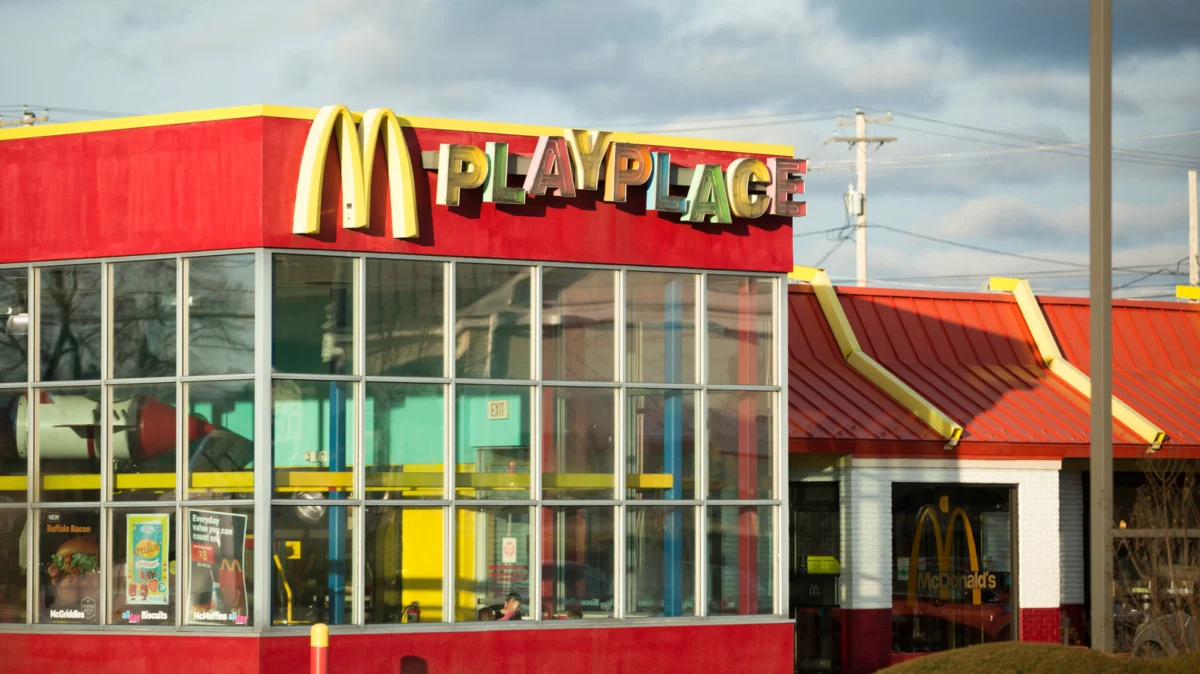
The iconic McDonald’s PlayPlace, a vibrant hub of childhood joy and fast-food indulgence, was not just a temporary attraction but a catalyst for an ambitious expansion into a standalone entertainment venture. This evolution from an integrated restaurant feature to a dedicated sister chain underscores the profound impact these play areas had on families and the broader landscape of children’s entertainment in the late 20th century. The story of McDonald’s PlayPlaces and their offshoot, Leaps & Bounds, is a fascinating case study in brand extension, market trends, and the ephemeral nature of popular culture.
The Genesis of Play: McDonald’s Indoor Adventure Zones
The concept of integrating play areas into fast-food restaurants was a stroke of genius that resonated deeply with American families in the 1970s and beyond. The very first McDonald’s PlayPlaces, initially known as McDonald’s PlayLand, emerged in the early 1970s. These early iterations were primarily outdoor spaces, designed to capture the imagination of young children with climbing structures and whimsical characters like the Hamburglar and Officer Big Mac. However, it was the subsequent development of indoor, climate-controlled PlayPlaces that truly cemented their status as a cultural phenomenon.
These indoor playgrounds, characterized by their signature caterpillar-like tube structures, towering slides, and brightly colored plastic, became synonymous with a quintessential childhood experience. The thrill of navigating the enclosed tubes, the static electricity generated from sliding, and the social aspect of shared play created a unique environment that parents and children alike found irresistible. By 1991, McDonald’s had transformed its offerings to such an extent that it operated PlayPlaces in over 3,000 of its restaurants, solidifying its position as America’s largest playground operator. This remarkable scale of operation highlights the immense popularity and strategic importance of these play areas to the McDonald’s brand. The PlayPlaces were more than just an amenity; they were a significant draw, encouraging longer stays and repeat visits from families seeking an affordable and entertaining outing.
Leaps & Bounds: A Grand Expansion into Dedicated Entertainment
The overwhelming success of the in-restaurant PlayPlaces naturally led McDonald’s to explore the potential of a more expansive, dedicated entertainment concept. In 1991, the same year McDonald’s was recognized as the nation’s largest playground operator, The Golden Arches launched "Leaps & Bounds." This new venture was envisioned as a standalone facility, a significant escalation of the PlayPlace concept, designed to offer an even more immersive and comprehensive play experience for children.
Leaps & Bounds facilities were characterized by their large, distinctive cube-shaped architecture, housing vibrant, multi-level play structures. These included expansive ball pits, intricate tube networks that promised endless exploration, and a dedicated arcade area filled with popular games of the era. The philosophy behind Leaps & Bounds was encapsulated in its slogan, "play with purpose," suggesting a focus on developmental benefits alongside pure fun. While food was available, the menu diverged from the typical McDonald’s offerings. Instead of Happy Meals and hamburgers, Leaps & Bounds focused on concession-style fare such as pizza, popcorn, and turkey dogs. This strategic decision was likely aimed at differentiating the experience from a standard McDonald’s visit and potentially creating a more focused, family-entertainment-center model. The intention was to keep children energized and engaged, encouraging them to spend more time and money within the facility.
The Competitive Landscape: A Crowded Arena of Family Fun
The early 1990s marked a burgeoning era for indoor family entertainment centers, and Leaps & Bounds entered a market already populated by established players. The concept of combining food with interactive entertainment had proven successful for others, and Leaps & Bounds found itself in direct competition with established brands like Chuck E. Cheese and the rapidly growing Discovery Zone.
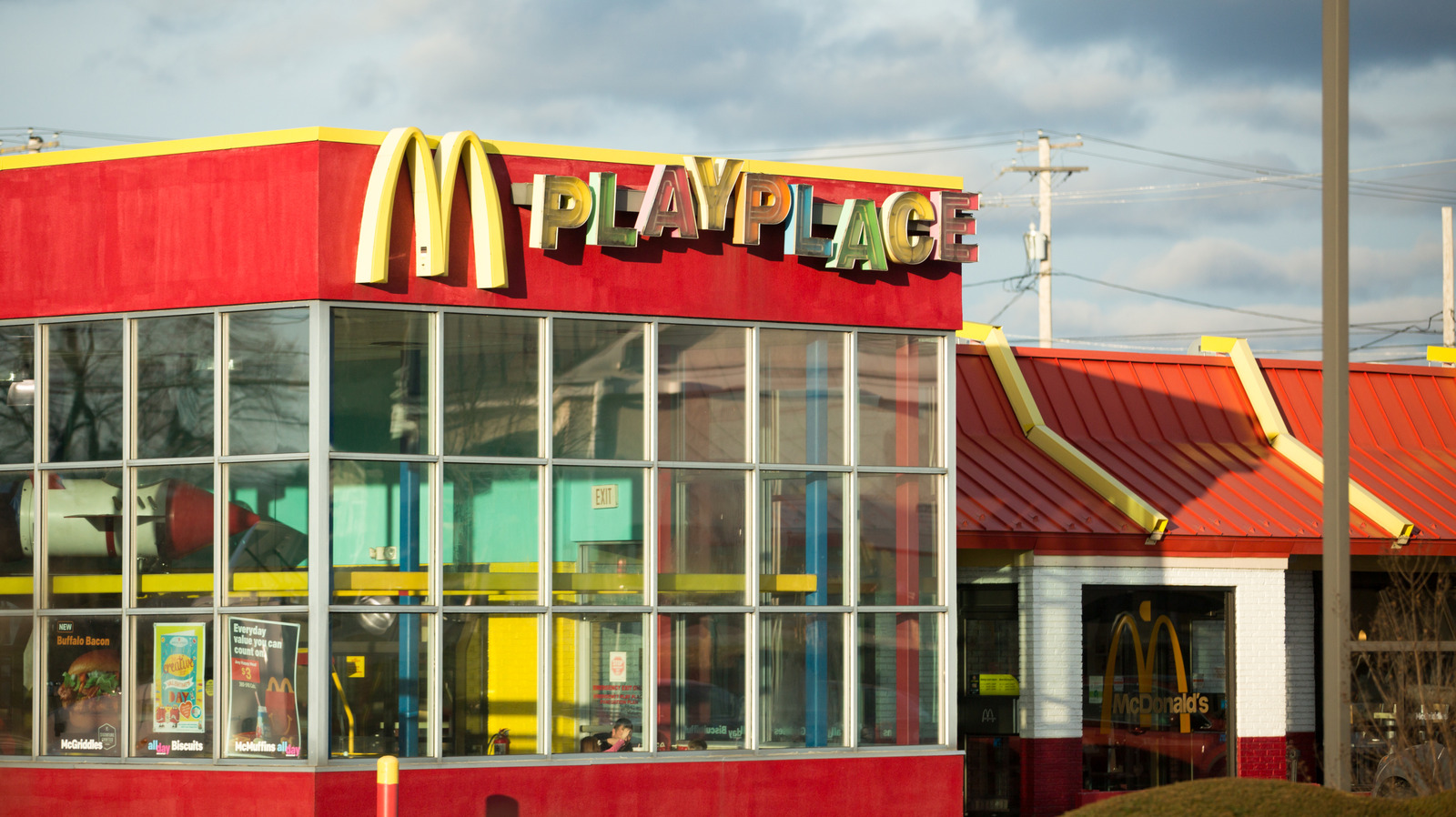
Chuck E. Cheese, which debuted in 1977, was a pioneer in this space. It was one of the first establishments to successfully integrate pizza dinners with arcade games and live entertainment, famously featuring animatronic characters. While this combination proved popular, the often-unsettling nature of these animatronics became a hallmark of ’80s and ’90s childhood for many, often evoking a sense of nostalgic unease.
Discovery Zone, launched in 1989, emerged as a more direct competitor to the Leaps & Bounds model, emphasizing large-scale, physical play. Its facilities were renowned for their foam pits, elaborate maze-like structures, rope climbs, and roller slides. Discovery Zone experienced a meteoric rise in popularity, becoming an overnight success and directly challenging the market share of McDonald’s play-oriented ventures. The similarities in their operational models and target demographics set the stage for intense competition.
A Strategic Acquisition and a Market Shift
The competitive pressures within the indoor play industry led to significant consolidation. In a pivotal move that underscored the evolving market dynamics, 1994 saw Discovery Zone acquire 45 Leaps & Bounds locations. This acquisition represented a substantial expansion for Discovery Zone, which was by then operating around 250 locations by the mid-1990s. The integration of Leaps & Bounds properties into the Discovery Zone brand signaled a strong belief in the continued growth of this entertainment sector.
However, the trajectory of the indoor play center market proved to be more volatile than anticipated. Despite initial successes and aggressive expansion, the trend began to falter by the mid-1990s. Factors contributing to this decline likely included market saturation, evolving consumer preferences, and perhaps the inherent challenges of maintaining such large-scale, high-maintenance facilities. By 1996, the burgeoning industry faced significant headwinds, leading to financial difficulties for many operators. Discovery Zone, despite its earlier triumphs, was forced to file for Chapter 11 bankruptcy. Ultimately, by 2001, all Discovery Zone facilities, and by extension the Leaps & Bounds brand, had ceased operations.
The Decline of the PlayPlace and Lingering Nostalgia
The fate of many McDonald’s PlayPlaces mirrored that of their standalone counterpart, Leaps & Bounds. While the initial appeal of these vibrant play zones was undeniable, a confluence of factors led to their gradual disappearance. Increasing concerns regarding liability and sanitary conditions became significant operational challenges for restaurants. Maintaining the safety and cleanliness of large, complex play structures, especially those involving shared equipment and close contact, proved to be a considerable undertaking.
The emergence of the COVID-19 pandemic in 2020 acted as a final, decisive blow to many remaining PlayPlaces. The heightened focus on hygiene and social distancing made enclosed, high-touch play areas particularly problematic. Consequently, a vast majority of McDonald’s restaurants have since removed their PlayPlaces, leaving them as a rarity rather than a common feature.
Yet, the memory of the McDonald’s PlayPlace endures as a potent symbol of childhood nostalgia. For those who grew up with them, the image of the brightly colored tubes, the squeaky slides, and the scent of a McDonald’s meal mixed with the faint aroma of plastic and disinfectant evokes a powerful sense of bygone eras. Today, a handful of these cherished PlayPlaces still operate, offering a unique opportunity for a select few to relive those formative experiences. These surviving locations, like the one reportedly still functioning in Long Island, serve as nostalgic anchors, allowing individuals to reconnect with the joy and simple pleasures of childhood, albeit with a heightened awareness of the changing times and the ephemeral nature of popular trends. The legacy of McDonald’s PlayPlaces, and the ambitious Leaps & Bounds venture, is a testament to the enduring power of play and the dynamic shifts within the entertainment industry.
