
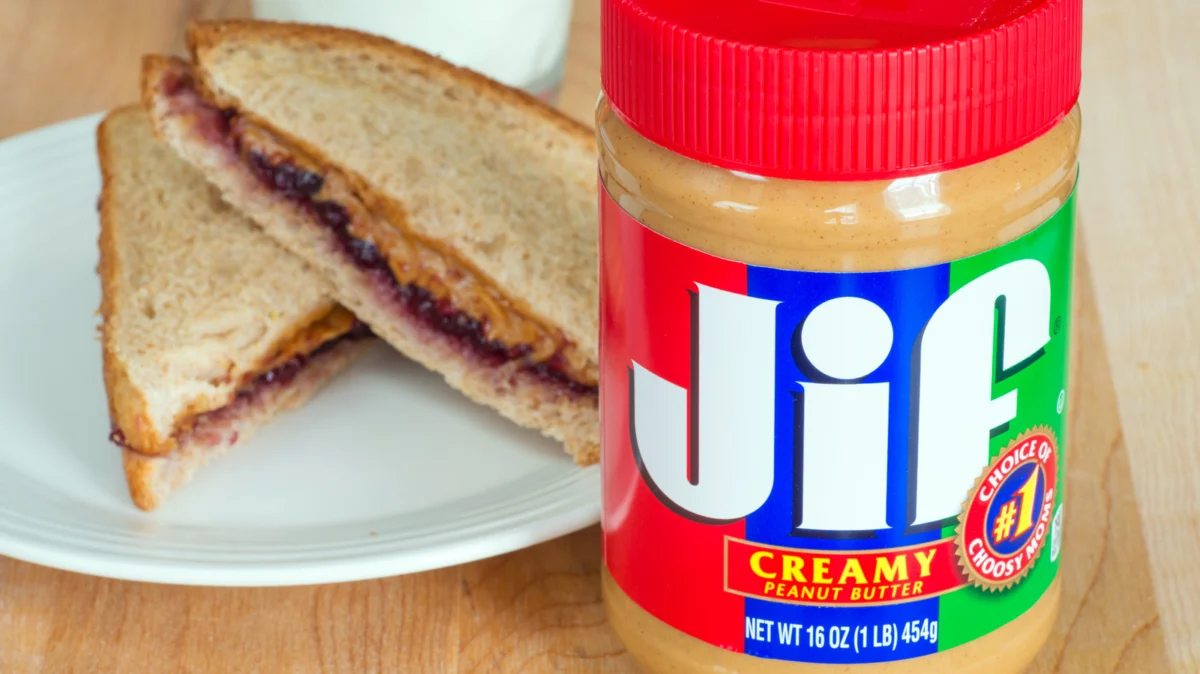
The rich history of peanut butter, a staple in kitchens across the globe, is often shrouded in misconceptions, with many mistakenly attributing its invention to George Washington Carver. While Carver was a pivotal figure in revolutionizing the peanut industry through his discovery of over 300 uses for the legume, earning him the moniker "father of the peanut industry," he did not invent peanut butter itself. The origins of this beloved spread trace back much further, to the indigenous peoples of the Americas, including the Incas and Aztecs, who ground peanuts into a paste. The first patent for peanut butter was awarded to Canadian Marcellus Gilmore Edson in 1884. A decade later, Dr. John Harvey Kellogg, of breakfast cereal fame, patented his own process for creating peanut butter from raw peanuts. However, the brand that would eventually become synonymous with peanut butter, Jif, was a relatively late entrant into the market.
Before it was known as Jif, the peanut butter that would later dominate American kitchens was a modest brand called Big Top, produced in Lexington, Kentucky. In 1955, the food conglomerate Procter & Gamble (P&G) acquired Big Top with the strategic aim of establishing a significant presence in the burgeoning peanut butter industry. This move, however, placed P&G in direct competition with well-entrenched national brands like Peter Pan and Skippy, which had already solidified their positions as household names over several decades. Peter Pan’s origins date back to 1915, although it underwent several name changes under its parent company, Swift & Co., while Skippy emerged on the scene in 1932. To carve out a competitive advantage and distinguish itself in a crowded marketplace, Procter & Gamble initiated a significant rebranding effort. In 1958, Big Top Peanut Butter was relaunched as Jif, complete with a vibrant, attention-grabbing kangaroo mascot named Jifaroo. The choice of the name "Jif" appears to be rooted in its simplicity and marketing appeal, rather than any deeper symbolic significance. Initially, Jif was introduced to consumers as a "creamy-smooth" spread, with its crunchy counterpart quickly following to cater to diverse preferences.
The Strategic Evolution of Jif: From Big Top to a Category Leader
The transformation of Big Top into Jif was more than just a name change; it represented a calculated strategy by Procter & Gamble to innovate and capture market share. The company recognized that to challenge established brands like Peter Pan and Skippy, a superior product and a compelling brand identity were essential. This led to a significant overhaul of the product’s formulation.
A New Formula for Success
The new Jif peanut butter recipe introduced a pivotal innovation: the incorporation of non-peanut oils for partial hydrogenation. This process, combined with the addition of molasses, resulted in a dramatically smoother, sweeter, and more easily spreadable peanut butter. This altered texture and flavor profile resonated strongly with consumers, setting Jif apart from its competitors. The impact of this new formulation was substantial. By the 1980s, Jif, propelled by its successful marketing slogan, "Choosy moms choose Jif," had surpassed both Peter Pan and Skippy to become the leading peanut butter brand in the United States. This trajectory cemented Jif’s status not merely as a competitor, but as a category definer.
Navigating Regulatory Landscapes
However, Jif’s innovative formula presented regulatory challenges. Due to the inclusion of non-peanut oils and added sweeteners, the U.S. Food and Drug Administration (FDA) initially required the product to be labeled as "peanut spread" rather than "peanut butter." True peanut butter, under FDA regulations at the time, was expected to consist primarily of peanuts. Determined to achieve the coveted "peanut butter" classification, Jif’s parent company worked diligently to meet the FDA’s requirement of containing at least 90% peanuts while meticulously preserving its signature super-spreadable texture. This regulatory hurdle and Jif’s successful navigation of it likely paved the way for the wider acceptance of diverse peanut butter formulations in the market.
The Economic and Industrial Footprint of Jif
The success of Jif has had a profound impact on the peanut butter industry and the local economy where it is produced. The brand’s dominance has not only shaped consumer preferences but also driven significant industrial development.
A Global Hub for Peanut Butter Production
Today, the Jif factory located in Lexington, Kentucky, stands as the largest peanut butter factory in the world. This immense facility is a testament to the brand’s enduring popularity and its central role in global peanut butter production. Its scale of operations underscores the economic significance of the brand, not only for Procter & Gamble but also for the region through job creation and its contribution to the agricultural supply chain. The factory’s output is critical in meeting the consistent and high demand for Jif products domestically and internationally.
Impact on the Broader Peanut Butter Market
While Jif may not hold the distinction of being the oldest peanut butter brand in the United States, its innovative approach and subsequent market dominance have undeniably left an indelible mark on the industry. The brand’s ability to evolve its product and marketing strategies in response to consumer demand and regulatory environments serves as a case study in brand building and product development. Jif’s success arguably encouraged other manufacturers to explore new formulations and marketing angles, contributing to the vast array of peanut butter varieties available to consumers today, ranging from natural and organic options to those with added flavors and textures.
A Look Back: The Timeline of Jif’s Rise
Understanding the evolution of Jif requires a chronological perspective on key milestones:
- Pre-1955: The peanut butter landscape is dominated by established brands like Peter Pan (dating to 1915) and Skippy (emerging in 1932). Indigenous peoples in the Americas and early patentees like Marcellus Gilmore Edson and Dr. John Harvey Kellogg lay the groundwork for peanut paste and butter production.
- 1955: Procter & Gamble acquires Big Top Peanut Butter, based in Lexington, Kentucky, with the intention of entering the competitive peanut butter market.
- 1958: Big Top Peanut Butter is rebranded as Jif, featuring a new formula and the Jifaroo mascot. The aim is to challenge existing market leaders.
- Post-1958: Jif’s smoother, sweeter, and more spreadable formulation, enhanced by molasses and partially hydrogenated non-peanut oils, gains significant consumer traction. The marketing slogan "Choosy moms choose Jif" becomes iconic.
- Early 1980s: Jif surpasses Peter Pan and Skippy to become the leading peanut butter brand in the United States, a position it has largely maintained.
- Present Day: The Jif factory in Lexington, Kentucky, is recognized as the world’s largest peanut butter production facility. The brand’s innovative approach to formulation and marketing continues to influence the broader peanut butter industry.
Broader Implications and Analysis
The story of Jif’s transformation from Big Top is more than just a corporate rebranding; it illustrates several key principles in consumer goods marketing and product development.
Innovation as a Market Differentiator
Procter & Gamble’s decision to reformulate Big Top into Jif was a strategic gamble that paid off handsomely. By identifying a consumer desire for a smoother, sweeter, and more easily spreadable peanut butter and successfully delivering it, Jif created a distinct market niche. This focus on product innovation, rather than solely relying on established brand recognition, allowed Jif to disrupt the market and capture significant market share.
The Power of Branding and Marketing
The "Choosy moms choose Jif" campaign was a masterstroke in targeted marketing. It appealed to a key demographic of consumers and instilled confidence in the brand’s quality and suitability for families. This, coupled with the distinctive Jifaroo mascot (though less prominent in later years), helped build a strong brand identity that resonated with consumers and fostered loyalty.
Adapting to Regulatory and Consumer Shifts
Jif’s journey also highlights the importance of adapting to evolving regulatory landscapes and consumer preferences. The initial classification as a "peanut spread" and the subsequent efforts to meet FDA requirements demonstrate a commitment to product integrity and market acceptance. Furthermore, the brand’s enduring success suggests an ability to adapt to changing consumer tastes over decades, while still maintaining its core appeal. The broad spectrum of peanut butter products available today, a landscape that Jif helped shape, is a testament to the brand’s pioneering spirit.
In conclusion, the evolution of Jif peanut butter from its humble beginnings as Big Top to its current status as a market leader is a compelling narrative of strategic innovation, effective branding, and adaptability. It underscores how a single product, through thoughtful development and marketing, can not only achieve commercial success but also significantly influence an entire industry and become an enduring part of cultural and culinary landscapes.
