
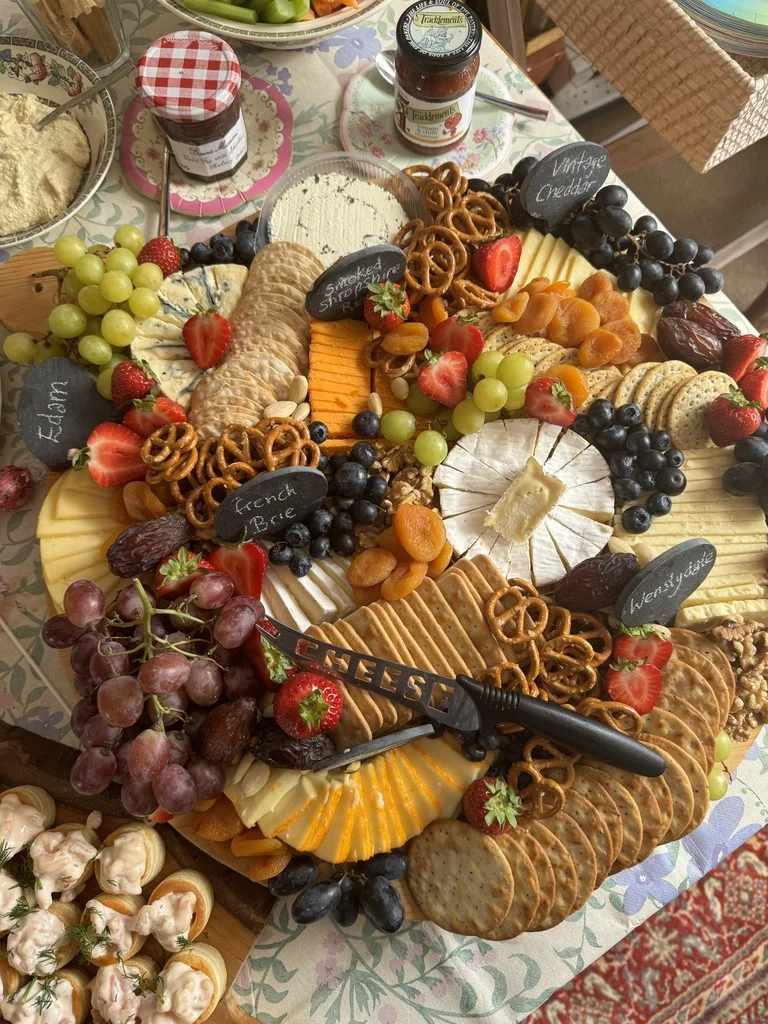
The tradition of brunch, a portmanteau of breakfast and lunch that gained international popularity in the late 19th century, has evolved into a cornerstone of modern social gatherings. Originally popularized in Britain as a Sunday morning repast for hunters and socialites, the meal has transitioned into a versatile format for milestone celebrations, ranging from corporate mixers to intimate family anniversaries. Hosting a successful brunch requires a strategic synthesis of culinary planning, logistical management, and atmospheric design to ensure the event serves its primary purpose: fostering meaningful interpersonal connection.

The Evolution and Modern Context of Brunch
The historical significance of brunch lies in its role as a "bridge" meal. During the Victorian era, the rigidity of formal dining schedules began to soften, allowing for a more relaxed, extended period of eating that accommodated late risers. In contemporary society, this flexibility remains the format’s greatest asset. Data from hospitality industry surveys suggest that brunch is the preferred celebratory format for approximately 40% of weekend social events due to its ability to bridge the gap between morning and afternoon productivity, allowing guests to maintain their schedules while participating in festivities.
Whether held in a private residence or a commercial venue, the logistical requirements remain consistent. The decision-making process for a host begins with assessing the scale of the event. While hosting at home offers unparalleled control over the environment and a higher degree of intimacy, commercial "bottomless" brunch packages—often characterized by unlimited beverage service and fixed-price menus—have become a significant revenue driver for the hospitality sector. Industry analysts note that the rise of these packages has simplified event planning for organizers, shifting the burden of service, cleanup, and beverage curation from the individual to the venue.

Strategic Menu Engineering
A balanced brunch menu is defined by the deliberate pairing of sweet and savory elements. Culinary experts emphasize that the most effective menus rely on "the rule of four": a primary savory protein (such as a quiche or frittata), a carbohydrate-based component (pancakes or artisanal breads), a fresh fruit component, and a nutrient-dense side, such as a salad or roasted vegetables.
From a nutritional and logistical perspective, the buffet-style service remains the industry standard for gatherings exceeding six participants. This format facilitates guest autonomy and reduces the "service lag" that often occurs when plating individual meals. By integrating pre-prepared dishes—such as cold-smoked salmon platters, overnight oats, or chilled quiches—hosts can mitigate the risks associated with last-minute kitchen failure. Furthermore, the inclusion of dietary-inclusive options, such as gluten-free or plant-based alternatives, has become an expected standard in professional catering and should be mirrored in domestic hosting to ensure guest satisfaction.

Chronology of Event Execution
The success of a brunch is often determined by the timeline of preparation. Professional event planners suggest a structured "make-ahead" approach to avoid the common pitfall of morning-of exhaustion.
- T-Minus 72 Hours: Finalize the guest list and verify dietary restrictions. This window is ideal for finalizing the menu and procuring non-perishable ingredients.
- T-Minus 48 Hours: Execute complex preparatory work, including the assembly of egg-based dishes or the marination of proteins. Cleaning of the primary hosting space should also occur during this time.
- T-Minus 24 Hours: Prepare beverage stations. This includes chilling glassware, setting up coffee machines, and ensuring that juices and garnishes are pre-portioned.
- T-Minus 2 Hours: Complete final assembly of cold dishes and set the table. The goal is to have all stationary items in place before the arrival of the first guest.
- T-Minus 30 Minutes: Begin the final heating cycle for warm dishes, ensuring they reach a safe serving temperature of at least 165°F (74°C) for egg and meat-based products.
The Role of Beverage Curation
Beverage service is a critical component of the brunch experience, serving as a social lubricant and a decorative element. In addition to traditional coffee and tea service, the integration of a "build-your-own" bar—featuring sparkling wine, chilled juices, and fresh fruit garnishes—encourages guest interaction.

From an industry standpoint, the inclusion of sophisticated non-alcoholic alternatives is no longer an afterthought but a requisite. The growth of the "sober-curious" movement has led to an increased demand for complex, non-alcoholic beverages such as sparkling water infused with fresh botanicals, house-made iced teas, or cold-pressed juices. Providing these high-quality, alcohol-free options ensures that all guests, regardless of preference, are equally considered.
Atmospheric Design and Environmental Impact
The environment in which a meal is served significantly influences the perceived quality of the event. Research in behavioral psychology indicates that lighting, background sound, and spatial organization directly correlate with the duration and enjoyment of a social gathering.

For the host, this necessitates a minimalist approach to decoration. Over-decorating can create physical clutter that inhibits movement. Instead, the focus should remain on "sensory markers": fresh cut flowers for scent and visual appeal, a curated playlist set at a volume that facilitates rather than competes with conversation, and thoughtful seating arrangements that encourage cross-table engagement. If the event is seated, the use of simple, hand-written place cards is recommended. While seemingly minor, these details signal a level of investment and care that elevates a casual gathering into a formalized, memorable celebration.
Broader Implications and Socio-Economic Trends
The resurgence of the "home brunch" reflects a broader socio-economic shift toward nesting—a trend where individuals prioritize domestic comfort over external social experiences. This shift is partially driven by the rising costs of dining out and an increased appreciation for the "slow living" movement, which advocates for quality time over the convenience of modern fast-paced dining.

When hosting a celebration, whether a first birthday, an anniversary, or a simple reunion, the objective remains the same: the facilitation of community. By removing the stress associated with complex, high-maintenance culinary techniques and focusing on the assembly of high-quality, pre-planned components, the host can transition from a service role to a participant role. This transition is essential for the longevity of the celebration; when the host is relaxed, the guests are statistically more likely to report a higher level of satisfaction with the event.
In summary, the perfect brunch is a delicate balance of structure and spontaneity. It relies on the rigorous application of preparatory timelines and the thoughtful curation of the menu and environment. By adopting a professional, logistical approach to the gathering, the host can ensure that the event not only meets the logistical demands of a successful party but also achieves its ultimate goal: creating a lasting, positive memory for all attendees. The integration of these strategies transforms the brunch from a simple meal into a sophisticated, well-executed social ceremony, capable of honoring any significant milestone with grace and efficiency.
