
The culinary landscape of seasonal comfort food is often defined by dishes that balance nutritional density with economic accessibility, a category in which split pea soup remains a prominent fixture. This legume-based dish, characterized by its thick consistency and savory depth, has recently seen a resurgence in domestic kitchens as home cooks prioritize high-fiber, protein-rich meals that can be prepared in bulk. The following report details the preparation methodology, historical context, economic breakdown, and nutritional implications of a classic split pea soup enriched with smoked ham and root vegetables.
Historical Context and Culinary Evolution
Split pea soup is a dish with deep roots in human civilization, tracing its origins back to antiquity. Historical records indicate that pea soup was a staple in the diets of ancient Greeks and Romans; street vendors in Athens were known to serve hot pea soup as early as 500 to 400 BCE. The dish evolved through the medieval period in Europe, where dried peas were a vital source of protein during winter months when fresh produce was unavailable.
In the North American context, split pea soup became a cornerstone of colonial and maritime diets. Its shelf-stable ingredients—dried legumes and cured meats—made it an ideal ration for long sea voyages and frontier life. Over centuries, regional variations emerged, such as the French-Canadian soupe aux pois, which traditionally uses yellow peas, and the Dutch erwtensoep, a remarkably thick version often served with rye bread. The modern iteration, frequently utilizing green split peas and smoked ham hocks, represents a synthesis of these traditions, optimized for the contemporary palate and kitchen equipment.
Chronology of Preparation and Technical Methodology
The preparation of split pea soup follows a precise chronological sequence designed to maximize flavor extraction and achieve the desired textural breakdown of the legumes. Unlike many contemporary recipes that rely on rapid cooking methods, split pea soup requires a sustained simmering period to transform dried pulses into a creamy base.
Phase I: Aromatics and Base Construction
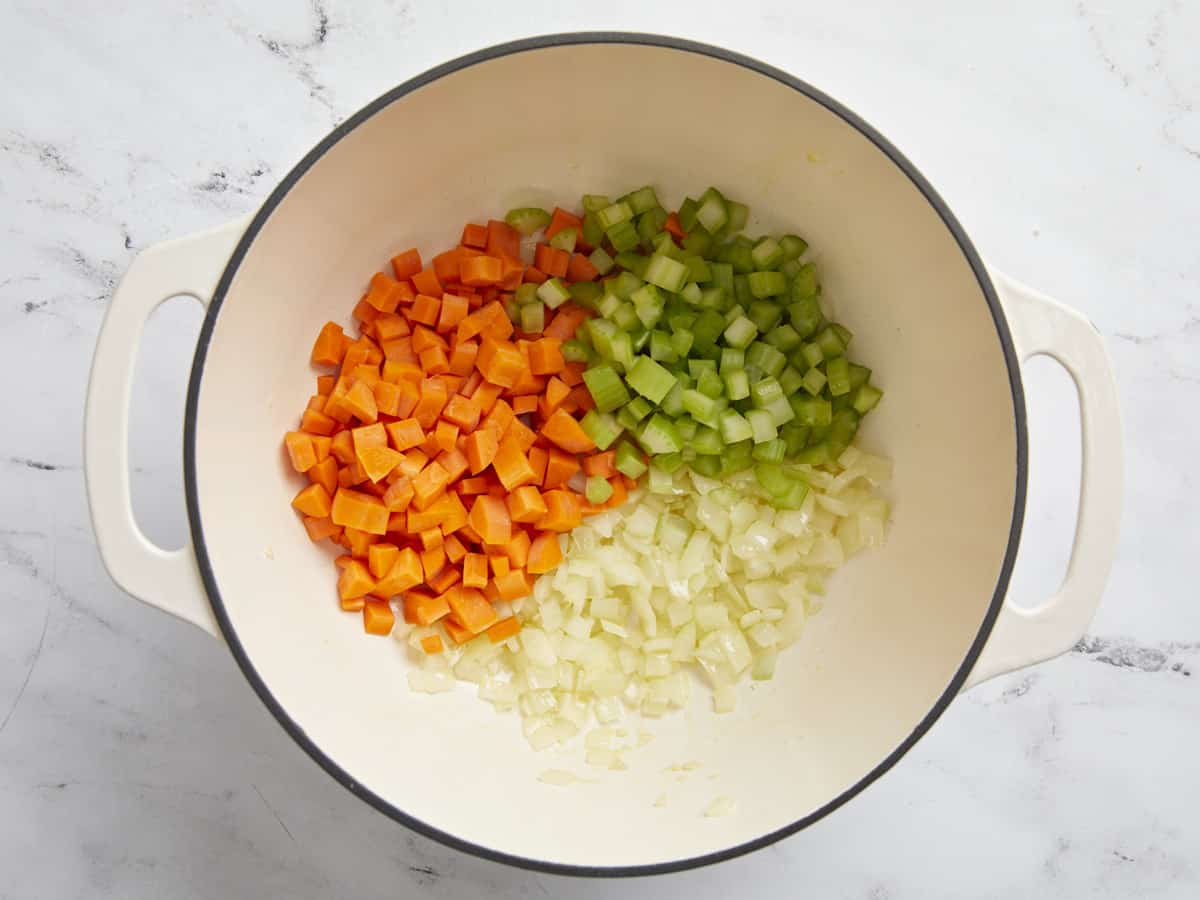
The process begins with the "mirepoix," a foundational culinary technique involving the sautéing of diced onions, celery, and carrots. In a heavy-bottomed vessel, such as a Dutch oven, olive oil is heated to medium-high. The vegetables are introduced and cooked for approximately four minutes until the cell walls begin to soften, a process that releases essential sugars and aromatics. Minced garlic is added in the final 30 seconds of this phase to prevent the bitterness associated with over-browning.
Phase II: Liquid Integration and Primary Simmer
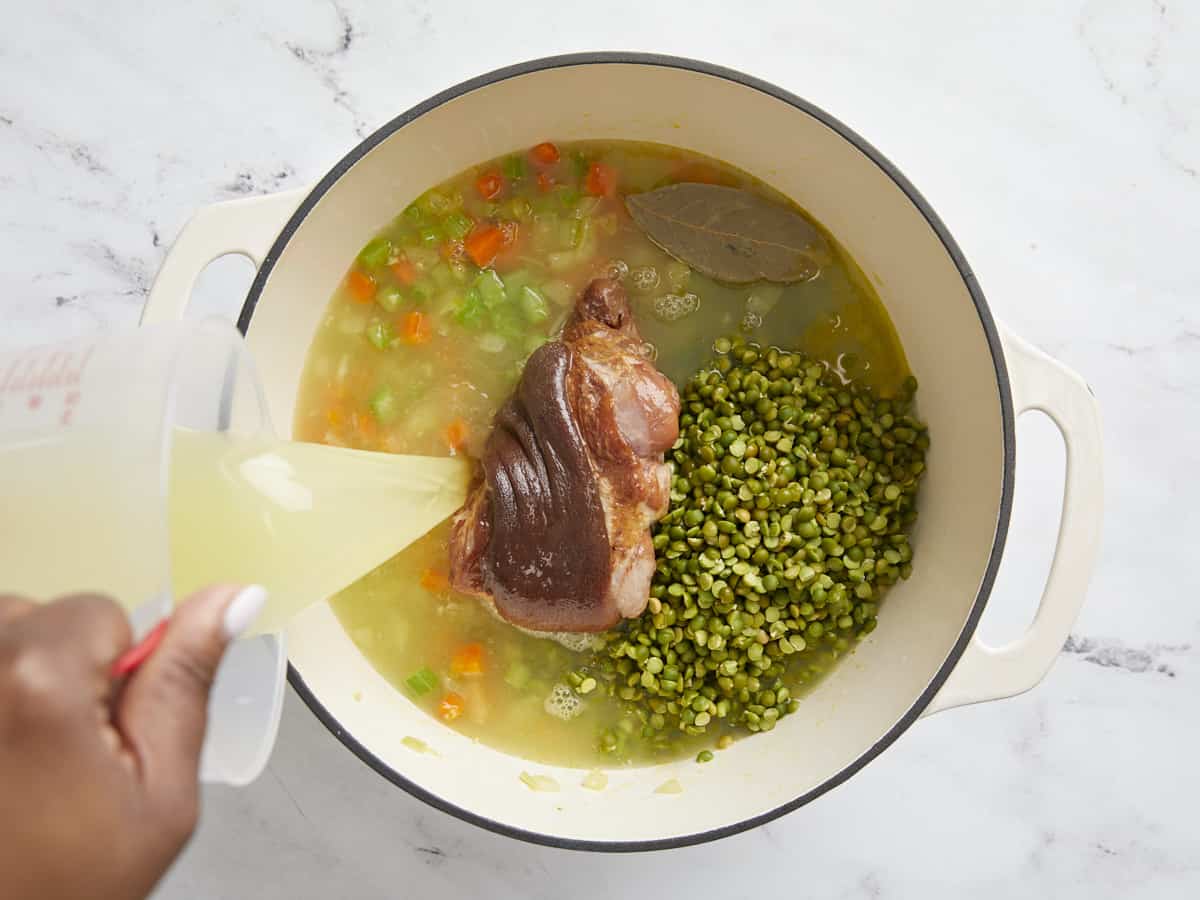
Once the aromatic base is established, one pound of dried green split peas is added to the vessel. The choice of green split peas over yellow varieties is often dictated by a preference for their slightly sweeter, more earthy flavor profile. A smoked ham hock is then introduced as the primary flavoring agent. Ham hocks, which are the joint between the tibia/fibula and the metatarsals of a pig’s foot, are rich in collagen and connective tissue. As they simmer, they release gelatin, which contributes to the soup’s characteristic "mouthfeel" and provides a deep, smoky undertone.
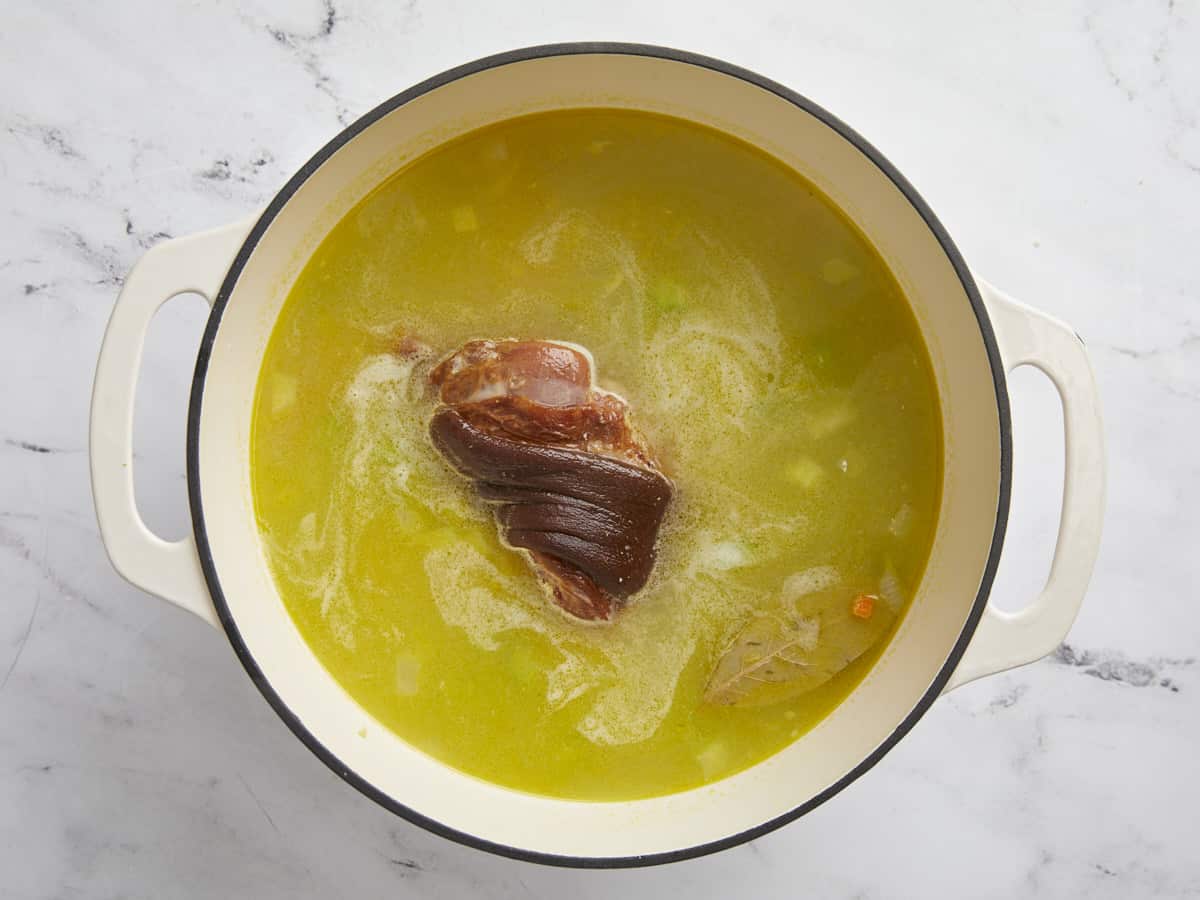
Six cups of high-quality chicken broth and a single bay leaf are added to complete the liquid base. The mixture is brought to a gentle boil before the heat is reduced to medium-low. The pot is covered, and the soup is allowed to simmer for 60 minutes. During this hour, the split peas undergo a physical transformation, absorbing liquid and eventually collapsing into a thick, homogenous puree.
Phase III: Refinement and Finishing
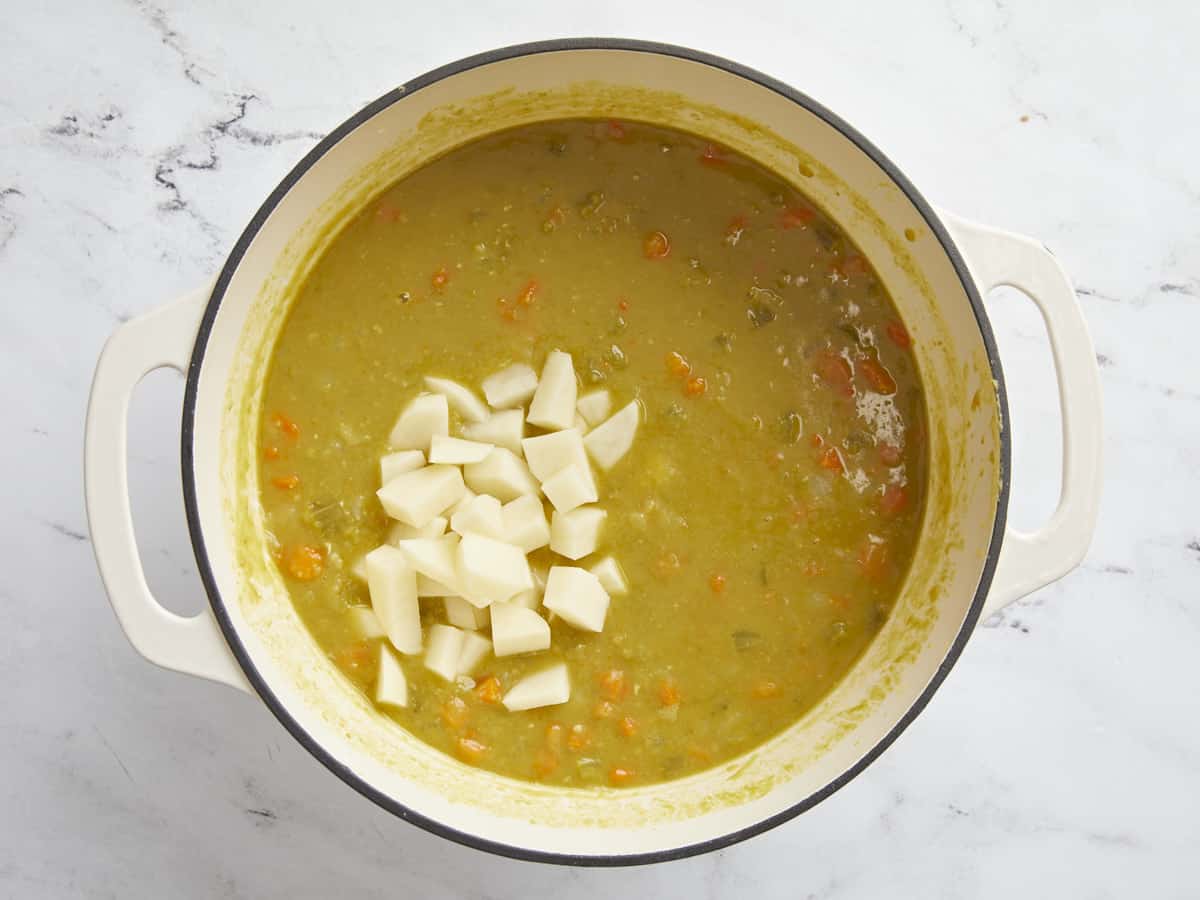
After the initial hour of simmering, the ham hock is removed from the pot to cool. At this stage, a peeled and diced russet potato is introduced. The addition of the potato serves a dual purpose: it adds textural contrast to the smooth pea base and provides additional starch, further thickening the broth. The soup simmers for an additional 12 minutes until the potatoes reach a fork-tender consistency.
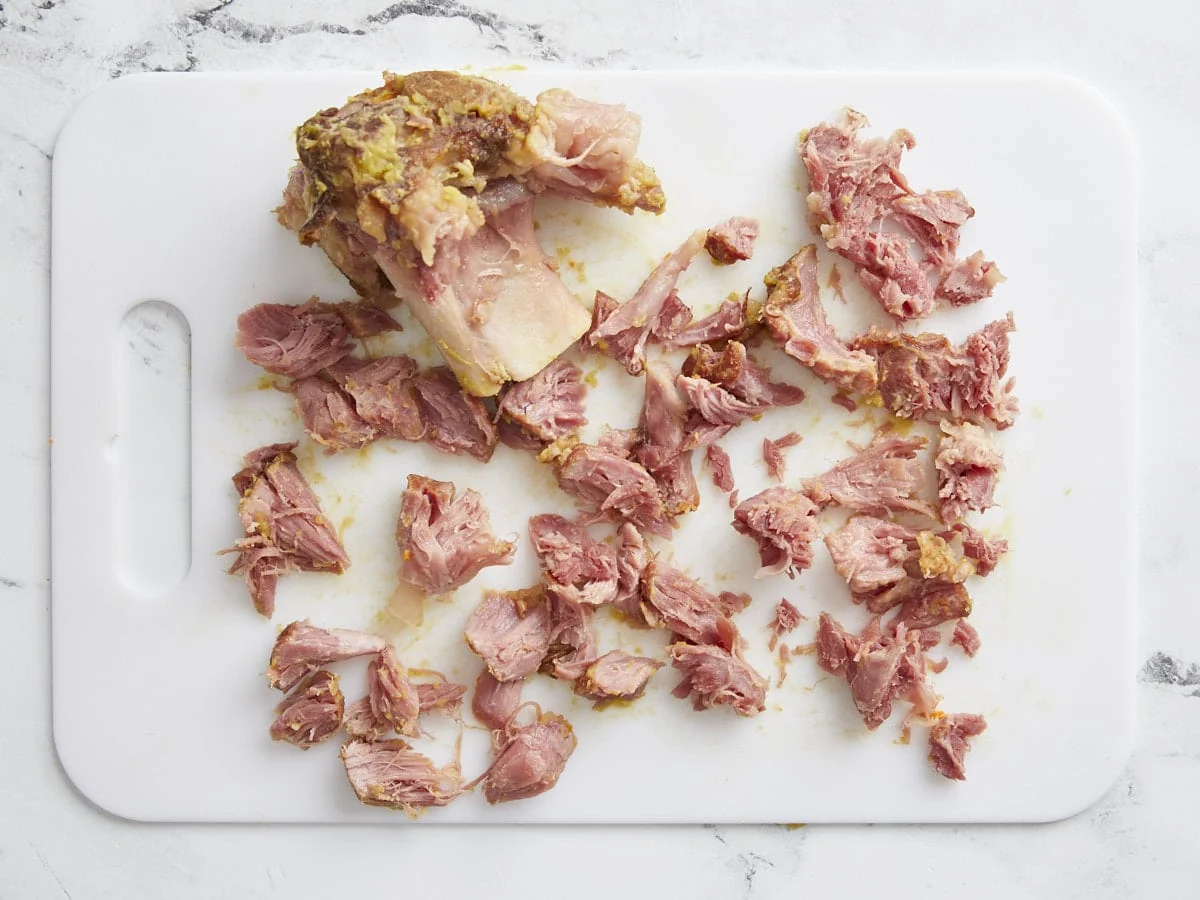
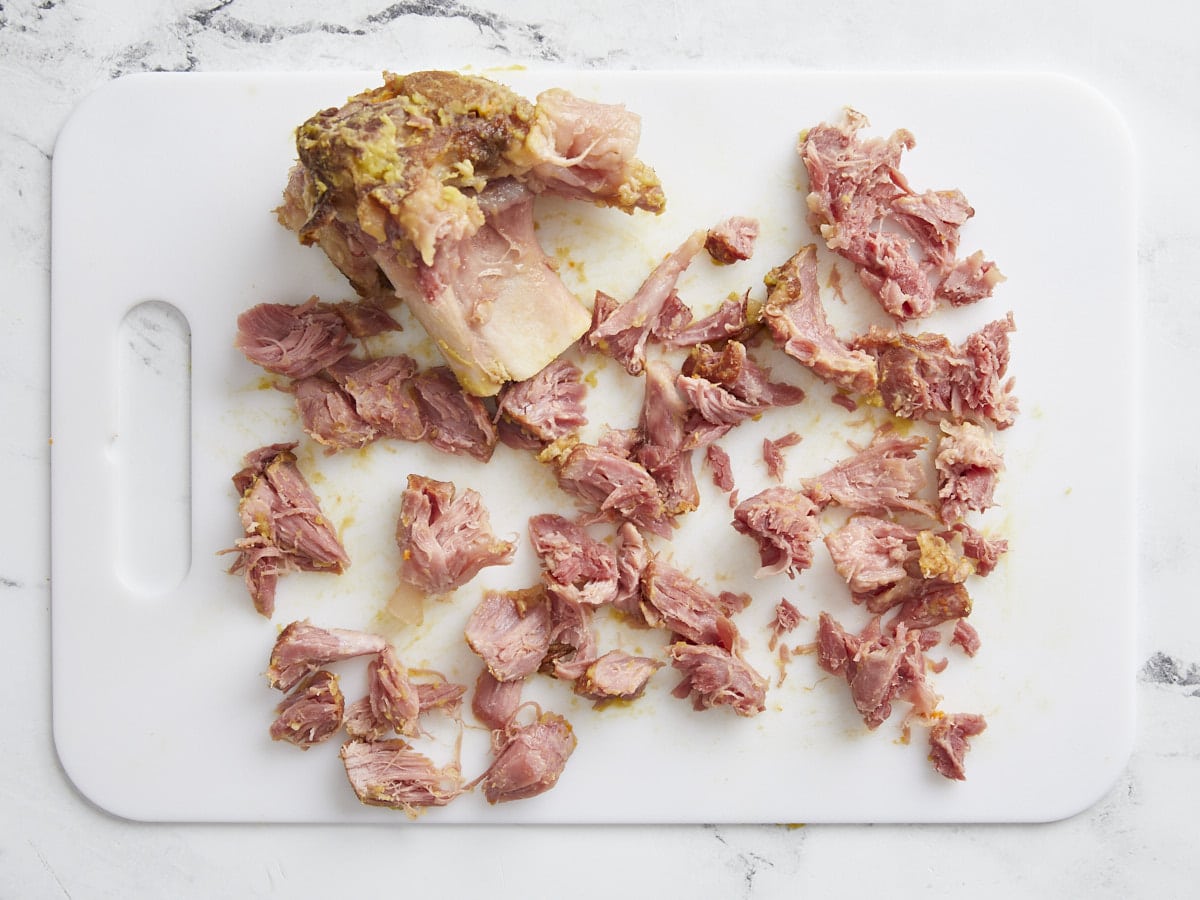
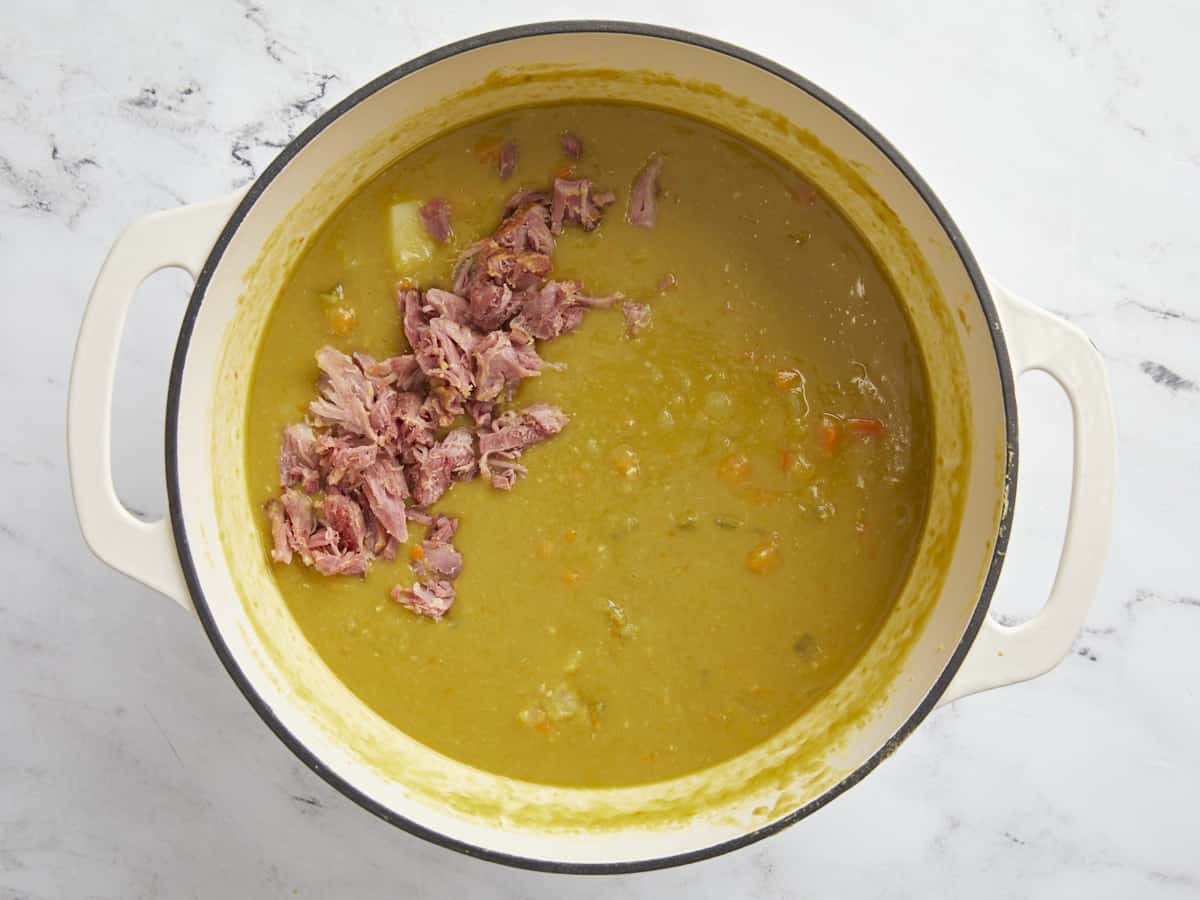
Simultaneously, the meat is stripped from the cooled ham hock, shredded into small pieces, and reintegrated into the soup. The final stage involves seasoning with salt and freshly cracked black pepper. Because ham hocks and commercial broths vary significantly in sodium content, professional culinary standards dictate that seasoning should only occur at the end of the cooking process to avoid over-salting through reduction.
Economic and Nutritional Data Analysis
In an era of fluctuating food prices, the economic profile of split pea soup is a significant factor in its popularity. Based on current market data, a standard six-serving batch of this recipe carries a total cost of approximately $9.51, which translates to a highly competitive $1.58 per serving.
Cost Breakdown per Component
- Split Peas: Legumes remain one of the most cost-effective protein sources available, typically priced under $2.00 per pound.
- Vegetables: Onions, carrots, and celery are "pantry staples" with low per-unit costs, especially when purchased in bulk.
- Smoked Ham Hock: While the price of premium meats has risen, ham hocks remain an affordable "scrap" cut that provides a high volume of flavor for a low investment.
- Broth: The use of concentrated bases, such as roasted chicken base (e.g., Better than Bouillon), further reduces costs compared to purchasing individual cartons of liquid stock.
Nutritional Profile
From a public health perspective, split pea soup is an exceptionally nutrient-dense meal. A single serving (approximately 1.5 to 2 cups) provides the following:
- Calories: 458 kcal
- Protein: 29g (58% of the recommended daily value)
- Fiber: 21g (88% of the recommended daily value)
- Fat: 13g (20% of the recommended daily value)
- Carbohydrates: 59g
The high fiber content is particularly noteworthy, as it promotes gastrointestinal health and provides a sustained sense of satiety, making it an effective tool for weight management and blood sugar regulation.
Ingredient Science and Quality Control
The success of split pea soup is contingent upon the quality of its core components. Food scientists note that the breakdown of legumes is affected by the pH of the cooking liquid. Adding acidic ingredients too early in the process can toughen the skins of the peas, preventing them from softening. Therefore, the use of a balanced chicken broth is preferred over highly acidic bases.
Furthermore, the choice of the ham hock is critical. Smoked hocks provide a complex flavor profile that cannot be replicated by liquid smoke or pre-cooked ham cubes alone. The slow release of fats and proteins from the bone marrow during the simmering process creates a multi-dimensional flavor that permeates the entire dish. For those unable to source ham hocks, smoked turkey wings or shanks are often cited by culinary experts as a viable, lower-fat alternative that maintains the necessary smoky characteristics.
Broader Societal Impact and Domestic Trends
The proliferation of recipes for hearty, low-cost meals like split pea soup reflects broader societal trends toward "slow food" and domestic self-sufficiency. As inflation impacts grocery budgets, consumers are increasingly moving away from highly processed, pre-packaged convenience foods in favor of "scratch cooking" using whole ingredients.
Educational platforms and culinary blogs, such as Budget Bytes, play a vital role in this shift by providing tested, reliable methodologies that demystify the preparation of traditional dishes. By emphasizing the "cost per serving," these resources empower individuals to make informed financial decisions without sacrificing nutritional quality.
Moreover, the "big batch" nature of soup recipes aligns with the growing "meal prepping" movement. Split pea soup is particularly well-suited for this, as its flavor profile often improves after 24 hours of refrigeration due to the continued melding of spices and aromatics. Its ability to be frozen for up to three months without significant degradation of texture or taste makes it a strategic asset for busy households seeking to reduce food waste and minimize the frequency of restaurant dining.
Conclusion and Serving Implications
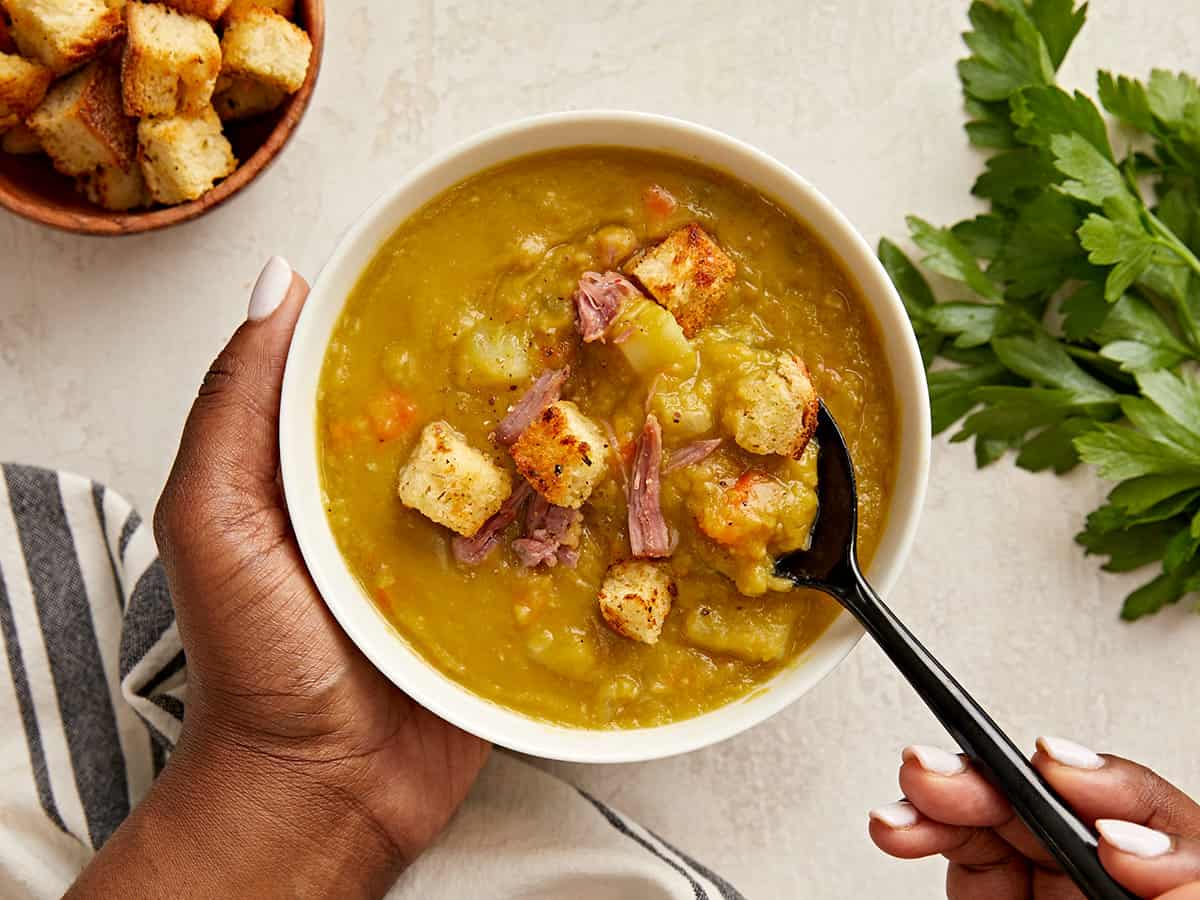
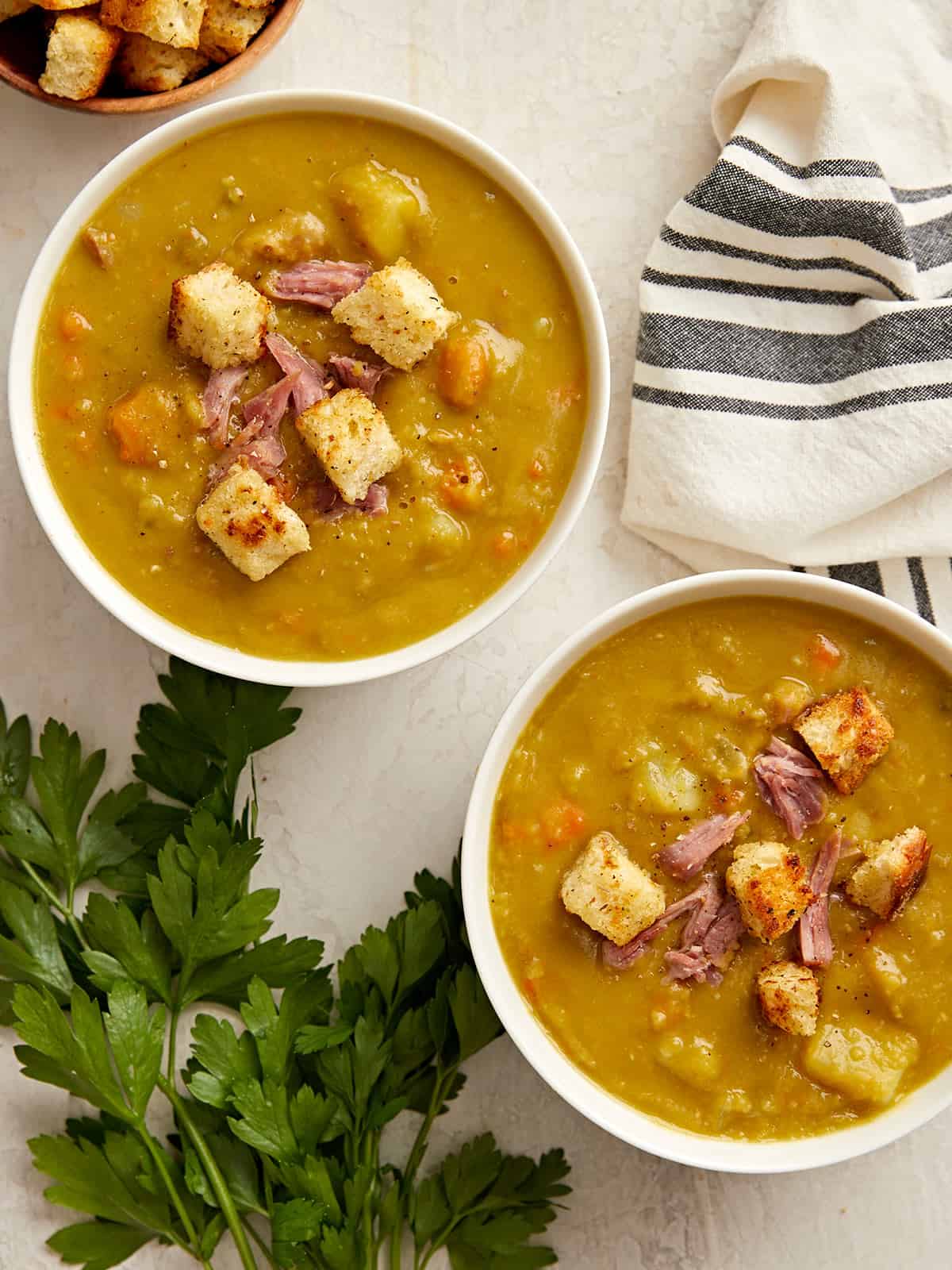
To optimize the dining experience, culinary experts suggest serving split pea soup with textural complements. Homemade croutons, toasted sourdough, or crusty soda bread provide a necessary crunch that offsets the creaminess of the soup. For a more modern presentation, a drizzle of high-quality olive oil or a sprinkle of fresh parsley can add a bright, acidic finish to the heavy, savory base.
Ultimately, split pea and ham soup stands as a testament to the enduring value of simple, tradition-based cooking. It is a dish that satisfies the modern requirements for health and economy while maintaining a profound connection to culinary history. As winter seasons approach, the reliance on such "comfort classics" is expected to remain high, reinforcing the importance of mastering these foundational recipes in the contemporary home kitchen.
