
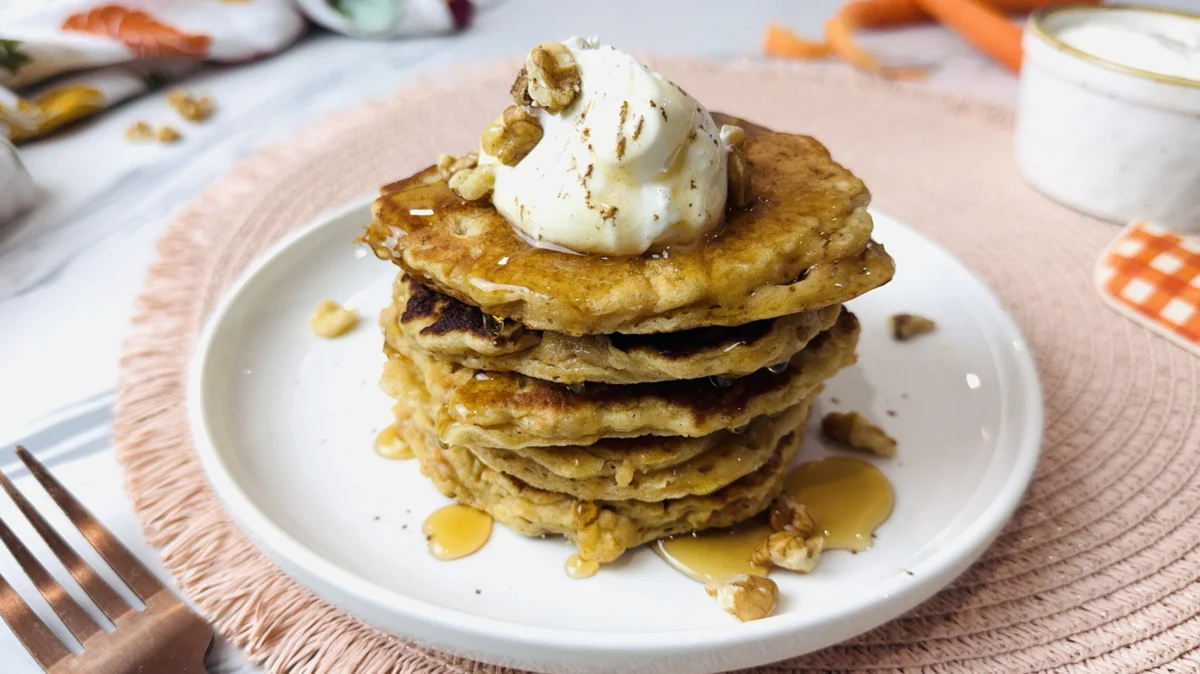
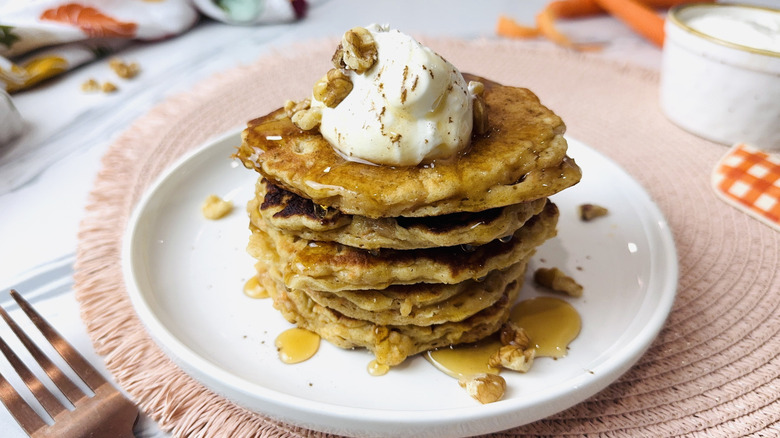
The evolution of breakfast culture has seen a significant shift toward the "dessert-as-breakfast" movement, a culinary trend that blends traditional morning staples with the rich, indulgent profiles of classic baked goods. Among the most successful iterations of this movement is the carrot cake pancake, a dish that bridges the gap between a fiber-rich root vegetable base and the decadent, spiced comfort of a Sunday brunch favorite. By incorporating elements such as crushed pineapple, warm aromatics like cinnamon, and a signature cream cheese topping, this dish has become a mainstay in modern home kitchens and boutique café menus alike.
The Culinary Origins of the Carrot Cake Concept
Carrot cake, in its traditional form, traces its roots back to medieval Europe, where carrots were frequently used as a sweetener in puddings and cakes due to the scarcity and high cost of sugar. During World War II, the vegetable gained further popularity in British kitchens as a substitute for rationed sweeteners. Over the decades, the recipe evolved in North America to include the now-standard additions of cream cheese frosting, nuts, and pineapple, the latter of which adds moisture and a subtle acidity that cuts through the richness of the cream cheese.
Translating this profile into a breakfast format requires a delicate balance. The goal is to retain the structural integrity of a pancake—which must be light, airy, and capable of holding a syrup—while replicating the dense, moist texture of a cake.
Ingredient Composition and Nutritional Profile
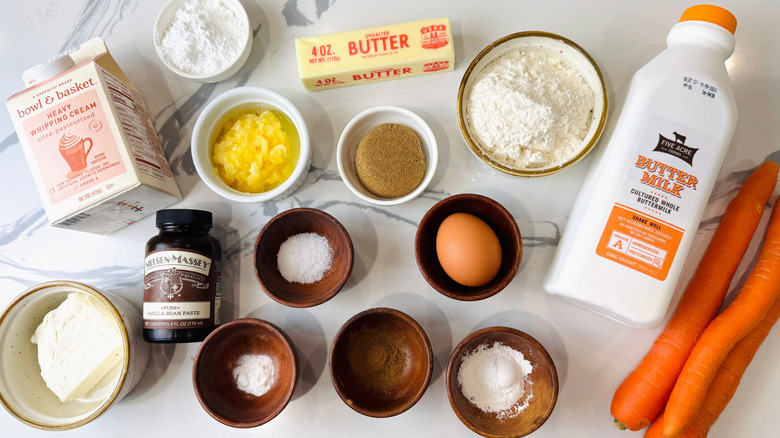
The preparation of professional-grade carrot cake pancakes relies on a high-quality ingredient list. The base batter generally consists of all-purpose flour, buttermilk, eggs, brown sugar, and a leavening system of baking powder and baking soda. The inclusion of buttermilk is crucial; the acidity in the buttermilk reacts with the baking soda to create carbon dioxide bubbles, which are essential for achieving the necessary lift and fluffiness.
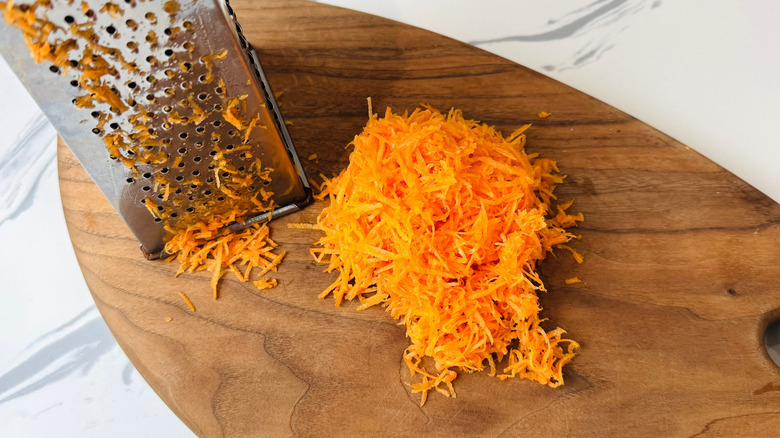
The core flavor profile is dictated by the finely grated carrot and the addition of crushed pineapple, which acts as a natural humectant, ensuring the pancakes remain moist even after the cooking process. Spices—predominantly cinnamon—provide the warmth characteristic of the dessert.
Nutritionally, a single serving of these pancakes typically contains approximately 215 calories. The profile includes roughly 14.5 grams of fat, of which 8.8 grams are saturated, and 18.4 grams of carbohydrates. While this represents an indulgent breakfast choice, the inclusion of fresh carrots and walnuts offers a slight increase in fiber and heart-healthy fats compared to standard plain pancakes. Culinary analysts note that such recipes are increasingly viewed as "lifestyle meals," intended for weekend consumption rather than daily dietary staples.
Technical Methodology: Achieving the Perfect Texture
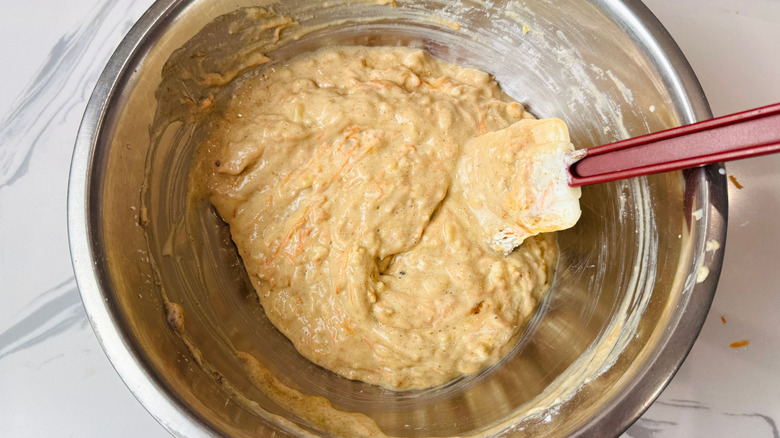
The primary challenge in pancake production is the prevention of gluten over-development. When flour is over-mixed with wet ingredients, the gluten network becomes too tight, resulting in a rubbery texture rather than a light, airy crumb. To mitigate this, professional kitchen standards dictate a "fold-in" method: the dry ingredients should be added to the wet mixture and incorporated only until the last streak of flour disappears.
Furthermore, the rest period is a scientifically documented necessity. Allowing the batter to sit for 15 to 30 minutes before hitting the skillet allows the starches in the flour to hydrate and the baking powder to activate, leading to a more consistent rise.
Chronological Preparation Guide
For home cooks aiming to replicate this recipe, the process is best approached in three distinct phases:
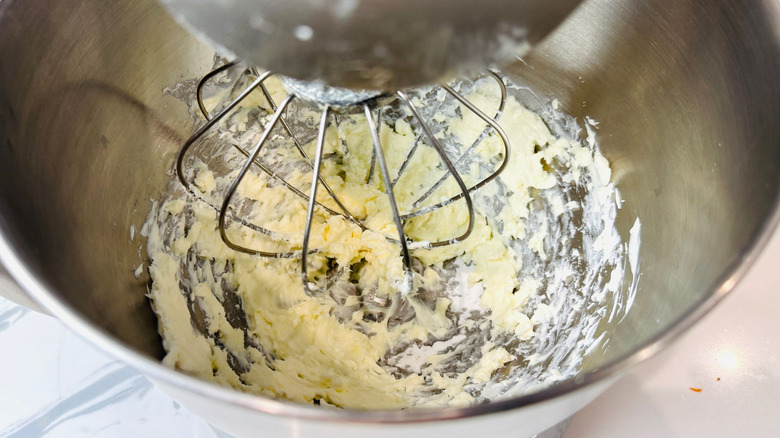
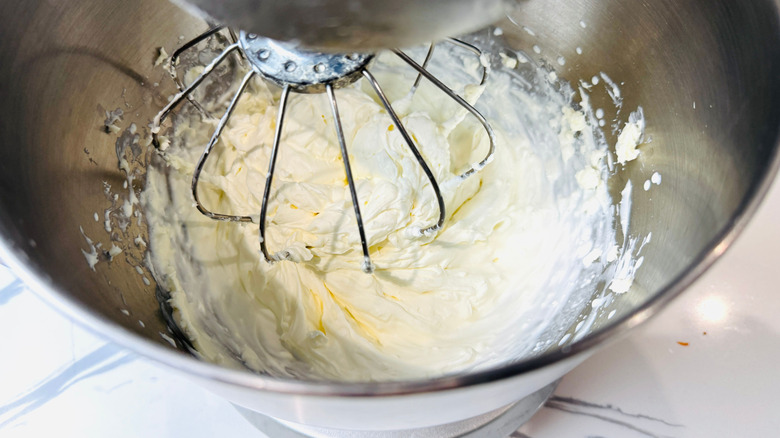
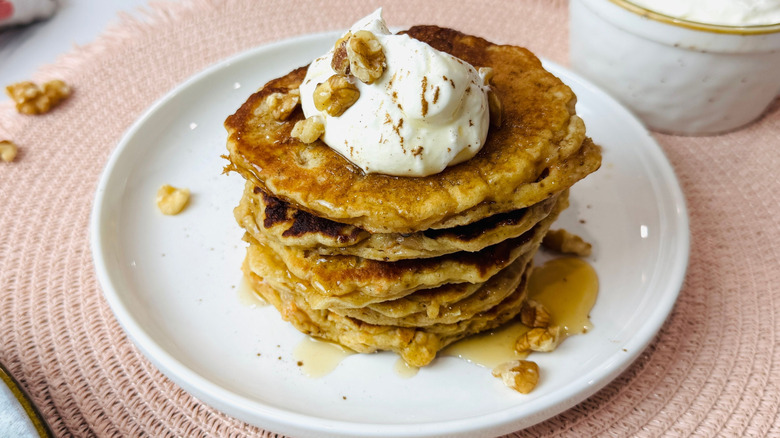
- The Topping Preparation (Phase I): This should be performed first. By whipping softened cream cheese with confectioners’ sugar, vanilla bean extract, and heavy cream until it reaches soft-to-medium peaks, the chef ensures the topping is ready and chilled. This creates a temperature contrast—a warm pancake paired with a cool, stable cream—which is essential for the final presentation.
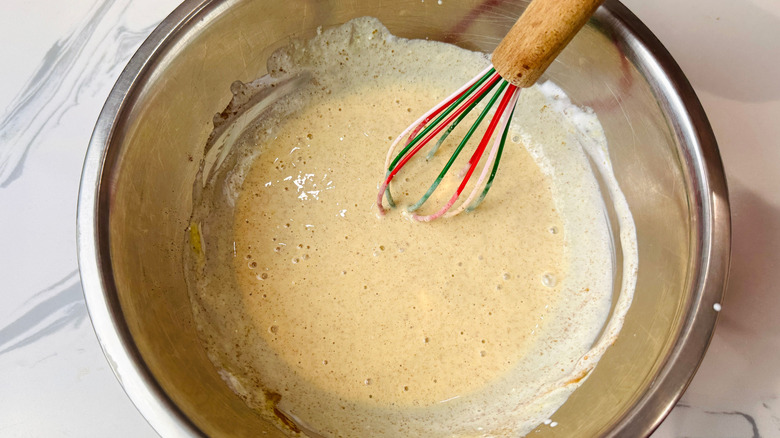
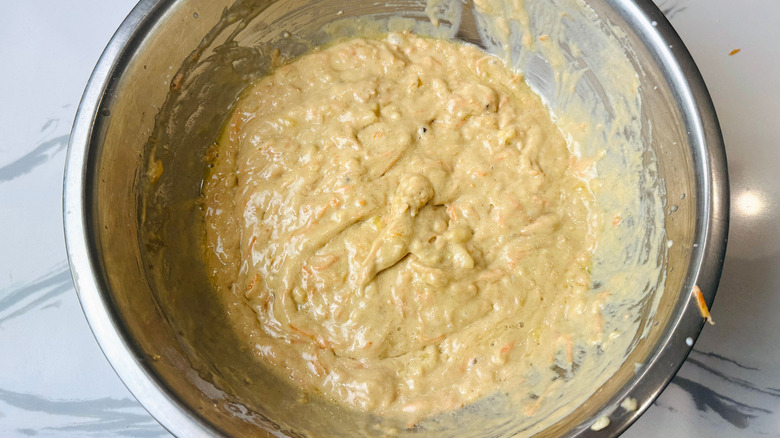
- The Batter Synthesis (Phase II): The wet ingredients, including the buttermilk and eggs, are whisked thoroughly before the dry components and the grated carrots are folded in. The addition of melted butter as a final step in the batter ensures a rich mouthfeel and helps prevent the pancakes from sticking to the pan.
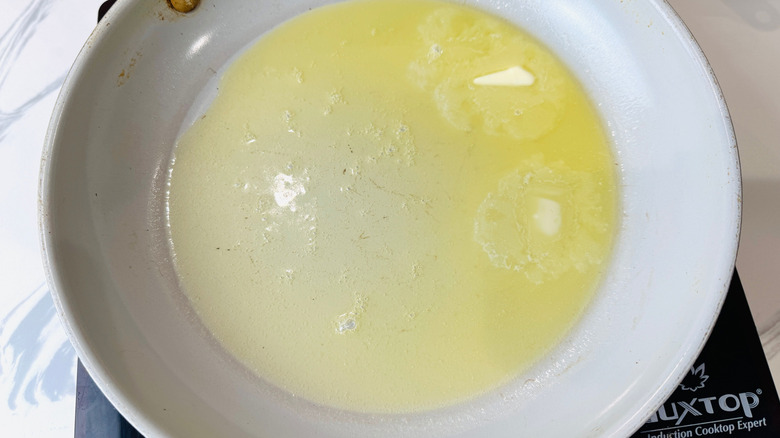
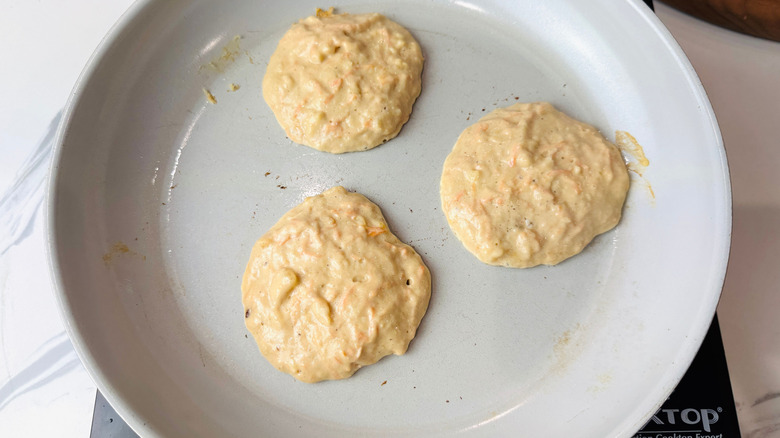
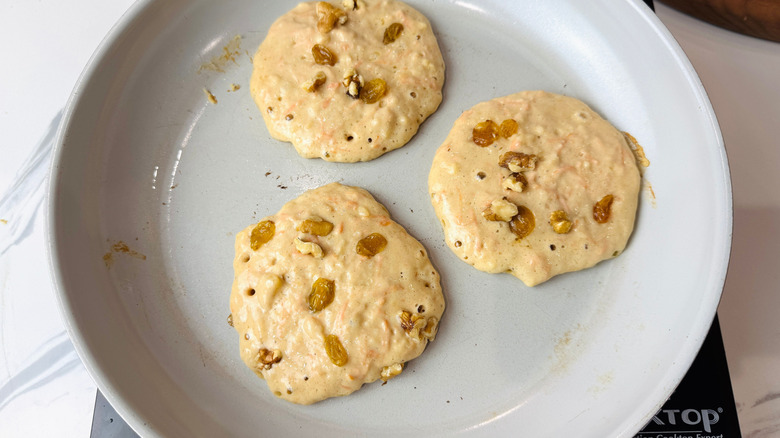
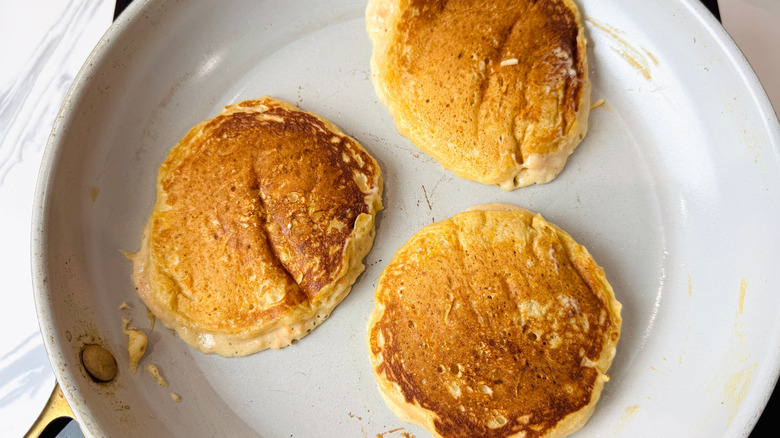
- Thermal Execution (Phase III): The use of a nonstick skillet at medium-low heat is vital. Because of the sugar content in the carrots and the added brown sugar, these pancakes have a lower smoke point and a higher propensity to caramelize quickly. Cooking at a lower temperature allows the interior to set without burning the exterior. The appearance of bubbles on the surface serves as the universal visual cue for the optimal time to flip the pancake.
Scalability and Make-Ahead Logistics
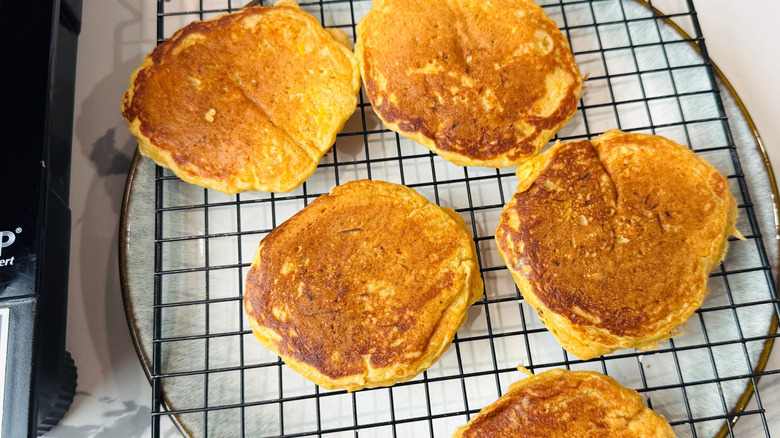
From a logistical standpoint, these pancakes are highly conducive to batch cooking. In the food service industry, high-volume production often utilizes a wire rack cooling method. By moving pancakes directly from the pan to a rack rather than a plate, the chef prevents the accumulation of steam on the bottom of the stack, which would otherwise lead to sogginess.
For those planning to store the pancakes, they remain shelf-stable in a refrigerator for up to three days. However, the freezer remains the preferred storage medium for long-term preservation. When frozen correctly in airtight, moisture-resistant bags, the pancakes retain their structural integrity for several months. Reheating is most effectively accomplished in a toaster or a preheated oven, which restores the crispness of the edges that is often lost in a microwave.
Broader Economic and Cultural Implications
The rise of such hybrid recipes reflects a broader trend in culinary media where home cooks are increasingly looking to bridge the gap between amateur baking and professional pastry work. As inflation and rising costs of eating out persist, consumers are seeking "gourmet" experiences at home. The carrot cake pancake, with its high-perceived value and use of accessible pantry staples, fits perfectly into this economic climate.
Furthermore, the shift toward incorporating vegetables into sweet dishes is seen by some nutritionists as a positive, albeit minor, step in increasing vegetable consumption across age demographics. While the sugar content remains significant, the inclusion of whole carrots and nuts provides a nutritional profile that is objectively more complex than traditional plain pancakes.
Professional Tips for Success
To ensure consistent quality, several industry standard tips should be observed:
- Precision in Measurement: Using a digital scale rather than volume-based measuring cups for flour can prevent the common issue of dry, dense pancakes caused by over-packing the flour.
- Freshness of Leavening Agents: Baking powder loses potency over time. For the fluffiest results, verify that the baking powder has not exceeded its shelf life.
- Heat Distribution: If using a larger griddle, ensure that the heat is distributed evenly across the surface. Variations in heat can lead to uneven coloring, which detracts from the visual appeal of the final stack.
- The "Resting" Principle: As noted previously, the 30-minute rest period is the single most effective way to improve the texture of the finished product, regardless of the specific ingredient ratios used.
By adhering to these technical guidelines, home cooks can successfully elevate a standard breakfast into a sophisticated, multi-layered culinary experience that honors the legacy of the classic carrot cake while embracing the innovation of modern breakfast dining.
