
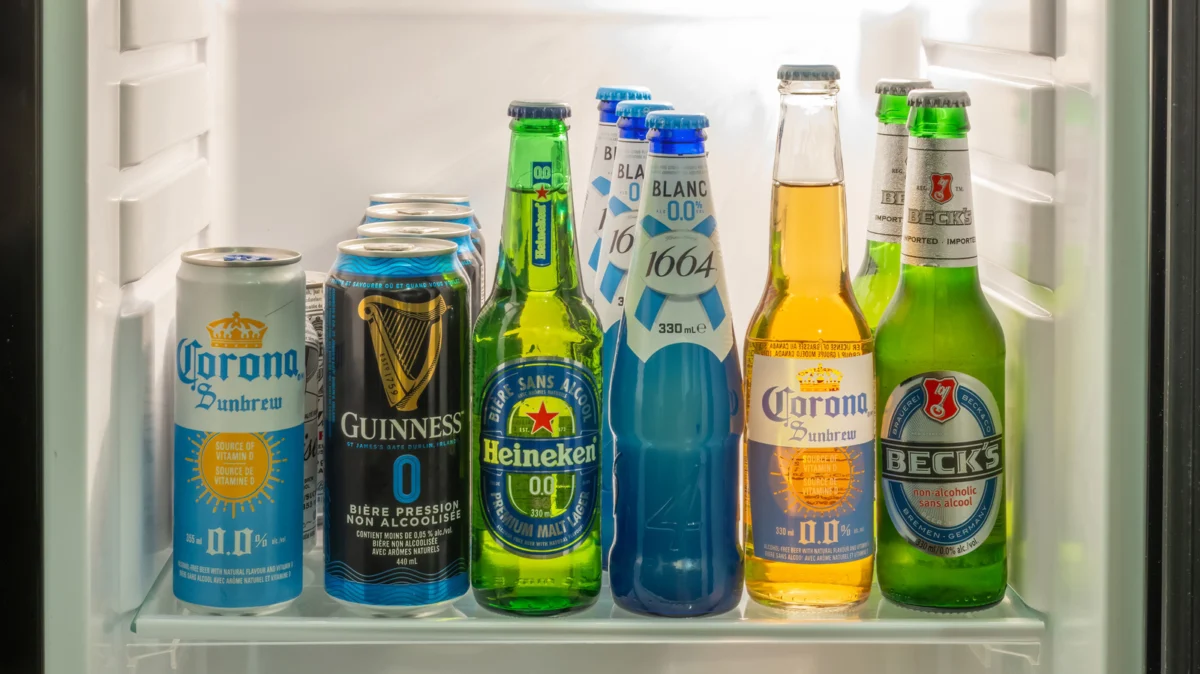
The landscape of American social gatherings has undergone a significant transformation over the past decade, characterized by a marked decline in alcohol consumption among younger demographics and a rising interest in health-conscious alternatives. Where once the non-alcoholic (NA) beverage category was limited to sugary sodas or carbonated water, the modern market now boasts a sophisticated array of non-alcoholic beers that mimic the complexity, mouthfeel, and aromatic profiles of their alcoholic counterparts. This shift, often attributed to the "sober-curious" movement, has forced major breweries and craft distillers alike to invest heavily in de-alcoholization technology, effectively closing the quality gap between traditional brews and NA options.
The Evolution of the Non-Alcoholic Brewing Industry
The history of non-alcoholic beer is long but stagnant; for decades, the process of removing alcohol often resulted in a "cooked" flavor, as vacuum distillation—a common method for alcohol removal—tended to strip away volatile hop aromas. However, advancements in brewing science, specifically in the realm of yeast management and membrane filtration, have revolutionized the sector. Brewers can now stop fermentation before high levels of alcohol are produced or use reverse osmosis to remove ethanol while retaining the delicate compounds responsible for the beer’s sensory appeal.
According to data from the International Wine and Spirit Record (IWSR), the no- and low-alcohol segment is expected to grow by a compound annual growth rate (CAGR) of 7% through 2027. This growth is not merely a niche trend but a structural change in the beverage industry, driven by consumers seeking to maintain the ritual of social drinking without the physiological consequences of ethanol intake.
Strategic Selections for Culinary Pairings
As outdoor dining and grilling seasons arrive, the integration of these beverages into cookout menus has become a primary focus for hosts. Selecting the right non-alcoholic beer requires an understanding of flavor profiles—much like wine pairing—to ensure the beverage complements the char, fat, and spice of grilled proteins.
The Golden Lager: Samuel Adams Golden
The Boston Beer Company’s entry into the space, Samuel Adams Golden, utilizes a traditional brewing process to deliver a crisp, lager-style profile. With less than 0.5% ABV, it serves as an ideal palate cleanser. The citrus notes inherent in the brew provide a necessary brightness to counteract the richness of grilled pork or poultry. Its medium body ensures it holds up against the smoke of a backyard grill without overwhelming the delicate flavor of white meats or shellfish.
The IPA Experience: Athletic Brewing Run Wild IPA
Athletic Brewing Company has arguably been the most influential player in the craft NA sector, proving that high-quality, hop-forward beers can exist without alcohol. The Run Wild IPA utilizes a blend of five Northwest hops, providing a pine-forward and citrus-heavy aroma. From a culinary standpoint, the high bitterness of this IPA is functionally useful; it cuts through the fat of red meats and balances the heat of spicy dishes like Buffalo wings or chili-infused sausages. Its dominance in international competitions, including gold medals at the US Open Beer Championship, underscores the industry’s validation of this category.
Belgian Heritage: Blue Moon Non-Alcoholic Belgian White
Drawing inspiration from traditional witbier styles, the Blue Moon Non-Alcoholic Belgian White incorporates Valencia orange peel and coriander. This wheat-based profile offers a creamy, textured mouthfeel that pairs exceptionally well with fermented sides like sauerkraut or grilled sausages. The slight acidity and spice profile make it a versatile choice for seafood-heavy cookouts where a lighter, more aromatic beer is preferred over a heavy stout.
Market Staples: Heineken 0.0
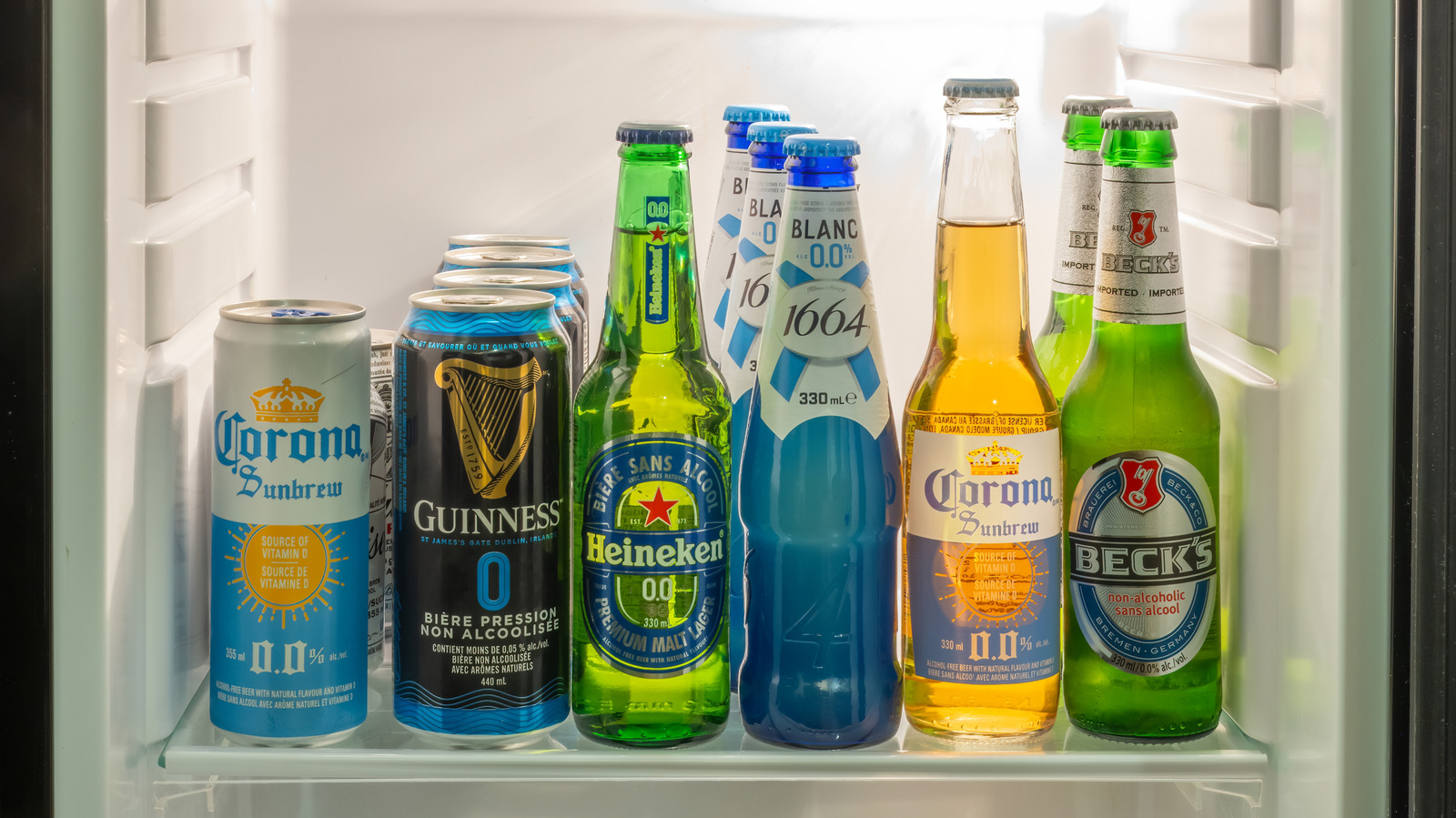
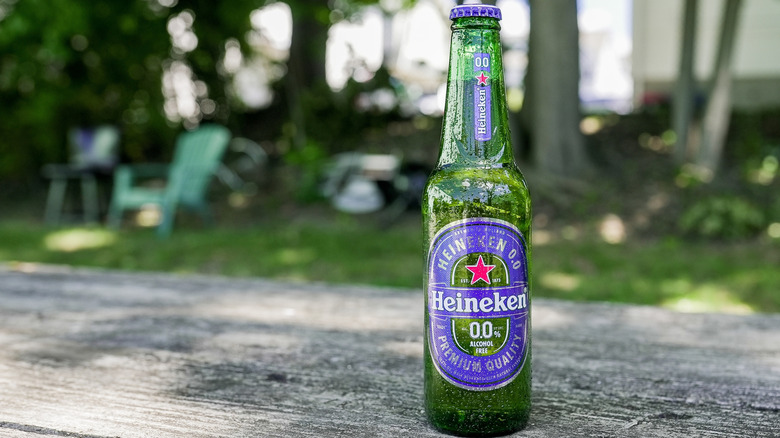
Heineken 0.0 represents the mainstreaming of the category. By utilizing a double-brewed process that removes alcohol naturally, the company maintains the brand’s recognizable taste. Its broad availability and consistent quality make it the default choice for large-scale events. Beyond direct consumption, it serves as an effective culinary ingredient; for instance, it is frequently used in "beer-can chicken" recipes, where the malt profile of the beer steams the poultry from the inside out, infusing moisture without the bitterness that can sometimes result from over-reduced alcoholic lagers.
Stout Depth: Guinness 0.0
The introduction of Guinness 0.0 was a watershed moment for the stout category. Replicating the nitrogenated, creamy head of the original, this version retains the roasted barley notes that are essential for pairing with heavy, savory cookout fare. It is particularly effective when served alongside brisket or other cuts of beef with significant marbling, as the roasted bitterness matches the charred bark of the meat.
The North American Pilsner: Labatt Blue 0 Non-Alc
For those seeking a straightforward, classic pilsner experience, Labatt Blue 0 Non-Alc provides a clean, dry finish. Its profile is characterized by a subtle pepperiness, which pairs well with grilled fish or burgers seasoned with robust spices. It is a highly reliable choice for large gatherings where a crowd-pleasing, neutral-but-flavorful option is required.
Complexity and Innovation: Big Drop and Clausthaler
Big Drop Brewing Co.’s Paradiso Citra IPA stands out for its aggressive use of Citra hops, resulting in a complex, fruit-forward profile. Its sharp finish makes it a sophisticated partner for fatty, slow-cooked meats like pulled pork.
Historically, the industry owes a debt to Clausthaler. As a pioneer in the 1970s, the brand established the viability of the market. Its Dry Hopped variant, which uses Cascade hops, provides a slightly more artisanal, tea-like malt profile. This beer is an excellent companion for complex cheese boards, such as those featuring Camembert or Fontina, which are increasingly popular as appetizer pairings at modern outdoor gatherings.
Brooklyn Brewery’s Contribution
The Non-Alcoholic Brooklyn Original (formerly Brooklyn Special Effects) rounds out the selection with its use of Sabro, Saphir, and Cascade hops. This American amber lager is designed for those who prefer a toasty, slightly malty base. Its ability to complement savory sandwiches and complex salads makes it a staple for hosts who prioritize a diverse menu that goes beyond simple burgers and hot dogs.
Broader Economic and Health Implications
The rise of high-quality non-alcoholic beer is shifting the hospitality industry’s bottom line. Restaurants and event caterers are increasingly reporting that their non-alcoholic beverage margins are improving as consumers move away from soda and toward premium-priced NA options.
From a public health perspective, the widespread availability of these products allows for a "harm reduction" approach to social drinking. By providing a product that satisfies the sensory desire for beer—the cold temperature, the carbonation, the hop bitterness—without the cognitive impairment of alcohol, these beverages allow for a more inclusive environment.
Industry analysts suggest that the next phase of this market will involve the integration of functional ingredients, such as adaptogens or nootropics, into these non-alcoholic brews. As the technology continues to mature, the distinction between "beer" and "non-alcoholic beer" is expected to diminish further in the consumer’s mind, cementing the latter as a permanent fixture in the American culinary landscape. Whether at a casual backyard grill-out or a formal event, the modern host now has a wide spectrum of tools to ensure that every guest, regardless of their relationship with alcohol, can enjoy a drink that is both culturally relevant and gastronomically compatible with the meal.
