
The Nutritional and Cultural Significance of Chicken Soup
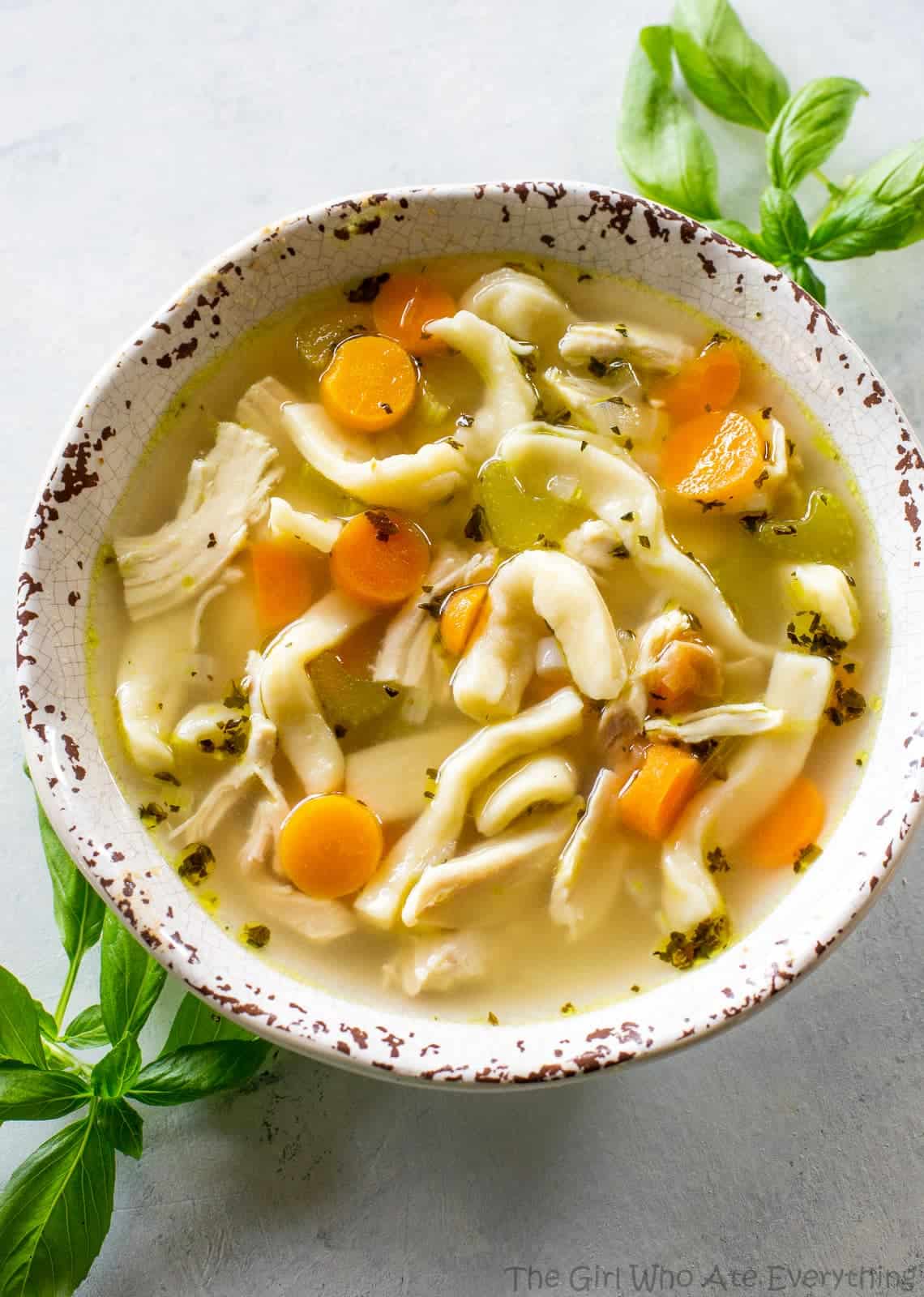
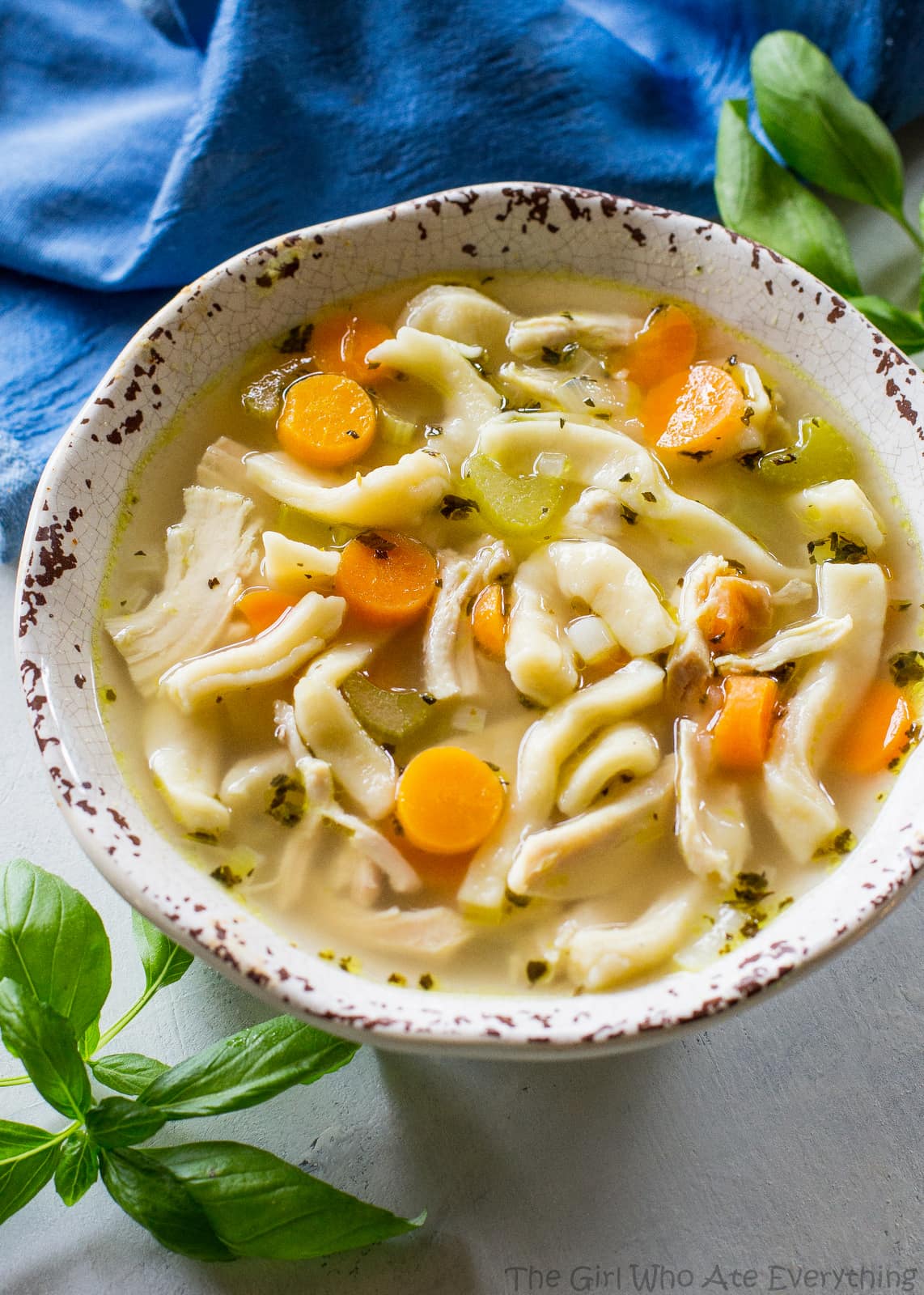
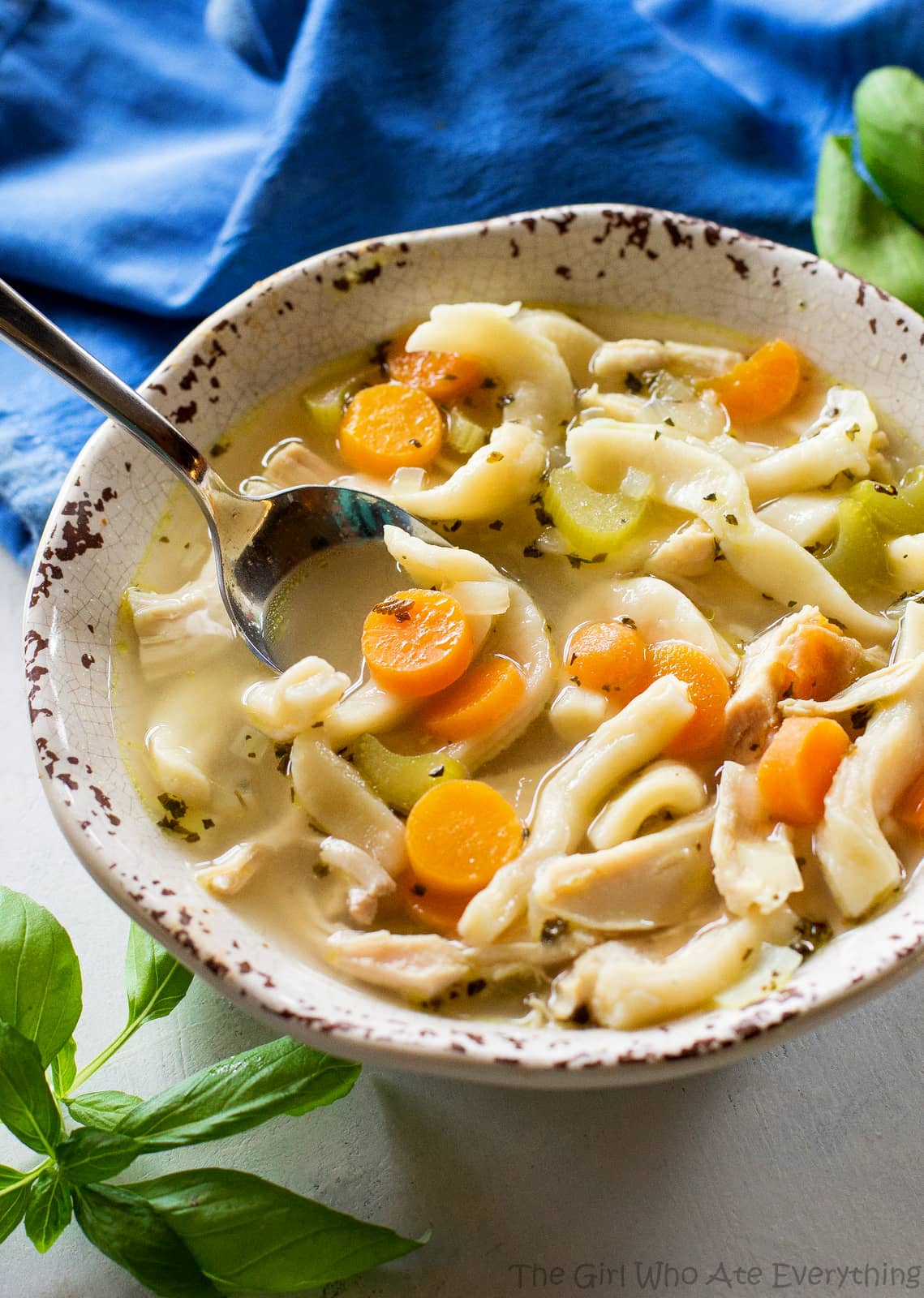
The cultural prominence of chicken noodle soup is rooted in its historical reputation as a "restorative" food. Often associated with the recovery process from common seasonal illnesses, the soup serves as a vehicle for hydration and essential nutrients. From a nutritional perspective, a standard bowl of chicken noodle soup provides a balance of lean protein from the chicken, essential vitamins from carrots and celery, and complex carbohydrates from the pasta.
Recent culinary trends indicate a move toward scratch-made components, particularly noodles. While the industrialization of food has made high-quality pre-packaged egg noodles readily available, the process of creating pasta from scratch—typically involving only flour and eggs—remains a highly regarded skill. Data from home cooking surveys suggest that "comfort" remains the primary driver for consumers selecting dinner options during the fourth quarter of the year, with chicken soup ranking consistently in the top three most prepared recipes for families during the post-Halloween period.
Historical Context and Culinary Evolution
The origins of chicken noodle soup in the American household can be traced back to the migration patterns of European settlers who brought variations of bouillon and noodle-based soups to the United States. By the mid-20th century, the dish had become firmly entrenched in American pop culture as a symbol of domestic care.
The preparation technique has evolved significantly. Historically, soup was prepared using a "long-simmer" method, where a whole chicken was boiled to extract collagen and flavor from the bones, creating a nutrient-rich stock. Modern culinary practices, influenced by a faster-paced lifestyle, have introduced shortcuts such as utilizing pre-cooked rotisserie chicken or high-quality bouillon bases. Industry experts note that the use of concentrated chicken pastes, such as "Better Than Bouillon," has seen a 15% increase in popularity over the last decade, as consumers seek the depth of flavor associated with a long-simmered stock without the time commitment.
Chronology of Preparation and Best Practices
For those opting to prepare the dish from scratch, the process is generally broken down into three distinct phases to ensure optimal texture and flavor:
- The Base Development: The process begins with the "mirepoix"—a mixture of diced carrots, celery, and onions. Sautéing these aromatics in a small amount of fat is critical, as it releases the essential oils that form the foundation of the broth’s flavor profile.
- Stock and Protein Integration: Whether using a pre-made stock or a paste-based broth, the liquid must reach a steady simmer. The inclusion of herbs such as thyme, parsley, and bay leaves is recommended to enhance the savory notes of the chicken.
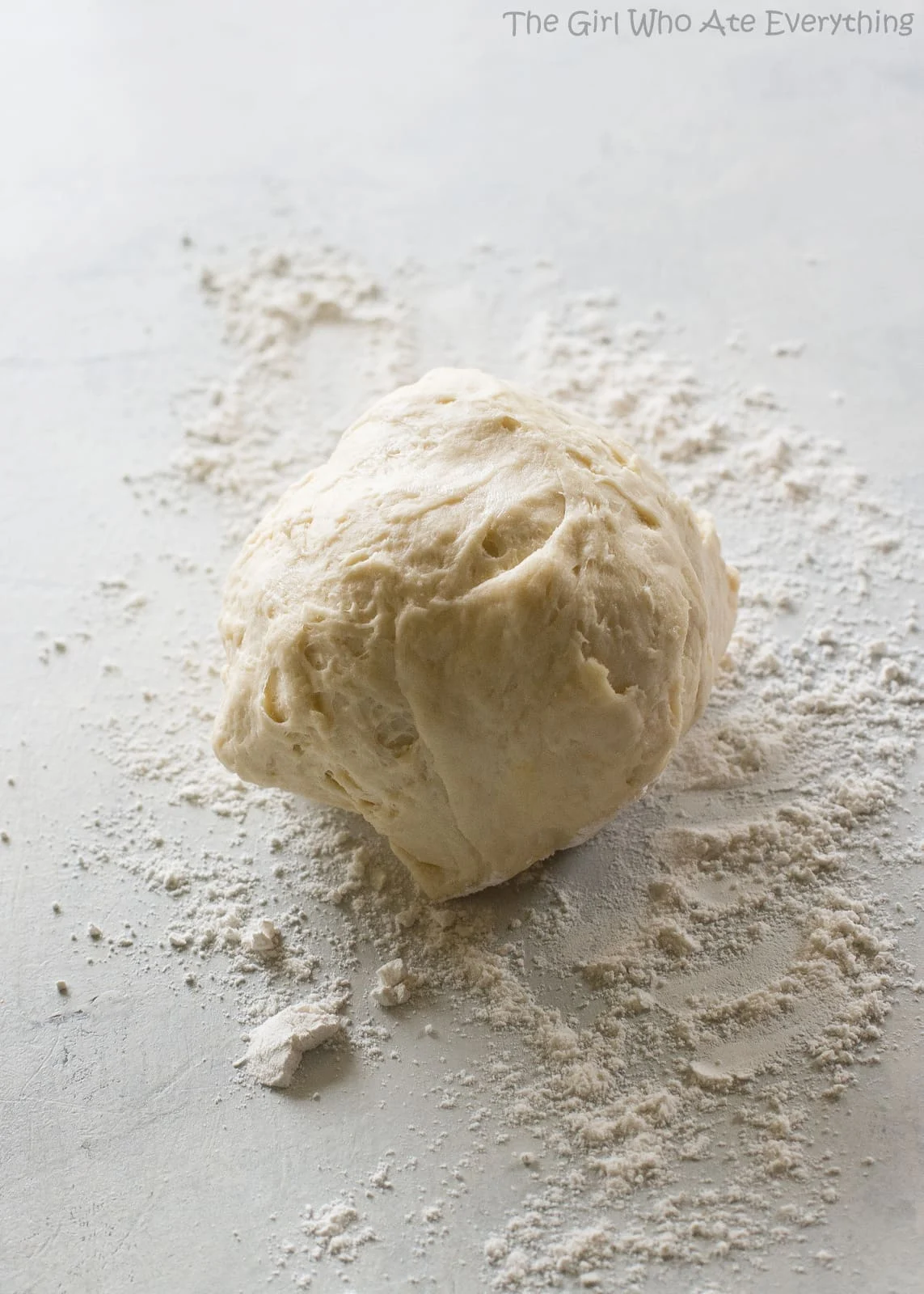
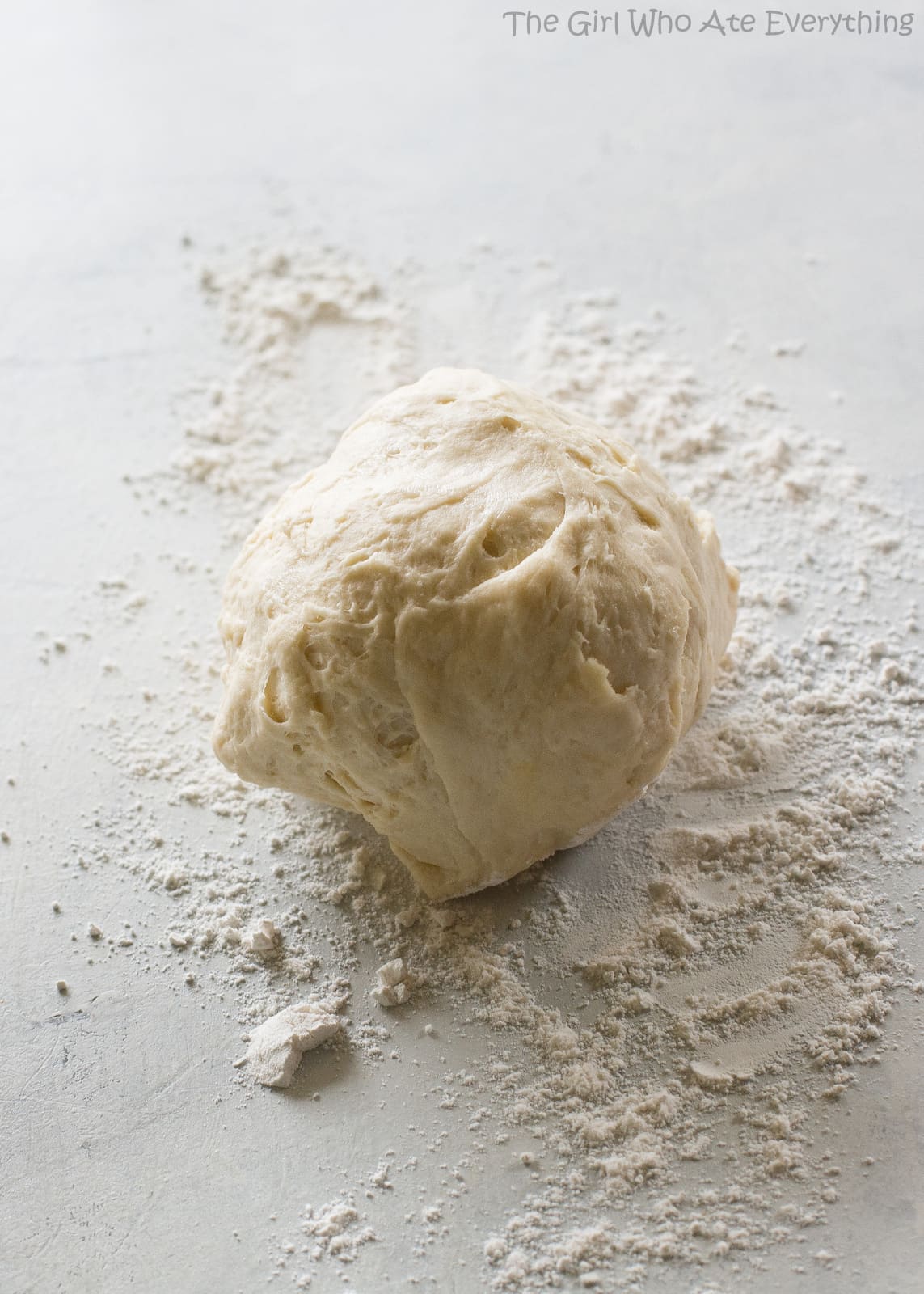
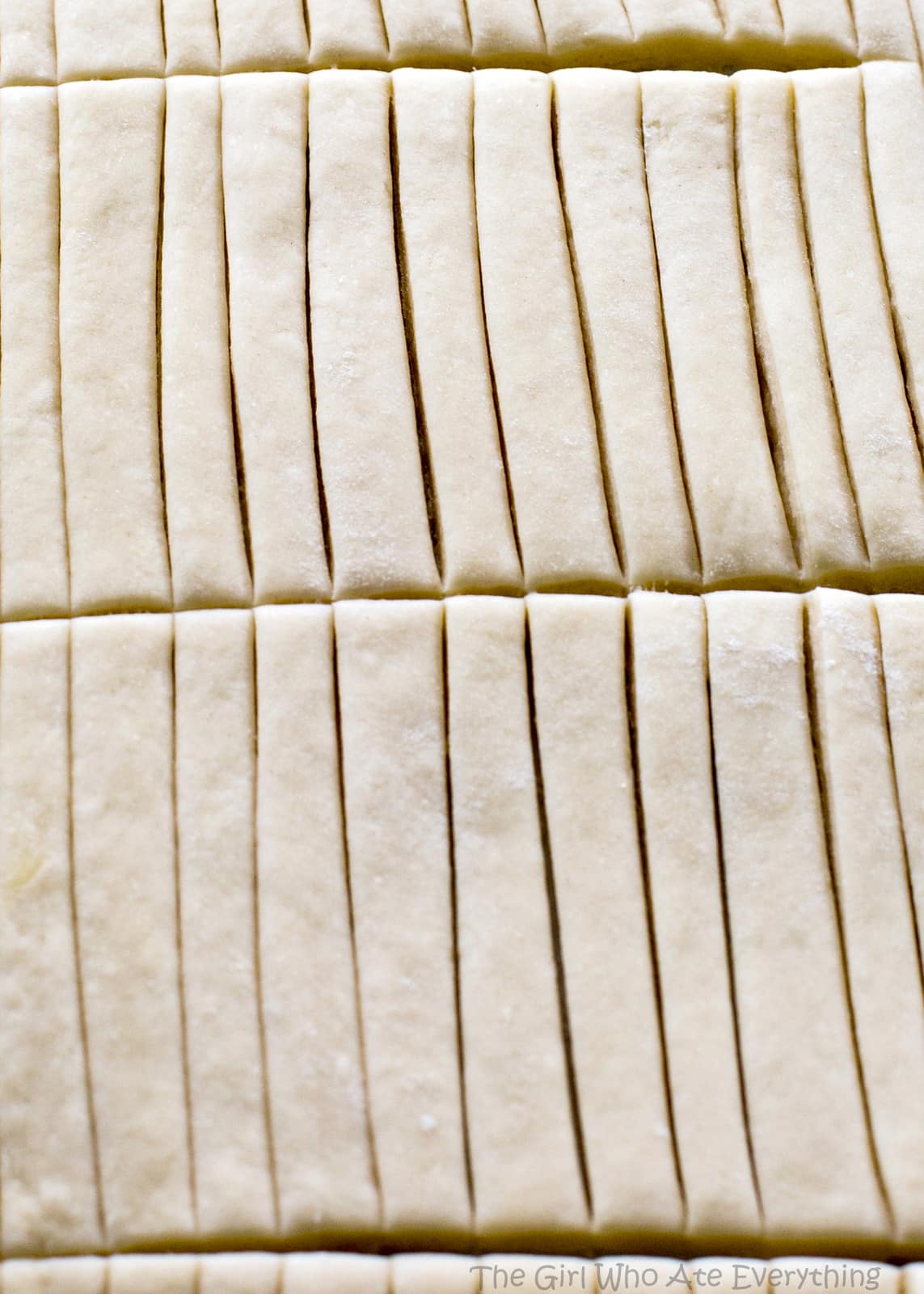
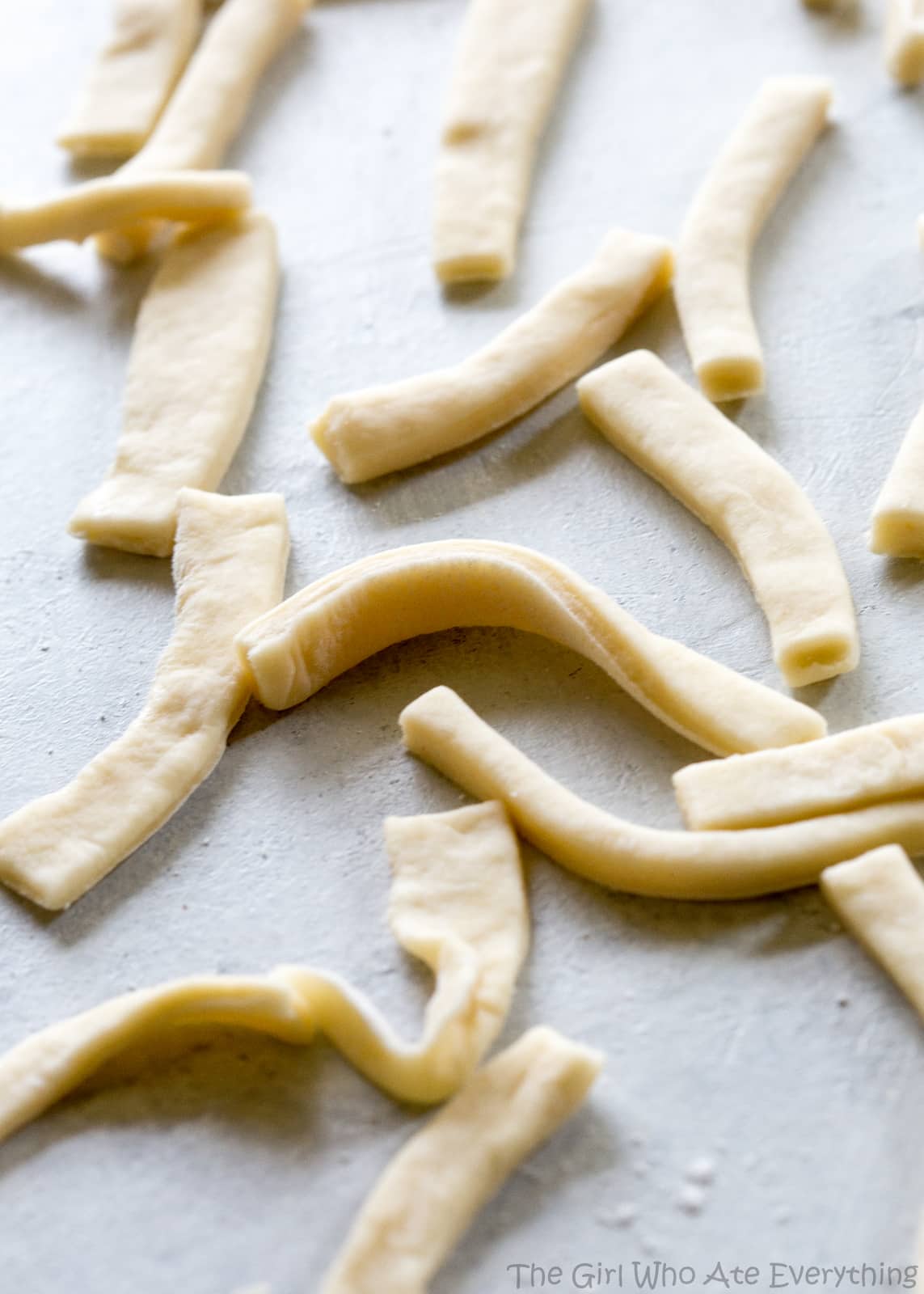
- The Noodle Inclusion: The final stage involves the noodles. When utilizing homemade noodles, they are typically rolled, cut, and allowed to dry for 30 to 60 minutes. This drying process is essential; it prevents the noodles from becoming overly gummy or disintegrating upon contact with the boiling liquid. Commercial egg noodles, by contrast, are formulated to remain stable for longer periods in boiling liquids.
Analysis of Ingredient Ratios
Culinary analysts emphasize that the success of a chicken noodle soup is highly dependent on the ratio of solid ingredients to liquid. A common error in domestic preparation is the imbalance of the noodle-to-broth ratio. Because noodles absorb liquid during the cooking process, the soup can quickly lose its desired consistency if the quantity of starch is not properly calibrated.
Data suggests that for a standard six-serving batch, the optimal ratio is approximately four cups of broth to two cups of cooked or raw noodles. Maintaining this ratio ensures that the dish retains its soup-like quality rather than transitioning into a pasta-heavy casserole. Furthermore, the addition of the protein should be timed toward the end of the cooking process to ensure the chicken remains tender and does not become fibrous or overcooked.
Consumer Feedback and Economic Considerations
The economic appeal of homemade chicken noodle soup is a significant factor in its continued popularity. The ingredients—onions, carrots, celery, and flour—are among the most affordable items in the grocery store. Even when accounting for the cost of poultry, the price-per-serving of a homemade soup is substantially lower than that of pre-packaged, shelf-stable, or refrigerated soup options.
Feedback from amateur chefs and home cooks indicates that the versatility of the recipe is a major draw. Readers of various culinary platforms frequently note that the dish is highly "forgiving," allowing for the substitution of various vegetables or the use of leftover protein from previous meals. This flexibility makes it an ideal candidate for meal-prep enthusiasts looking to maximize their grocery budget while minimizing food waste.
Broader Implications of Comfort Food Trends
The rise in the popularity of "tried and true" recipes represents a broader societal shift toward prioritizing domesticity and traditional cooking methods. Market research suggests that as economic uncertainty persists, consumers are retreating from high-cost dining options in favor of "low-cost, high-comfort" meals. The emotional connection to food—often referred to as "nostalgia eating"—is a documented phenomenon where consumers choose meals that remind them of childhood or parental care.
In the case of chicken noodle soup, the recipe serves not just as a meal, but as a psychological anchor. The process of chopping vegetables and kneading dough provides a tactile, meditative experience that contrasts with the digital nature of modern work. As such, the recipe is unlikely to lose its status as a staple of the American diet.
Standardized Preparation Guidelines
For those interested in maintaining a consistent quality of output, the following parameters are suggested:
- Temperature Control: Keep the broth at a low simmer rather than a rolling boil. High heat can cause the noodles to break down prematurely and can make the chicken tough.
- Resting Period: Allowing the finished soup to rest for five to ten minutes before serving allows the flavors to meld and the starches to stabilize.
- Noodle Management: If preparing a large batch for future consumption, it is advisable to store the noodles and the broth separately. This prevents the noodles from soaking up all the liquid while in the refrigerator, which is the primary cause of poor-quality leftovers.
Conclusion
Homemade chicken noodle soup remains an essential culinary skill and a reliable dietary staple. By understanding the chemical properties of the ingredients—specifically the starch-liquid interaction—and following a structured preparation timeline, home cooks can replicate the quality of professional-grade comfort food. Whether utilizing traditional flour-and-egg noodles or opting for high-quality commercial alternatives, the dish continues to provide significant nutritional value, economic efficiency, and emotional satisfaction. As culinary practices continue to evolve, the fundamentals of this classic soup remain a testament to the enduring nature of simple, well-executed comfort cooking.
