
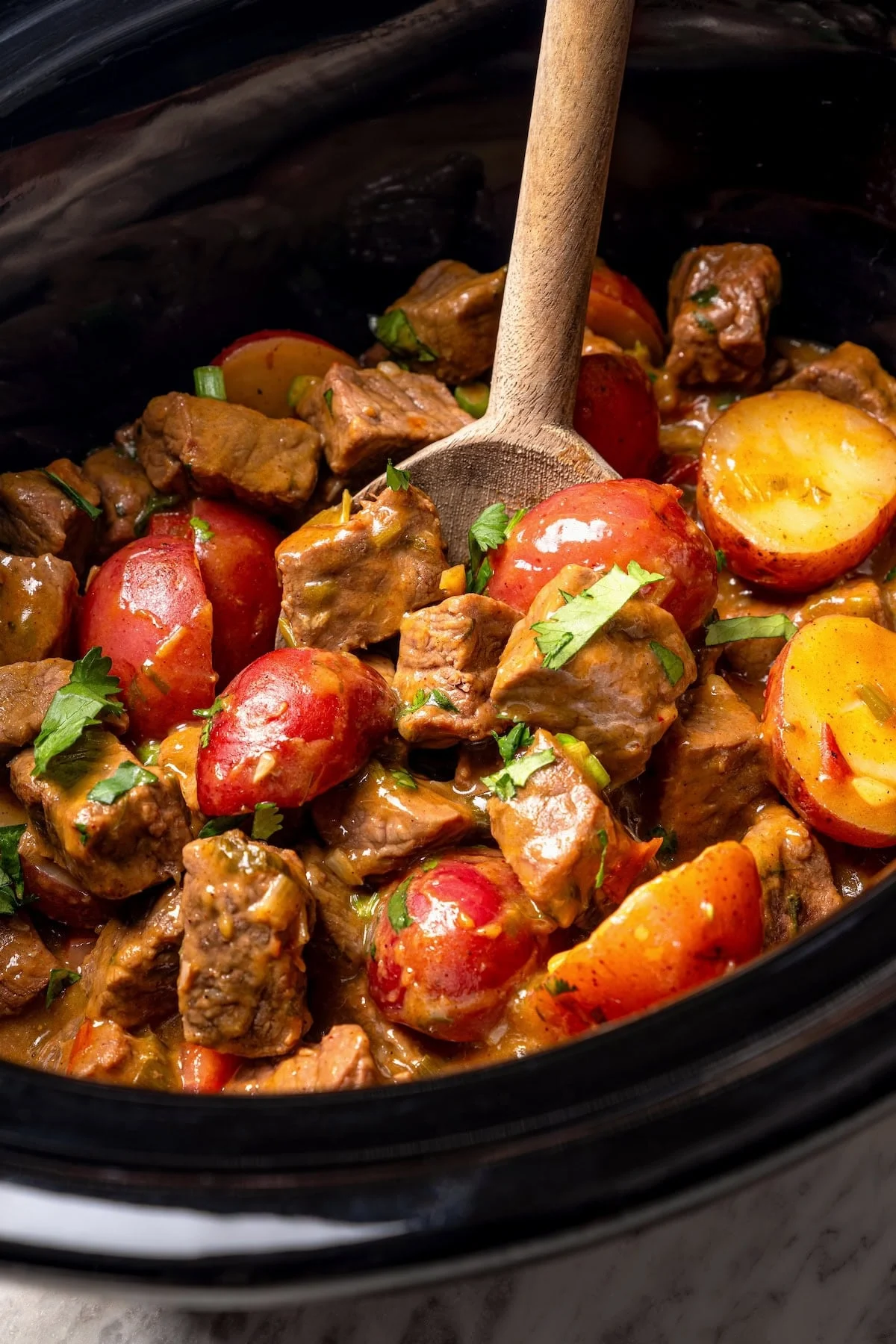
The cultural significance of beef stew within Latin American culinary traditions cannot be overstated, particularly concerning the dish known as carne guisada. Historically, this slow-cooked preparation has served as a staple for families across Colombia and broader Latin America, relying on the principle of braising tougher cuts of meat until they reach a state of tender perfection. While traditionally prepared in heavy-bottomed pots over a stovetop, modern culinary trends have shifted toward the integration of appliance-based cooking methods, specifically the slow cooker, to accommodate the demands of contemporary lifestyles. This transition from stove to crock pot represents a broader movement in home cooking: the preservation of heritage flavors through the lens of convenience.
The Historical and Cultural Context of Carne Guisada
Carne guisada is more than a mere meal; it is a manifestation of historical trade and indigenous agricultural practices. The term itself, derived from the Spanish verb "guisar," which refers to the act of stewing, highlights the fundamental technique used to transform inexpensive, fibrous cuts of beef into a rich, flavorful dish. In Colombia and surrounding regions, the stew typically incorporates a "hogao"—a foundational sauce made of sautéed tomatoes, onions, garlic, and varied spices.
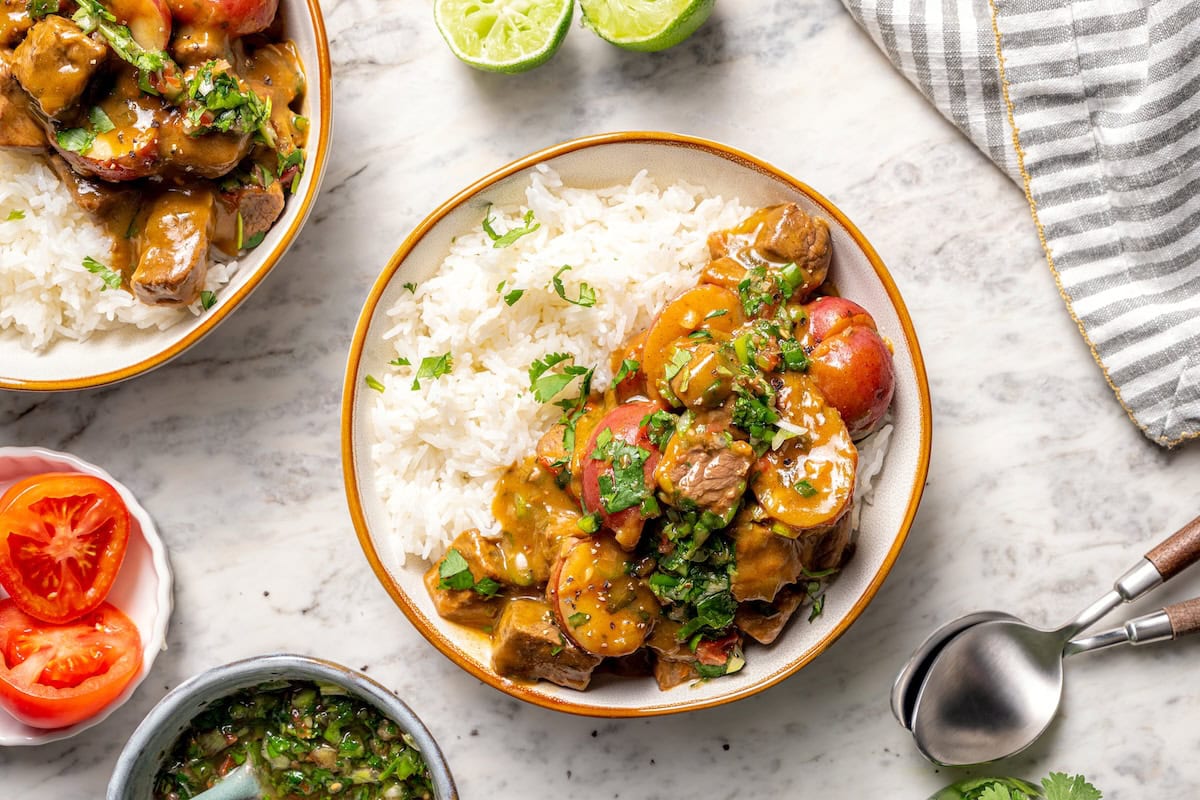
Historically, the preparation of this dish was a time-intensive process that required a cook to remain tethered to the kitchen to monitor heat levels and fluid levels. In agrarian and early urban households, this was manageable; however, as work-life patterns shifted throughout the late 20th and early 21st centuries, the frequency of such labor-intensive recipes began to decline. The introduction of the electric slow cooker—a device that gained massive popularity in the 1970s and 1980s—provided a mechanism to replicate the slow-braising process without constant supervision.
Bridging Tradition and Modern Technology
The adaptation of carne guisada for the slow cooker involves a delicate balance of chemical and thermal processes. To achieve the depth of flavor associated with the traditional stovetop method, chefs often recommend a "searing" phase. Searing, or the Maillard reaction, occurs when the surface of the meat is exposed to high heat, creating complex flavor compounds that cannot be replicated through liquid cooking alone.
By searing the beef before transferring it to the crock pot, the integrity of the dish is maintained while the slow cooker manages the prolonged, low-temperature cooking phase. This phase, usually lasting between six and eight hours, allows the connective tissues in the beef—primarily collagen—to break down into gelatin. This transformation is the scientific cornerstone of a successful stew, resulting in the characteristic "melt-in-your-mouth" texture that defines high-quality carne guisada.
Nutritional Profile and Dietary Implications
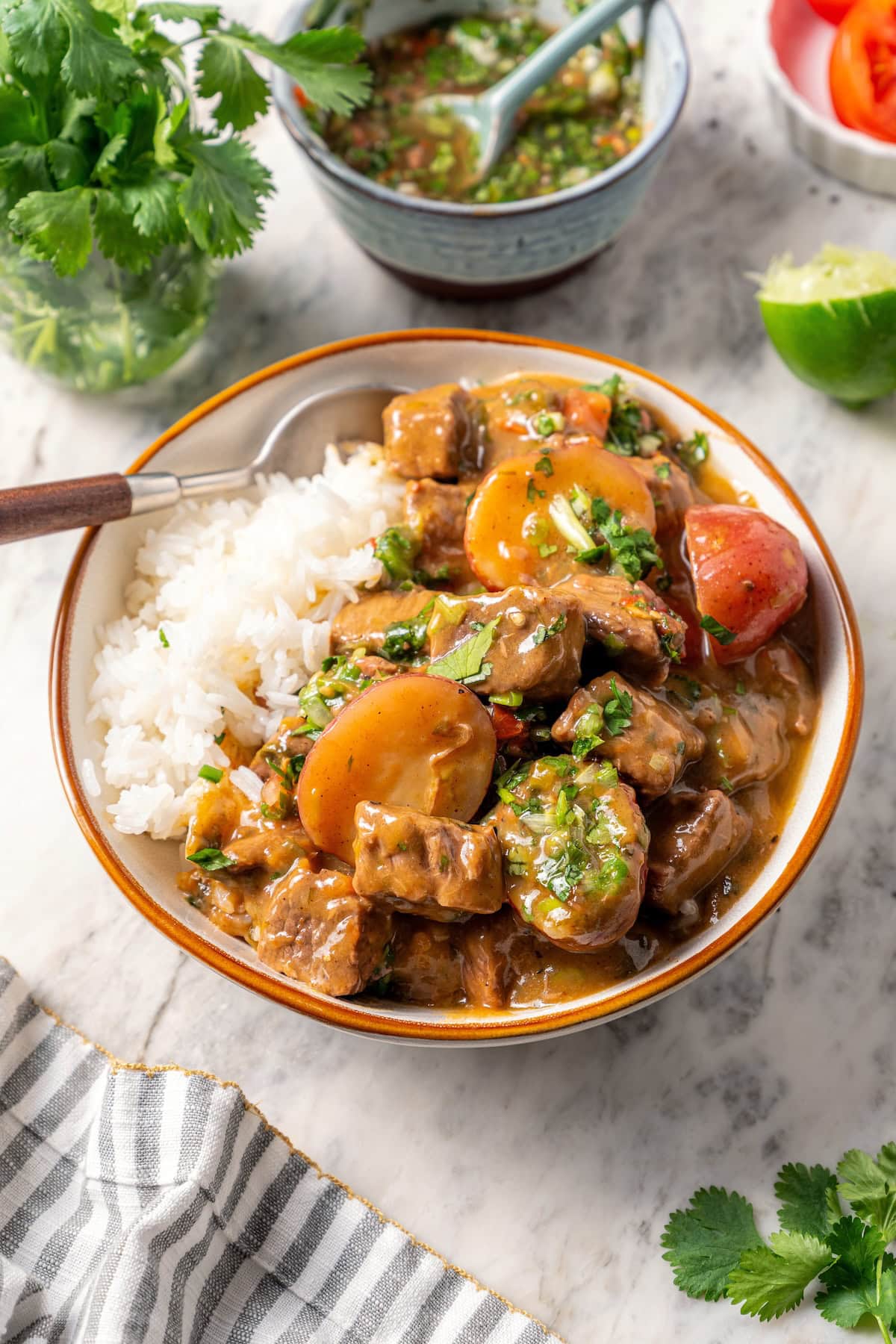
A standard serving of properly prepared carne guisada, typically defined as one generous cup, provides a dense nutritional profile. Data analysis of this specific slow-cooker variation reveals a calorie count of approximately 346 kcal per serving. Notably, the dish is high in protein, offering roughly 38 grams per serving, which is essential for muscle repair and satiety.
The carbohydrate content, derived primarily from baby potatoes and the vegetable base of the sauce, sits at approximately 19.5 grams. With 4 grams of dietary fiber and a moderate fat content of 12.5 grams—of which only 5 grams are saturated—the dish presents as a balanced, nutrient-dense option. The sodium content is monitored at approximately 340 mg per serving, which is relatively low compared to processed, store-bought alternatives, making it a favorable choice for home cooks looking to manage their dietary intake.
Culinary Methodology: The Process of Optimization
The shift to crock pot preparation has required a refined approach to ingredient management. Because the slow cooker creates a sealed environment with minimal evaporation, the moisture levels must be precisely calibrated. Unlike a stovetop pot, where liquid evaporates and concentrates the flavor, the slow cooker retains almost all moisture.

To compensate for this, culinary experts suggest the following technical adjustments:
- Reduction of Liquids: Start with less broth or water than a stovetop recipe, as the vegetables and meat will release their own juices during the cooking cycle.
- Potato Integrity: Baby potatoes are preferred over larger varieties because they maintain their structural integrity during long cooking times, preventing the stew from becoming starchy or overly thickened.
- Seasoning Timing: Bold seasonings—such as cumin, oregano, and achiote—are best applied during the initial searing phase to ensure they penetrate the meat fibers before the slow-cooking process begins.
Broader Impact on Home Cooking Trends
The adaptation of heritage recipes like carne guisada into slow-cooker-friendly formats has had a measurable impact on household meal planning. According to consumer data from food industry analysts, there has been a 15% increase in the search volume for "slow cooker comfort food" over the last decade. This trend suggests that consumers are seeking ways to maintain cultural connections to their food while simultaneously maximizing time efficiency.
Furthermore, the "batch cooking" capabilities of this dish align with modern waste-reduction efforts. Carne guisada is noted for its ability to improve in flavor upon reheating, as the spices and juices continue to marry over time. This makes it an ideal candidate for meal prep, allowing households to prepare a single, high-quality batch that provides several days of nutrition.

Expert Perspectives and Test Kitchen Insights
Test kitchens, such as those maintained by culinary influencers and nutritionists, emphasize that the success of the crock pot version relies on patience. While the machine handles the labor, the pre-cooking preparation remains the most critical factor. The consensus among professionals is that skipping the searing stage or failing to properly prepare the aromatics will result in a "boiled" flavor profile rather than a "stewed" one.
Additionally, professional chefs often suggest finishing the dish with fresh herbs, such as cilantro or parsley, immediately before serving. This adds a layer of brightness that cuts through the richness of the slow-cooked beef, providing a necessary sensory contrast that elevates the final product.
Storage and Safety Protocols
To ensure food safety and maintain quality, specific storage protocols are recommended. Once the cooking cycle is complete, the stew should be cooled rapidly. Placing the container in a refrigerator while it is still piping hot can raise the temperature of the fridge, risking the safety of other perishable items. Conversely, leaving the stew at room temperature for more than two hours poses a significant risk of bacterial growth.
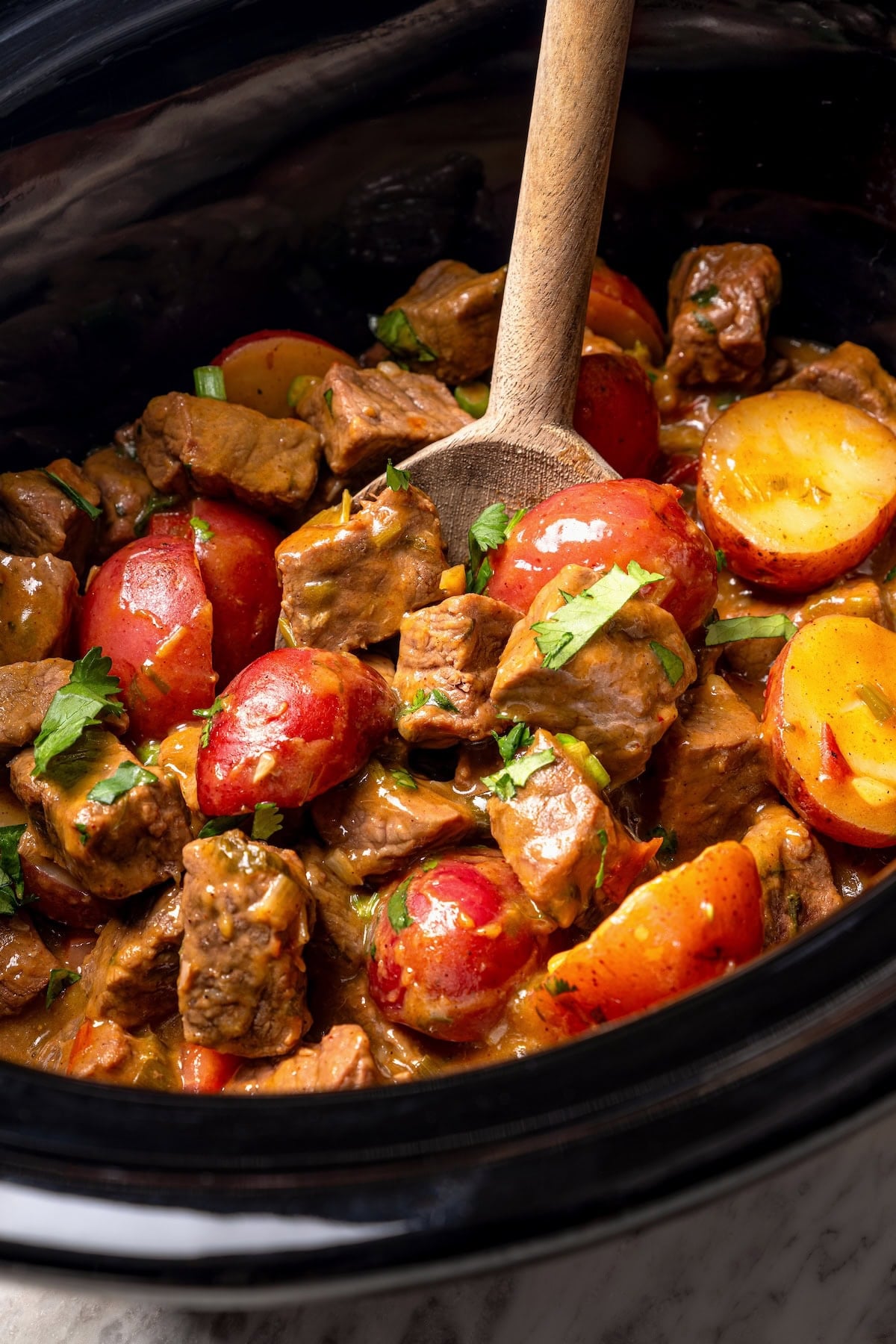
For optimal results, the dish should be portioned into shallow, airtight containers. This allows for faster cooling and easier reheating. When properly stored at 40°F (4°C) or below, the stew maintains its peak quality for up to three to four days. For long-term storage, the dish can be frozen; however, it is recommended to consume frozen portions within two to three months to avoid freezer burn and degradation of the vegetable textures.
Conclusion: The Future of Traditional Stews
The endurance of carne guisada in the modern culinary landscape is a testament to the dish’s versatility and its inherent satisfaction. By embracing the convenience of the crock pot, families can continue to enjoy a labor-intensive tradition that would otherwise be reserved for special occasions. As domestic technology continues to evolve, the ability to adapt these foundational recipes remains a vital skill for home cooks. Whether prepared for a large family gathering or as a staple for weekly meal preparation, the crock pot carne guisada stands as a bridge between the traditional hearth and the modern kitchen, proving that while methods of preparation may change, the desire for hearty, flavor-rich comfort food remains a constant in global culinary culture.
