
Historical Context and Regional Evolution
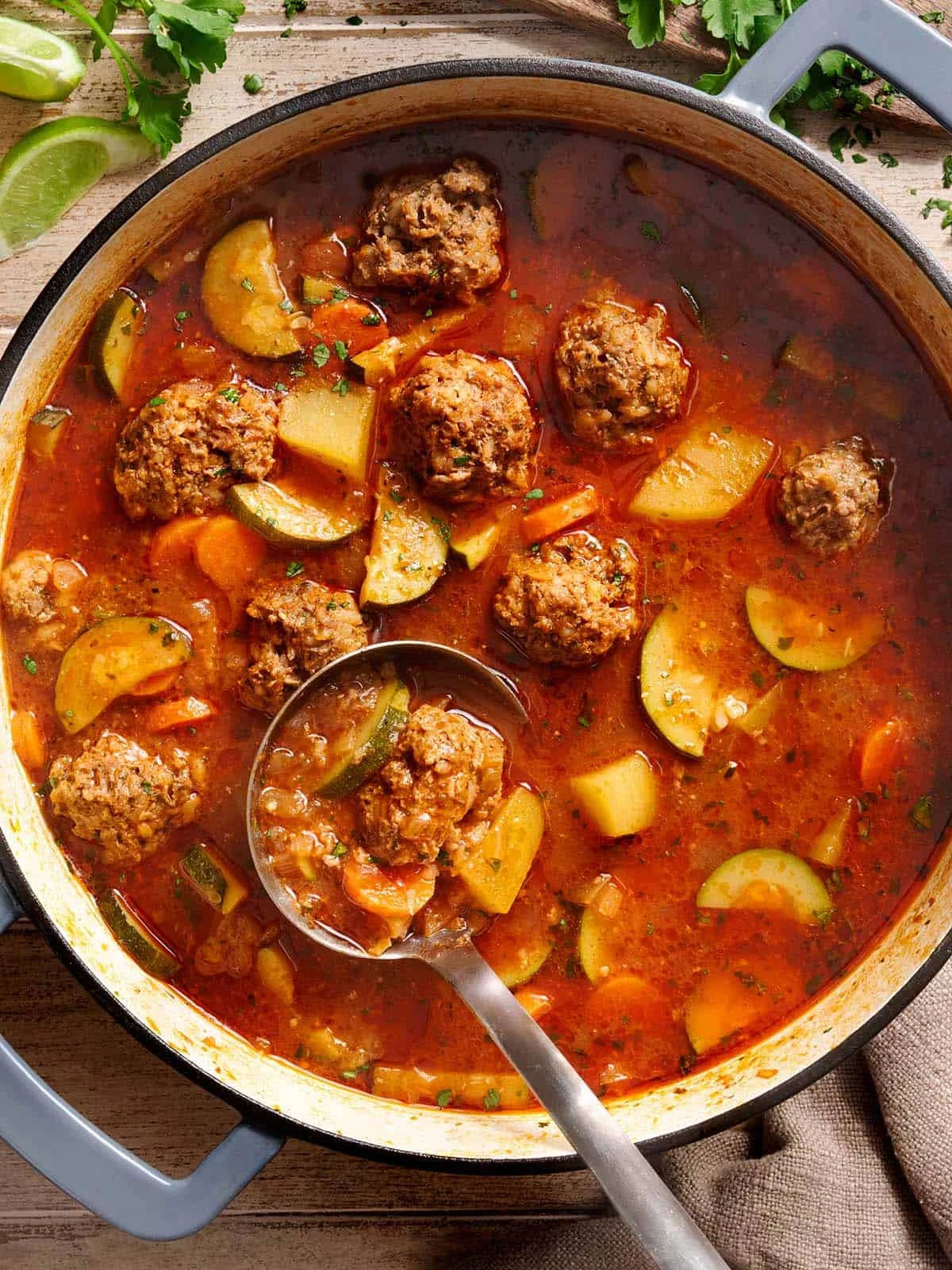
The transformation of the Spanish meatball into the Mexican soup known today as Albóndigas is a primary example of global culinary syncretism. Historically, Spanish meatballs were often prepared as dry, fried, or stewed protein components. Upon reaching Mexico, the dish underwent a process of localization. The arid climate and regional agricultural availability led to the creation of a broth-based preparation, allowing the meatballs to simmer in a liquid medium enriched with local aromatics.
In many Mexican households, the preparation of this soup is considered a foundational skill. Throughout the 20th century, as migration patterns shifted and cultural exchanges intensified, the dish became a staple in the United States, particularly within communities in the Southwest. Today, the soup is recognized not merely as a family meal, but as a culturally significant dish that highlights the versatility of ground proteins when combined with staple starches like rice.
Culinary Methodology and Technical Preparation
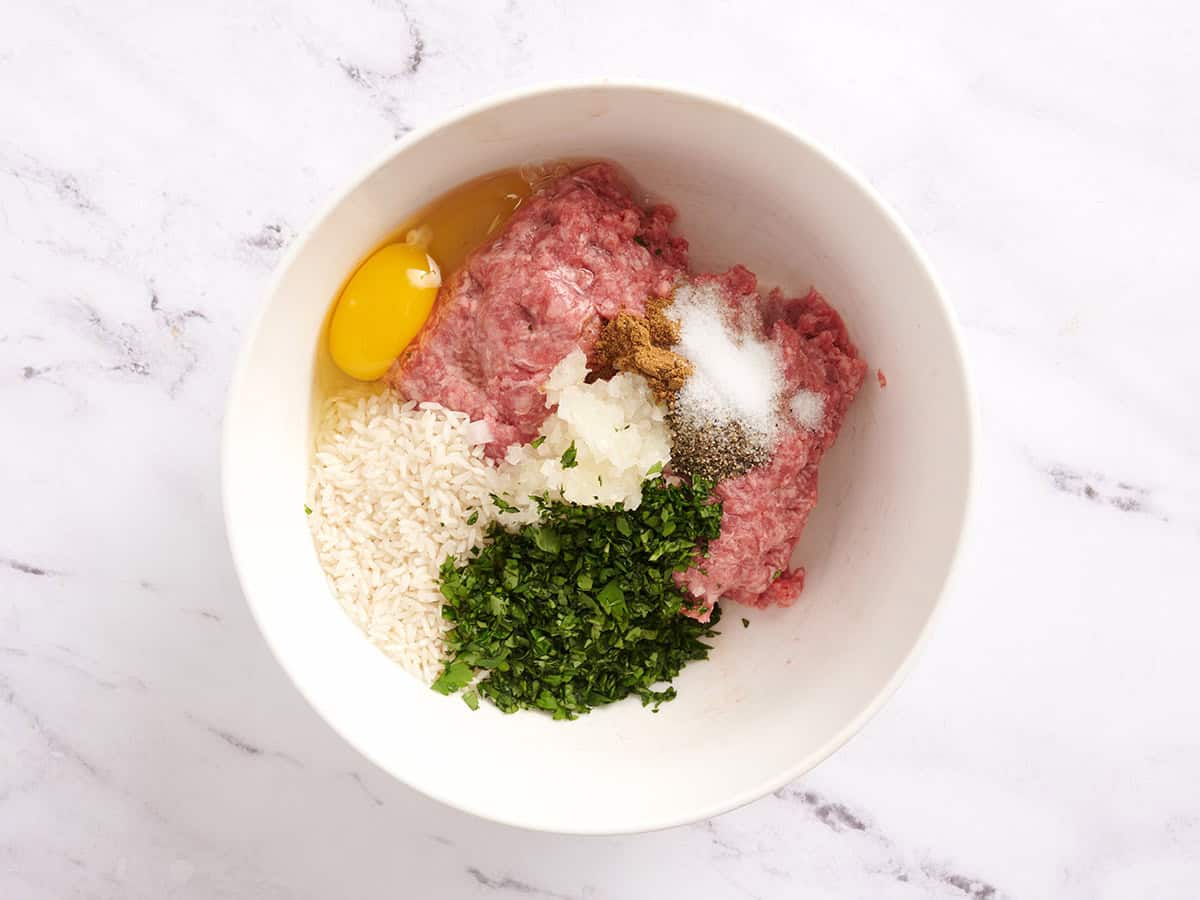
The contemporary preparation of albóndigas requires a specific technical balance to ensure both the structural integrity of the meatballs and the depth of the broth. Unlike standard meatballs, which frequently rely on breadcrumbs as a binding agent, traditional Mexican variations utilize uncooked rice. This serves a dual purpose: it acts as a gluten-free binder that expands during the simmering process, and it contributes to the thickening of the soup base.
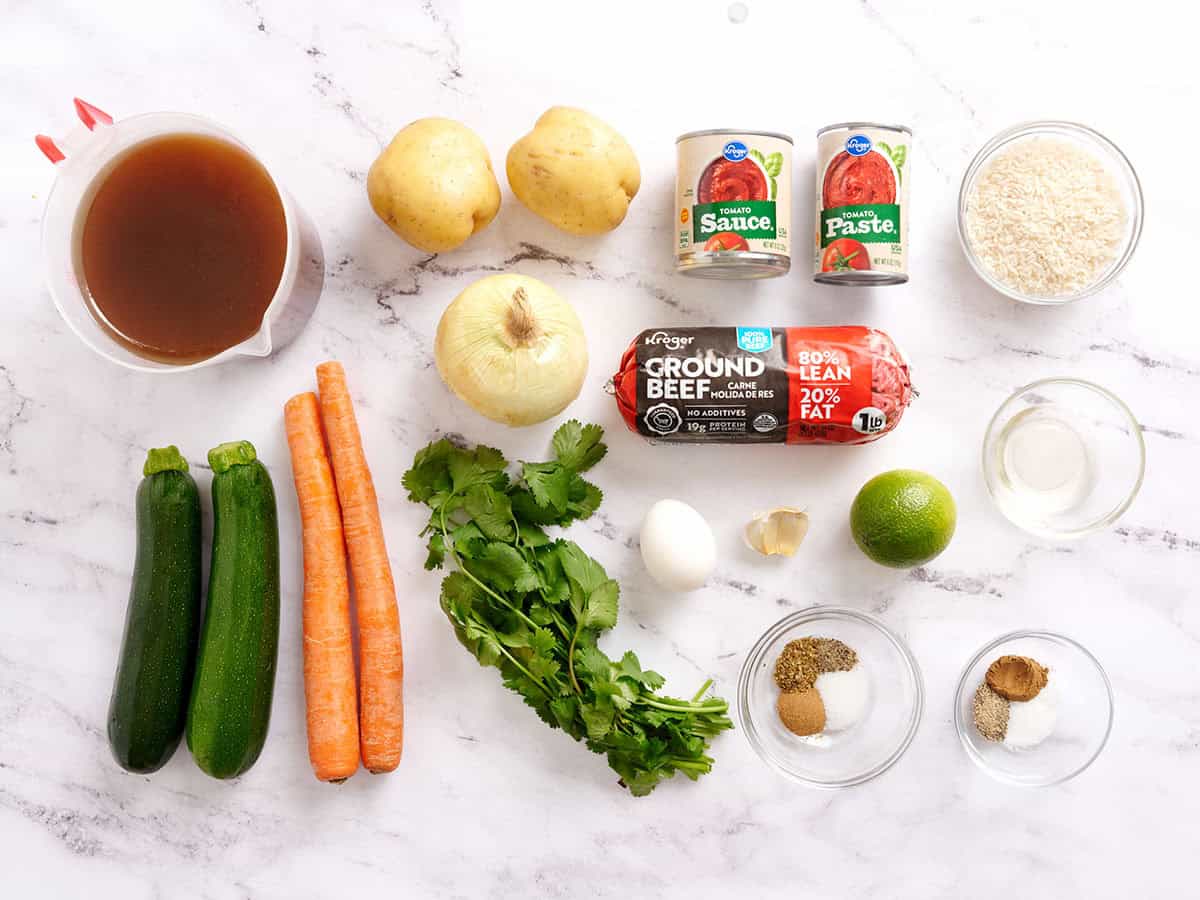
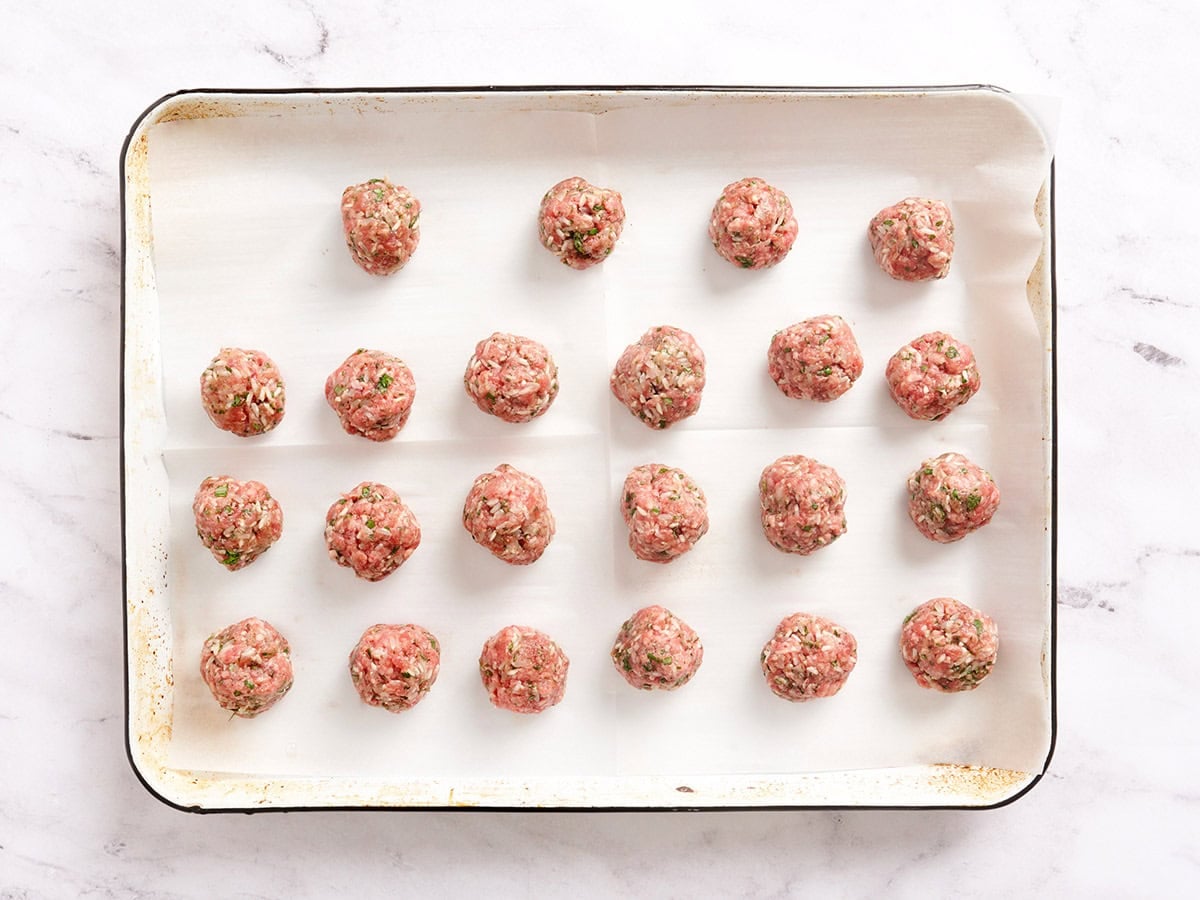
Professional kitchen testing in regional test facilities—such as those located in Nashville—has standardized the procedure for optimal results. The process begins with a lean ground beef base, combined with finely minced onions, garlic, and fresh cilantro to provide an herbaceous profile. The inclusion of cumin and oregano provides the signature warmth associated with Mexican cuisine. The meatballs are formed into uniform spheres of approximately 1.5 inches to ensure consistent cooking times.
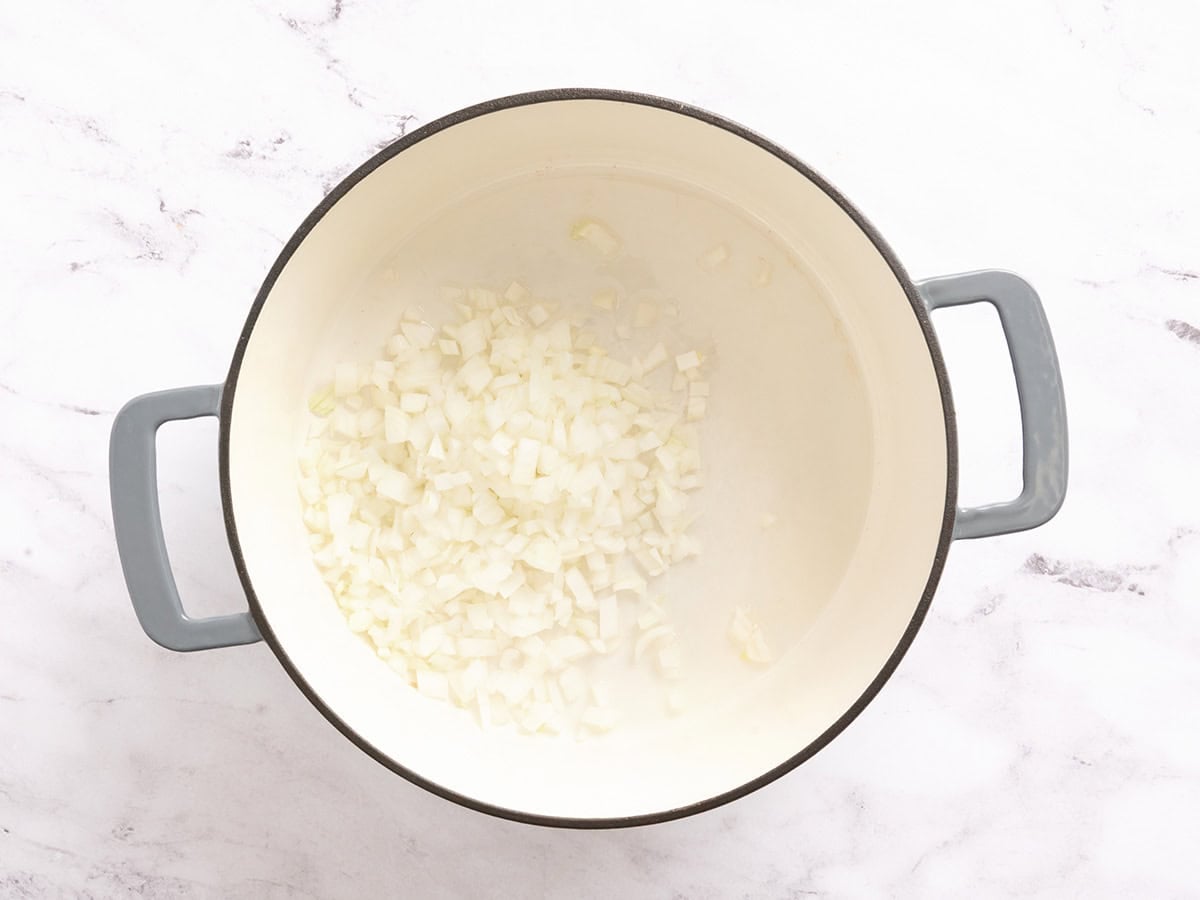
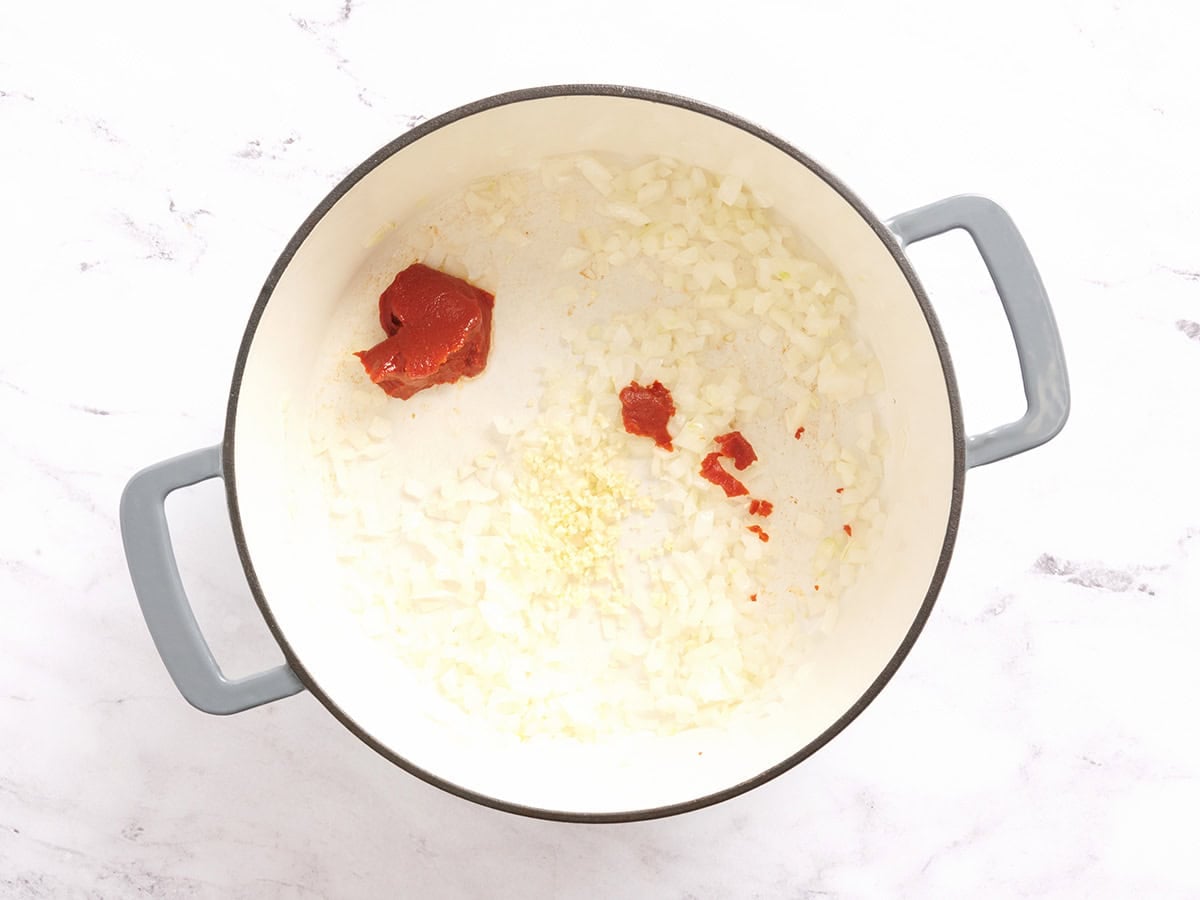
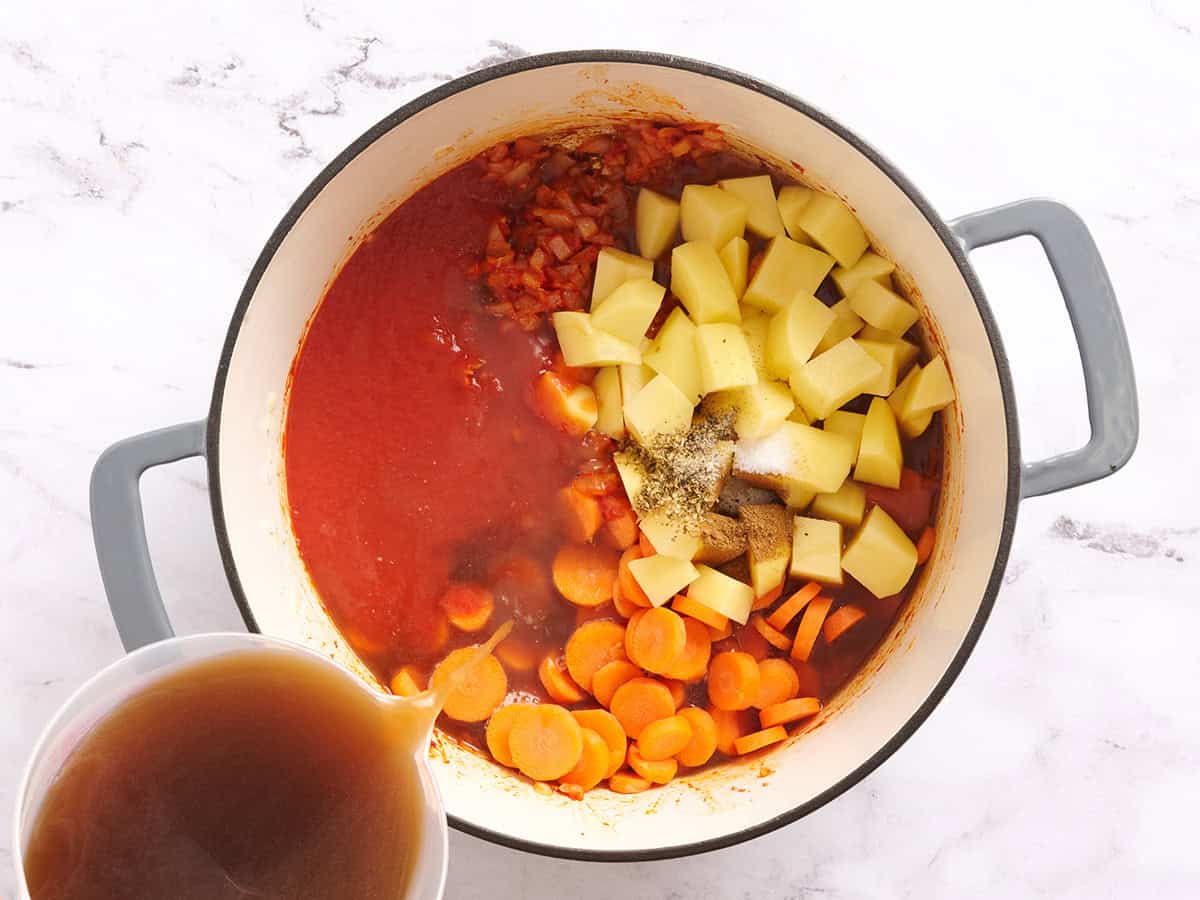
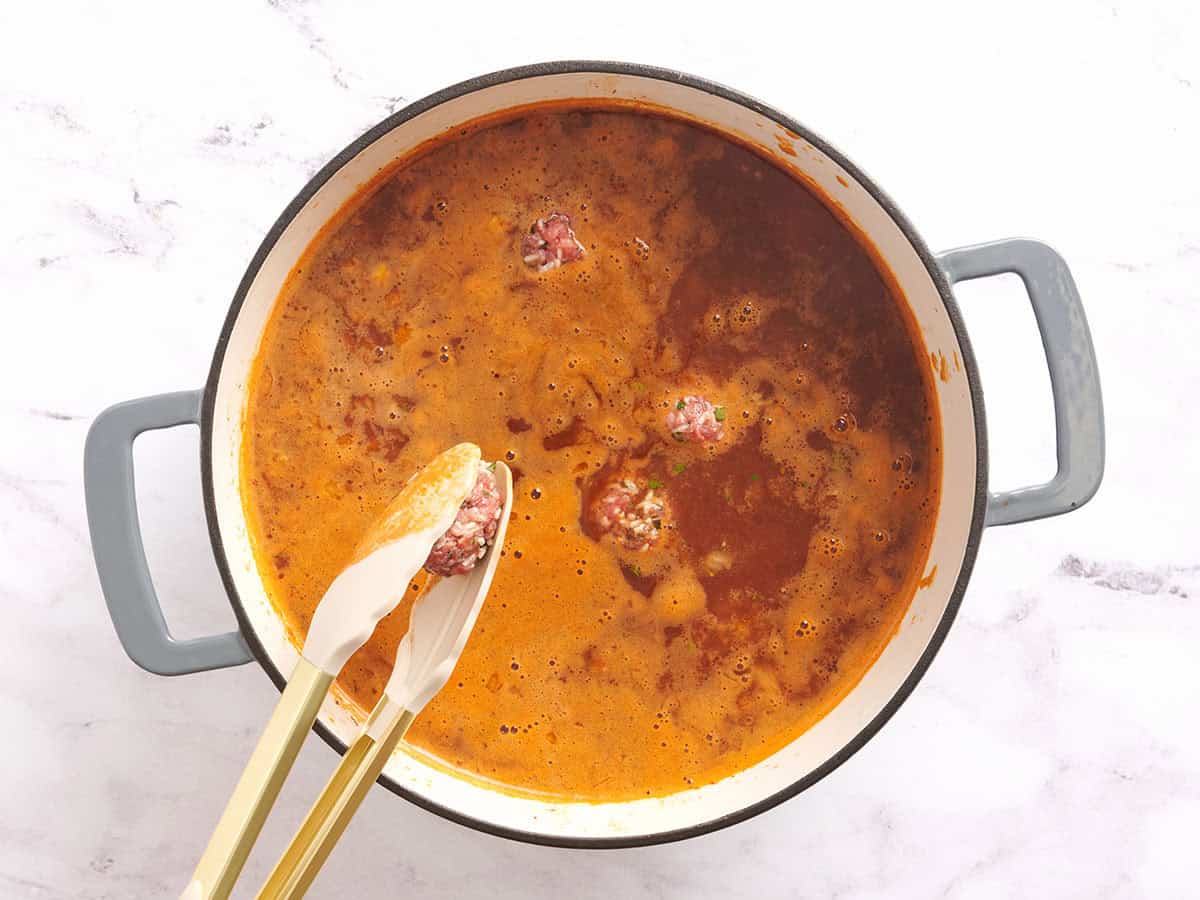
The broth-making process involves a base of sautéed onions and garlic, followed by the incorporation of tomato paste and tomato sauce. This combination provides the essential acidity required to balance the fat content of the meat. Once the liquid base is established, root vegetables like Yukon gold potatoes and carrots are introduced, followed by the addition of the meatballs. A critical instruction for home chefs is to avoid disturbing the pot for the first five minutes of the simmering process, as this allows the proteins to set, preventing the meatballs from disintegrating into the broth.
Nutritional Analysis and Dietary Implications
From a nutritional standpoint, this soup offers a balanced profile for a main course. Data indicates that a standard two-cup serving contains approximately 390 kilocalories. The macronutrient breakdown includes 21 grams of protein, which is largely derived from the beef, and 33 grams of carbohydrates, sourced from the rice and root vegetables. With 20 grams of fat and 4 grams of dietary fiber, the dish functions as a satiating meal that fits within various dietary frameworks, including those requiring gluten-free options.
However, consumers should be mindful of the sodium content. When using commercial broths or stocks, sodium levels can fluctuate significantly. The use of "Better Than Bouillon" or similar concentrated bases, while flavor-efficient, often contributes to a higher sodium count—approximately 1,799 mg per serving in standard configurations. Nutritionists suggest that home cooks monitor salt levels by tasting the broth periodically during the reduction phase rather than relying strictly on the salt levels listed on pre-packaged stock labels.
Economic Impact and Accessibility
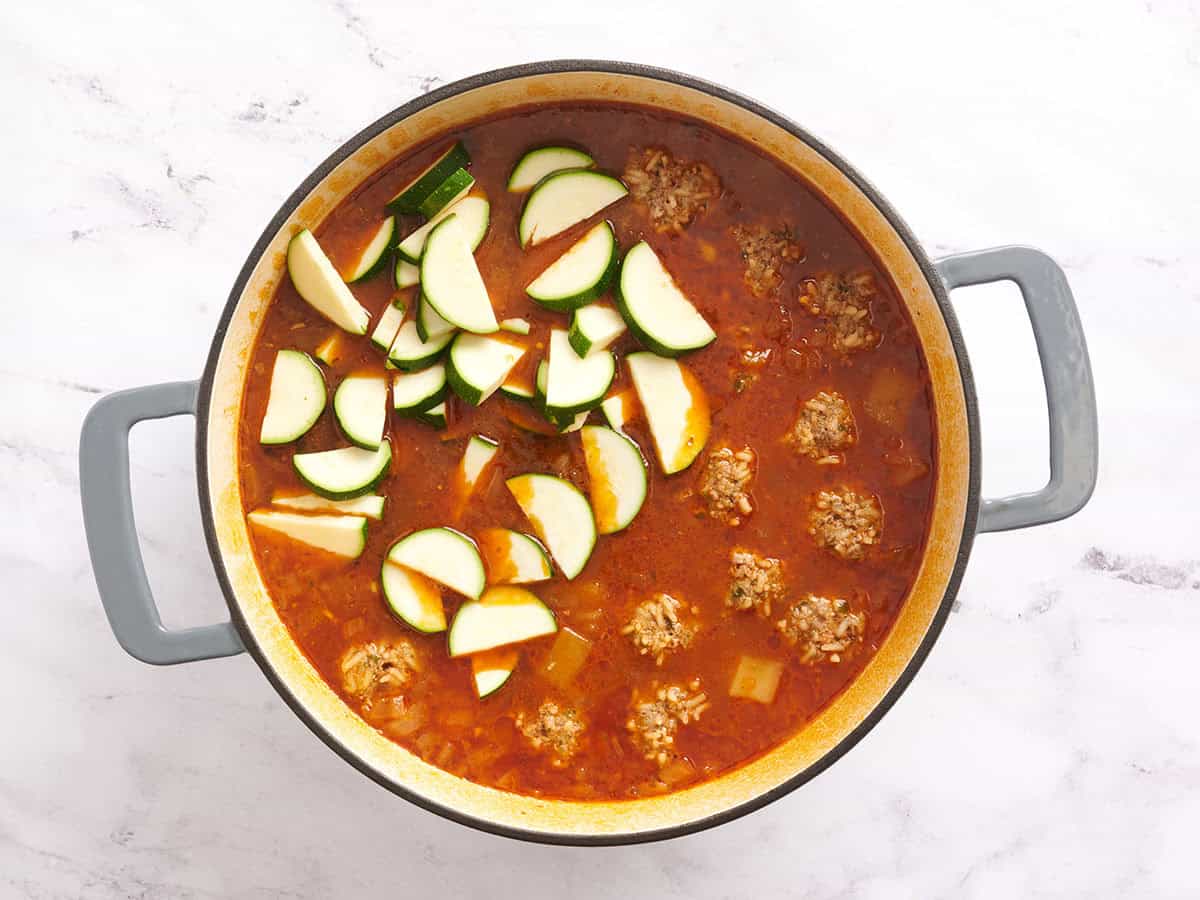
In the current economic climate, the affordability of home-cooked meals has become a primary driver for recipe development. The cost of a six-serving batch of albóndigas is estimated at approximately $12.78, resulting in a per-serving cost of $2.13. This makes the dish an ideal candidate for budget-conscious meal planning. The accessibility of the ingredients—beef, rice, seasonal vegetables like zucchini and carrots, and canned tomato products—allows for consistent preparation regardless of market volatility affecting more expensive protein cuts.
Storage, Preservation, and Food Safety
The structural nature of the soup makes it an ideal candidate for meal prep. Culinary guidelines suggest that the dish can be stored in airtight containers under refrigeration for three to four days. A notable chemical change occurs during this period: the rice within the meatballs continues to absorb the surrounding liquid. Consequently, reheating may require the addition of supplemental water or broth to restore the desired consistency.
For long-term storage, the soup is shelf-stable in a freezer for up to three months. Experts recommend that when freezing, the individual components—specifically the meatballs and the broth—should be portioned into airtight containers to prevent freezer burn. Thawing should be conducted under controlled conditions, specifically in a refrigerator for 24 hours, before being reheated on a stovetop at medium-low temperatures. This prevents the vegetables from overcooking and ensures the meatballs remain intact.
Broader Cultural Significance
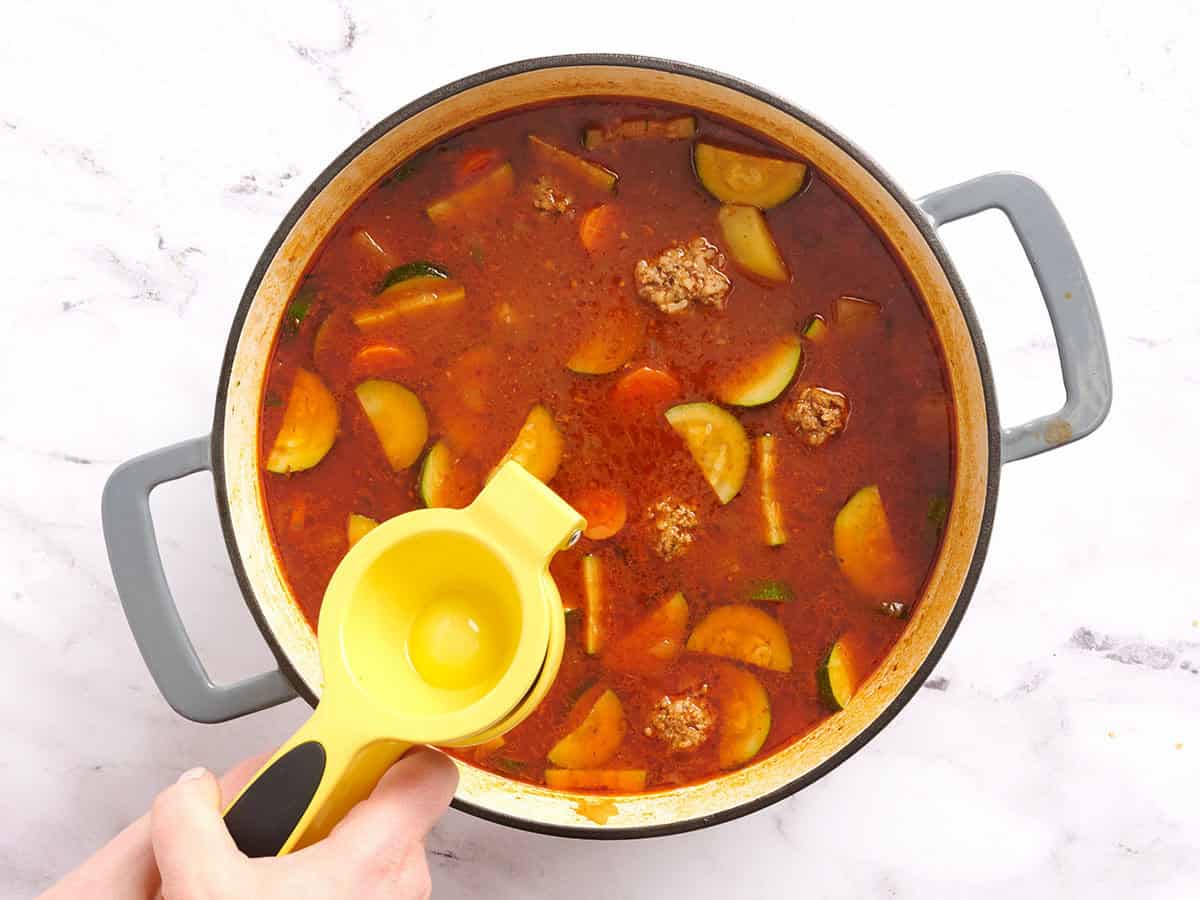
The enduring popularity of Mexican meatball soup speaks to the broader trend of "comfort food" as a cultural anchor. As urban food landscapes continue to evolve, there is a renewed interest in traditional, labor-intensive recipes that offer a connection to heritage. The inclusion of fresh, bright elements like lime juice and cilantro at the time of service is more than an aesthetic choice; it serves to provide a "palate cleanser" effect that cuts through the rich, savory broth, demonstrating the sophisticated balance of flavors inherent in Mexican culinary traditions.
The evolution of the recipe—from a medieval Arabic-Spanish hybrid to a staple of the Mexican and American kitchen—underscores the fluidity of global food culture. By maintaining the integrity of the original preparation while adapting to modern dietary needs (such as the shift toward gluten-free binders), the recipe remains a relevant and vital part of the culinary canon. As families and food enthusiasts continue to prioritize cost-effective, nutrient-dense, and historically rooted meals, the albóndigas soup remains a standard-bearer for traditional home cooking in the 21st century.
