
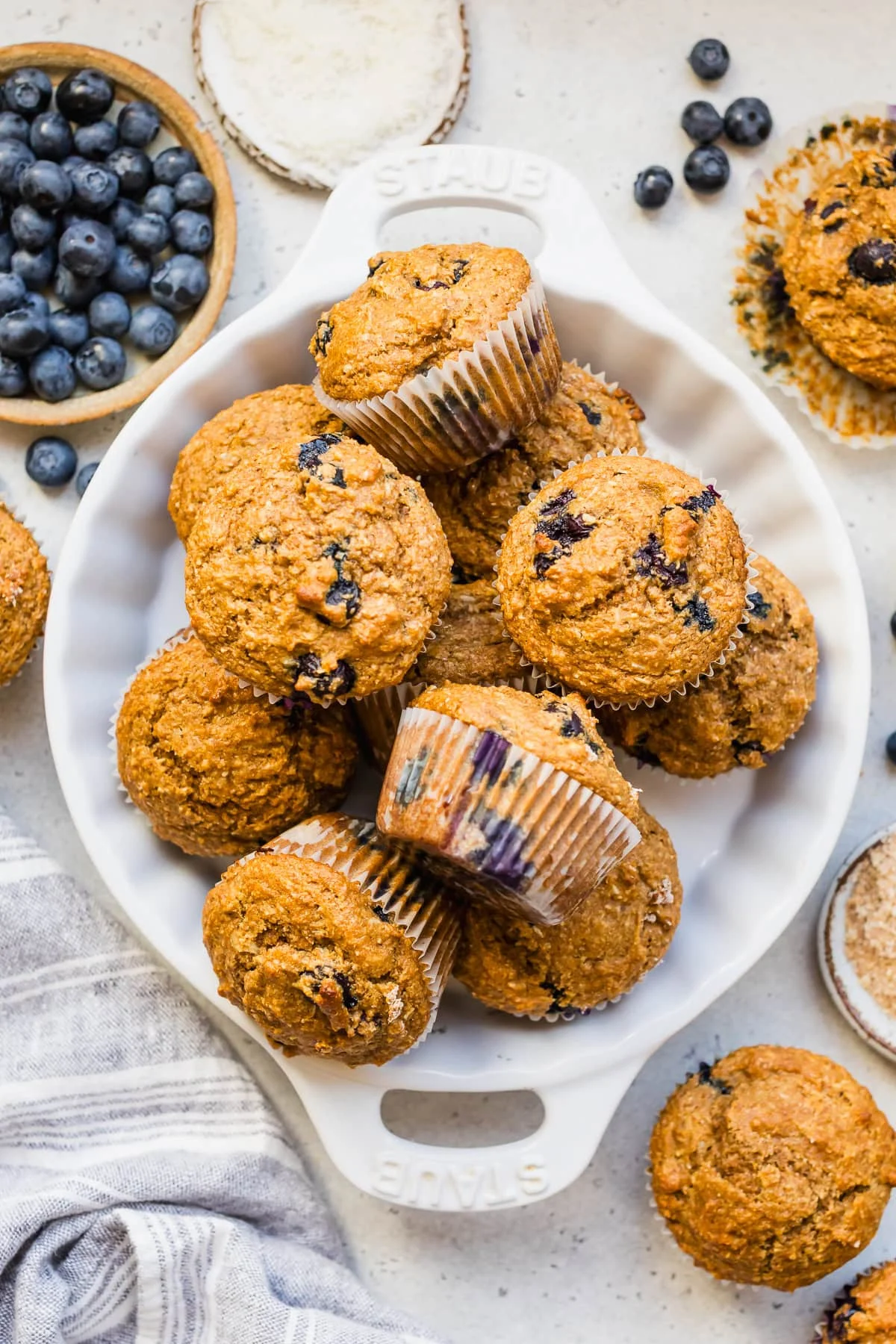
The evolution of home baking has seen a significant shift toward the modernization of classic staples, with a particular focus on nutrient density and the reduction of refined sugars and saturated fats. Among the most enduring breakfast items to undergo this transformation is the traditional bran muffin. Once categorized as a dense, high-calorie bakery item, the modern iteration—exemplified by recipes like the honey-sweetened, blueberry-infused bran muffin—now aligns with contemporary dietary guidelines that emphasize fiber intake and the use of natural sweeteners.
Historical Context and the Evolution of the Bran Muffin
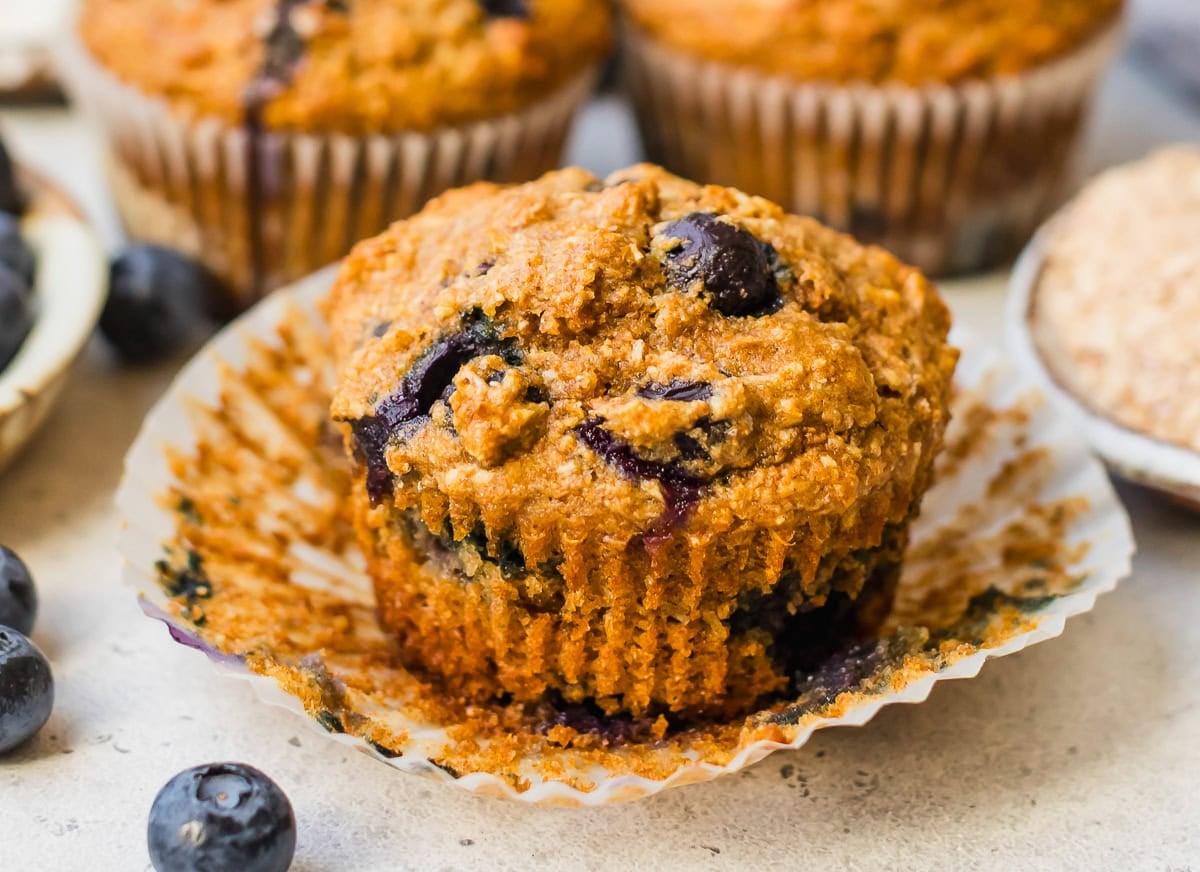
The bran muffin has been a staple in North American culinary culture for decades, often associated with traditional luncheonettes and diners. Historically, these muffins were prized for their high fiber content, provided by wheat bran, a byproduct of the milling process. In the mid-20th century, however, commercial bakery versions of these muffins often incorporated excessive amounts of refined sugar, butter, and heavy oils to improve texture and shelf life, which frequently undermined the health benefits associated with the fiber-rich bran.
In recent years, the culinary landscape has shifted toward "health-conscious baking." This movement, spearheaded by home economists and culinary experts, seeks to maintain the structural integrity and moisture of traditional baked goods while substituting heavy fats with fruit-based alternatives. The transition from using butter to applesauce, for instance, has become a standard industry practice to reduce caloric density while maintaining the required moisture level for a "light" crumb.
Technical Analysis of Nutritional Composition
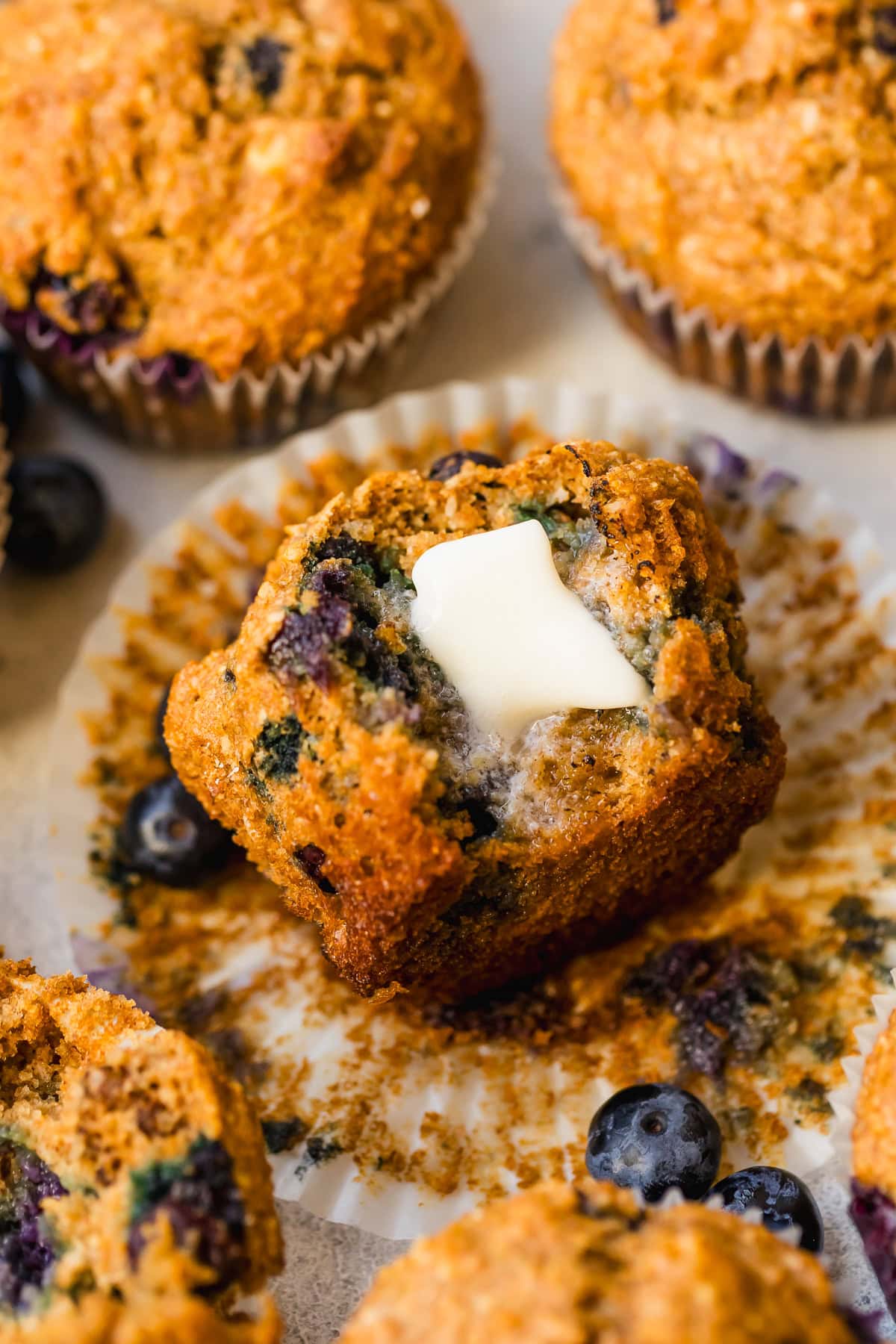
The modern blueberry bran muffin relies on a strategic balance of ingredients to achieve both texture and nutritional value. The inclusion of fresh blueberries provides not only flavor but also a significant source of antioxidants, specifically anthocyanins, which are linked to improved cardiovascular health.
From a nutritional standpoint, the reduction of fat is the most critical modification. By replacing a large percentage of butter or vegetable oil with unsweetened applesauce, the fat content is substantially lowered without sacrificing the structural integrity of the muffin. Furthermore, the use of honey as a sweetener—rather than high-fructose corn syrup or refined white sugar—provides a more complex flavor profile and a slightly lower glycemic index impact, depending on the variety of honey used.

Data indicates that a standard commercial bran muffin can exceed 400 calories due to size and ingredient ratios. Conversely, refined recipes, such as the one optimized for home preparation, typically yield muffins containing approximately 140 to 150 calories. With 3 grams of fiber per serving, these items contribute to the recommended daily intake, which for adults is suggested to be between 25 and 30 grams per day to maintain digestive health.
Chronology of Preparation and Best Practices
For those engaging in home meal preparation, efficiency is a primary concern. The preparation of these muffins follows a standard, streamlined chronology:
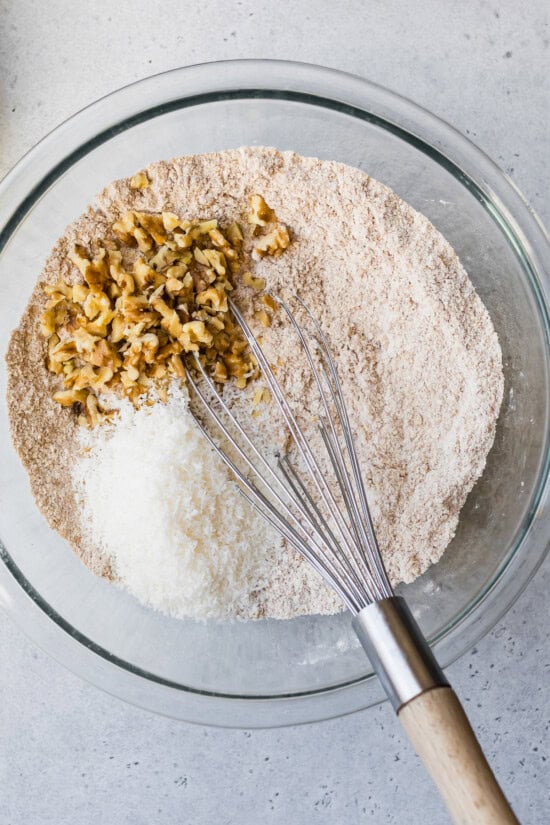
- Preparation Phase (0–20 minutes): This involves the activation of the bran (often by letting it sit in a liquid base to soften) and the whisking of dry ingredients, including flour, baking powder, and salt.
- Integration Phase: The combination of wet ingredients—eggs, honey, and the apple-based fat substitute—is folded into the dry mixture.
- Incorporation of Fruit: Fresh blueberries are added last to prevent the pigment from bleeding into the batter, ensuring visual appeal.
- Baking Phase (18–20 minutes): The muffins are baked at a consistent temperature, typically 375°F to 400°F, to ensure the center is set while the exterior develops a light golden crust.
Culinary experts emphasize that the cooling process is as vital as the baking phase. Allowing the muffins to rest in the pan for five minutes before transferring them to a wire rack prevents the bottom of the muffin from becoming soggy, a common issue in moisture-rich, low-fat recipes.
Broader Impact on Dietary Habits
The rise in popularity of these recipes reflects a broader societal shift toward proactive health management. As consumers become more aware of the link between diet and chronic disease, the demand for "lightened" versions of comfort foods has grown. This trend has influenced not only home kitchens but also the commercial food sector, where manufacturers are increasingly looking to replace artificial preservatives and high-sugar additives with natural, nutrient-dense alternatives.

Furthermore, the emphasis on meal prep—specifically the practice of freezing batches of baked goods—highlights a practical approach to nutrition. By preparing food in advance, individuals are less likely to rely on convenience-store alternatives, which are often laden with sodium and trans fats. The ability to store these muffins for up to a month in a freezer allows for a sustainable, long-term dietary strategy that supports consistent morning routines.
Expert Perspectives on Ingredient Substitution
Food scientists often note that while replacing fat with fruit purees is effective, it requires precise calibration. Applesauce works primarily because of its pectin content, which provides the necessary binding properties that fat usually contributes. When honey is used as a substitute for granulated sugar, the moisture content of the overall batter increases; consequently, the recipe must be balanced with slightly more leavening agents to ensure the muffin rises properly in the oven.
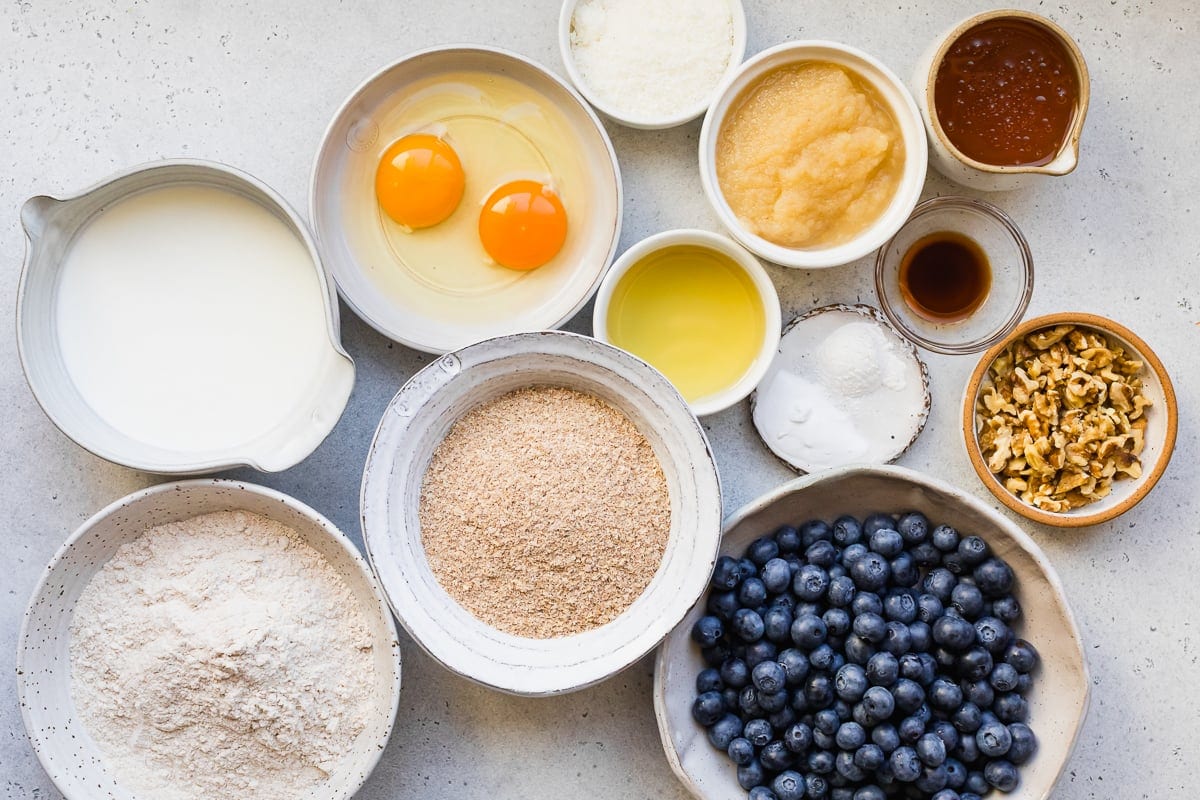
The inclusion of coconut flakes provides a secondary structural element, adding texture to a muffin that might otherwise rely solely on the softness of the bran and blueberries. From a dietary perspective, while coconut adds saturated fat, the quantities used in a single muffin are generally considered negligible when balanced against the overall fiber and antioxidant content of the recipe.
Future Implications for Home Baking
As culinary technology continues to advance, the availability of specialized flours and natural sweeteners will likely continue to improve the quality of "healthy" baked goods. The trend toward high-protein and high-fiber baking is not merely a fad but a response to the growing prevalence of metabolic health issues. Recipes that prioritize whole-food ingredients—such as fresh berries, natural honey, and wheat bran—represent the intersection of traditional baking techniques and modern nutritional science.
For the home baker, the primary challenge remains the replication of professional-grade results. However, the standardization of recipes that emphasize, for example, the precise measurement of fiber-to-fat ratios, provides a roadmap for sustainable, healthier eating. The enduring popularity of the blueberry bran muffin serves as a testament to the fact that nutritional density does not have to come at the expense of flavor or satisfaction, provided that the foundational chemistry of the recipe is respected and carefully executed.
In summary, the transition toward these improved recipes is a significant indicator of the current public health trajectory. By simplifying ingredients and focusing on nutrient density, the average home kitchen is becoming an essential space for preventive health, one batch of muffins at a time.
