
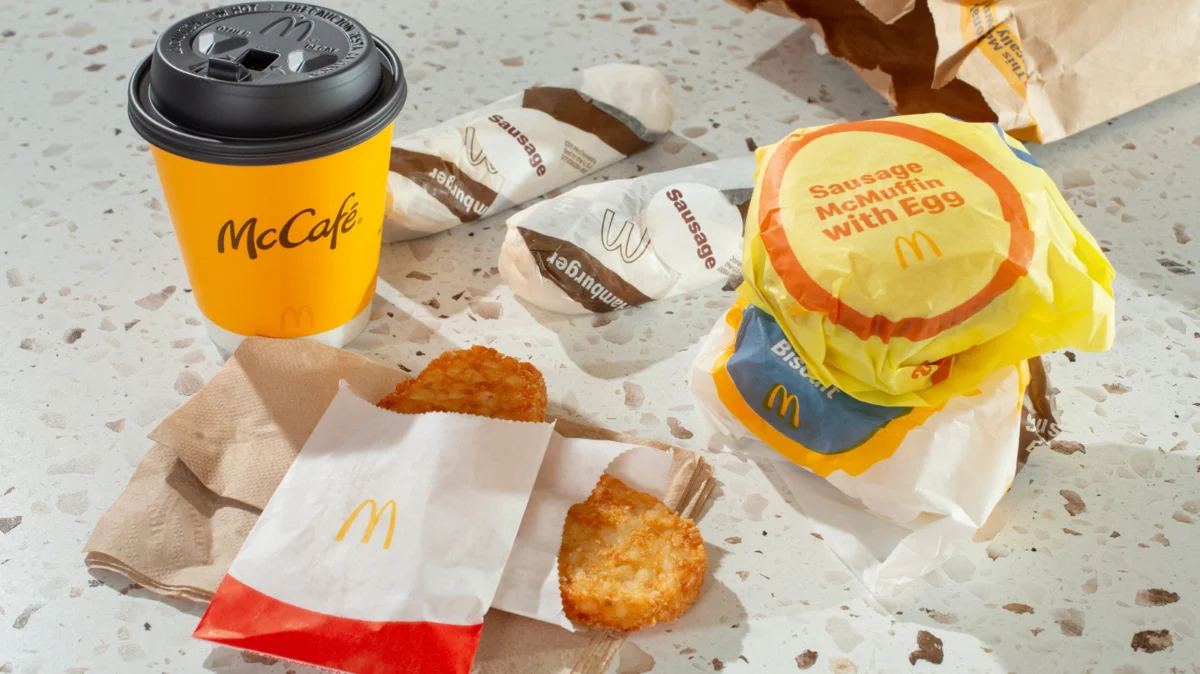
The evolution of the quick-service breakfast industry has seen a significant shift toward consumer-driven customization, transforming how patrons interact with standardized menus. While McDonald’s has maintained a relatively consistent breakfast lineup for decades, the advent of digital ordering platforms—specifically the McDonald’s mobile application—has empowered customers to modify staple items in ways that were previously impractical at a drive-thru window. By leveraging existing kitchen ingredients, diners can now achieve a bespoke breakfast experience that deviates from the corporate-defined configurations of classics like the Egg McMuffin or the Sausage Biscuit.
The Evolution of the Quick-Service Breakfast Landscape
The McDonald’s breakfast program, which famously launched nationwide in 1977 with the introduction of the Egg McMuffin, has remained a cornerstone of the company’s global revenue strategy. Historically, the menu was rigid, designed for speed and consistency to accommodate the morning commute. However, as of 2024, the integration of kiosks and mobile apps has shifted the operational burden of customization from the counter employee to the digital interface. This transition has allowed for the emergence of "menu hacking," a practice where consumers combine, subtract, or substitute ingredients to create higher-value or more palatable meals.
Market analysis suggests that breakfast remains the most competitive daypart in the fast-food sector. According to data from the National Restaurant Association, approximately 40% of consumers view customization as a primary driver for their choice of fast-food breakfast providers. This demand for personalization has led to a rise in unofficial menu variations that rely on the standard inventory present in every McDonald’s kitchen.
Strategic Customization: Methods and Implementation
The most effective modifications involve utilizing ingredients already present on the standard morning prep line. By accessing the "Customize" menu within the McDonald’s app, patrons can manipulate the protein, egg, and condiment profiles of their orders.
1. The Proliferation of Protein and Dairy
Increasing the volume of core ingredients is the most straightforward method of elevating a breakfast sandwich. By adding extra sausage patties, bacon strips, or slices of American cheese, customers can significantly alter the caloric and macronutrient density of their meals. Financial analysis of these additions shows that while they increase the total cost of the order, they remain significantly cheaper than purchasing an additional sandwich. Extra cheese, in particular, has become a popular modification, as it enhances the melt and creaminess of the sandwich without the structural instability caused by adding multiple egg portions.
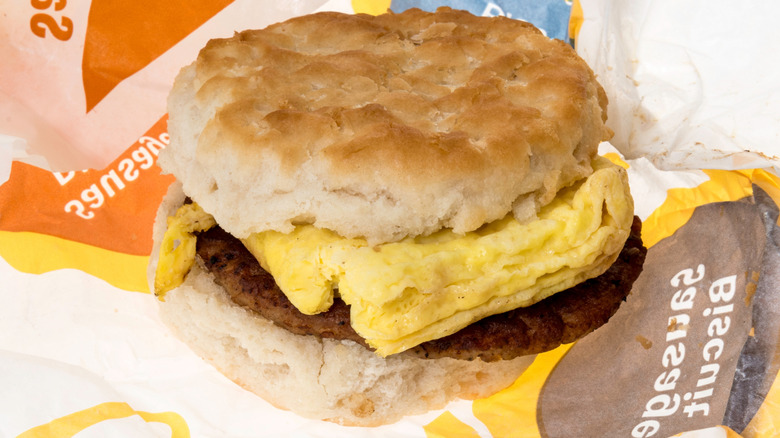
2. Egg Texture Differentiation
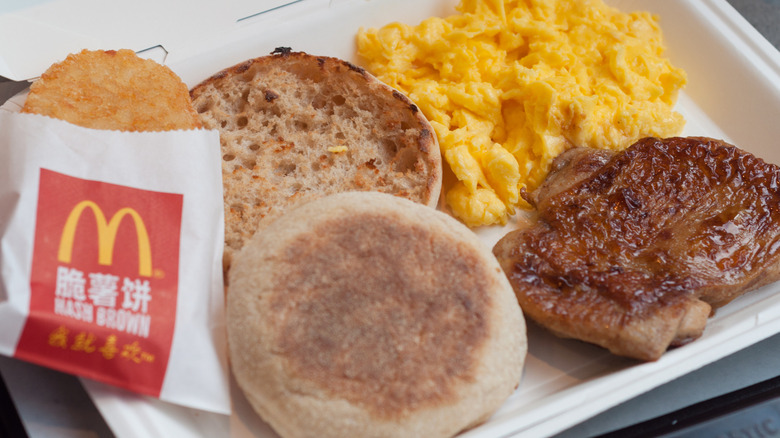
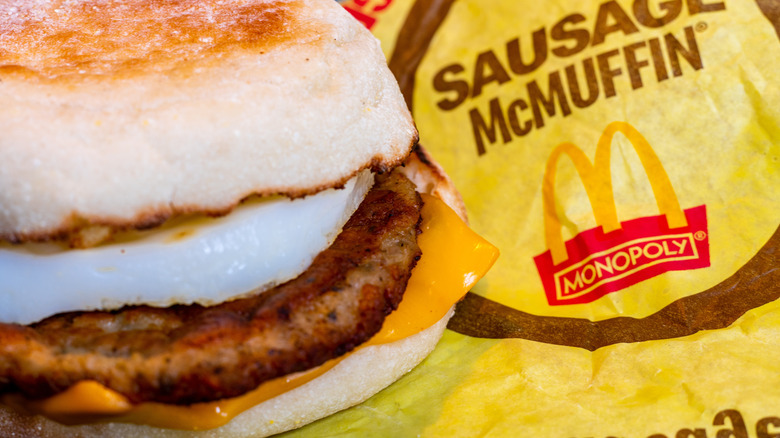
A critical, often overlooked, distinction in the McDonald’s kitchen is the difference between the "folded" egg and the "round" egg. The round egg is a freshly cracked, liquid egg product cooked in a ring mold, primarily used for the Egg McMuffin. The folded egg is a pre-cooked, frozen-and-reheated product. For consumers seeking a higher-quality experience, substituting the round egg into biscuit-based or McGriddle sandwiches offers a superior, more authentic texture. Conversely, those preferring a softer, more scrambled consistency can request the scrambled egg, typically reserved for the Hotcakes meal, to create a more home-style breakfast profile.
3. Incorporating the Hash Brown
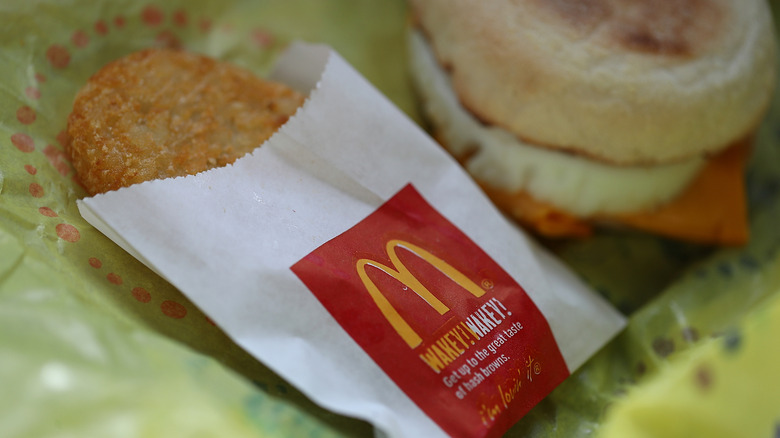
The McDonald’s hash brown, a potato product characterized by its high oil content and crispy exterior, has become a frequent "add-on" ingredient. By physically placing the hash brown inside a sandwich, the consumer introduces a critical textural contrast—a crunch that is otherwise absent from the soft, steamed, or griddled components of the sandwich. From an engineering standpoint, this modification effectively turns a standard sandwich into a complex meal that provides both carbohydrates and fats in a singular, handheld format.
Analyzing Flavor Profile Enhancements
Beyond the structural integrity of the sandwich, the application of condiments can fundamentally change the palate experience.
The Sweet-and-Savory Dynamic
The use of syrup and honey serves as a strategic flavor modifier. By ordering a side of syrup—typically provided for hotcakes—consumers can dip savory sandwiches, such as the sausage biscuit or the chicken biscuit, to replicate the popular "chicken and waffles" or "pancakes and sausage" flavor profiles. Honey, when drizzled on a chicken biscuit, mimics the flavor notes of premium fast-casual offerings, balancing the salinity of the breaded chicken with floral, natural sweetness.
Butter and Moisture Control
For patrons who find the English muffin, the base of the McMuffin, to be excessively dry, the addition of extra butter is an efficient, low-cost solution. Butter acts as a lubricant, improving the mouthfeel of the toasted nooks and crannies of the muffin and increasing the overall richness of the sandwich without the need for additional fats like processed cheese.
Broader Implications and Consumer Behavior
The trend of modifying breakfast sandwiches reflects a broader shift in consumer expectations toward a "personalized mass market" model. For McDonald’s, this behavior presents both operational challenges and opportunities. On one hand, custom orders require more precision during the assembly process, which can impact the average service time at the drive-thru. On the other hand, data collected from these customizations provide the corporation with invaluable insights into consumer preferences, which can inform future menu development and limited-time offers.
Official company statements regarding customization have generally been supportive, provided the requests fall within the realm of standard ingredient availability. As digital platforms continue to collect data, the barrier between the standard menu and the "secret" menu is expected to dissolve entirely, as popular modifications may eventually be integrated as official menu items.
Summary of Optimization Strategies
| Modification | Primary Benefit | Recommended Pairing |
|---|---|---|
| Round Egg Swap | Freshness and texture | Biscuits and McGriddles |
| Hash Brown Insertion | Textural contrast (crunch) | Sausage, Egg, and Cheese McMuffin |
| Syrup/Honey Addition | Flavor balancing | Chicken or Sausage Biscuits |
| Extra Butter | Moisture and richness | All English Muffin-based sandwiches |
Ultimately, the ability to customize McDonald’s breakfast items allows the consumer to curate their morning meal to their specific nutritional and sensory preferences. By understanding the available components within the restaurant’s inventory, the average diner can transform a standard, mass-produced item into a specialized culinary experience. As these practices become more mainstream, it is highly likely that the breakfast menu of the future will be defined not by a static list of sandwiches, but by a modular system of components that the consumer can assemble at their discretion.
