
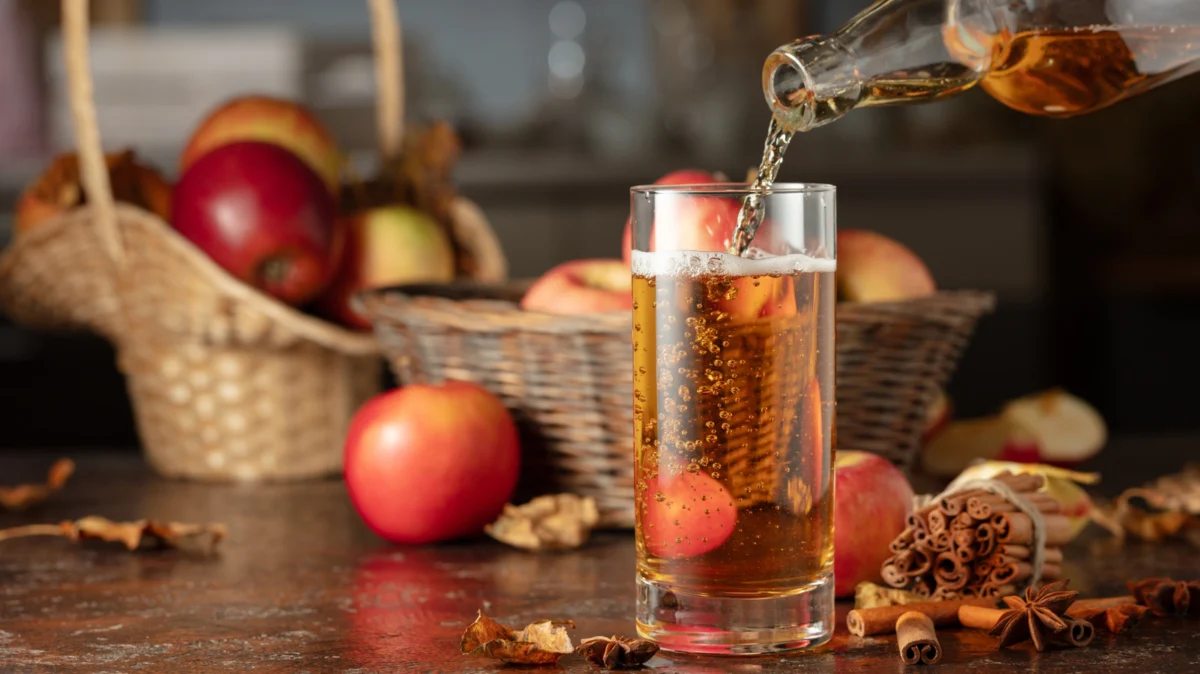
As the autumnal equinox approaches, the retail landscape undergoes a distinct transformation, characterized by the seasonal pivot toward spice-forward, harvest-themed inventory. Among the most anticipated arrivals in the grocery sector is the return of refrigerated apple cider. While the artisanal appeal of local orchard-pressed juice remains the gold standard, market research and consumer sentiment data consistently point to one mass-market retailer as the leader in this category: Trader Joe’s. Their proprietary Spiced Cider has transcended the status of a mere seasonal SKU, earning a permanent place in the retailer’s "Product Hall of Fame" following its victory in the 2025 Customer Choice Awards.
The Anatomy of a Seasonal Icon
The success of the Trader Joe’s Spiced Cider is not merely a result of effective marketing but is rooted in a specific product formulation that differentiates it from conventional apple juice products. Unlike mass-market juices that rely on high-fructose corn syrup, artificial colorants, or preservatives, the Trader Joe’s iteration is defined by its ingredient simplicity.
The base of the product consists of whole, U.S.-grown apples. The flavor profile is achieved through a precise infusion of cinnamon, allspice, clove, and citrus peels. This formulation intentionally avoids added sugars, relying on the natural fructose content of the fruit, which contributes to the product’s characteristic cloudy appearance—a hallmark of raw or minimally processed cider compared to the filtered, pasteurized clarity of standard apple juice.
A Two-Decade Chronology of Market Dominance
The product has maintained a consistent presence on shelves for over twenty years, establishing a legacy that has allowed it to weather shifts in consumer trends toward low-sugar and "clean-label" products.
- Early 2000s: Introduction of the seasonal spiced cider line, positioning it as an affordable, high-quality alternative to boutique orchard ciders.
- 2015–2020: The product gains significant traction on social media platforms, specifically within "foodie" communities on Reddit and Instagram, which helped build the cult-like following that sustains its annual launch.
- 2024: Trader Joe’s formally recognizes the product’s longevity by inducting it into the company’s Product Hall of Fame.
- 2025: The cider is officially voted the favorite beverage in the Trader Joe’s Customer Choice Awards, solidifying its status against a competitive field of newer, trendy beverage offerings.
Consumer Sentiment and the "Sweetness" Debate
Despite its accolades, market analysis of consumer feedback reveals a polarizing aspect of the product: its intensity. Consumer discourse, particularly on digital forums like Reddit, highlights a divide between those who appreciate the robust, concentrated spice profile and those who find the beverage overly saccharine.
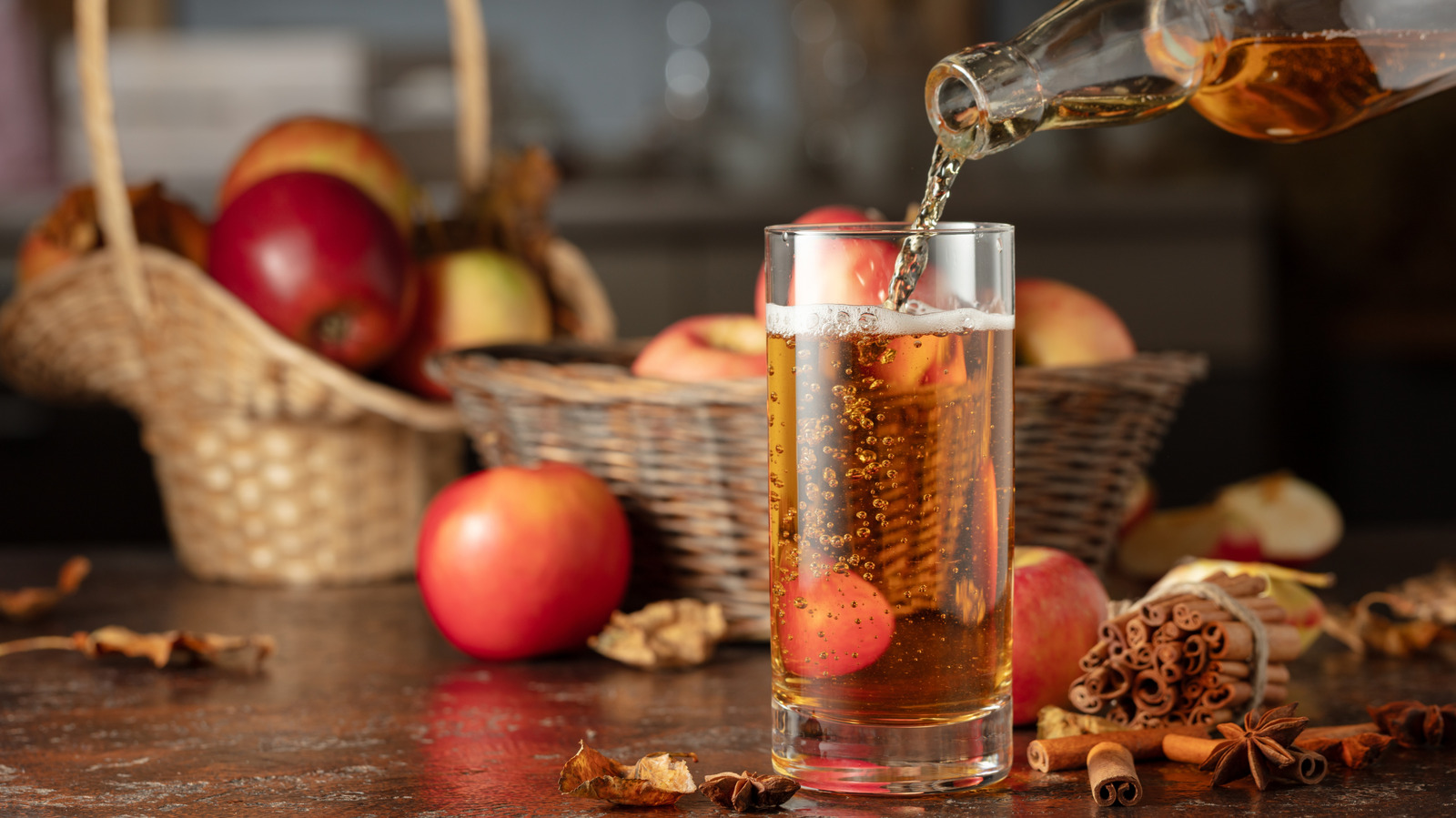
"It tastes like biting into a slice of freshly baked and warm apple pie," is a sentiment frequently echoed by proponents of the product. However, for a segment of the consumer base, the sweetness level acts as a barrier to direct consumption. This has led to the emergence of two distinct consumption trends: dilution and culinary adaptation.
Data from consumer discussions indicate that a significant portion of the customer base treats the cider as a base ingredient rather than a ready-to-drink beverage. Suggestions for dilution with water or incorporating the cider into hot toddies—often featuring a two-ounce addition of bourbon—are prevalent. This adaptability has allowed the product to maintain its relevance, transitioning from a morning or afternoon beverage to a versatile component in home bartending and seasonal cooking.
Broader Economic and Industry Implications
The success of a single seasonal item like the Trader Joe’s Spiced Cider serves as a case study in "seasonal scarcity marketing." By limiting the availability of the cider to the fall and winter months, the retailer creates a psychological urgency that drives foot traffic.
From an industry perspective, the cider’s success highlights a broader shift in consumer behavior: the "premiumization" of staple goods. Consumers are increasingly willing to pay a slight premium for store-bought goods that mirror the quality of artisanal or local products. By removing artificial additives and focusing on a "clean" ingredient list, Trader Joe’s has successfully bridged the gap between the grocery store shelf and the farmer’s market stall.
Furthermore, the product’s versatility in the kitchen—ranging from its use in oatmeal to its function as a base for pancake syrups—demonstrates a strategic alignment with the "home-cooking" boom that has persisted since 2020. As grocery chains compete for market share during the holiday season, the ability to offer a "hero product" that serves as a kitchen staple rather than a one-off purchase is a significant competitive advantage.
Culinary Applications and Pairing Profiles
Beyond the beverage glass, the product’s profile allows for sophisticated culinary applications. Professional chefs and home cooking enthusiasts have noted that the acidity inherent in the apple base, when balanced by the spice blend, makes it an ideal pairing for savory dishes.
- Pork Pairing: The tart-sweet profile of the cider cuts through the richness of roasted pork, making it a natural reduction base for pan sauces.
- Cheese Pairings: The cider serves as a palate-cleansing contrast to sharp, aged cheddar or nutty alpine-style cheeses.
- Baking: The incorporation of the cider into doughs for apple cider doughnuts or as a poaching liquid for firm fruits provides a depth of flavor that is difficult to replicate with standard juice.
The Challenge of Seasonality
The primary critique—and perhaps the most significant strategic hurdle for the company—is the seasonal limitation. While the scarcity ensures high sales velocity during the Q4 window, it also leaves a void in the product portfolio for the remainder of the year.
Retail analysts suggest that while there is constant pressure from consumers to expand the availability of such popular products, the exclusivity is precisely what preserves the brand equity of the item. If the cider were available year-round, its association with the "autumn experience" might be diluted, potentially leading to a decline in its perceived value.
Conclusion: Sustaining the Momentum
As the retail market continues to evolve, the Trader Joe’s Spiced Cider remains a benchmark for seasonal product development. Its success is predicated on a trifecta of factors: a commitment to transparent, high-quality ingredients; a strategic use of limited-time availability; and a product profile that encourages user creativity, from cocktail crafting to culinary experimentation.
While consumer preferences are notoriously fickle, the product’s twenty-year history suggests that it has moved beyond the realm of trends and into the category of a staple. As long as the retailer continues to prioritize the integrity of the base apple juice and the balance of the spice blend, the cider is positioned to remain a dominant force in the seasonal beverage market for the foreseeable future. For the consumer, it remains a reliable, accessible piece of the fall season, proving that even in a world of complex, highly engineered beverages, simplicity and quality remain the most effective drivers of brand loyalty.
