
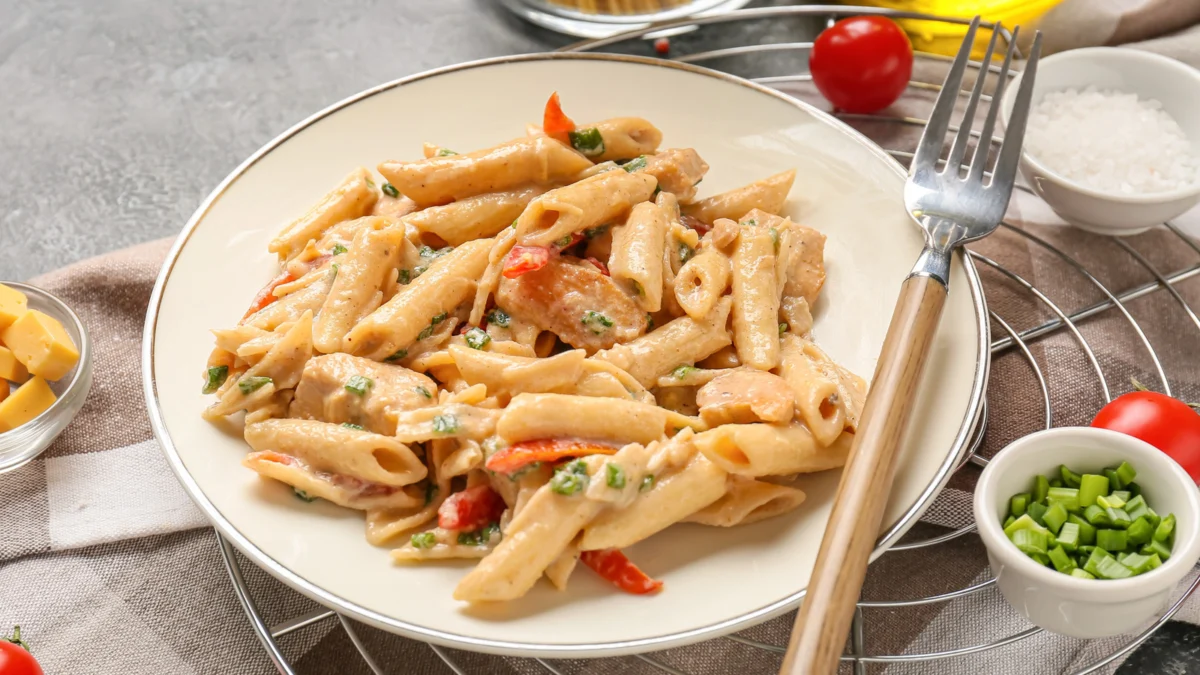
The intersection of global pasta traditions and the robust, spice-forward profile of Southern American cuisine has long been a subject of interest for culinary professionals seeking to revitalize standard weeknight menus. At the heart of this evolution is the strategic use of Cajun seasoning—a complex, pre-mixed blend that serves as a foundational element of Louisiana’s culinary identity. By integrating this spice profile into pasta dishes, home cooks and professional chefs alike are discovering a method to bridge the gap between Mediterranean simplicity and the deep, rustic heartiness of the American South.
The Composition and Historical Context of Cajun Seasoning
Cajun seasoning is not merely a spice; it is a cultural artifact of the Louisiana bayou. Historically, the seasoning emerged from the convergence of French, African, and Native American culinary techniques, refined by the Acadian people who settled in the region. Unlike traditional European spice blends that often emphasize individual herbs, the classic Cajun mix is designed to provide an all-encompassing flavor profile: heat, smoke, acidity, and earthiness.
The standard commercial composition typically includes a precise balance of cayenne pepper for heat, black pepper for a sharp finish, paprika for both color and smokiness, and a robust base of garlic and onion powder. Dried herbs, such as oregano and thyme, provide an aromatic foundation that tethers the intensity of the peppers to the savory base of the dish. When introduced to the starch-heavy environment of pasta, these elements disperse into the sauce, creating a complex, layered flavor that standard Italian-style seasonings, which often rely on lighter basil or parsley profiles, cannot replicate.
Chronology of the Cajun-Pasta Fusion
The integration of Cajun elements into mainstream pasta preparation is not an entirely recent phenomenon, though it has seen a surge in popularity over the last decade as global food trends have shifted toward "fusion comfort."
- 1980s and 1990s: The rise of Blackened Redfish, popularized by Chef Paul Prudhomme, brought Cajun spices into the national consciousness. During this period, the "blackening" technique—searing proteins in heavy, herb-rich spice blends—began to appear in upscale dining, frequently paired with pasta or rice to soak up the residual drippings.
- 2010s: The proliferation of one-pan recipes and quick-service "gourmet" home cooking allowed for the adaptation of Cajun-inspired sauces. Recipes began to favor the convenience of heavy cream and tomato-based sauces, which acted as a neutral vehicle for the bold seasoning.
- 2020s to Present: With the rise of digital recipe platforms and the focus on "shortcut" cooking, Cajun seasoning has transitioned from a niche regional spice to a pantry staple. Culinary developers have codified the practice of using it in diverse applications, from Alfredo sauces to modernized scampi.
Technical Analysis: Flavor Dispersion in Pasta Sauces
The success of incorporating Cajun seasoning into pasta lies in the chemistry of fat-soluble flavor extraction. Because many of the compounds in paprika, garlic, and cayenne are fat-soluble, the spice blend performs best when added early in the cooking process—specifically, when sautéing proteins or aromatics in butter or oil.
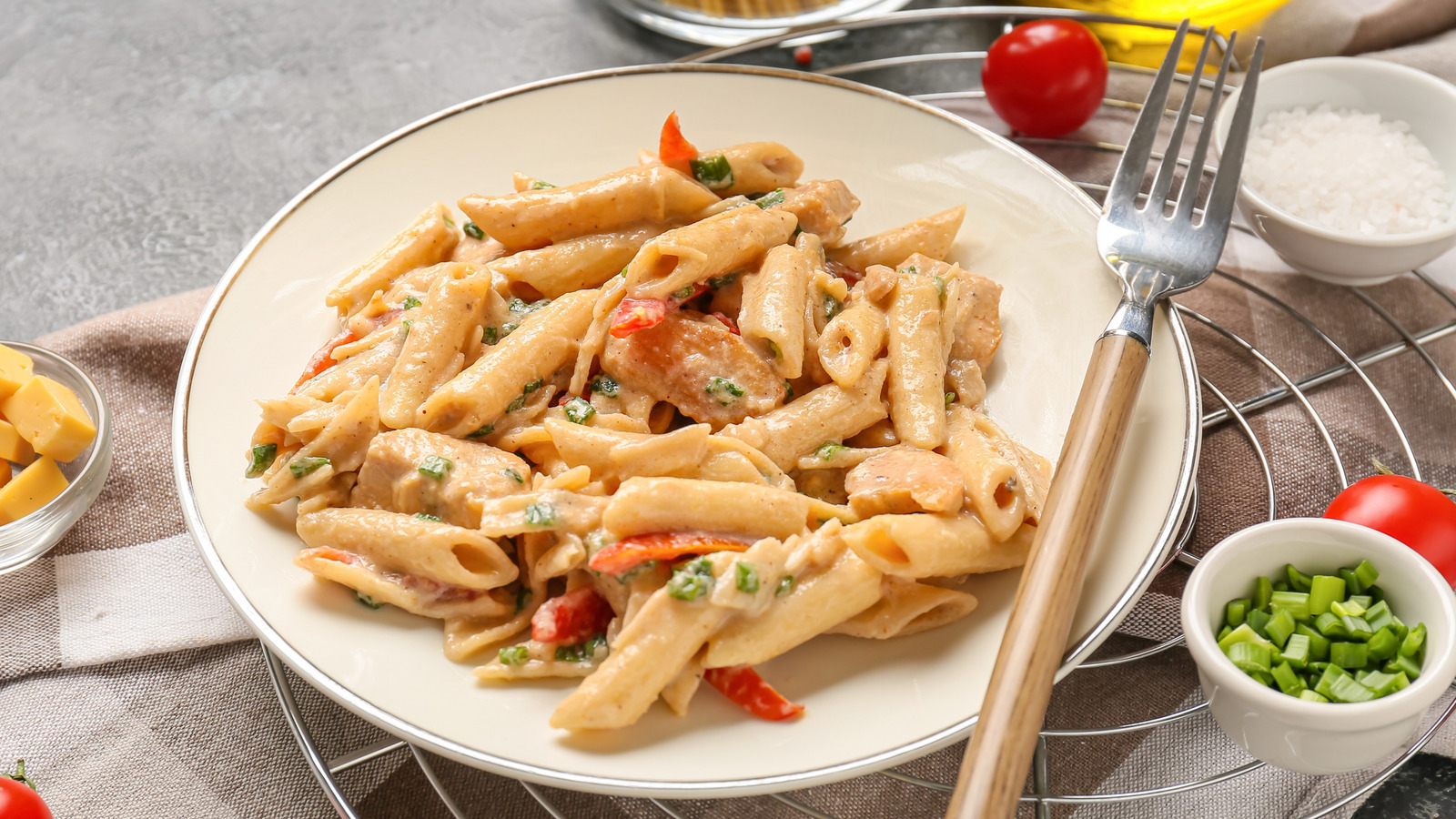
When a cook adds the seasoning during the initial sear of chicken or the softening of vegetables, the heat of the oil blooms the spices, releasing volatile oils that might otherwise remain trapped. By the time heavy cream or tomato purée is added, the flavor has already permeated the base. This method avoids the common pitfall of "raw" spice application, where seasonings are added late and fail to integrate into the emulsion of the sauce. The result is a sauce that exhibits a distinct, earthy intensity, characterized by a persistent warmth rather than a sharp, fleeting heat.
Broadening the Scope: Applications Beyond Chicken
While the classic pairing of chicken, heavy cream, and Cajun spice is a standard entry point, culinary experts suggest that the versatility of the blend extends to various proteins and vegetable structures.
The Role of the Sacred Mirepoix
In traditional Cajun cooking, the "holy trinity"—onions, celery, and bell peppers—forms the base of nearly every savory dish. Adapting this to pasta involves replacing the traditional French mirepoix (onions, carrots, and celery) with this bell-pepper-heavy combination. The sweetness of the bell peppers, when sautéed with the Cajun blend, provides a natural contrast to the sharp acidity of a tomato-based pasta sauce, resulting in a more balanced flavor profile.
The Andouille and Shrimp Variable
For those looking to move beyond poultry, andouille sausage—a smoked, coarse-grained pork sausage—is considered the gold standard for adding depth. The smoke inherent in the sausage complements the paprika in the seasoning blend, creating a synergistic effect that elevates the overall dish. Similarly, the use of blackened shrimp in a pasta setting mimics the classic Shrimp and Grits profile but translates it into a more familiar pasta-dinner structure.
Economic and Dietary Implications
From an economic standpoint, the "Cajun-upgrade" is highly efficient. For the home cook, it reduces the need for an extensive spice rack, as the blend itself contains the necessary aromatics and heat sources. Data from home-cooking trends indicate that consumers are increasingly seeking "single-ingredient solutions" that provide high-impact flavor with minimal prep time.
However, health-conscious consumers should be aware of the sodium content inherent in most commercial Cajun seasoning blends. Because these mixes often rely on salt as a preservative and bulk agent, experts recommend monitoring the salt content of the overall dish. A professional recommendation is to use a salt-free Cajun blend as a base, allowing the cook to manage sodium intake while maintaining the integrity of the spices.
Expert Reaction and Future Trends
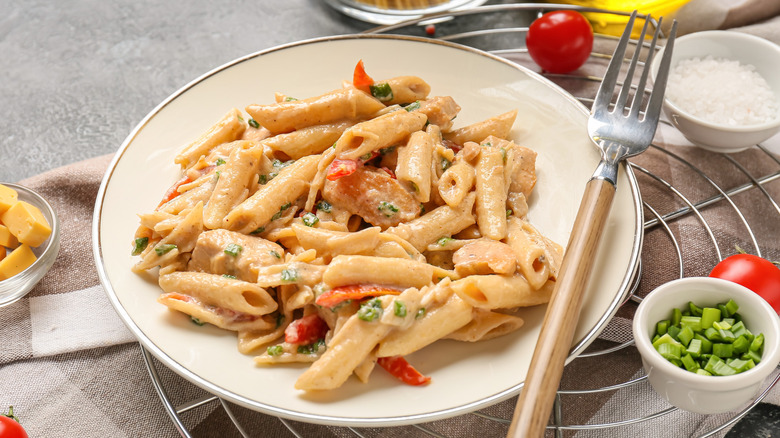
Leading culinary developers note that the appeal of this style of pasta lies in its ability to satisfy the demand for "elevated comfort food." By transforming a standard fettuccine or penne into a dish with Southern-inspired complexity, cooks are able to bridge the divide between restaurant-quality dining and accessible home preparation.
"The beauty of this seasoning is its forgiving nature," says one industry analyst. "It works with the acidity of a tomato sauce, the richness of an Alfredo, and the light, clean profile of a scampi. It doesn’t just add heat; it adds a narrative of place and tradition."
As the culinary landscape continues to prioritize global fusion, it is likely that the application of regional spice blends—not just from the South, but from across the globe—will continue to be a standard technique in pasta preparation. The movement toward bold, intense flavors is clearly defining the current era of home dining, and the Cajun spice blend serves as a primary example of how simple adjustments can fundamentally alter the character of a staple dish.
Ultimately, the inclusion of Cajun seasoning into pasta recipes is an endorsement of the "less is more" philosophy in flavor construction. By utilizing one expertly crafted blend, the cook achieves a level of complexity that would otherwise require multiple steps and a vast array of individual ingredients, confirming that the most effective kitchen upgrades are often those that leverage the power of history and regional tradition.
