
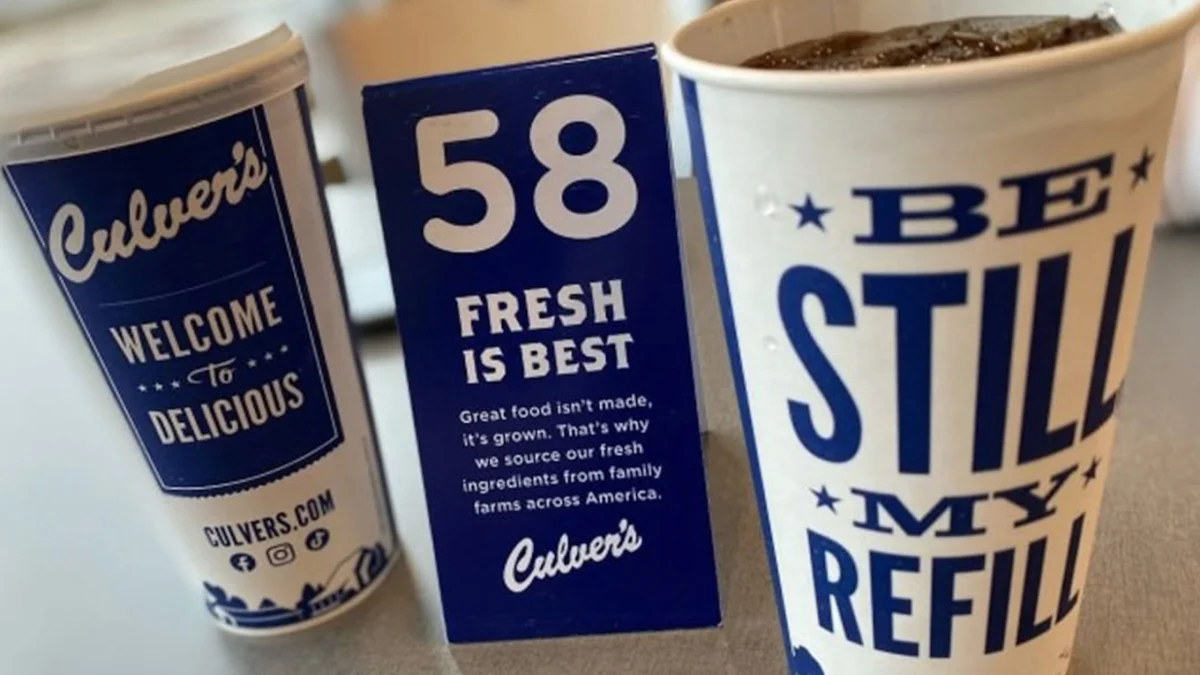
Culver’s, a restaurant chain celebrated for its Wisconsin roots and iconic menu items like ButterBurgers, frozen custard, and cheese curds, is undergoing a significant beverage lineup change that has ignited a debate among its loyal customer base. The popular fast-casual eatery is phasing out Mello Yello, a citrus-flavored soda, and introducing Cherry Coke as its replacement. This shift, part of broader updates anticipated at Culver’s in 2026, has prompted a strong, albeit divided, reaction on social media platforms, highlighting evolving consumer preferences and the competitive landscape of soft drink offerings.
The transition, the exact timeline of which remains unspecified, marks the end of an era for many Culver’s patrons who have long associated the bright yellow soda with their dining experience. While the exact volume of Mello Yello sales at Culver’s is not publicly disclosed, anecdotal evidence from customer discussions and employee reports suggests it held a significant, if niche, popularity. The move to incorporate Cherry Coke, a well-established Coca-Cola product with a distinct cherry flavor profile, signals Culver’s strategy to align its beverage offerings with broader market trends and potentially capitalize on the established appeal of a more widely recognized brand.
Fan Reactions: A Divided House
The news of Mello Yello’s departure from Culver’s menus has resonated strongly across online forums, particularly on Reddit, where discussions have been fervent. Initial announcements of the change, which surfaced earlier this year, quickly garnered a mix of disappointment and anticipation.
One customer, expressing strong dissatisfaction, stated on Reddit, "Thanks, Culver’s. I guess now I’ll save money on a soda and just drink water." This sentiment reflects a segment of the customer base for whom Mello Yello was a preferred, perhaps even a deciding, factor in their beverage choice. The implication is that this change could lead to a reduction in beverage sales for the chain, as some patrons may opt for water or forgo purchasing a drink altogether to protest the removal of their favorite soda.
Further insights into the customer sentiment were provided by individuals claiming to be Culver’s employees. One employee reported that customers were "so disappointed" by the switch to Cherry Coke, adding, "Mello Yello was insanely popular at my store too." This firsthand account suggests that the soda’s appeal extended beyond a small demographic and was a consistent seller in at least some locations. Another employee voiced concerns about potential business impact, stating, "There’s definitely people who will eat elsewhere since we don’t have it anymore." This indicates a belief that the absence of Mello Yello could influence customer loyalty and divert business to competing establishments.
However, the reaction is far from monolithic. A notable portion of the online discourse reveals enthusiasm for the addition of Cherry Coke. One Reddit user enthusiastically commented, "The only person I ever saw drinking Mellow Yellow at my store was my [general manager]. I will take Cherry Coke over it any day!" This perspective underscores the subjective nature of taste preferences and the potential for Cherry Coke to attract a new set of customers or appeal to those who were indifferent to Mello Yello.
Adding another layer to the discussion, some customers expressed a lack of strong preference, indicating that their choice of beverage often defaulted to other staples. "Others even seemed unconcerned with the change, saying they preferred Root Beer with their meals," the original report noted. This suggests that for a segment of the Culver’s clientele, the specific soda choice is secondary to the overall dining experience, and established favorites like root beer will continue to be their go-to options.
The Broader Context: Mello Yello’s Declining Presence
The removal of Mello Yello from Culver’s is not an isolated event but rather symptomatic of a broader trend impacting the availability of certain legacy soft drinks. Mello Yello, while a recognizable brand, has faced challenges in maintaining its market share against more dominant beverage players. The report mentions that Mello Yello has been the subject of discontinuation rumors in the past, though it was confirmed to still be in production. Nevertheless, its presence in prominent restaurant chains like Culver’s is diminishing.
This situation mirrors the experiences of many other popular drinks from previous decades that are increasingly becoming harder to find in widespread retail and foodservice environments. The beverage industry is characterized by intense competition, with major players like Coca-Cola and PepsiCo constantly innovating and strategically allocating resources to their most profitable brands. Niche or less dominant brands often struggle to maintain shelf space and consumer attention in this dynamic market.
The decision by Culver’s to phase out Mello Yello could be interpreted as a strategic move to streamline its beverage inventory, potentially reducing costs associated with stocking less popular items and simplifying supply chain management. Furthermore, by introducing Cherry Coke, Culver’s aligns itself with a universally recognized and widely consumed product, which may offer a more predictable and robust sales performance.
Implications for the Beverage Industry and Restaurant Chains
The Culver’s Mello Yello-to-Cherry Coke switch offers a microcosm of larger trends shaping the fast-casual dining and beverage sectors. For restaurant chains, the beverage menu is a crucial component of the overall customer experience and a significant revenue stream. Decisions about which sodas to offer involve a complex interplay of factors:
- Consumer Demand: Understanding current and evolving customer preferences is paramount. This includes demographic shifts, regional tastes, and the influence of social media trends.
- Brand Partnerships: Restaurants often form strategic alliances with major beverage companies. These partnerships can influence the availability of certain brands and may come with marketing or promotional support.
- Operational Efficiency: Simplifying beverage offerings can reduce inventory management complexities, waste, and associated costs.
- Profitability: Chains aim to stock beverages that offer the best profit margins and sales volume.
The increased availability of craft beverages, specialty drinks, and even private-label options has also created a more fragmented market. In this environment, traditional, single-flavor sodas may need to demonstrate significant consumer demand to maintain their prominent positions.
The case of Mello Yello at Culver’s also raises questions about the future of other legacy soft drinks. As younger generations develop their own beverage loyalties and as market dynamics shift, brands that were once ubiquitous may find themselves relegated to specialty channels or facing continued decline in mainstream availability. The success of Cherry Coke’s integration into Culver’s menu will likely be closely watched by other restaurant operators considering similar beverage portfolio adjustments.
Future Outlook and Strategic Considerations
As Culver’s navigates these changes, the company’s focus will be on managing customer perceptions and ensuring that its beverage strategy contributes positively to its overall business objectives. The inclusion of Cherry Coke is a calculated move, leveraging a well-established brand with a proven track record. The success of this transition will depend on several factors:
- Customer Adaptation: How quickly and widely customers embrace Cherry Coke as the new standard.
- Marketing and Promotion: Any efforts Culver’s or Coca-Cola undertake to highlight the new offering.
- Overall Beverage Strategy: Whether this change is part of a larger initiative to refresh Culver’s beverage program.
The broader implication for the beverage industry is a continued emphasis on data-driven decision-making. Restaurant chains and beverage manufacturers alike will need to stay attuned to consumer behavior, market trends, and competitive pressures to ensure their product portfolios remain relevant and profitable. The era of predictable, unchanging beverage menus may be giving way to a more dynamic and responsive landscape, where even the most familiar brands must adapt to survive and thrive. The departure of Mello Yello from Culver’s, while a specific event, serves as a significant indicator of these ongoing shifts in consumer preferences and the strategic imperatives of the modern food and beverage marketplace.
