
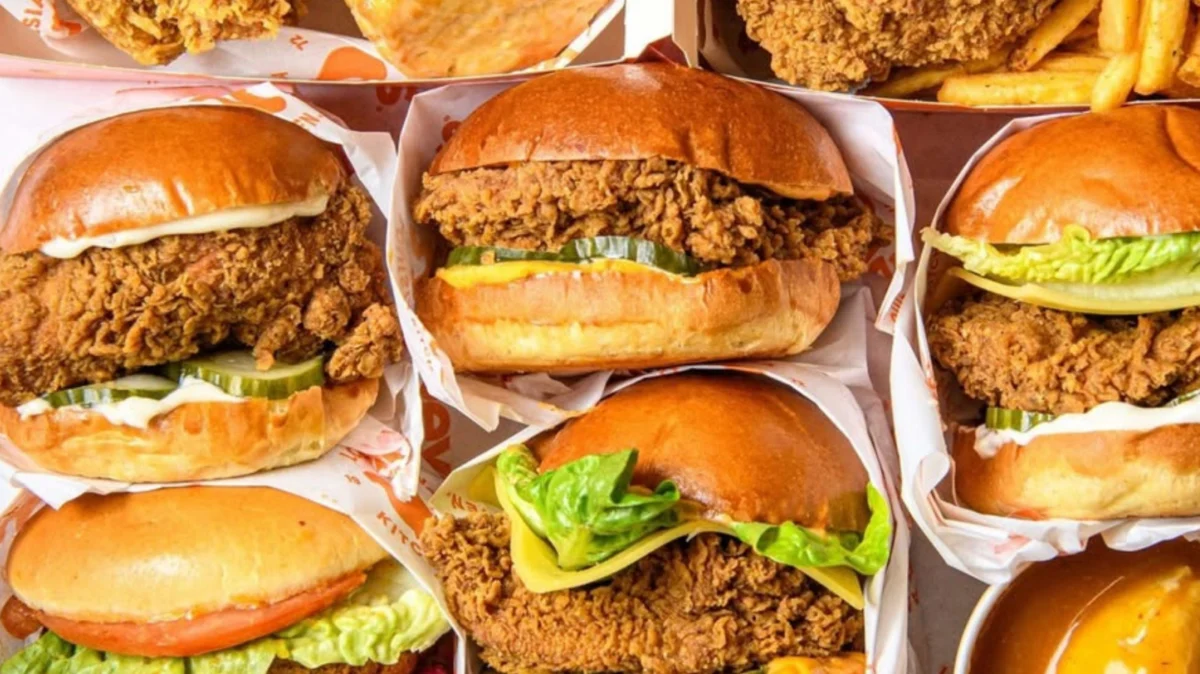
The enduring popularity of spicy chicken sandwiches has transformed the fast-food landscape, with major players like McDonald’s and Wendy’s consistently refining their offerings to capitalize on the nation’s growing appetite for chicken. Even establishments traditionally focused on chicken tenders, such as Raising Cane’s, have entered the sandwich arena. However, at the forefront of the fried chicken sector, Kentucky Fried Chicken (KFC) and Popeyes Louisiana Kitchen remain dominant forces, both boasting remarkably similar spicy chicken sandwich creations. For consumers weighing their options between these two titans of fried poultry, a key consideration often boils down to value. A recent comparative analysis of pricing across various regions indicates that while the culinary preferences between KFC and Popeyes may be subjective, the economic advantage, particularly for bundled meals, leans towards KFC.
The Rise of the Spicy Chicken Sandwich Phenomenon
The "chicken sandwich wars" may have subsided from their peak intensity, but the spicy chicken sandwich has cemented its status as a perennial favorite on fast-food menus. This trend reflects a broader shift in consumer preferences, with chicken increasingly eclipsing beef as the preferred protein in the quick-service restaurant industry. The strategic introduction and enhancement of spicy chicken sandwich options by various chains underscore a keen awareness of evolving market demands and a commitment to staying competitive in a dynamic food service environment. This ongoing evolution highlights the strategic importance of menu innovation and adaptation in maintaining customer loyalty and attracting new patrons.
A Comparative Price Analysis: Sandwich Standalone
To ascertain which chain offers a more budget-friendly spicy chicken sandwich, a comprehensive price comparison was conducted across multiple KFC and Popeyes locations. The study focused on three states—Florida, Indiana, and Idaho—chosen to represent diverse geographical areas and reflect relatively average fast-food pricing structures. By averaging the prices of the spicy chicken sandwich at these selected outlets, a clear picture of cost differentials emerged.
The findings indicated that KFC’s spicy chicken sandwich is marginally more affordable than its Popeyes counterpart. Across the surveyed locations, the average price for a KFC spicy chicken sandwich clocked in at $5.12, while Popeyes’ offering averaged $5.65. This difference, while not monumental on an individual sandwich basis, can accumulate for frequent consumers. Given the close parity in sandwich size and construction—both typically featuring a crispy fried chicken patty, a spicy sauce, and pickles—the decision between the two on a per-sandwich basis often hinges on personal taste preference rather than significant economic disparity.
Unpacking the Value: Combo Meals and Bundles
The economic advantage for KFC becomes more pronounced when examining the cost of combo meals and larger family-style bundles. The analysis revealed a notable discrepancy in the pricing of these meal packages.
At the locations under review, a Popeyes spicy chicken sandwich combo meal averaged $10.49. In contrast, KFC’s comparable combo meal was priced at an average of $8.96. This nearly $1.50 difference per combo meal represents a substantial saving for consumers opting for a complete meal experience that includes the sandwich, a side, and a beverage.
Exploring More Affordable Options and Bundled Savings
KFC further diversifies its value proposition with smaller, more budget-conscious options. The chain offers Spicy Snacker sandwiches, essentially half-sized versions of their signature spicy chicken sandwich, priced at an attractive $2.99. These smaller sandwiches cater to consumers seeking a lighter bite or a more economical snack.
Additionally, KFC’s Snack Combo, featuring two Spicy Snacker sandwiches, a side, and a drink, presents an even more economical choice for a fuller meal, averaging $8.69. This combo is priced slightly below the standard spicy chicken sandwich combo, offering a compelling value for those looking to maximize their dining budget.
When considering larger meal bundles designed for sharing or for families, KFC also demonstrates a more favorable pricing structure. Popeyes’ current primary large-scale offering is the "Build Your Own Bundle Deal," which allows customers to select up to three main items, including the chicken sandwich, and two sides. This bundle averaged $21.66 across the evaluated locations.
KFC provides comparable multi-person dinner combos. Their "Meal for Two" typically includes two chicken sandwiches, two popular KFC sides, and two drinks, accompanied by either a 10-piece nugget order or 4-piece chicken tenders. While the nugget variation of the Meal for Two was slightly more expensive than Popeyes’ bundle at $21.99, the tenders option averaged a more competitive $17. Crucially, both KFC multi-person meals include beverages, a feature absent in Popeyes’ bundle, thereby enhancing KFC’s overall value proposition for group dining.
Historical Context and Market Dynamics
The competition between KFC and Popeyes is deeply rooted in the decades-long rivalry between these two fried chicken giants. Both chains have carved out distinct brand identities while consistently vying for market share. The introduction of the Popeyes chicken sandwich in 2019 is widely recognized as a pivotal moment, sparking a frenzy that revitalized interest in chicken sandwiches across the fast-food industry. This event not only boosted Popeyes’ sales significantly but also prompted other chains, including KFC, to re-evaluate and enhance their own chicken sandwich offerings. The current pricing analysis suggests that while both chains continue to innovate and compete, KFC has strategically positioned itself to offer greater value, particularly for consumers seeking comprehensive meal deals.
Broader Implications for Consumers and the Industry
The findings of this price comparison have several implications for both consumers and the fast-food industry at large. For consumers, particularly those mindful of their grocery and dining budgets, KFC’s more competitive pricing on combo meals and bundles presents a tangible advantage. This could influence purchasing decisions, especially for families or individuals seeking regular fast-food meals.
From an industry perspective, the results underscore the importance of strategic pricing and value-added offerings. While product quality and taste remain paramount, economic factors play a significant role in consumer choice. The success of KFC’s more affordable combo options and smaller snack items highlights the effectiveness of tiered pricing strategies in catering to a wider range of consumer needs and budgets. Furthermore, the ongoing innovation in menu development, exemplified by the introduction of smaller sandwiches and customizable bundles, reflects a dynamic market response to evolving consumer demands and competitive pressures. As the fast-food landscape continues to shift, with chicken maintaining its status as a favored protein, chains that can effectively balance quality, taste, and affordability are likely to maintain a competitive edge. The sustained popularity of the spicy chicken sandwich suggests that this category will remain a key battleground for fast-food chains seeking to capture and retain market share.
