
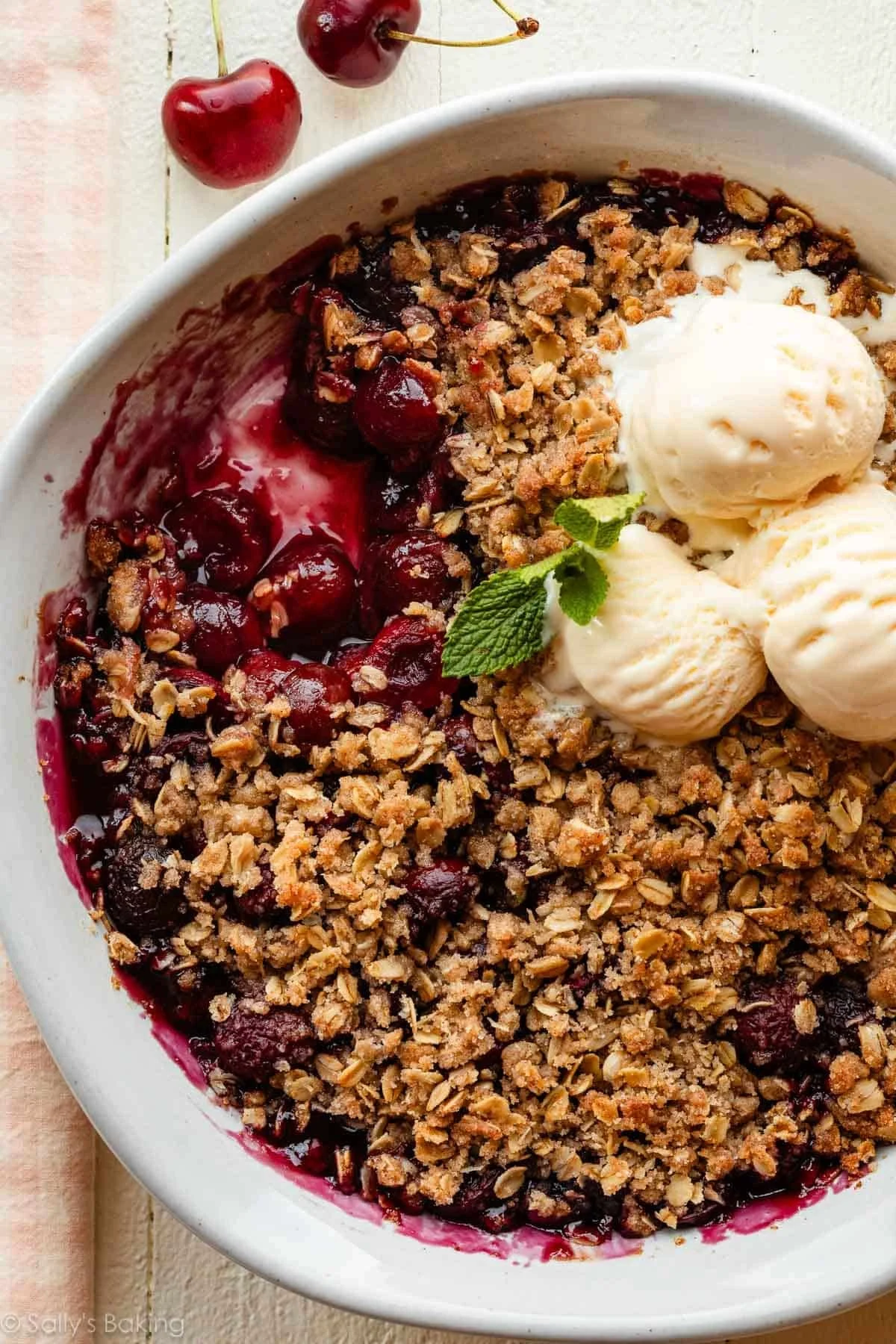
The homemade cherry crisp, a staple of summer dessert tables, continues to capt captivate home bakers and diners alike with its straightforward preparation and comforting flavors. This classic dessert, combining succulent, sweet cherries with a crisp and crumbly brown sugar oat topping, offers a delightful alternative to more labor-intensive fruit pies, making it a perennial favorite for those seeking a balance of indulgence and ease. Its resurgence in popularity underscores a broader trend towards approachable, wholesome desserts that celebrate seasonal produce.
Historical Context and Culinary Evolution
The concept of fruit crisps, often interchangeably referred to as crumbles, traces its origins to wartime Britain, where the scarcity of ingredients made traditional pastry for pies a luxury. Bakers ingeniously developed a simpler topping made from flour, butter, and sugar, which, when baked over stewed fruit, created a comforting, textural contrast. Over time, oats were incorporated, lending a distinctive chewiness and nutty flavor that became characteristic of the "crisp." This culinary innovation quickly crossed the Atlantic, becoming a beloved part of American dessert culture, particularly during summer months when fresh fruits are abundant.
Unlike its more demanding cousin, the cherry pie, a crisp bypasses the need for rolling, chilling, and fussing with delicate pie dough. This significant reduction in preparation time and technical skill required has cemented the crisp’s status as a go-to dessert for casual gatherings and weeknight treats. The inherent simplicity of crisps, which also include variations like peach, strawberry, and apple, reflects a broader culinary movement favoring rustic charm and authentic flavors over elaborate presentations. The ability to serve it warm, directly from the baking dish, further enhances its appeal, fostering a sense of communal enjoyment and informality that aligns with contemporary dining preferences.
The Anatomy of a Perfect Crisp: A Deconstruction
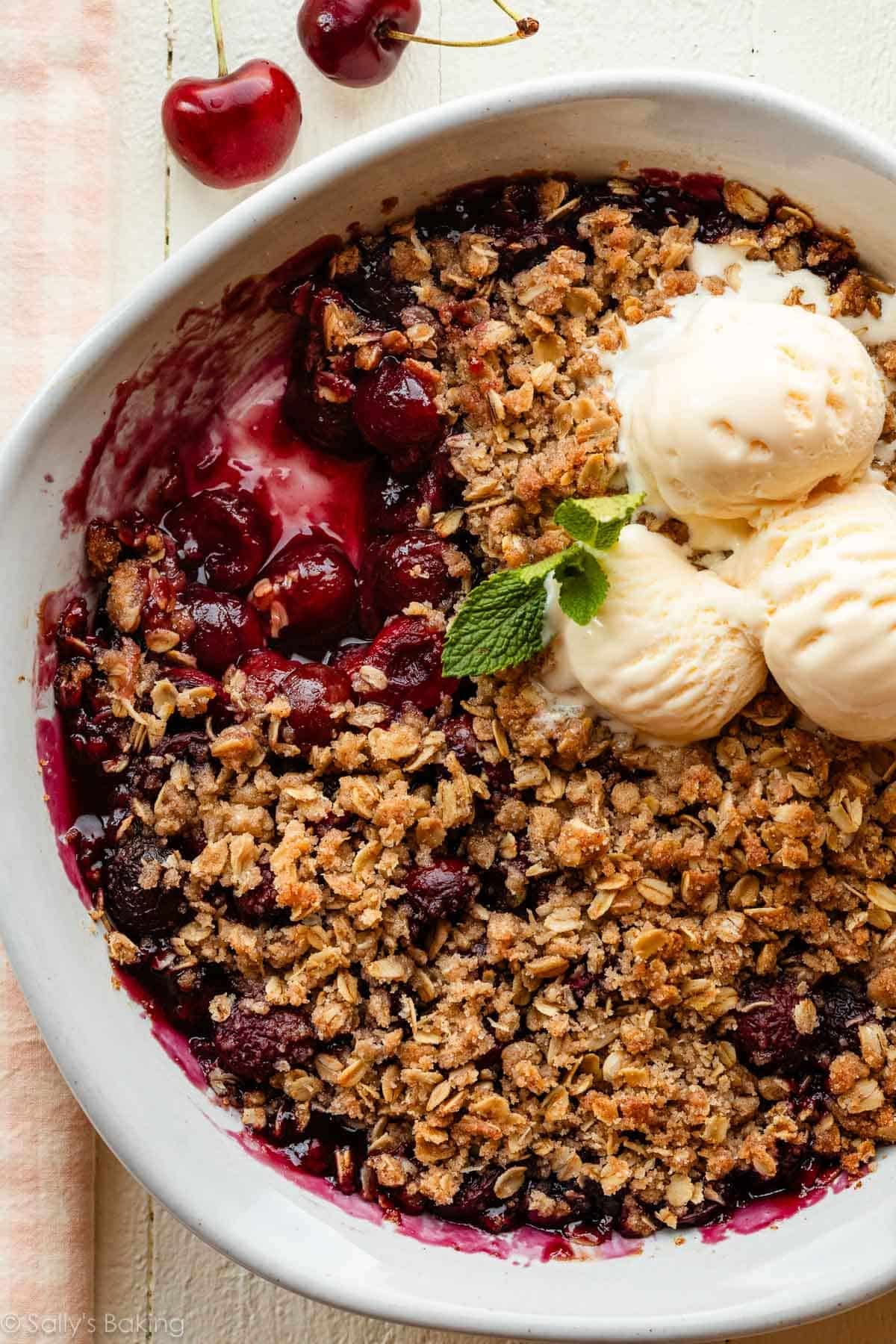
The allure of a well-executed cherry crisp lies in the harmonious interplay between its two primary components: the juicy fruit filling and the golden, textured topping. Achieving this balance requires attention to ingredient quality and fundamental baking techniques.
-
The Cherry Filling: Celebrating Seasonal Bounty
At the heart of any exceptional cherry crisp is, naturally, the cherries themselves. The choice of cherry variety significantly influences the final flavor profile. Dark sweet cherries, such as Bing or Lambert, are frequently favored for their inherent sweetness and deep, rich flavor, which intensifies during baking. Rainier cherries, with their delicate flavor and yellow-red blush, offer a milder, slightly less acidic option. For those who prefer a tangier dessert, tart or sour cherries (like Montmorency) can be used, though culinary recommendations often suggest a slight increase in sugar to balance their tartness, ensuring a palatable sweetness without overwhelming the fruit’s natural zest.The seasonality of cherries, typically peaking in summer, makes fresh cherries the ideal choice. Their firm texture and vibrant flavor are unparalleled. However, recognizing the practicalities of year-round baking, thawed frozen cherries serve as an excellent substitute. The critical step when using frozen fruit is to thaw it completely and blot away any excess moisture. This prevents the filling from becoming overly watery and ensures the desired jammy consistency. Conversely, canned cherries are generally discouraged for this recipe due to their softer texture, which can lead to a mushy filling, detracting from the crisp’s textural integrity.
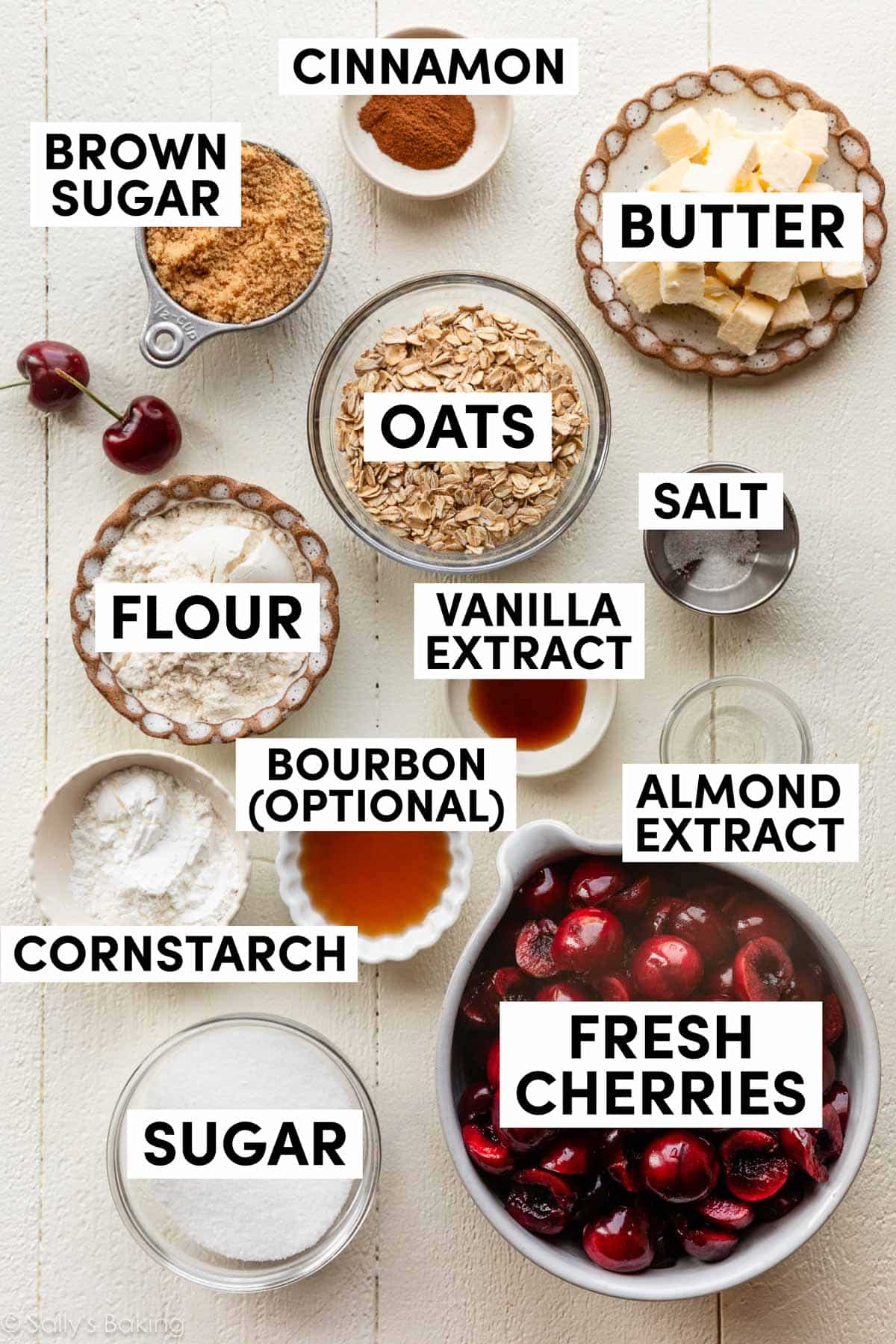
Beyond the fruit, the filling typically incorporates sugar, a touch of cornstarch for thickening, and flavor enhancers. The cornstarch is crucial; as the crisp bakes, the cherry juices release, and the cornstarch activates to create a thick, bubbling, jam-like consistency that cradles the fruit. A splash of vanilla extract is a common addition, amplifying the cherries’ natural sweetness and adding a layer of aromatic warmth. For those seeking an elevated flavor profile, a discreet addition of bourbon can introduce a subtle caramel-like depth that complements the fruit beautifully. This optional ingredient, used in small quantities, transforms the crisp from "great" to "unforgettable," a testament to the power of nuanced flavor pairing in baking.
-
The Crisp Topping: A Symphony of Texture
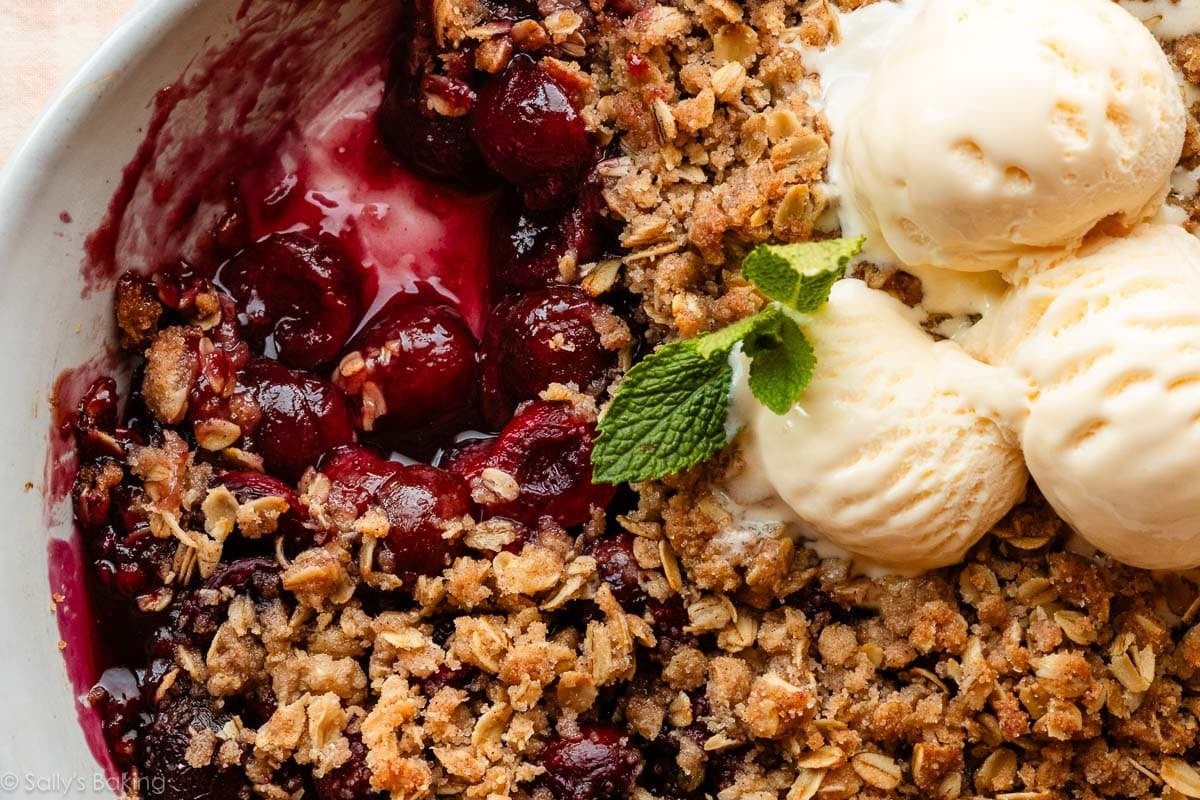
The crumbly oat streusel topping is the crisp’s defining feature, providing a delightful textural contrast to the soft, bubbling fruit below. Key ingredients for this component typically include brown sugar, rolled oats, all-purpose flour, cinnamon, and, critically, very cold butter.The use of brown sugar not only imparts a rich, molasses-like sweetness but also contributes to the topping’s golden-brown hue and slightly chewy texture. Rolled oats are essential for the characteristic "crisp" texture, adding a rustic heartiness and nutty flavor. All-purpose flour binds the ingredients, while cinnamon is almost universally considered a non-negotiable addition. Its warm, comforting spice evokes nostalgic memories of home baking and harmonizes perfectly with the sweet-tart cherries. Some variations may also include sliced almonds, which introduce an extra layer of crunch and nutty flavor, though they can be omitted for those preferring a nut-free dessert.
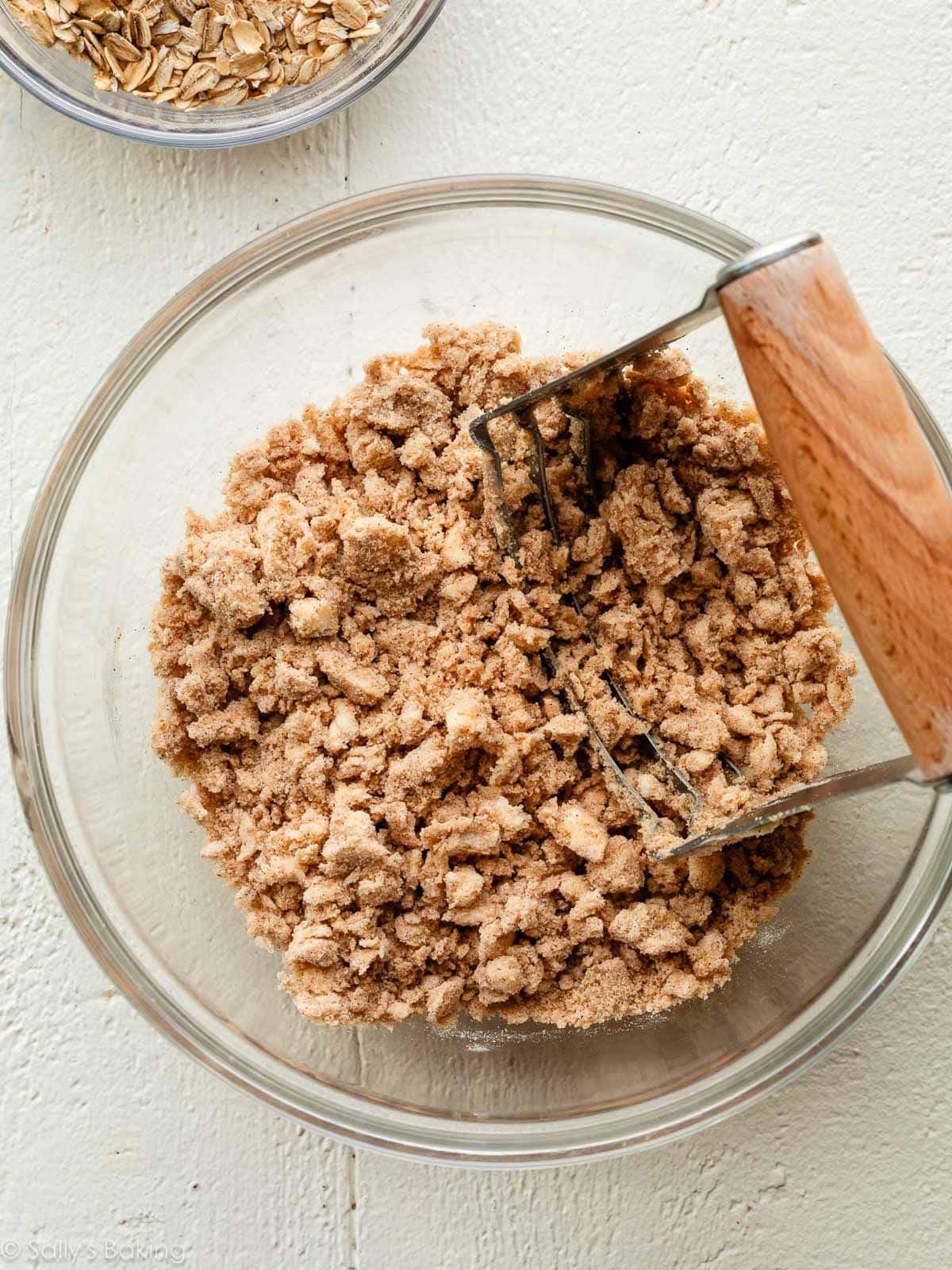
The secret to a truly crisp and crumbly topping, one that doesn’t melt into a uniform layer during baking, lies in the temperature of the butter. Employing very cold, cubed butter, similar to techniques used in pie crusts or biscuits, is paramount. This cold butter is "cut into" the dry ingredients (brown sugar, flour, cinnamon) using a pastry cutter or fingertips until coarse crumbs form. The oats are typically added last to prevent them from breaking down excessively during this process. The cold butter slowly melts in the oven, creating pockets of steam that result in a light, flaky, and distinctively crisp texture. Once prepared, the topping is often chilled or even frozen briefly before baking, further solidifying the butter and ensuring maximum crispness. This small but vital step is consistently highlighted by experienced bakers as the key to success.
Preparation Insights and Efficiency
The preparation of a homemade cherry crisp is notably efficient, with the most time-consuming step often being the pitting of fresh cherries. This task, while potentially tedious, can be significantly streamlined with the use of a specialized cherry pitter. Culinary tools like these, though used infrequently, prove invaluable during peak cherry season, transforming a laborious process into a manageable one. For those without a pitter, or when fresh cherries are out of season, the convenience of pre-pitted frozen cherries offers a practical alternative.
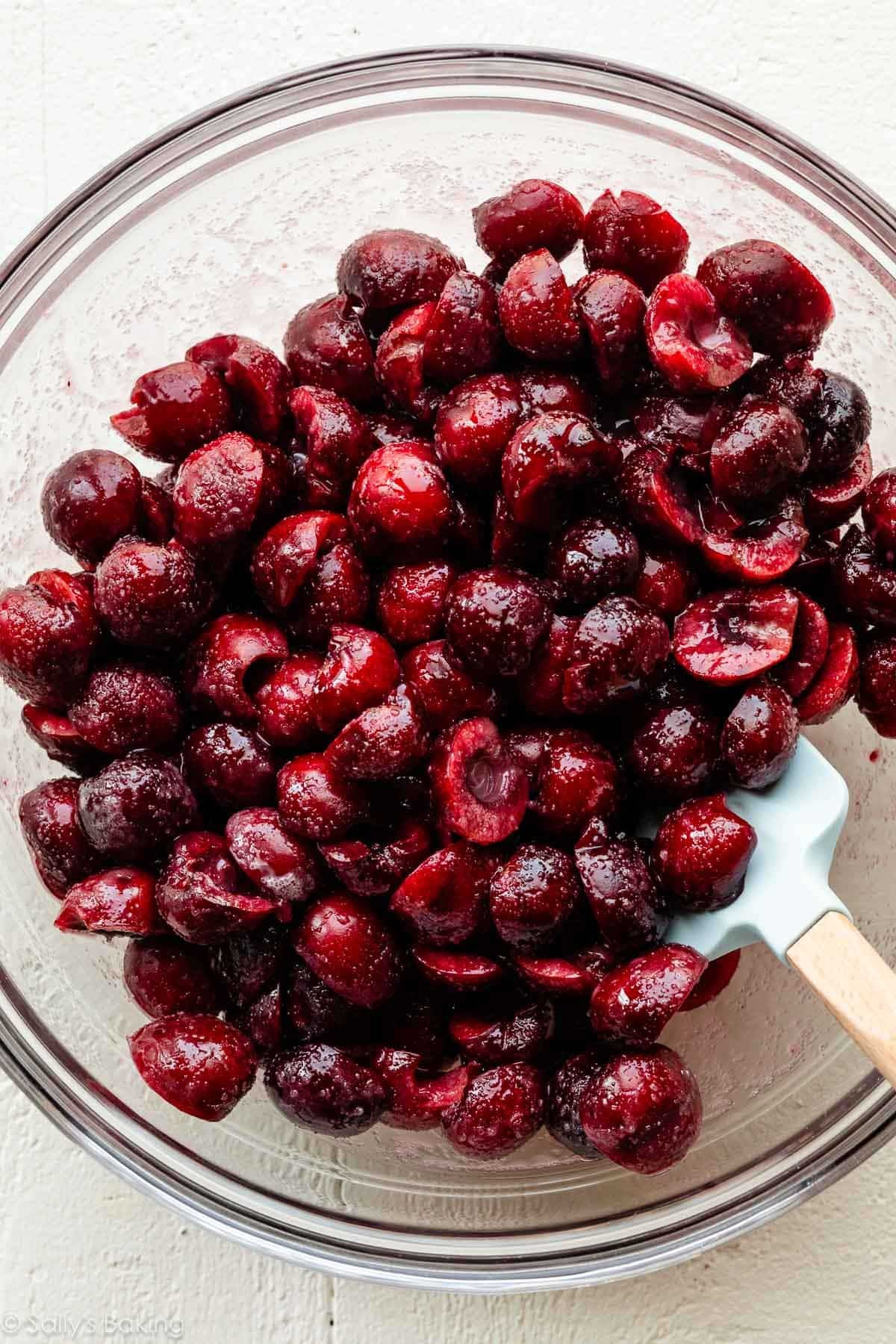
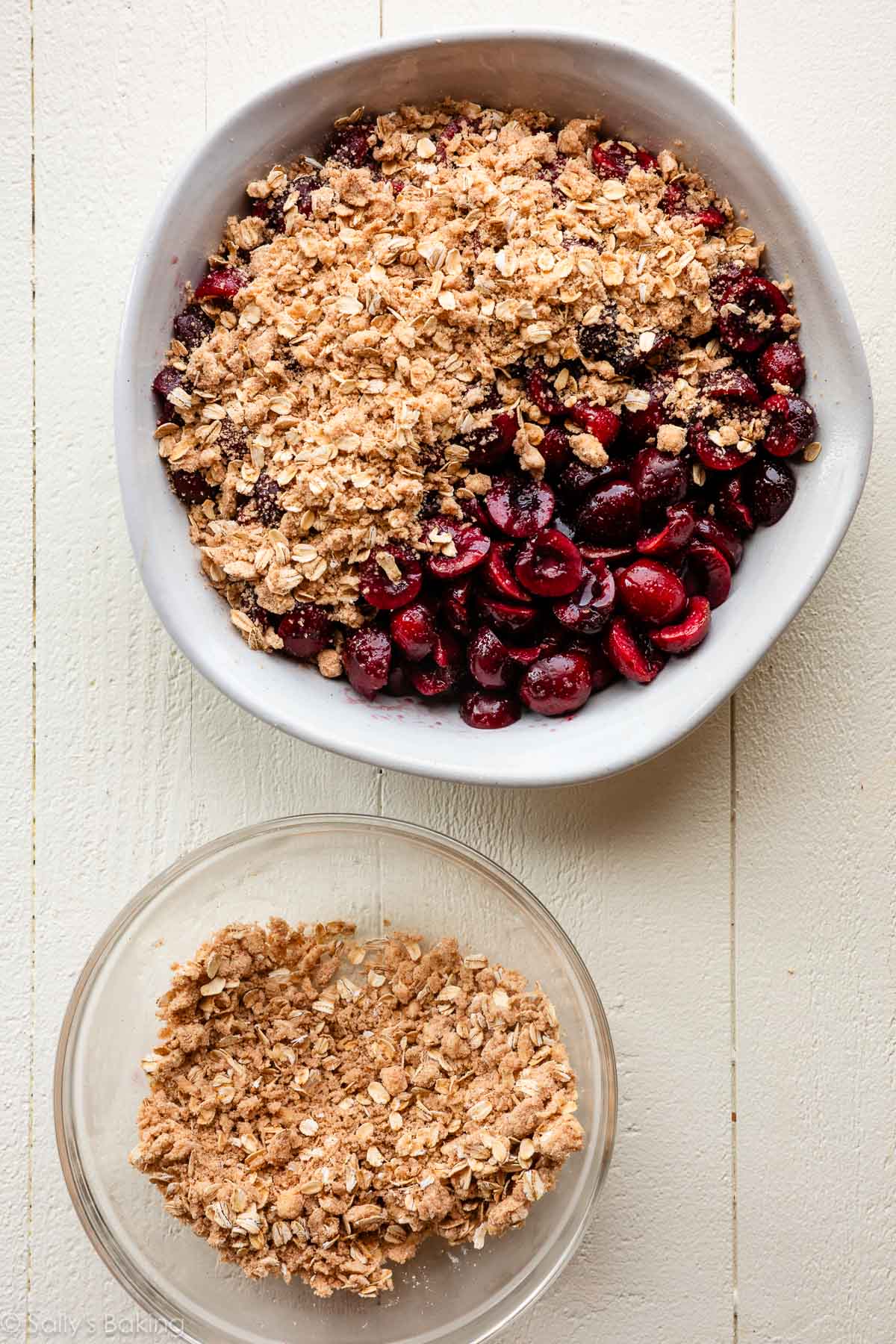
Once the cherries are prepped, the filling comes together in minutes by simply mixing the ingredients and pouring them into a baking dish. No pre-cooking of the fruit is required, further simplifying the process. The cold streusel topping is then generously sprinkled over the fruit, and the crisp is ready for the oven.
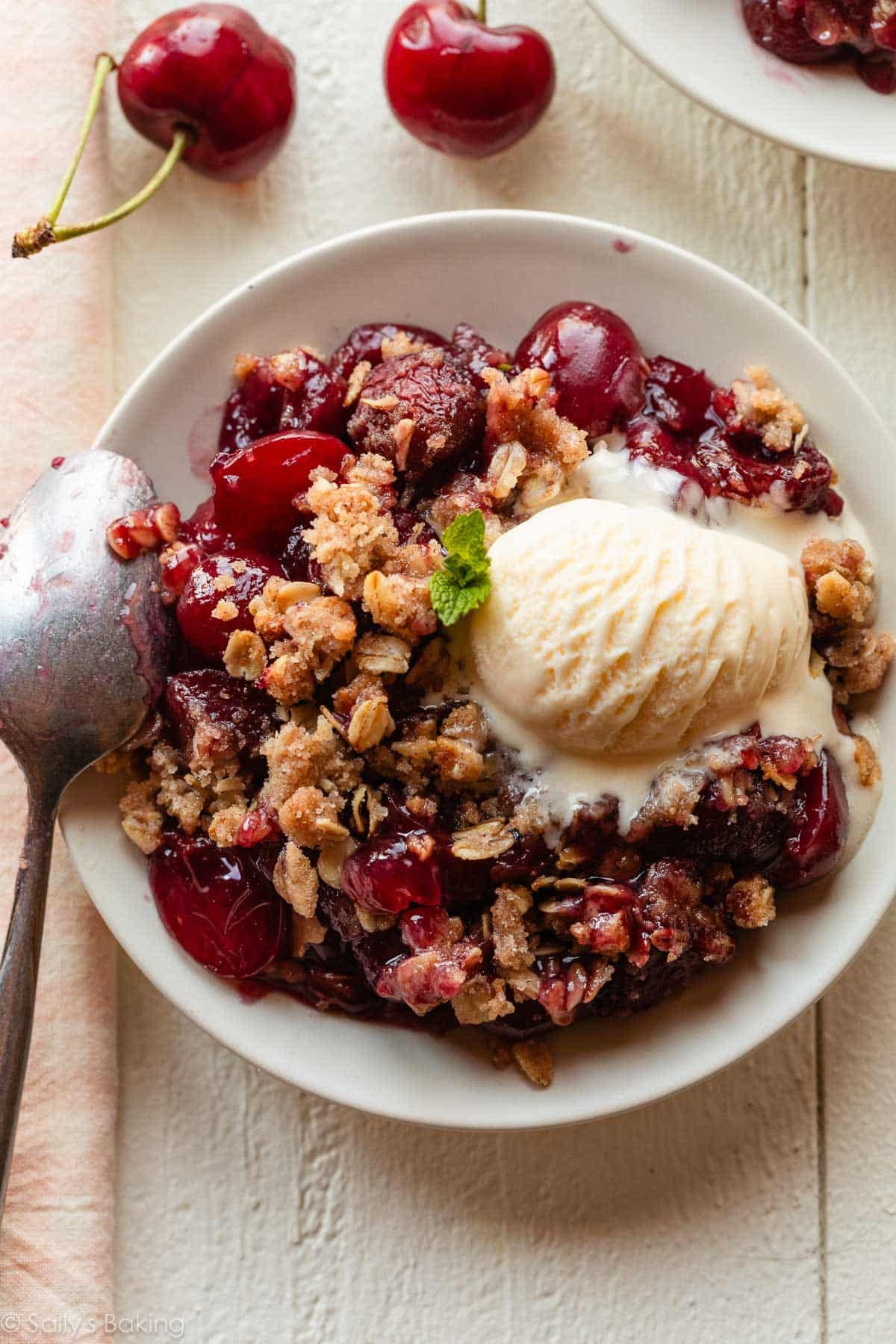
Baking typically takes under an hour, during which the kitchen fills with the irresistible aroma of warm fruit and spices. A visual cue for doneness is a visibly bubbling filling around the edges of the dish, indicating that the cornstarch has fully activated and the filling has properly thickened. While the temptation to dig in immediately is strong, a brief cooling period of about 10 minutes is recommended. This allows the filling to set slightly, making for easier and cleaner serving. This short pause also provides the perfect opportunity to prepare accompaniments like a scoop of creamy vanilla ice cream or a dollop of freshly whipped cream, elevating the dessert experience.
Broader Impact and Culinary Significance
The enduring popularity of the cherry crisp extends beyond its delicious taste and ease of preparation. It embodies several broader culinary and societal implications. Environmentally, it promotes the use of seasonal, locally sourced produce, supporting agricultural communities during cherry harvest season. Economically, the consistent demand for ingredients like fresh cherries, oats, and baking staples contributes to the food retail sector.
From a culinary trend perspective, the crisp aligns with a growing appreciation for comfort food and home baking. In an era where complex techniques can be intimidating, the cherry crisp offers a gateway to rewarding baking experiences for cooks of all skill levels. Its adaptability also means it can be tweaked to suit various dietary needs, such as using gluten-free oats and flour for a gluten-free version, as demonstrated by similar recipes for apple crisp.
The cherry crisp also plays a significant role in social gatherings, serving as a centerpiece dessert for summer BBQs, picnics, and family dinners. Its rustic, unfussy presentation encourages a relaxed atmosphere, contrasting with more formal desserts. The sensory experience—the warmth, the aroma, the contrast of textures—contributes to a feeling of nostalgia and comfort, reinforcing its status as a timeless classic.
Versatility and Storage
The cherry crisp’s versatility extends to its make-ahead and storage capabilities. A baked crisp can be cooled completely and refrigerated for up to five days, making it an excellent option for meal planning or entertaining. Reheating before serving helps restore its warmth and desirable texture. Furthermore, baked cherry crisp freezes exceptionally well, allowing home bakers to enjoy the taste of summer cherries long after the season has passed. These practical aspects further enhance its appeal, cementing its place as a flexible and reliable dessert option.
In conclusion, the homemade cherry crisp is more than just a recipe; it is a culinary tradition that speaks to simplicity, seasonality, and the enduring pleasure of home baking. Its uncomplicated nature, coupled with its delightful flavor and texture, ensures its continued prominence on dessert menus, celebrating the bounty of summer with every warm, crumbly bite.
