
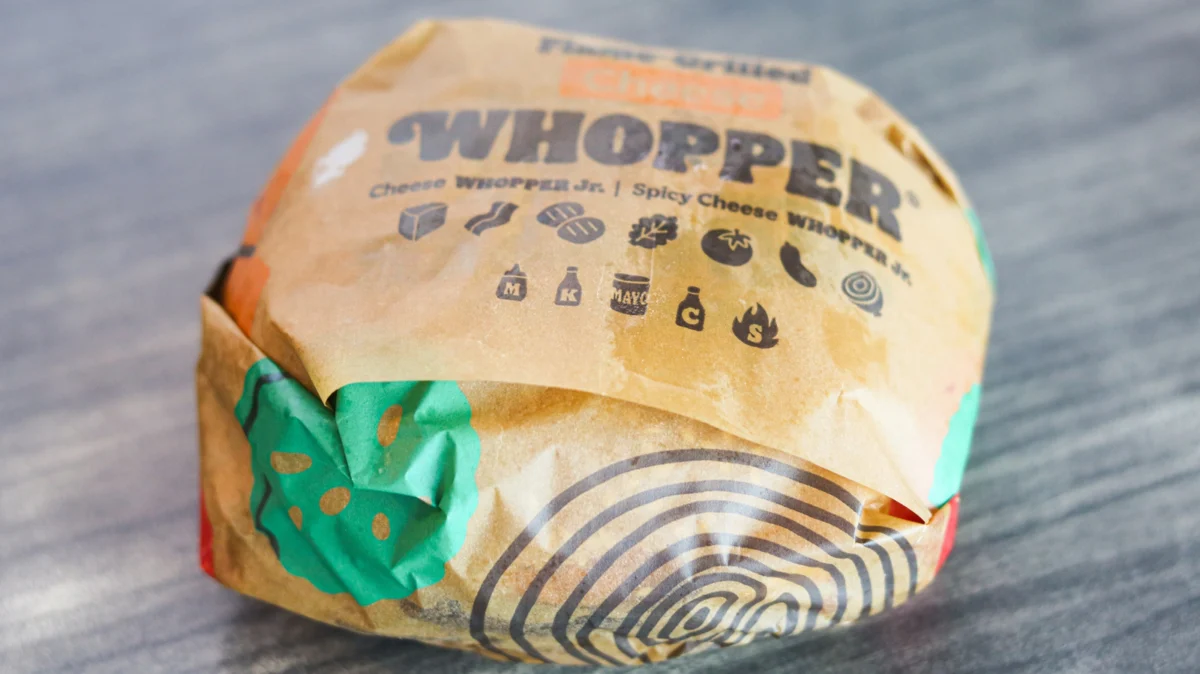
Burger King is once again facing scrutiny over its advertising practices, with a protracted legal battle alleging that the fast-food giant has consistently misrepresented the size of its signature Whopper burger. The controversy, which first surfaced in 2020 and has since evolved into a class-action lawsuit, centers on claims that promotional images depict burgers substantially larger and meatier than what customers actually receive. This ongoing legal saga raises questions about the fine line between enticing marketing and deceptive advertising in the highly competitive fast-food industry.
The initial lawsuit, filed in 2020, accused Burger King of exaggerating the size of its Whopper burgers by as much as 35%. The plaintiffs contended that the visual representations in advertisements were misleading, showing a burger with a significantly more voluminous patty and overflowing toppings, creating an expectation that was not met by the actual product served. Burger King has consistently denied these allegations, maintaining that the patties used in their advertisements are indeed the same as those served to customers, and that the size of the Whopper has remained consistent over the years.
The legal proceedings gained further traction in 2022 when four additional plaintiffs joined the case, reiterating similar claims. This wave of complaints led to the lawsuit being certified as a class action in 2023. At that juncture, the lawsuit alleged that Burger King was "materially overstating the size of nearly every menu item in its current advertisements," according to reporting by USA Today. This broad accusation suggests that the issue extended beyond just the Whopper, encompassing a wider range of menu items depicted in the chain’s marketing materials.
A significant development occurred in early 2025 when a judge ruled that the class-action lawsuit could proceed. However, by November of the same year, Burger King secured a partial victory. The same judge determined that the diverse nature of the claims, originating from plaintiffs across 13 states with 19 distinct plaintiffs at the time, made nationwide class-action status inappropriate. While this ruling narrowed the scope of the litigation, it did not lead to the outright dismissal that Burger King had sought, indicating that legal challenges would continue, albeit on a more localized basis.
Burger King’s Defense and the Role of Food Styling
Burger King’s defense hinges on the assertion that their advertisements accurately reflect the product. The company contends that the patties used in promotional materials are identical to those served to consumers. However, the core of the plaintiffs’ argument lies in the techniques employed by food stylists, whose profession is to make food appear as visually appealing as possible for advertising purposes.
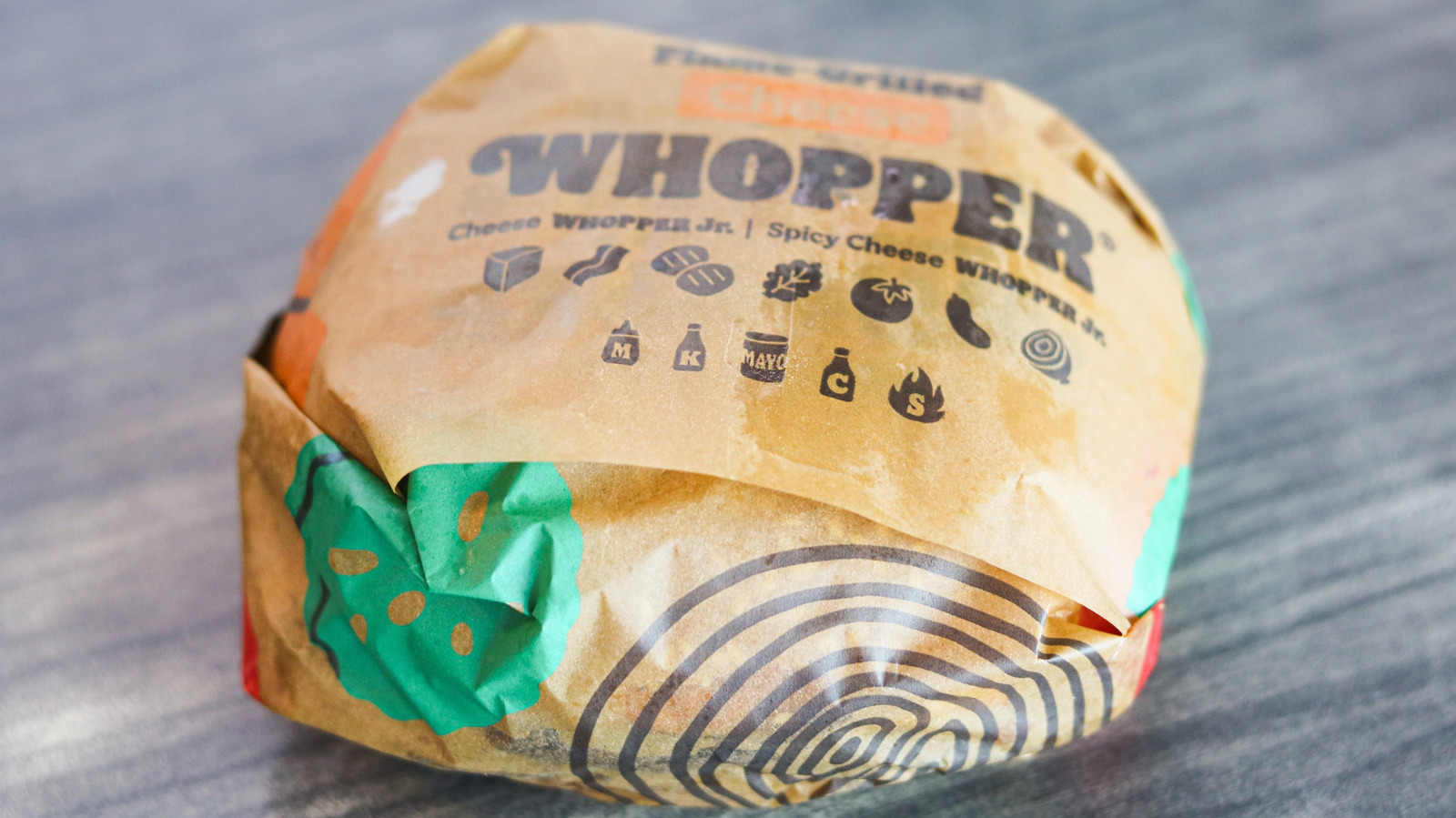
Food stylists often employ methods that can enhance the perceived size and texture of food. This can include undercooking patties to maintain their volume and prevent them from appearing flat, arranging toppings meticulously, and using props or lighting to create an illusion of grandeur. The argument from the plaintiffs is that these enhancements, while standard practice in advertising, cross the line into misrepresentation when the resulting image is so far removed from the reality of the product.
This practice of using stylized food in advertising is not unique to Burger King. Similar lawsuits have been filed against other major fast-food chains, including Wendy’s and McDonald’s, concerning the visual representation of their burgers. In one notable instance, a lawsuit against Wendy’s and McDonald’s was ultimately dismissed. The judge in that case reasoned that presenting visually appealing food in advertisements is a common and accepted practice across various industries, not exclusive to fast food. The argument was that consumers understand that advertising often aims to entice, and that readily available information on menus and websites provides accurate details about product specifications.
Precedent and Potential Implications for Burger King
The outcome of the earlier lawsuits against Wendy’s and McDonald’s offers a potential roadmap for the Burger King case. A key factor in the dismissal of those suits was the availability of detailed information about burger size and caloric content on the companies’ respective websites. The judge in that case suggested that consumers seeking precise details about a burger’s dimensions had access to this information.
The implication for Burger King is that the court presiding over its case might similarly consider whether such detailed information was readily accessible to consumers. If Burger King provided comparable transparency regarding the specifications of its Whopper, it could bolster their defense. However, the differing circumstances and specific allegations in the Burger King case mean that a direct replication of the earlier rulings is not guaranteed. The judge’s decision to allow the Burger King case to proceed to some extent indicates that there are perceived differences or merits in the claims that warrant further examination.
Consumer Reactions and Broader Industry Impact
The Burger King false advertising lawsuit has also sparked considerable discussion among consumers, particularly on online platforms like Reddit. Many users have expressed skepticism regarding the lawsuit, with some labeling it as "frivolous litigation." This sentiment often stems from a belief that such lawsuits inflate costs for consumers through increased prices and that advertising naturally involves some degree of enhancement to attract customers. The analogy is frequently drawn to other industries where product presentation in advertising is aspirational rather than strictly literal.
However, the core of the legal argument is not about aspirational advertising but about a perceived material misrepresentation that influences purchasing decisions. The plaintiffs argue that the visual exaggeration is so significant that it constitutes a deceptive practice, leading consumers to purchase a product based on an inaccurate depiction of its size and substance.
The broader implications of this ongoing lawsuit for the fast-food industry are significant. If Burger King is found liable, it could set a precedent for greater scrutiny of advertising practices across the sector. This might compel fast-food companies to be more conservative in their promotional imagery or to provide even more explicit disclaimers about the nature of food styling in advertisements. Conversely, if Burger King successfully defends itself, it may reinforce the current industry norms regarding advertising presentation, provided that sufficient transparency about product details is maintained.
The legal journey of this Burger King false advertisement scandal is far from over. As the case progresses through the judicial system, its outcome will not only determine the fate of Burger King’s advertising practices but could also shape consumer expectations and regulatory oversight for the entire fast-food industry. The ongoing debate highlights the complex interplay between marketing, consumer perception, and legal accountability in the modern marketplace. The enduring nature of this particular scandal underscores the lasting impact that advertising claims can have on consumer trust and brand reputation. The sheer volume of discussion and legal action points to a deep-seated concern among some consumers about the perceived disconnect between advertised ideals and everyday reality when it comes to their favorite fast-food indulgences. The case serves as a potent reminder for all businesses that in an era of increased consumer awareness and readily accessible information, transparency and accuracy in marketing are not just good practices, but potentially legal necessities.
