
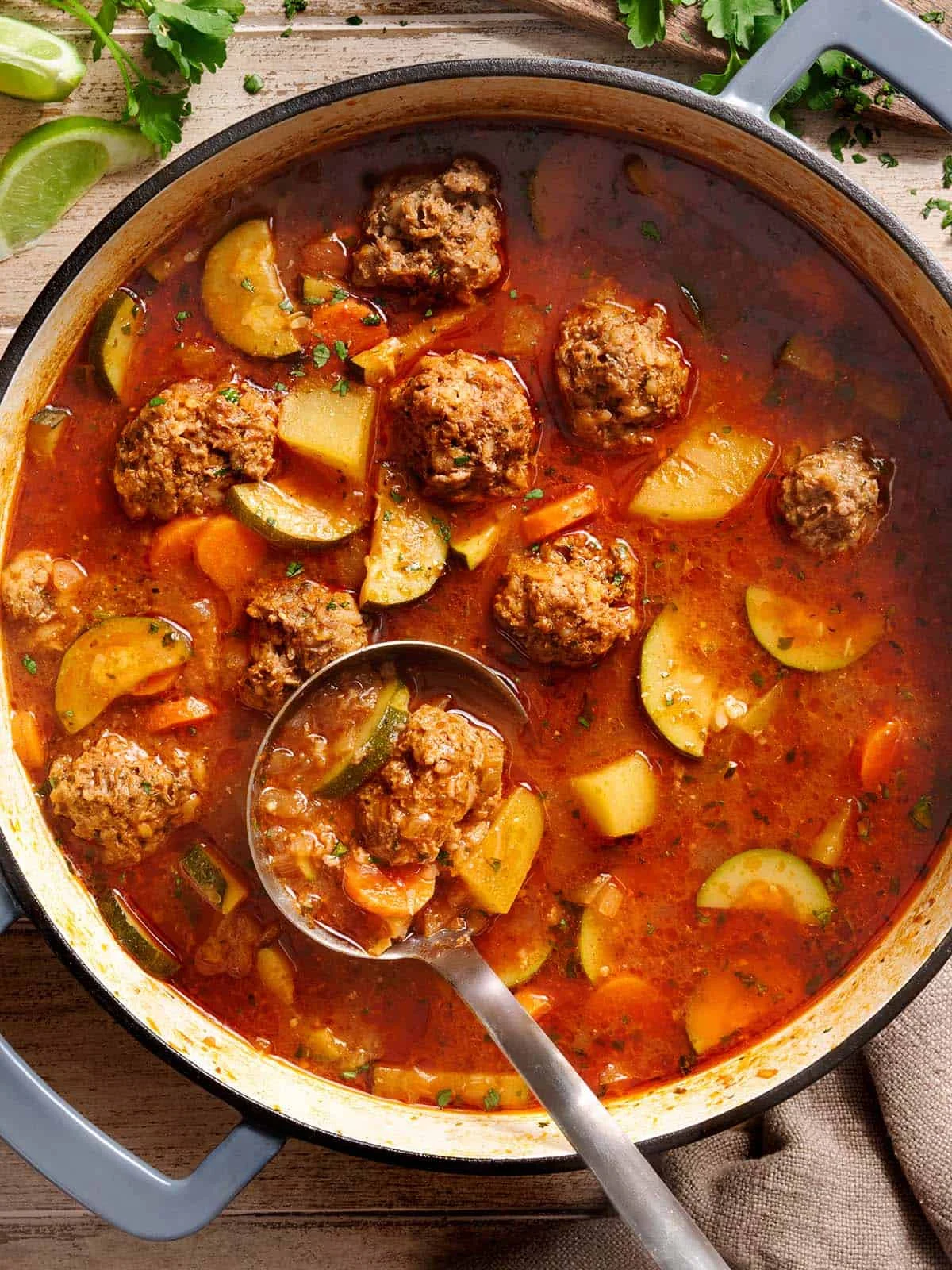
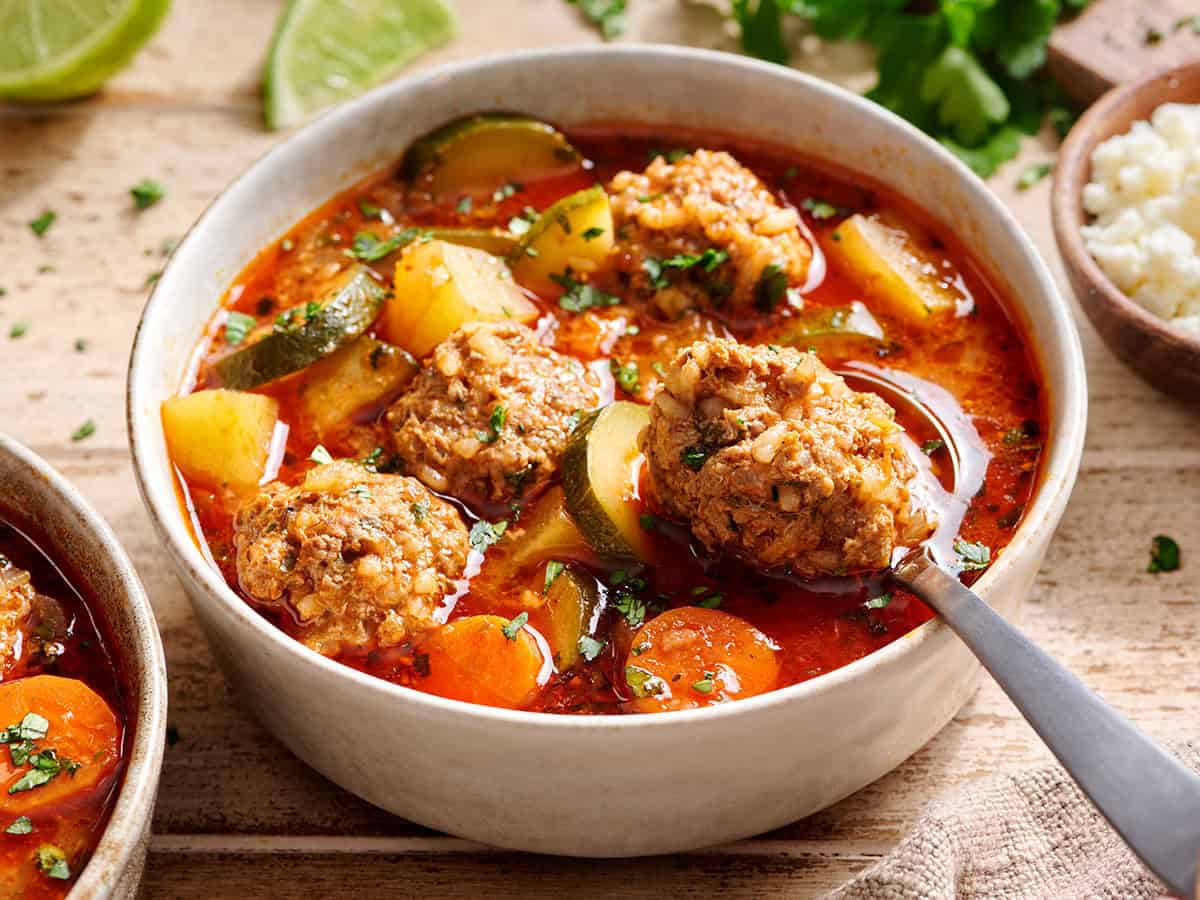
Mexican meatball soup, known traditionally as Albóndigas, represents a sophisticated intersection of transcontinental history, regional adaptation, and modern home economics. Recently analyzed and refined by culinary researchers at the Nashville Test Kitchen, the dish has emerged as a primary example of how traditional comfort foods are being adapted to meet contemporary dietary needs and budgetary constraints. By replacing traditional bread-based binders with uncooked rice, modern iterations of the recipe have achieved a gluten-free profile while maintaining the structural integrity and flavor density that have characterized the dish for centuries.
Historical Origins and Etymological Evolution
The history of Albóndigas is a testament to the global nature of culinary development. The word "albóndiga" is derived from the Arabic term al-bunduq, which translates to "the hazelnut" or, more broadly, a small, round object. This linguistic root points to the dish’s origins in the Islamic world, specifically within the culinary traditions of the Abbasid Caliphate. During the period of Al-Andalus, Arabic culinary techniques were introduced to the Iberian Peninsula, where the concept of the spiced meatball was integrated into Spanish gastronomy.
Following the Spanish arrival in the Americas, the dish underwent a second major transformation. In the regions that would become modern-day Mexico, the Spanish meatball was incorporated into indigenous soup traditions. While European versions often served meatballs in thick sauces, the Mexican adaptation favored a clear, vegetable-rich broth. Over generations, Albóndigas soup evolved into a staple of the fonda (small, family-run eatery) and the domestic kitchen, valued for its ability to stretch a small amount of meat into a hearty, multi-person meal through the addition of seasonal produce and grains.
Economic Analysis and Cost-Efficiency
In an era of fluctuating food prices, the economic profile of Albóndigas soup has made it a subject of interest for budget-conscious culinary experts. According to data provided by the Nashville Test Kitchen, a standard six-serving batch of the soup can be produced for approximately $12.78, which equates to a per-serving cost of $2.13. This price point positions the dish as a highly competitive alternative to both processed convenience foods and restaurant-tier options.
The cost-efficiency is achieved through several strategic ingredient choices:
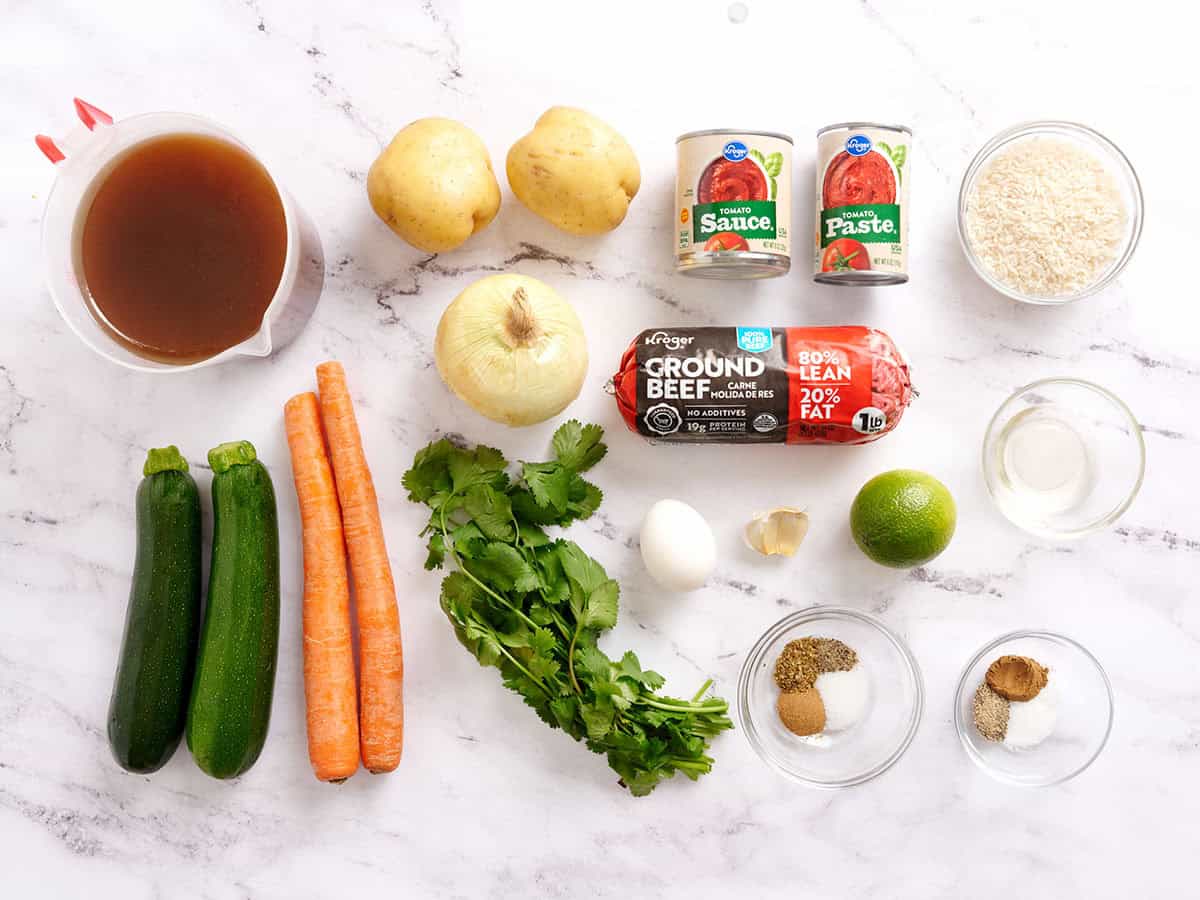
- Grain Substitution: The use of half a cup of uncooked white rice as a binder is significantly less expensive than specialized breadcrumbs or pre-processed fillers.
- Vegetable Bulking: The inclusion of Yukon gold potatoes, carrots, and zucchini provides substantial volume and nutrient density at a low cost-per-ounce.
- Concentrated Bases: The utilization of bouillon concentrates, such as Better Than Bouillon, allows for a more controlled seasoning profile and a lower cost compared to purchasing multiple liters of pre-made liquid beef stock.
Nutritional Profile and Dietary Considerations
From a nutritional standpoint, the modern preparation of Mexican meatball soup offers a balanced macronutrient distribution suitable for a variety of dietary regimens. A standard two-cup serving contains approximately 390 calories, providing a substantial meal without excessive caloric density.
The protein content, measured at 21 grams per serving, is primarily derived from ground beef, though the inclusion of an egg in the meatball mixture provides additional high-quality protein. The carbohydrate count stands at 33 grams, largely sourced from the rice and the complex carbohydrates in the potatoes and carrots. With 20 grams of fat and 4 grams of fiber, the soup provides a satiety level that is often lacking in broth-based dishes.
A significant technical achievement in the Nashville-tested version is the inherent gluten-free status of the dish. By avoiding flour or bread-based thickeners and binders, the recipe accommodates individuals with celiac disease or gluten sensitivities without requiring expensive specialty ingredients. However, analysts note that the sodium content—approximately 1,799 mg per serving—is a factor that health-conscious consumers may need to monitor, suggesting that low-sodium broth alternatives could be utilized to adjust the profile.
Technical Preparation and Culinary Mechanics
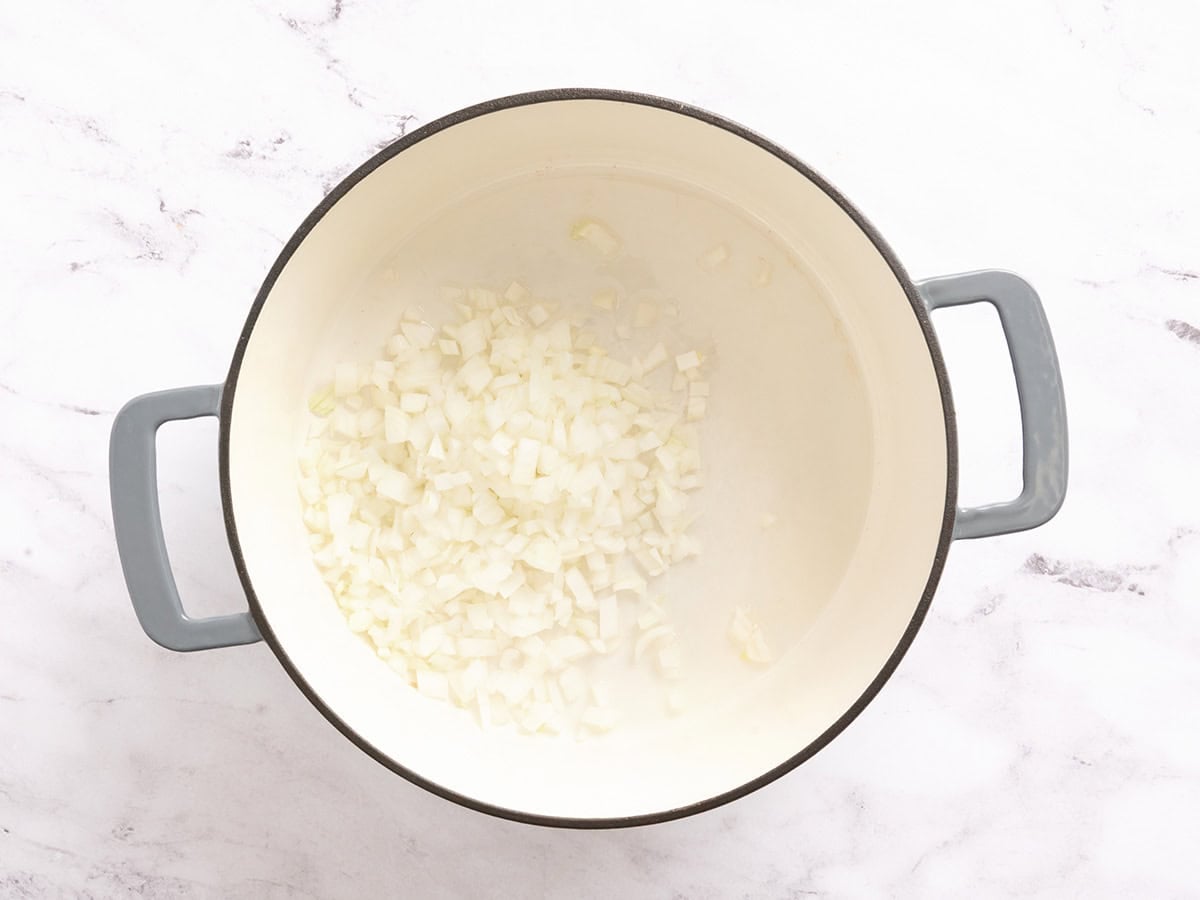
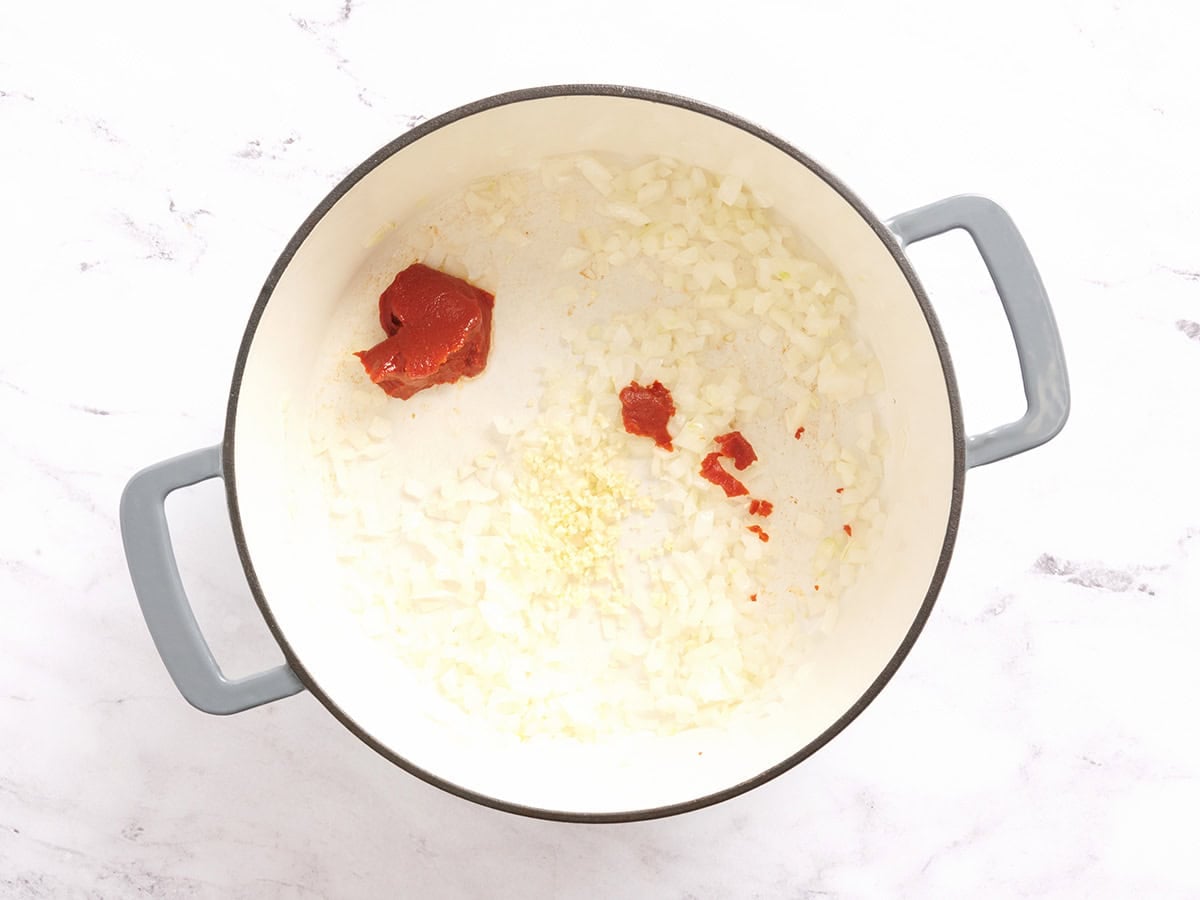
The success of Albóndigas soup relies on a specific sequence of chemical and thermal reactions. Culinary technicians emphasize the importance of the "aromatic base," which involves sautéing onions, garlic, and tomato paste until a Maillard reaction occurs, deepening the flavor of the broth before the liquid components are introduced.
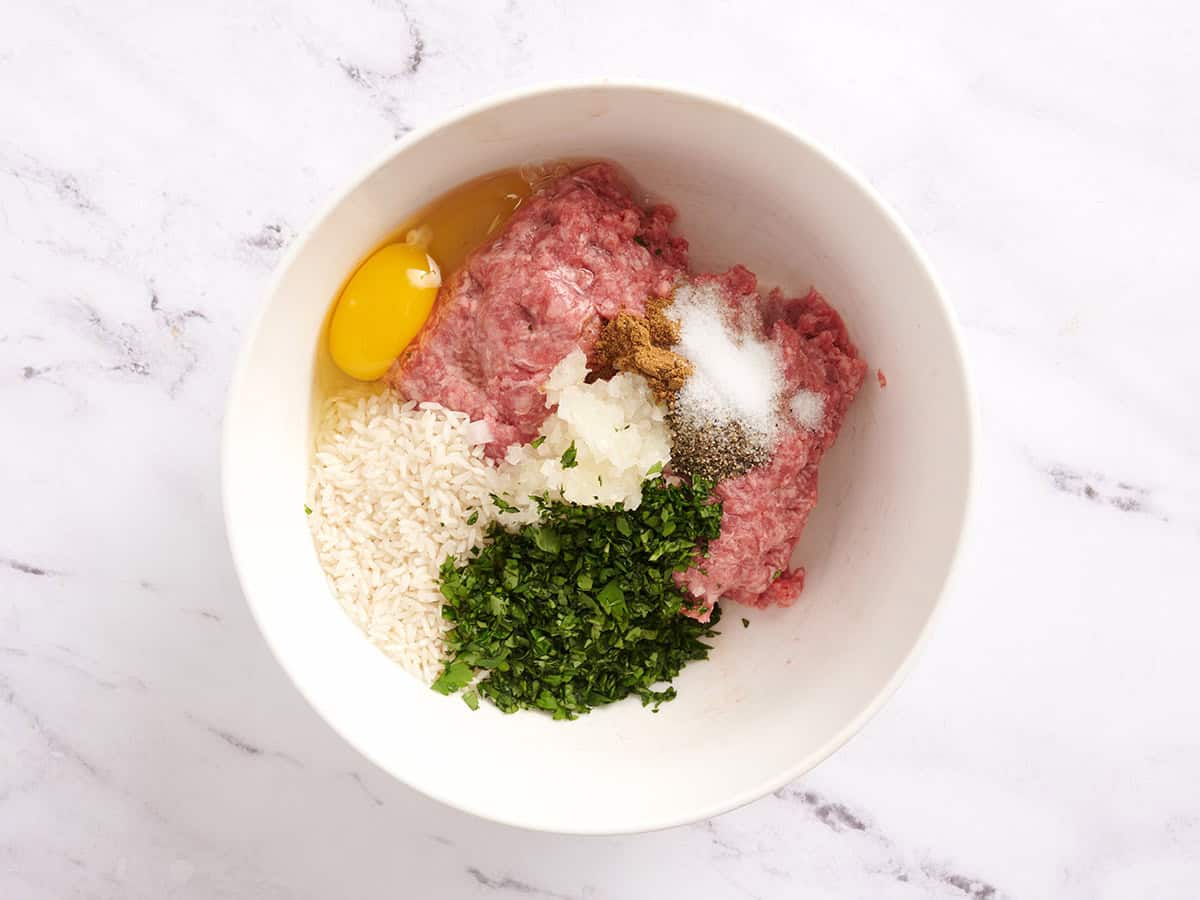
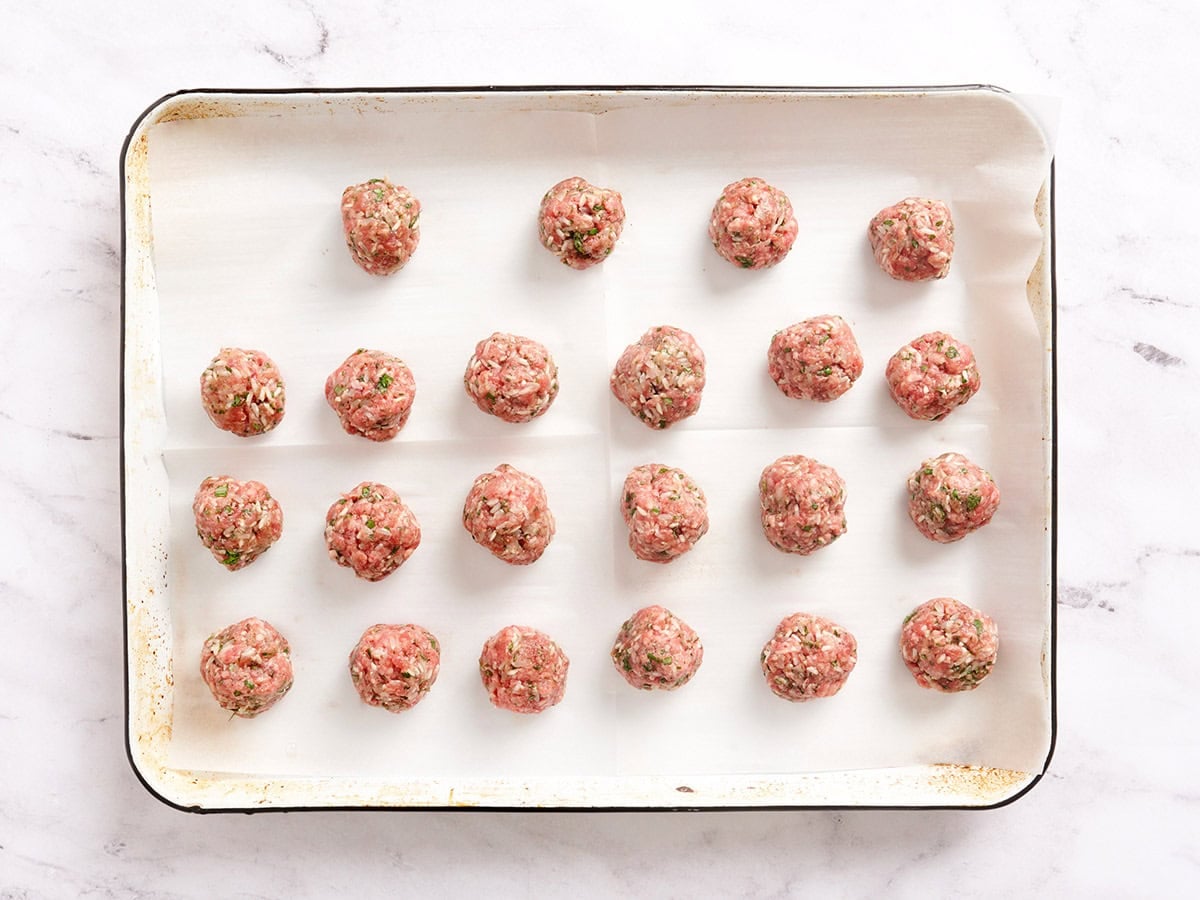
The construction of the meatballs themselves requires a delicate balance. The inclusion of uncooked rice is not merely a cost-saving measure; as the meatballs simmer, the rice absorbs moisture from the surrounding meat and broth, expanding to create a tender, porous texture. This process requires a specific simmering technique: meatballs must be lowered into the liquid at a gentle simmer and left undisturbed for at least five minutes. This allows the proteins to denature and "set," preventing the meatballs from disintegrating into the broth.
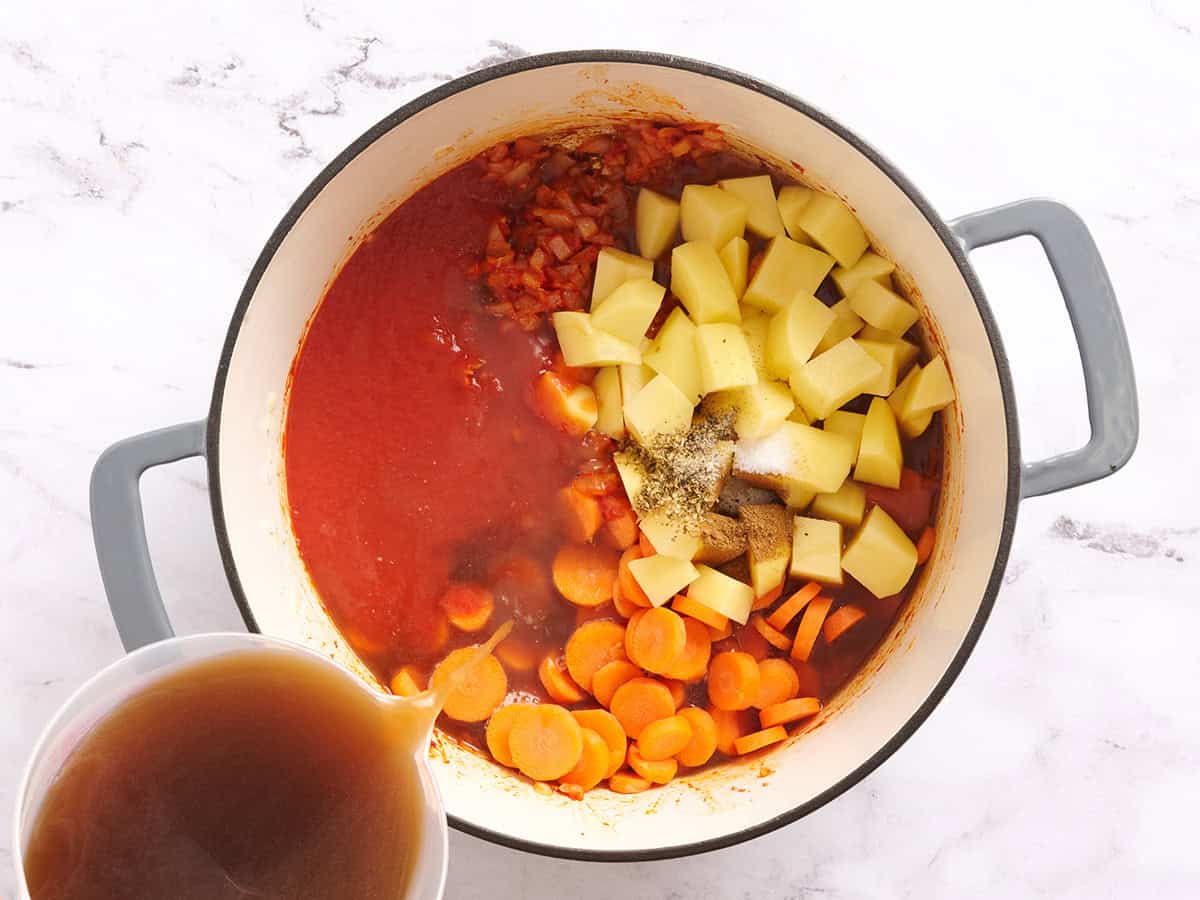
The chronology of vegetable addition is also critical to the dish’s final texture. Carrots and potatoes, which require longer cooking times to reach starch gelatinization, are added early in the process. Zucchini, which has a high water content and delicate cell structure, is added in the final five minutes of simmering to prevent it from becoming mushy, ensuring a "bright" and fresh mouthfeel.
Chronological Cooking Process
For the purposes of replication and standardization, the cooking process is divided into distinct phases:
- Phase I: Component Preparation: Meatballs are formed using ground beef, rice, egg, and a specific blend of cumin and cilantro. Technicians recommend a 1.5-inch diameter to ensure even heat distribution.
- Phase II: The Sauté: Aromatics are cooked in a high-thermal-mass vessel, such as a Dutch oven, to develop the flavor base.
- Phase III: Broth Integration: Beef broth and tomato sauce are combined with the long-boil vegetables and brought to a simmer.
- Phase IV: The Poaching: Meatballs are simmered for 10–15 minutes, allowing the rice inside to hydrate fully.
- Phase V: Finishing: The addition of zucchini and fresh lime juice provides a final layer of acidity and texture.
Expert Reactions and Cultural Impact
Culinary historians and professional chefs have noted that the enduring popularity of Albóndigas soup lies in its "layered" flavor profile. The use of lime juice as a finishing agent is frequently cited as a masterclass in flavor balancing. The acidity of the lime cuts through the richness of the beef fat, while the fresh cilantro adds a volatile herbal note that contrasts with the earthy, dried oregano and cumin in the broth.
"The beauty of this dish is its resilience," says one culinary analyst. "It is a recipe that has survived the transition from the royal courts of the Middle East to the rural kitchens of Mexico, and now to the digital, budget-conscious landscape of the 21st century. It proves that simplicity and affordability do not have to come at the expense of culinary complexity."
Furthermore, the "next-day effect"—the observation that the soup’s flavor improves after 24 hours of refrigeration—is attributed to the continued marriage of spices and the absorption of the tomato-beef base into the vegetables and rice. This makes the dish an ideal candidate for "meal prepping," a growing trend in modern home management aimed at reducing food waste and labor.
Broader Implications for Home Economics
The promotion of recipes like Mexican Meatball Soup by platforms such as Budget Bytes reflects a broader shift in the food industry. As the cost of living increases, there is a renewed focus on "peasant cooking"—dishes that utilize inexpensive cuts of meat and seasonal vegetables to create high-volume, high-nutrition meals.
The Nashville Test Kitchen’s rigorous testing of these recipes serves as a form of consumer advocacy, ensuring that home cooks can achieve predictable, high-quality results without the risk of wasting expensive ingredients. By providing precise cost-per-serving data and step-by-step visual documentation, these culinary organizations are empowering a new generation of home cooks to embrace traditional techniques that are both sustainable and culturally significant.
In conclusion, Albóndigas soup is more than a mere recipe; it is a historical artifact that continues to adapt. Its current iteration—gluten-free, budget-friendly, and nutritionally dense—stands as a model for the future of domestic cooking, where tradition and efficiency exist in a state of perfect balance.
