
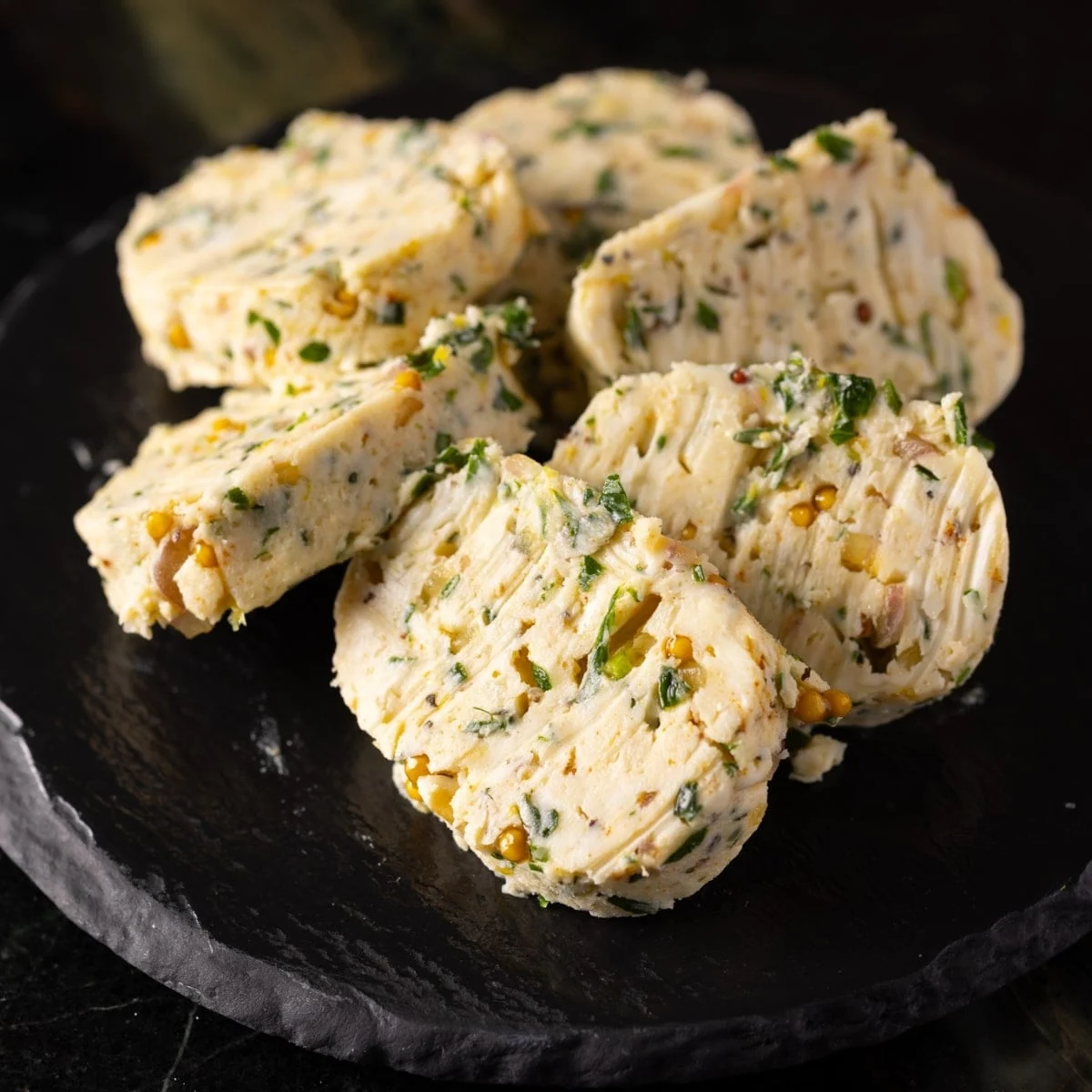
The culinary landscape of home grilling and high-end steakhouse preparation has seen a significant shift toward the utilization of compound butters, with Cowboy Butter emerging as a premier choice for enthusiasts seeking to elevate the flavor profiles of proteins and vegetables. This specific iteration of Cowboy Butter, characterized by its integration of fresh shallots, chives, parsley, thyme, and citrus notes, represents a sophisticated evolution of traditional French beurre composé. Designed for efficiency and maximum sensory impact, the preparation requires no heat and minimal equipment, allowing for a ten-minute assembly that results in a versatile condiment suitable for a wide range of applications, from ribeye steaks to grilled seafood and artisanal breads.
The Composition and Nutritional Profile of Cowboy Butter
The foundation of Cowboy Butter lies in the selection of high-quality fats and fresh aromatics. Unlike standard table butter, this compound version acts as a concentrated flavor delivery system. The primary ingredients—shallots, chives, parsley, and thyme—provide a balance of sharp, earthy, and bright notes. The addition of lemon zest or juice introduces necessary acidity, which serves to cut through the richness of the butter and the fatty marbling often found in premium cuts of meat like ribeye or New York strip.
From a nutritional standpoint, Cowboy Butter is a calorie-dense addition to a meal, reflecting its status as a luxury condiment. A single serving, typically defined as one tablespoon, contains approximately 207 calories. The fat content is substantial at 23 grams, with 15 grams being saturated fat. However, it also provides trace amounts of Vitamin A (881 IU) and Vitamin C (3 mg), largely derived from the fresh herbs and lemon. For the health-conscious consumer, the use of Cowboy Butter is generally viewed through the lens of moderation, serving as a flavor enhancer that reduces the need for high-sodium sauces or processed marinades.

Chronology of Compound Butters in Gastronomy
The history of compound butter, or beurre composé, traces back to classical French cuisine, where it was utilized by chefs to finish sauces and provide a glossy, flavorful coating to meats. Historically, the most famous iteration was Beurre Maître d’Hôtel, a simple mixture of butter, parsley, lemon juice, salt, and pepper.
The transition from the refined kitchens of Paris to the "Cowboy" moniker represents the Americanization of this culinary technique. In the mid-to-late 20th century, as steakhouse culture proliferated across the United States, chefs began experimenting with bolder, more aggressive flavors to match the charred exteriors of grilled beef. The "Cowboy" variant typically incorporates more pungent alliums like shallots and garlic, along with a wider variety of hardy herbs. In the 21st century, the rise of digital culinary platforms and social media has further popularized Cowboy Butter, transforming it from a restaurant secret into a staple of domestic outdoor cooking.
Technical Preparation and Best Practices
The production of Cowboy Butter is an exercise in mechanical emulsification and flavor infusion. The process begins with tempering the butter to room temperature, which ensures a pliable texture capable of incorporating dry and fresh ingredients without breaking the emulsion.
- Aromatic Preparation: Shallots and fresh herbs must be minced finely. Large pieces of vegetation can disrupt the texture of the butter and lead to uneven flavor distribution.
- Mixing Dynamics: Using a spatula or a whisk, the aromatics are folded into the softened butter. This stage is critical for ensuring that the essential oils from the herbs are evenly distributed throughout the fat.
- Storage and Setting: Once mixed, the butter is typically transferred to parchment paper or plastic wrap and rolled into a cylindrical "log." This shape allows for easy "pats" or medallions to be sliced off as needed. The butter must be refrigerated for at least one hour to allow the flavors to marry and the structure to firm up.
Professional chefs often recommend using high-quality, European-style butter for this recipe, as the higher butterfat content and lower water moisture result in a creamier mouthfeel and a higher smoke point when applied to hot surfaces.

Culinary Applications and Versatility
While Cowboy Butter is most frequently associated with steak—specifically for the "resting" phase where a pat of butter is placed on the meat to melt and create a self-basting sauce—its utility extends far beyond the grill.
- Seafood Enhancement: When tossed with grilled or sautéed shrimp, the lemon and thyme components of the butter highlight the natural sweetness of the shellfish.
- Vegetable Glazing: Asparagus, corn on the cob, and roasted root vegetables benefit from the savory depth provided by the shallots and chives.
- Breakfast Integration: A small amount of Cowboy Butter folded into soft scrambled eggs or spread on a toasted bagel provides a gourmet profile to standard morning fare.
- Bread Service: Serving the butter alongside warm, crusty sourdough has become a popular appetizer in modern American bistros.
Market Trends and the "Premiumization" of Home Cooking
The popularity of recipes like Cowboy Butter reflects a broader trend in the food industry known as the "premiumization" of the home kitchen. Data from consumer research groups indicate that during the post-pandemic era, home cooks have become increasingly interested in artisanal condiments and DIY versions of restaurant-quality ingredients.
Market analysts suggest that the "condiment craze" is driven by a desire for customization and a rejection of the preservatives found in bottled sauces. By making Cowboy Butter at home, consumers gain total control over the sodium levels and the freshness of the ingredients. This shift is also supported by the growth of the "outdoor living" sector, where high-end grills and smokers have become standard fixtures in suburban households, necessitating high-quality flavor pairings to match the investment in hardware.
Scientific Analysis of Flavor Profiles
The effectiveness of Cowboy Butter can be explained through the science of flavor perception. Fat is a highly efficient carrier of flavor compounds. Many of the aromatic molecules in thyme and parsley are fat-soluble, meaning they dissolve into the butter and are held in suspension until they hit the tongue.

Furthermore, the inclusion of shallots provides a source of sulfur compounds that, when raw or lightly tempered by the warmth of a steak, offer a "umami" punch that mimics the savory depth of the meat itself. The lemon acts as a chemical "brightener." The citric acid stimulates salivation and resets the palate, preventing "palate fatigue" that can occur when consuming heavy, fatty proteins. This synergy of fat, acid, and aromatics is what makes Cowboy Butter a scientifically balanced condiment.
Implications for the Culinary Community
The widespread adoption of Cowboy Butter recipes signifies a democratization of culinary techniques. What was once the domain of professionally trained sauciers is now accessible to any individual with a bowl and a spatula. This has led to a more informed consumer base that values fresh herbs over dried spices and understands the importance of fat as a medium for flavor.
For the restaurant industry, the "Cowboy Butter trend" has forced a move toward even more complex compound butters to maintain a competitive edge. We now see establishments experimenting with fermented black garlic, bone marrow infusions, and smoked salts within their butter programs to stay ahead of the domestic curve.
Conclusion
Cowboy Butter is more than a simple mixture of fat and herbs; it is a versatile culinary tool that bridges the gap between professional gastronomy and home grilling. Its 10-minute preparation time belies the complexity of the flavor profile it delivers. As home cooks continue to seek ways to enhance their culinary output, the reliance on high-quality, homemade compound butters is expected to remain a dominant trend. Whether used to finish a prime cut of beef or to elevate a simple side of vegetables, Cowboy Butter represents the pinnacle of efficient, high-impact flavor engineering in the modern kitchen. Through its blend of traditional French technique and bold American flavors, it has secured its place as an essential component of the contemporary pantry.
