
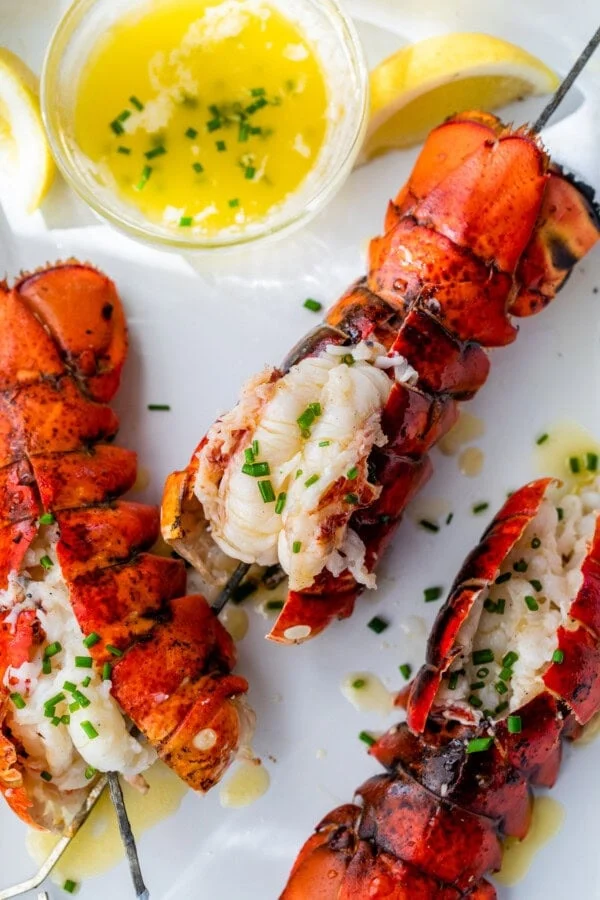
The culinary landscape continues to evolve, making gourmet experiences more accessible to the home chef. Among the dishes exemplifying this trend are grilled lobster skewers, a preparation that transforms a luxurious ingredient into an approachable, yet sophisticated, meal. This method emphasizes simplicity and flavor, allowing individuals to enjoy high-end seafood with minimal fuss, a development that reflects broader shifts in food preparation, consumer preferences, and the democratization of fine dining.
The Evolution of Home Gourmet and Premium Ingredients
For decades, lobster was predominantly a dish reserved for fine dining establishments or special occasions, often perceived as challenging to prepare at home. This perception stemmed from a combination of factors: the cost of the ingredient, the perceived complexity of cooking it correctly, and the limited availability of fresh, ready-to-cook forms in mainstream markets. However, the advent of global supply chains, improved refrigeration technologies, and a growing consumer interest in home cooking—fueled by culinary media and online recipe platforms—has dramatically altered this dynamic.
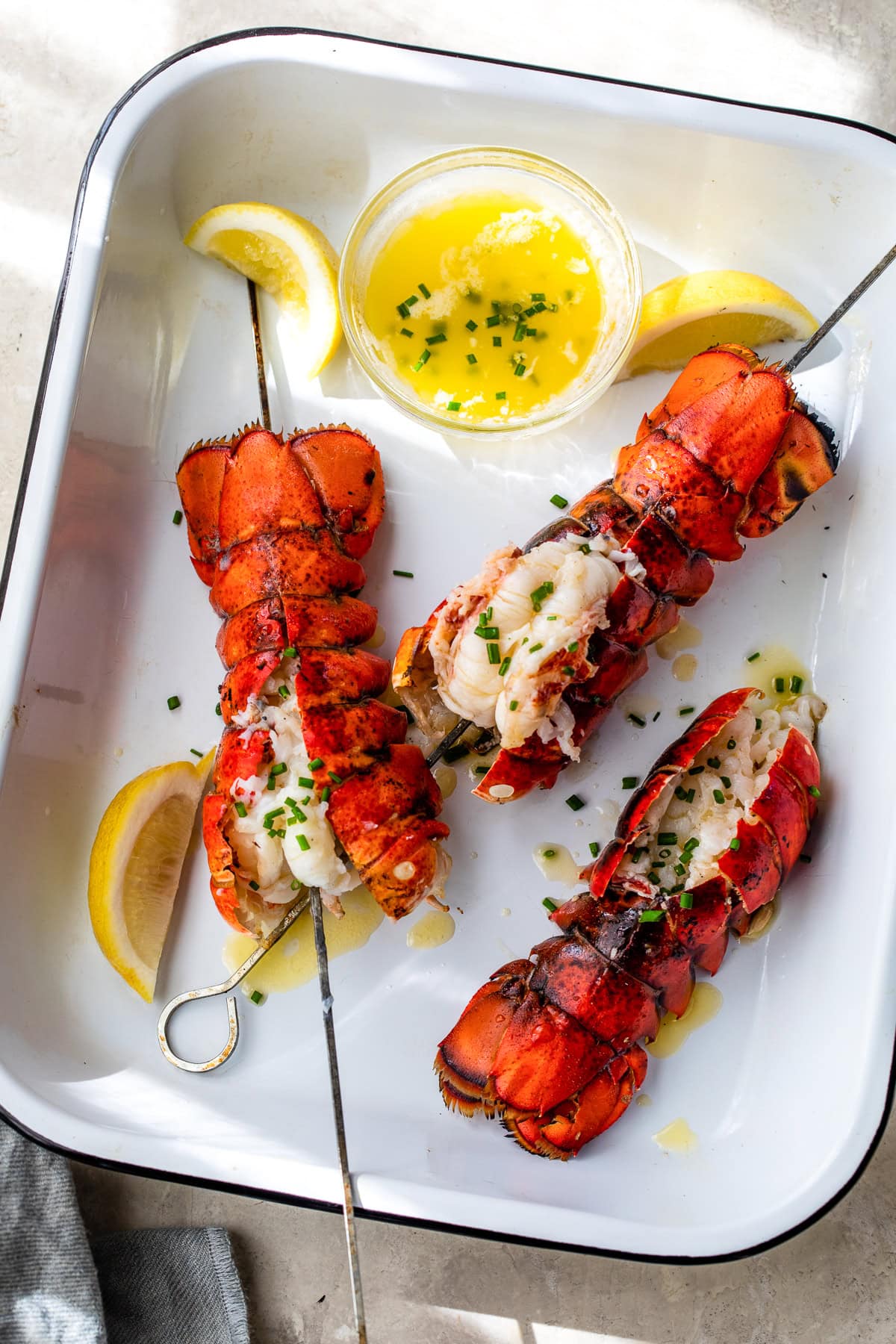
Today, consumers can readily purchase high-quality lobster tails, often frozen, making them accessible year-round. This availability, coupled with innovative cooking techniques that simplify preparation, has opened the door for dishes like grilled lobster skewers to become staples in home entertaining and weeknight meals alike. The concept behind these skewers—butterflying the tail, skewering it to prevent curling, and grilling it quickly—is a testament to how culinary innovation focuses on enhancing both flavor and convenience.
The Allure of Grilling: A Timeless Culinary Practice
Grilling, as a cooking method, holds a special place in global culinary traditions. It dates back millennia, representing one of humanity’s earliest forms of cooking. Beyond its historical roots, grilling offers distinct advantages that appeal to modern cooks. The high heat of a grill quickly sears food, locking in moisture and creating a smoky, charred flavor that is difficult to replicate with other methods. For seafood, particularly lobster, this rapid cooking is crucial. Overcooked lobster becomes tough and rubbery; grilling allows for precise temperature control and quick cooking times, ensuring a tender, succulent result.
The cultural significance of grilling also plays a role. It is often associated with outdoor gatherings, summer celebrations, and communal dining experiences. The visual appeal of food cooking over an open flame, coupled with the inviting aromas, contributes to an overall sensory experience that extends beyond mere sustenance. When applied to premium ingredients like lobster, grilling elevates the occasion, turning a simple meal into a memorable event.

Precision in Preparation: The Skewering Technique
A key element in the preparation of grilled lobster skewers is the method of threading the lobster tails onto skewers. This seemingly minor step serves several critical functions. Firstly, lobster tails, when exposed to heat, tend to curl tightly. Skewering them lengthwise through the meat keeps them straight, ensuring even exposure to the grill’s heat. This uniformity in cooking is essential for achieving a perfectly done texture throughout the tail. Secondly, the skewers facilitate easier handling on the grill, allowing for effortless turning and preventing the delicate meat from falling through the grates.
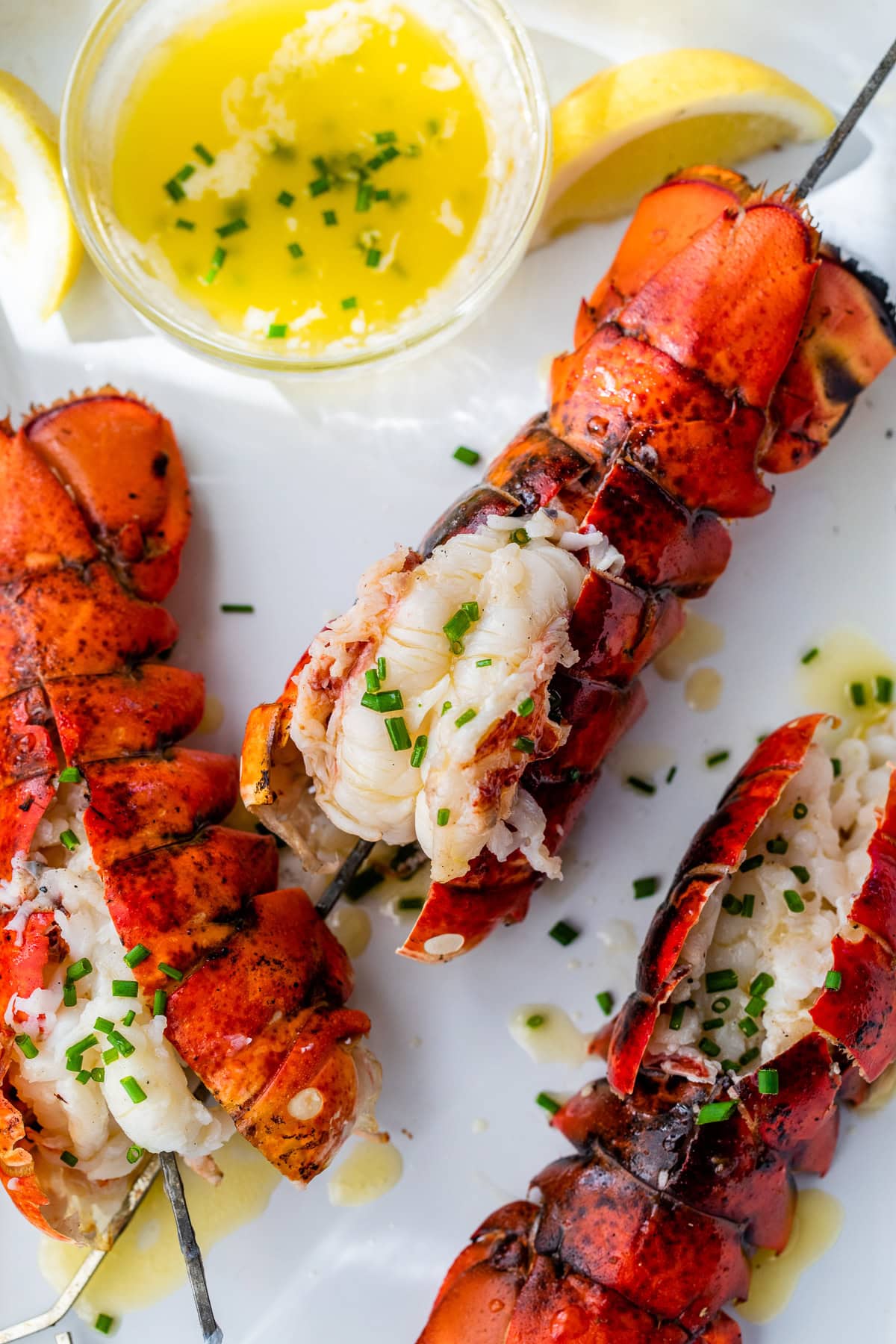
The technique typically involves cutting open the top of the lobster shell, exposing the meat, and then inserting a skewer. This butterfly-cut not only allows the skewer to pass through cleanly but also creates more surface area for the lemon-butter sauce and fresh herbs to penetrate, enhancing the flavor profile. Cooking the lobster in its shell further contributes to tenderness, as the shell acts as a protective barrier, steaming the meat while it grills and preventing it from drying out. This combination of structural support, even cooking, and moisture retention is what makes the skewer method particularly effective for grilling lobster.
Nutritional Profile and Health Benefits of Lobster

Beyond its exquisite taste, lobster offers a compelling nutritional profile that aligns with contemporary health-conscious dietary trends. A serving of grilled lobster, as exemplified by this recipe, provides approximately 294 calories, 35 grams of protein, 14 grams of fat (with 7.5 grams of saturated fat), 149.5 mg of cholesterol, 303 mg of sodium, 0.5 grams of fiber, and 0.5 grams of sugar. This data highlights lobster as a protein-rich food source, essential for muscle repair, growth, and overall bodily functions.
Lobster is also an excellent source of essential vitamins and minerals, including Vitamin B12, copper, selenium, and zinc. Vitamin B12 is crucial for nerve function and red blood cell production. Copper supports iron absorption and energy production. Selenium acts as an antioxidant, protecting cells from damage, while zinc is vital for immune function and wound healing. Compared to many red meats, lobster is relatively low in calories and saturated fat, making it a healthier alternative for those seeking lean protein options. The preparation with fresh lemon butter and herbs further enhances its health benefits by adding natural flavors without excessive caloric density, aligning with principles of balanced nutrition.
Market Dynamics and Sustainable Sourcing
The global lobster market has seen significant fluctuations driven by supply and demand, environmental factors, and evolving consumer tastes. Historically, North American lobster, particularly from the cold waters of the Atlantic, has been a dominant force in the market. The industry supports thousands of livelihoods in coastal communities, with stringent regulations often in place to ensure sustainable fishing practices. These regulations typically include minimum and maximum size limits, trap limits, and protection for egg-bearing females, all designed to maintain healthy lobster populations for future generations.

The demand for convenient, pre-prepared, or easily cookable seafood forms, such as lobster tails, has influenced processing and distribution. Consumers are increasingly willing to pay a premium for quality and convenience, driving innovation in how lobster is harvested, processed, and brought to market. This demand supports a robust supply chain that ensures consumers have access to high-quality seafood, even far from coastal regions. As part of a journalistic approach, it’s important to note that responsible consumption includes being aware of sourcing and supporting fisheries that adhere to sustainable practices, often indicated by certifications from organizations promoting seafood sustainability.
Culinary Pairings and Seasonal Significance
Grilled lobster skewers, while a standalone delight, also serve as a versatile component of a larger meal. Their light yet rich flavor profile makes them an ideal candidate for "surf-and-turf" combinations, most commonly paired with grilled steaks. This classic duo offers a luxurious contrast of textures and flavors, satisfying diverse palates. For a lighter, more summer-centric meal, pairing the lobster with grilled corn on the cob provides a harmonious balance. The sweetness of the corn complements the savory lobster, creating a quintessential warm-weather dining experience.
The seasonal appeal of grilling, predominantly in warmer months, naturally positions dishes like grilled lobster skewers as perfect for spring and summer entertaining. They are quick to prepare, allowing hosts to spend less time in the kitchen and more time with guests. This aligns with a broader culinary trend towards effortless entertaining, where high-quality ingredients and simple preparations take center stage. Other suitable pairings include fresh salads with light vinaigrettes, roasted asparagus, or a delicate risotto, all designed to complement the lobster without overpowering its distinct flavor.

Food Safety and Storage Considerations
Proper handling and storage of seafood, especially premium items like lobster, are paramount to ensure food safety and maintain quality. When using frozen lobster tails, it is crucial to thaw them completely in the refrigerator, typically overnight, to prevent bacterial growth. Once cooked, leftover grilled lobster tails should be refrigerated promptly and can be safely consumed within three days.
Reheating lobster can be done gently in a microwave or served cold. The versatility of leftover lobster meat allows for creative culinary applications, transforming it into new dishes such as lobster rolls, which combine the tender meat with a creamy dressing in a toasted bun; vibrant lobster cobb salads, offering a medley of fresh ingredients; or savory lobster tacos, infusing a gourmet twist into a popular street food. These options not only prevent food waste but also demonstrate the enduring culinary value of the ingredient beyond its initial preparation.
Broader Implications for the Food Industry
The growing popularity of accessible gourmet dishes like grilled lobster skewers has significant implications for various sectors of the food industry. For retailers, it signals a need to stock high-quality, convenient forms of premium ingredients. For food manufacturers, it encourages the development of products that simplify gourmet cooking, such as pre-marinated seafood or ready-to-grill kits. Restaurants, too, must adapt by offering dishes that balance luxury with modern diners’ desire for fresh, healthy, and often quickly prepared options.
Furthermore, this trend contributes to a more adventurous and discerning consumer base. As home cooks become more confident in preparing sophisticated dishes, their expectations for quality, flavor, and ingredient sourcing increase. This pushes the entire food ecosystem towards greater transparency, higher standards, and continuous innovation, ultimately enriching the culinary experiences available to everyone. The ease with which one can now prepare a dish as elegant as grilled lobster skewers at home is a powerful indicator of this exciting and ongoing transformation in how we approach and enjoy food.
