
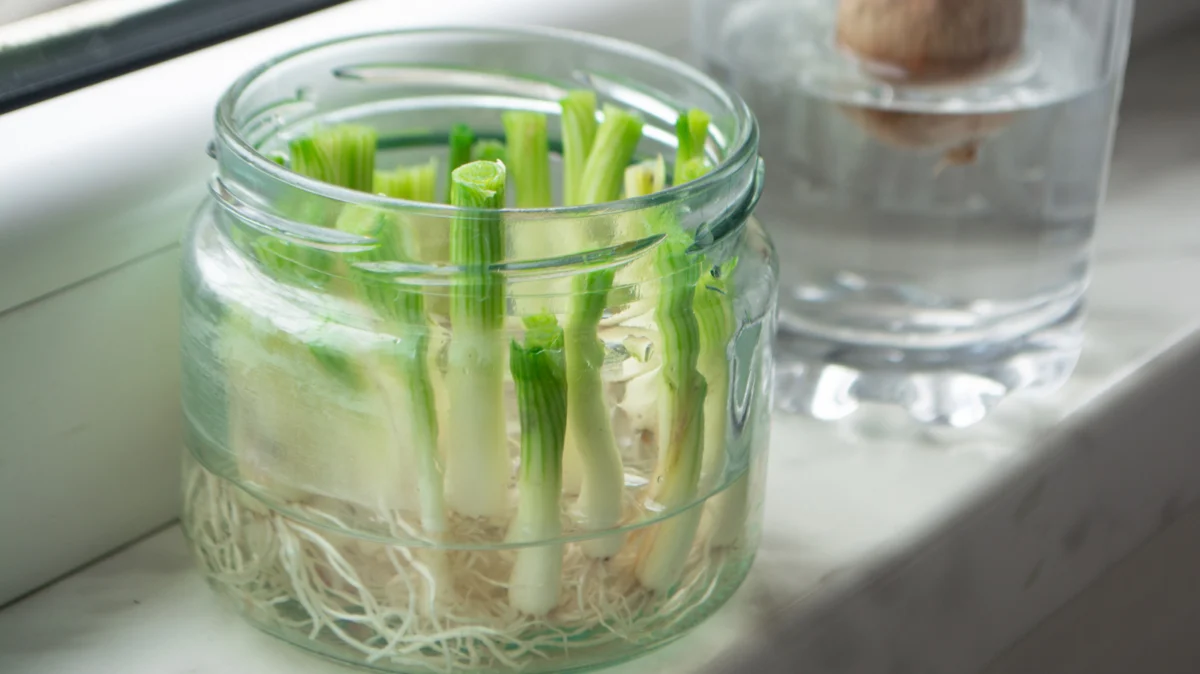
The persistent challenge of food waste, a significant global issue, is being met with increasingly innovative and accessible solutions. A recent exploration into sustainable kitchen practices highlights a simple yet effective method for reducing household waste and fostering a more self-sufficient approach to food: repurposing empty jam jars to regrow kitchen scraps. This technique not only offers a tangible way to combat the estimated 30-40% of America’s food supply that ends up in landfills annually, according to the USDA, but also provides a rewarding and educational experience for individuals of all ages. By salvaging the root ends of common vegetables and herbs, consumers can cultivate new growth, effectively extending the life of their produce and minimizing their environmental footprint.
The Scale of Food Waste: A National Concern
The United States grapples with an immense amount of food waste. The USDA’s figures, translating to over 133 billion pounds of discarded food each year, underscore the economic and environmental ramifications of this persistent problem. This waste occurs at every stage of the food supply chain, from farm to fork, but a significant portion can be attributed to household practices. Consumer habits, such as discarding edible parts of produce or over-purchasing, contribute substantially to this national deficit. The financial implications are considerable, representing billions of dollars lost annually. Furthermore, the environmental impact is profound, with food waste in landfills producing methane, a potent greenhouse gas that contributes to climate change. Recognizing these challenges, individuals and organizations are increasingly seeking practical methods to mitigate this issue.
From Waste to Wonder: The Art of Regrowing
The concept of regrowing vegetables and herbs from kitchen scraps is not entirely new, but its widespread adoption is gaining momentum as consumers become more aware of sustainable living practices. This method transforms seemingly unusable remnants into a source of fresh produce. The foundational principle lies in the ability of certain plant parts, particularly those containing active growth nodes, to regenerate when provided with the right conditions. For many vegetables and herbs, the root end, often discarded after the main edible portion has been consumed, holds the key to this regenerative process.
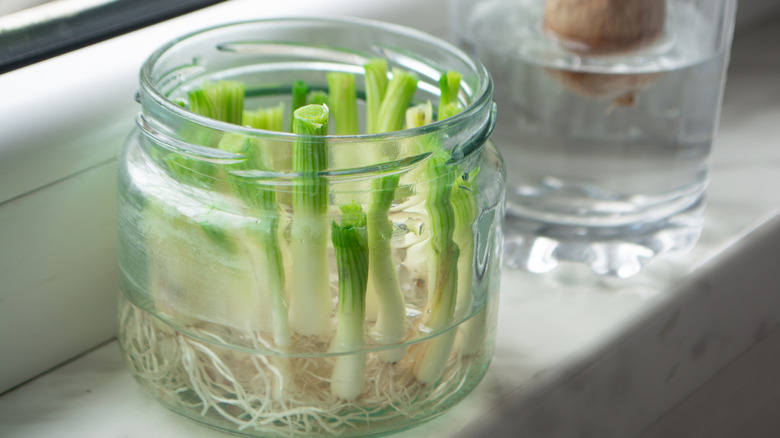
The primary requirement for this technique is a collection of clean, empty glass jars. Jam jars, owing to their common availability and suitable size, are ideal. The process begins with thoroughly washing and sterilizing these jars to prevent the growth of mold or bacteria that could hinder new plant development. Once prepared, the jars are filled with a few inches of water. The crucial step involves taking the root ends of vegetables such as scallions, leeks, fennel, romaine lettuce, and herbs like basil, rosemary, and cilantro, and submerging them in the water. The key is to ensure that the roots are fully immersed, while the top half-inch of the plant material remains above the water line. This configuration allows the roots to absorb water and nutrients while the leaves are exposed to air, promoting new growth.
Cultivating a Kitchen Garden: A Step-by-Step Guide
The success of regrowing kitchen scraps hinges on a few simple yet critical factors. Placement is paramount; these burgeoning plants thrive in direct sunlight. A sunny kitchen windowsill or a similar well-lit area provides the ideal environment. Within a few days, observers will typically notice the emergence of new leaves and shoots, a testament to the plant’s inherent vitality.
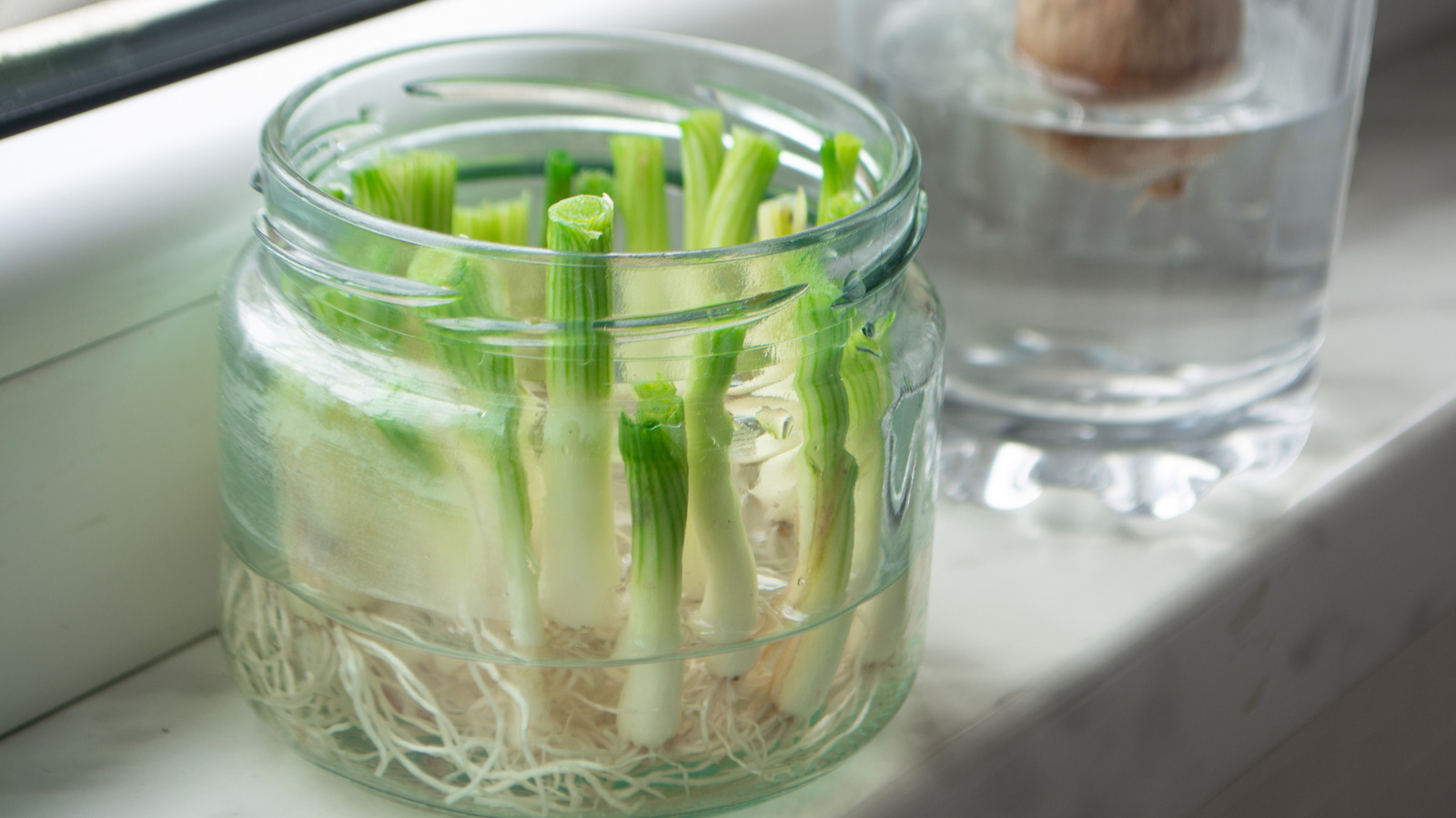
For certain produce, like scallions and leeks, the regrown plants can be harvested directly from the jar. This allows for continuous harvesting, effectively extending the usability of a single purchase. Herbs, while also capable of regeneration, often require a slightly longer period to establish substantial growth. After a few weeks, when the roots have developed to a few inches in length, these herbs are ready to be transplanted into soil. This transition from water-based cultivation to soil-based growth allows them to mature fully.
The technique is not limited to smaller vegetables. Larger produce items such as cabbage, celery, and lettuce can also be regrown. However, these require larger containers, making it prudent to retain a variety of glass food jars. The principle remains the same: provide adequate water and light, and the plant’s natural regenerative capabilities will take over.
Optimizing Growth Conditions and Considerations
To maximize the success rate and vigor of regrown plants, several considerations can be implemented. While not strictly necessary, some enthusiasts opt to supplement the water with a diluted fertilizer or trace mineral drops. This practice aims to mimic the nutrient profile of soil, providing a richer medium for growth. Filtered water is also sometimes preferred over tap water, as chlorine in tap water can potentially inhibit plant development. Furthermore, individuals who prioritize organic produce may find that organic vegetable scraps tend to regrow more readily, likely due to the absence of residual pesticides or growth inhibitors.
It is important for aspiring kitchen gardeners to manage expectations. Not all scraps will yield abundant growth. For instance, lettuce may only sprout new leaves from its central core, and herbs might produce only a limited number of new leaves. However, the intrinsic value of this practice lies not solely in the quantity of produce harvested, but in the engaging process of observing nature’s resilience and the satisfaction of participating in a sustainable food cycle. For those who find joy in this form of cultivation, numerous other kitchen scraps can be utilized to initiate new plant life, offering a continuous avenue for exploration and learning.
Broader Implications: Sustainability and Education
The practice of regrowing kitchen scraps extends beyond mere waste reduction. It serves as a powerful educational tool, particularly for children, fostering an understanding of plant life cycles and the interconnectedness of food systems. This hands-on experience can cultivate a deeper appreciation for food and a greater awareness of the environmental impact of consumption.
From a broader perspective, widespread adoption of such simple, accessible practices can contribute significantly to national sustainability goals. By reducing the volume of food waste entering landfills, communities can mitigate greenhouse gas emissions and conserve valuable resources. Furthermore, it empowers individuals to take a more active role in their food consumption, promoting a sense of self-reliance and connection to their environment.
The economic implications, though perhaps not as dramatic as large-scale industrial changes, are also noteworthy. For households, it can lead to small but consistent savings by reducing the need to repurchase certain staple items like scallions or herbs. In aggregate, these small savings across millions of households can contribute to a more resource-efficient economy.
Future Outlook and Community Engagement
As awareness of food waste and sustainable living continues to grow, it is likely that more individuals will embrace practices like regrowing kitchen scraps. Community initiatives, such as urban gardening workshops and educational programs, can further promote these techniques. Sharing knowledge and success stories within communities can create a supportive network for those interested in sustainable practices. The humble jam jar, once destined for the recycling bin, is thus transformed into a vessel of potential, a symbol of how simple, everyday actions can contribute to a more sustainable and resourceful future. The ongoing dialogue surrounding food waste reduction is increasingly highlighting these accessible and impactful solutions, demonstrating that even the smallest efforts can yield significant positive change.
