
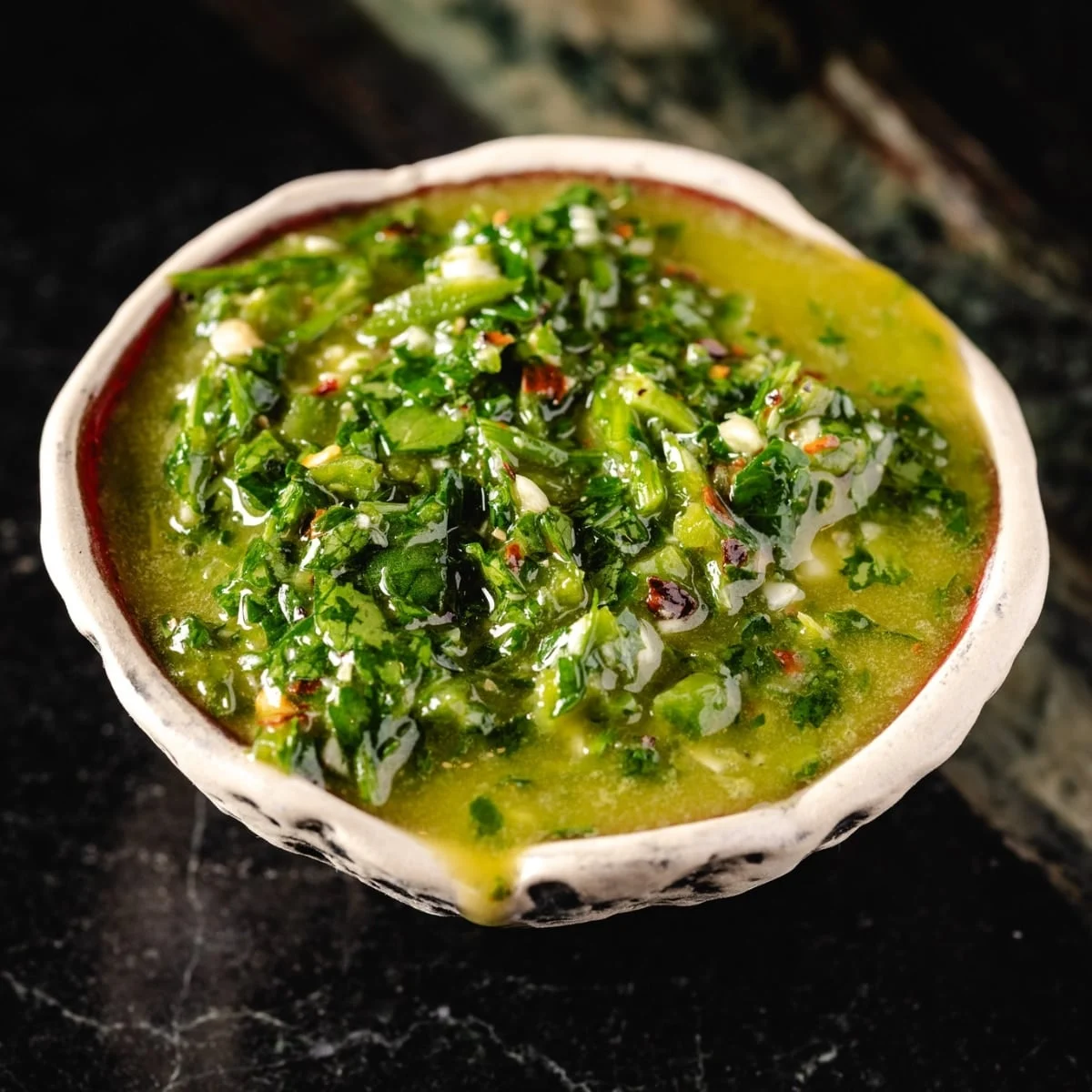
The landscape of contemporary outdoor gastronomy is currently witnessing a significant shift toward artisanal, home-prepared condiments that prioritize fresh ingredients and complex flavor profiles over mass-produced alternatives. Central to this movement is the emergence of specialized sauces such as Jalapeño Chimichurri, a vibrant modification of the traditional Argentinian herb sauce. By integrating charred jalapeño peppers with fresh parsley, cilantro, garlic, and red wine vinegar, culinary enthusiasts are redefining the flavor expectations associated with grilled proteins and vegetables. This evolution reflects a broader trend in the culinary arts where traditional regional staples are being adapted to meet a growing consumer demand for "heat," acidity, and smokiness in a single application.
Historical Context and the Evolution of Chimichurri
To understand the significance of the jalapeño-infused variant, one must first examine the origins of the classic chimichurri. Historically, chimichurri is an uncooked sauce used both as an ingredient in cooking and as a table condiment for grilled meat. Its roots are deeply embedded in the Rio de la Plata region, primarily Argentina and Uruguay. While the exact etymology of the name remains a subject of debate among linguists—ranging from a corruption of English names like "Jimmy’s Curry" to Basque origins—its cultural impact is undisputed.
Traditionally, the sauce consists of finely chopped parsley, minced garlic, olive oil, oregano, and red wine vinegar. However, as global palettes have become more accustomed to spicy elements, the inclusion of peppers has become a logical progression. The introduction of the jalapeño into this framework represents a fusion of South American herb traditions with North American and Mexican heat preferences. This culinary hybridization has allowed the sauce to transcend its original borders, appearing on menus and in backyard barbecue pits across the globe.

The Technical Process: A Chronology of Preparation
The creation of Jalapeño Chimichurri is a precise exercise in balancing chemical reactions and physical textures. The process begins not with the blending of herbs, but with the application of high heat to the jalapeño pepper.
- The Charring Phase: The jalapeño is placed directly over a heat source—typically a grill or an open flame—until the skin blisters and darkens. This stage is critical for two reasons: the Maillard reaction and the softening of the pepper’s cellular structure. Charring caramelizes the natural sugars within the pepper, mellowing the raw, aggressive heat and introducing a subtle smokiness that complements grilled meats.
- Herb Preparation: While the pepper cools, fresh parsley and cilantro are harvested and prepared. Unlike dried herbs, fresh botanicals provide volatile oils that contribute to the "bright" flavor profile mentioned by culinary experts.
- The Emulsification and Blending: The charred pepper is combined with the herbs, garlic, red wine vinegar, and olive oil. In modern applications, a food processor or blender is utilized to achieve a consistent texture, though traditionalists may still prefer hand-chopping to maintain a more rustic, chunky consistency.
- The Resting Period: Although the sauce can be served immediately, chemical stabilization occurs when the mixture is allowed to sit. The acidity of the vinegar begins to break down the garlic and herbs, further infusing the oil with the spicy capsaicin from the jalapeño.
Nutritional Analysis and Health Data
The Jalapeño Chimichurri Sauce is not only a flavor enhancer but also a nutrient-dense addition to a meal. Based on standardized recipe calculations, a single serving (approximately one-sixth of a standard batch) contains roughly 171 calories, the majority of which are derived from monounsaturated fats found in olive oil.
From a micronutrient perspective, the sauce is particularly robust. A single serving provides approximately 1,075 IU of Vitamin A, which is essential for ocular health and immune function. Furthermore, the inclusion of fresh peppers and herbs results in a Vitamin C content of roughly 15 mg per serving. The presence of capsaicin—the active component in jalapeños—has been linked in various nutritional studies to increased metabolic rates and improved cardiovascular health.
The following data represents the approximate nutritional breakdown per serving:

- Total Fat: 18g (Saturated Fat: 3g, Monounsaturated Fat: 13g)
- Sodium: 443mg
- Carbohydrates: 2g
- Fiber: 1g
- Potassium: 89mg
- Iron: 1mg (derived primarily from the parsley)
Market Trends and the Rise of the "Backyard BBQ Hero"
The popularity of recipes like Jalapeño Chimichurri coincides with a massive expansion in the global condiment market. Economic reports indicate that the global hot sauce market was valued at approximately USD 2.89 billion in 2022 and is projected to reach over USD 5 billion by 2030. This growth is driven by a demographic shift toward "clean labels"—products or recipes that contain no artificial preservatives and utilize recognizable, whole-food ingredients.
Susie Bulloch, a prominent figure in the outdoor cooking industry and founder of the "Hey Grill Hey" platform, suggests that the democratization of gourmet cooking techniques has empowered home cooks to become "Backyard BBQ Heroes." This movement is characterized by a move away from store-bought, high-fructose corn syrup-based barbecue sauces toward fresh, acid-forward condiments like chimichurri. The ease of preparation—requiring only five minutes of active time once the grill is hot—makes it an accessible entry point for amateur cooks looking to elevate their culinary output.
Industry Expert Perspectives and Reactions
Culinary professionals often cite the versatility of chimichurri as its primary strength. Unlike traditional heavy gravies or cream-based sauces, the high acidity of the red wine vinegar in chimichurri acts as a palate cleanser, cutting through the richness of high-fat meats like ribeye steak or brisket.
Food industry analysts note that the "spicy-savory" profile of jalapeño chimichurri aligns with the "swicy" trend (sweet and spicy) and the "sour-heat" trend currently dominating the snack and restaurant sectors. By charring the jalapeño, the cook introduces a "sweet heat" that differs significantly from the sharp, stinging heat of raw peppers. This nuance is highly valued in the competitive barbecue circuit and among high-end restaurateurs who seek to provide a multi-sensory dining experience.

Broader Implications for Sustainable Cooking
The shift toward homemade herb-based sauces also carries environmental and sustainability implications. By utilizing fresh herbs like parsley and cilantro—which are easily grown in home gardens or purchased without extensive plastic packaging—consumers reduce their reliance on industrial supply chains. Furthermore, the ability to create a high-impact sauce with a handful of raw ingredients reduces the carbon footprint associated with the manufacturing and shipping of bottled condiments.
The culinary flexibility of the sauce—being applicable to seafood, vegetables, and poultry—encourages a more diverse diet. In a professional kitchen setting, the use of such sauces allows for "cross-utilization" of ingredients, reducing food waste by ensuring that fresh herbs and peppers are used in their entirety across multiple menu items.
Conclusion and Future Outlook
The Jalapeño Chimichurri Sauce represents more than just a topping for a steak; it is a symbol of the evolving American and global palate. It highlights a sophisticated understanding of how heat, acid, and fat interact to create a balanced dish. As outdoor cooking continues to grow in popularity as a primary form of recreation and social gathering, the demand for quick, healthy, and flavor-dense recipes is expected to rise.
The integration of traditional South American techniques with local ingredients like the jalapeño demonstrates the fluid nature of modern cuisine. As consumers become more educated about the nutritional benefits of fresh ingredients and the ease of DIY condiment preparation, the era of the generic, store-bought sauce may be reaching its twilight. For the modern "Backyard BBQ Hero," the future of flavor is fresh, charred, and decidedly spicy.
