
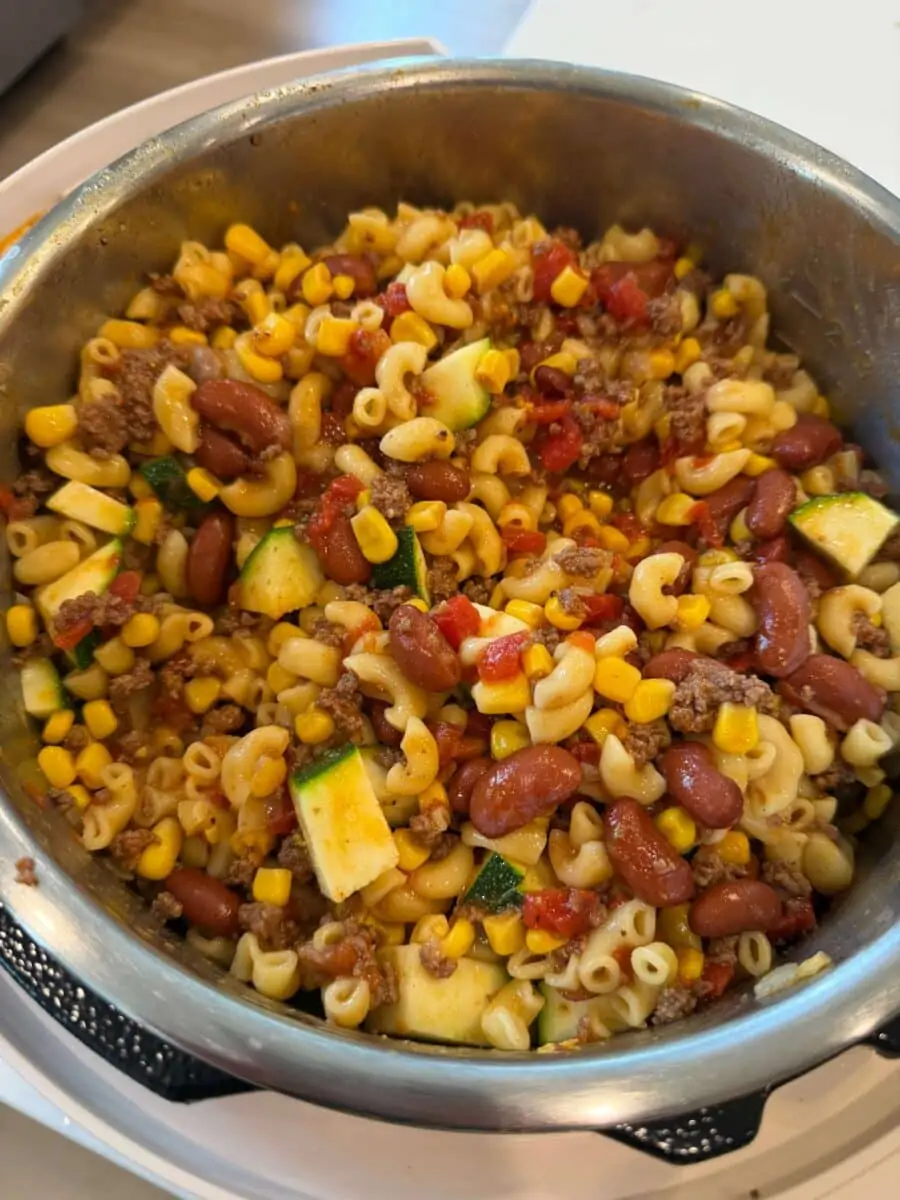
The Evolution of the Modern One-Pot Meal
The concept of the casserole has long been a staple of North American domestic life, gaining immense popularity in the mid-20th century as a means of stretching expensive ingredients and simplifying the serving process. Historically, these dishes relied heavily on canned "cream of" soups and processed starches. However, the 21st-century iteration of the casserole, exemplified by the Summer Company Casserole, reflects a more sophisticated palate. There is a clear emphasis on fresh vegetables and complex spice profiles, such as smoked paprika and cumin, which provide a "from-scratch" flavor while maintaining the structural integrity of a one-pot meal.
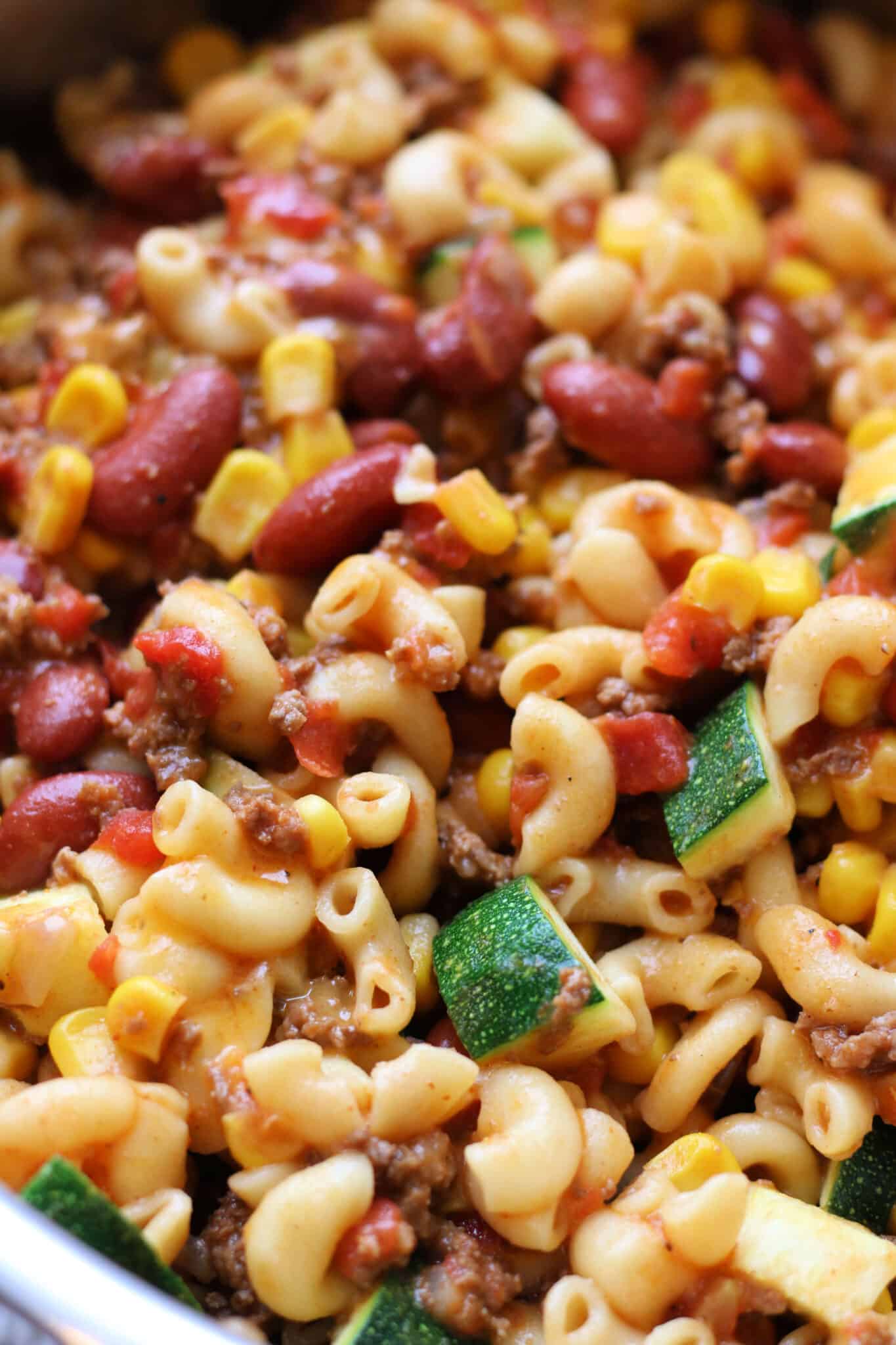
The rise of the Instant Pot since its market debut in 2010 has fundamentally altered the chronology of the family dinner. Market data indicates that the adoption of electric pressure cookers has increased significantly, with millions of units sold annually. This shift is driven by the appliance’s ability to reduce cooking times by up to 70% compared to traditional methods. In the context of the Summer Company Casserole, the appliance allows for the browning of meat, the hydration of pasta, and the steaming of vegetables to occur within a single vessel, thereby streamlining the cleanup process and reducing water and energy consumption.
Technical Specifications and Ingredient Profile
The composition of the Summer Company Casserole is strategically designed to provide a balanced macronutrient profile while catering to a wide demographic, including children and adults. The foundational elements include:
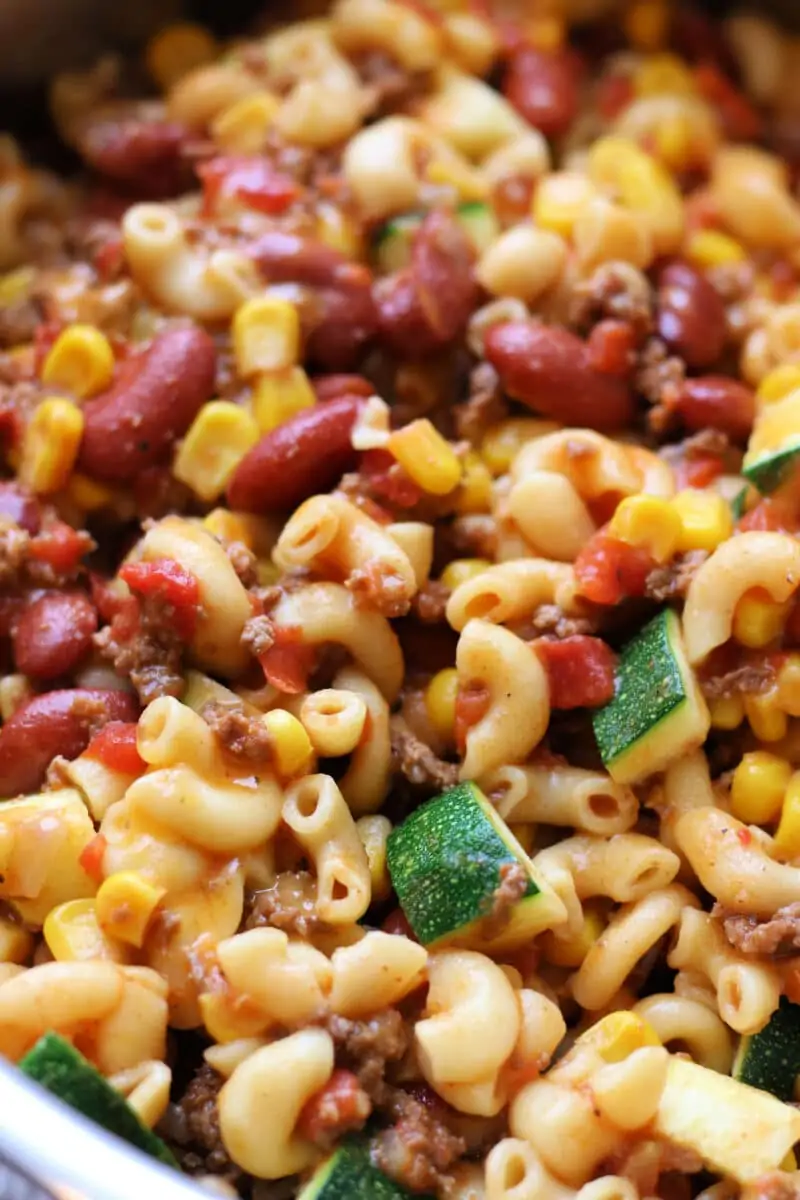
- Proteins: Ground beef serves as the primary protein. Culinary analysts suggest that lean ground beef (90/10 or 93/7) is ideal for pressure cooking to minimize excess grease, although the recipe includes a dedicated step for draining fat during the sauté phase.
- Complex Carbohydrates: Dried macaroni or similar short pasta provides the caloric density required for a crowd. The pressure-cooking environment ensures that the pasta absorbs the surrounding liquid, effectively infusing it with the flavors of the broth and spices.
- Vegetable Density: The inclusion of zucchini and corn is a nod to seasonal summer harvests. Zucchini, in particular, offers high water content and fiber, while corn provides a textural contrast and natural sweetness.
- Flavor Layering: The dish utilizes a sophisticated blend of aromatics (onions and garlic) and spices (chili powder, cumin, smoked paprika, and oregano). The addition of Worcestershire sauce and apple cider vinegar provides the necessary acidity to balance the richness of the beef and melted cheddar cheese.
Chronological Preparation Protocol
The preparation of the Summer Company Casserole follows a strict systematic order to ensure optimal texture and flavor development. The process is divided into three distinct phases: the Sauté Phase, the Pressure Phase, and the Integration Phase.
Phase I: The Sauté and Deglazing Process
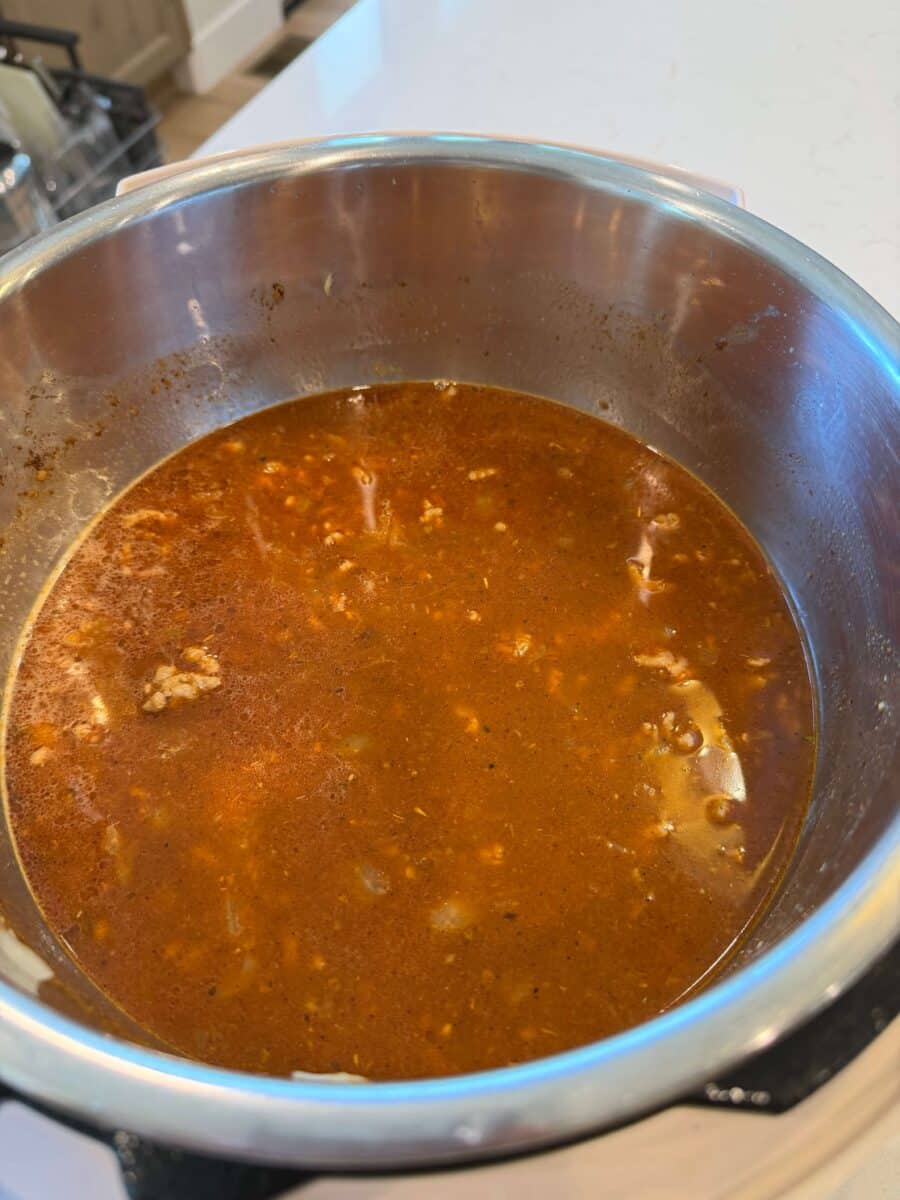
The procedure begins with the activation of the Instant Pot’s "Sauté" function. Once the internal temperature reaches the "HOT" threshold, the ground beef and diced onions are introduced. This stage is critical for the Maillard reaction—the chemical reaction between amino acids and reducing sugars that gives browned food its distinctive flavor. Following five minutes of browning, excess lipids are drained.
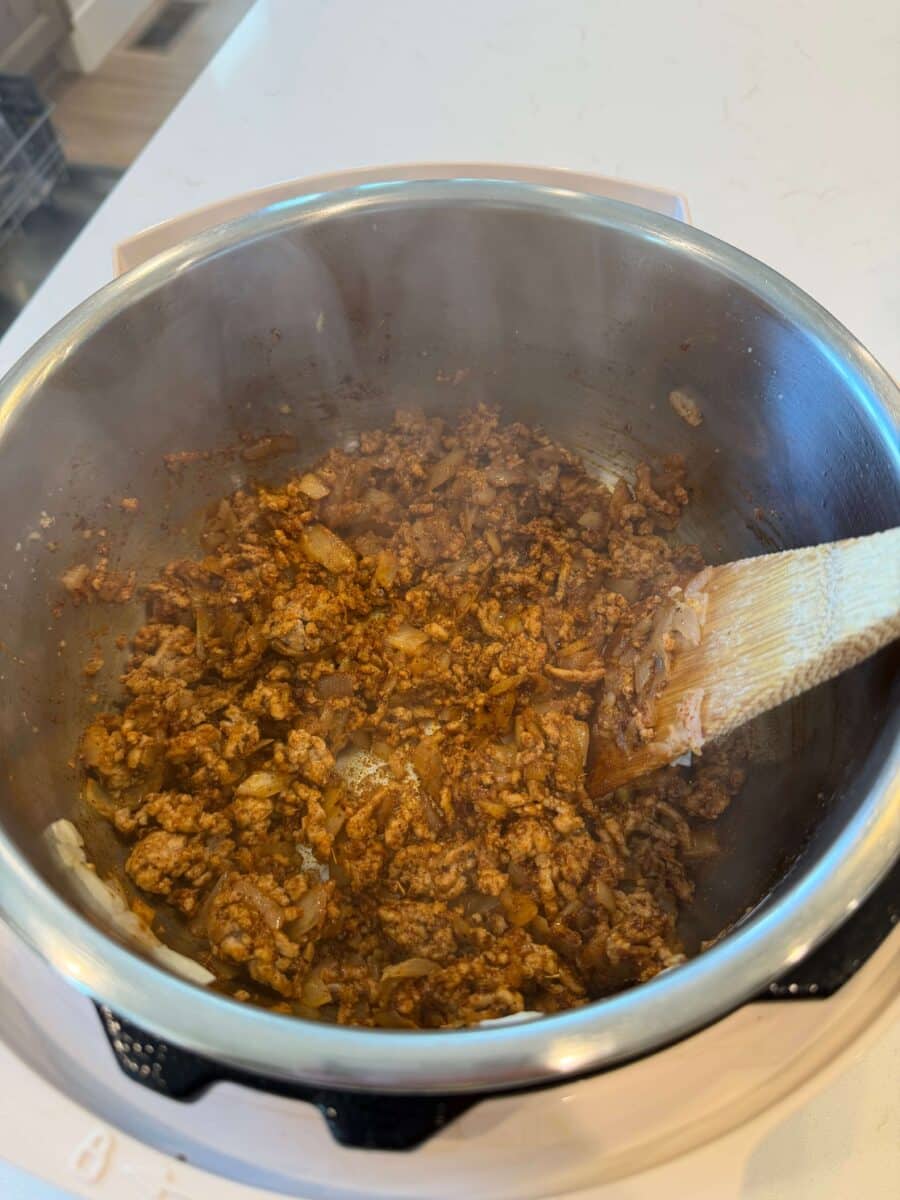
The subsequent introduction of spices and tomato paste is a technique known as "blooming," which intensifies the fat-soluble compounds within the spices. The deglazing step follows, where beef broth and vinegar are added to the pot. This is a vital technical requirement in pressure cooking; scraping the bottom of the pot (deglazing) prevents the "Burn" error, which occurs when food particles adhere to the heating element.
Phase II: The High-Pressure Cycle
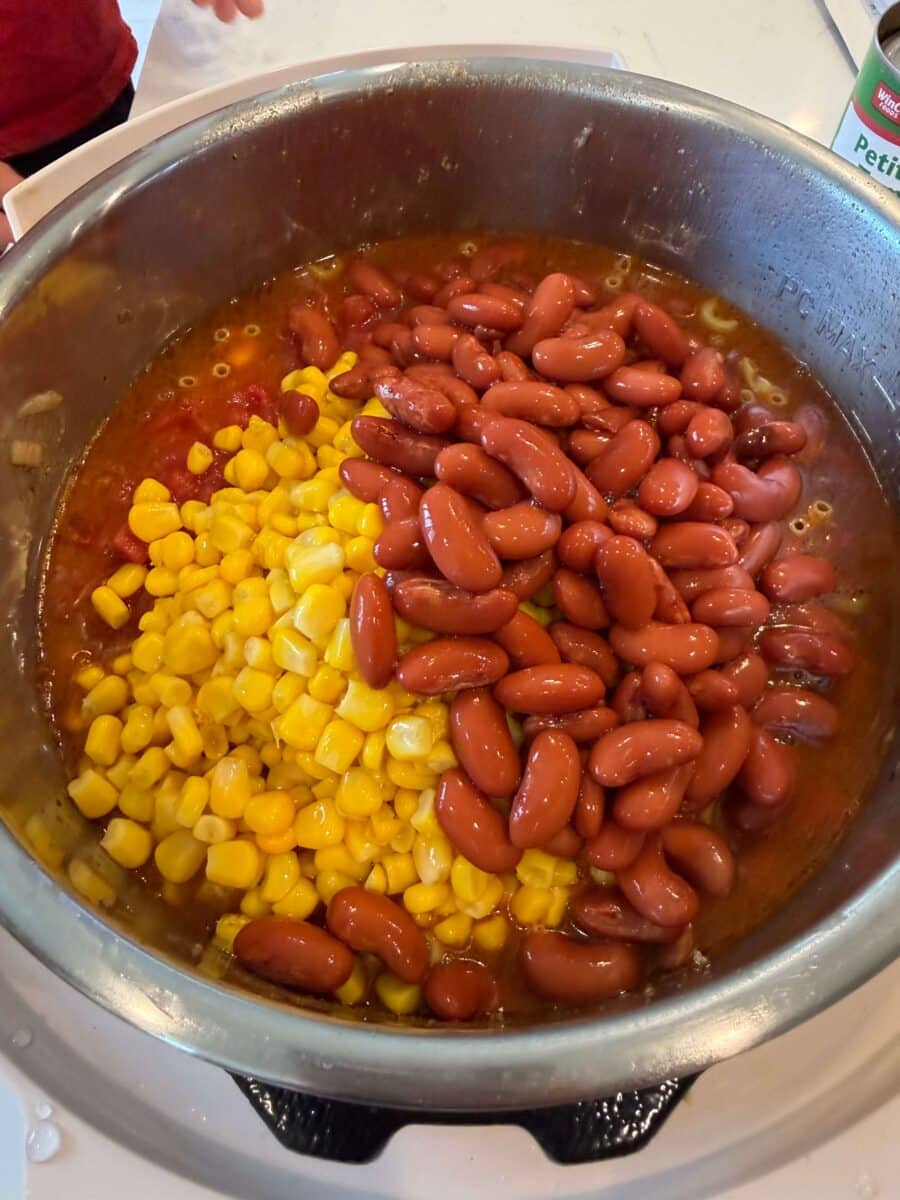
Once the base is prepared, the Instant Pot is turned off to prevent over-browning. Dry macaroni is layered over the beef, followed by diced tomatoes, tomato sauce, corn, and kidney beans. Crucially, these ingredients are not stirred. Maintaining layers helps prevent the pasta from settling at the bottom and scorching.
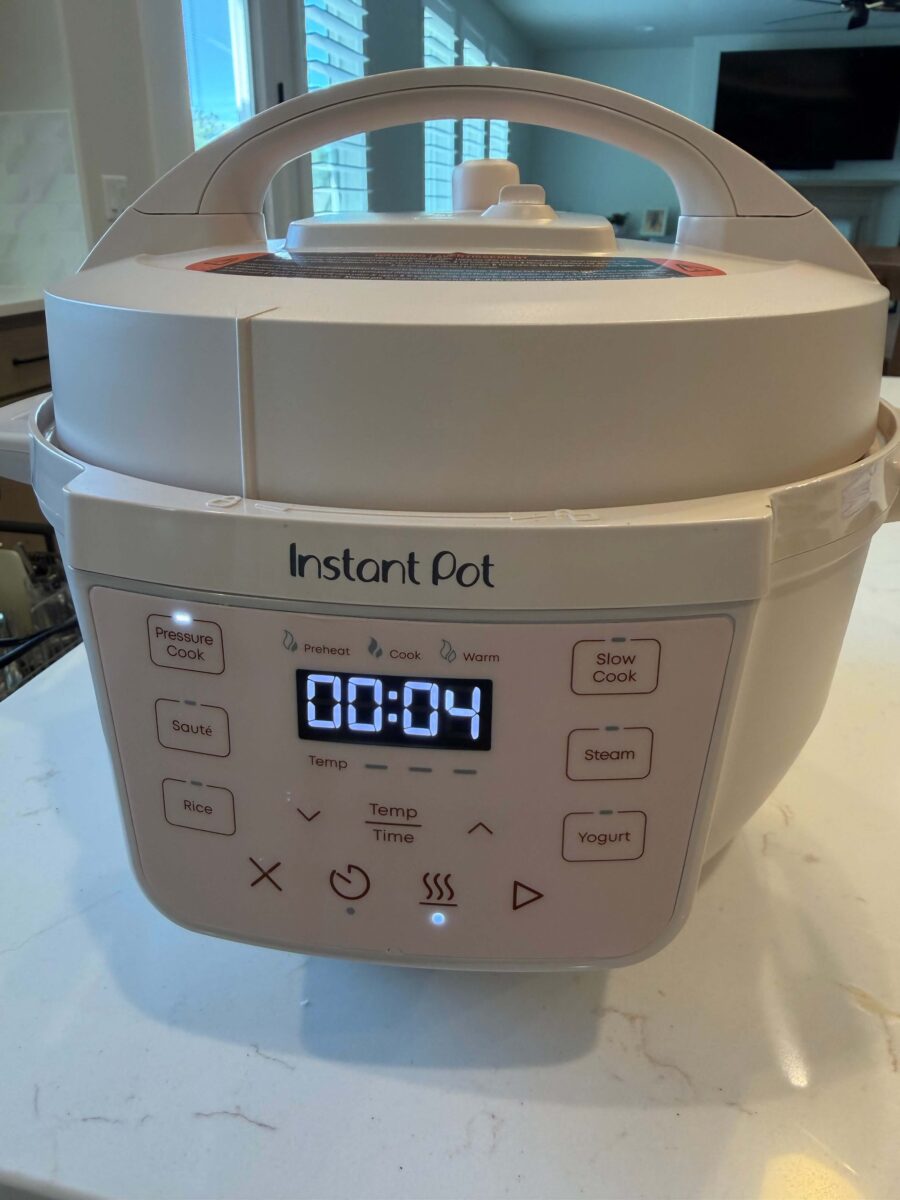
The vessel is then sealed, and the manual pressure setting is engaged for a duration of four minutes. During this window, the internal pressure forces moisture into the pasta and beans, cooking them in a fraction of the time required on a stovetop. Upon completion, a "Quick Release" (venting) is performed to prevent the pasta from becoming overly soft.
Phase III: Integration and Residual Heat Cooking
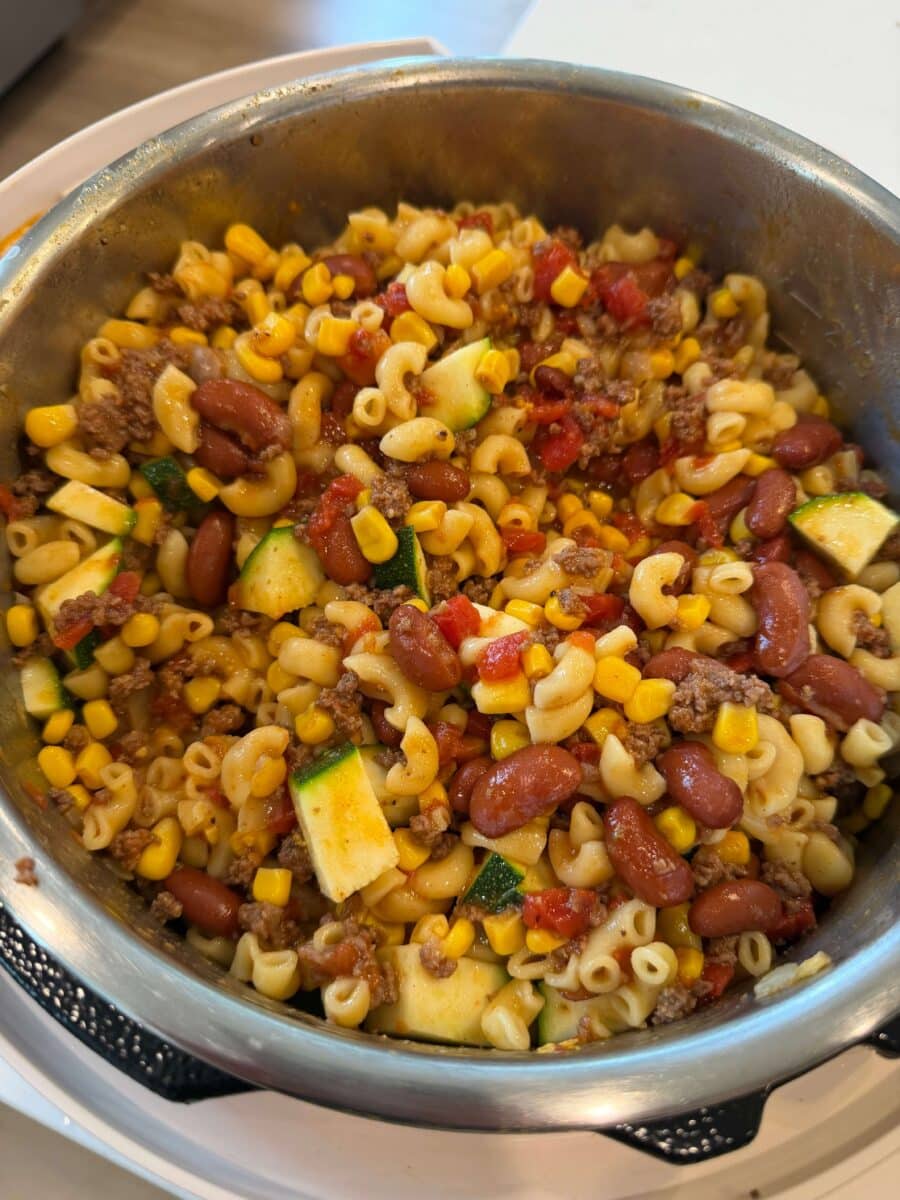
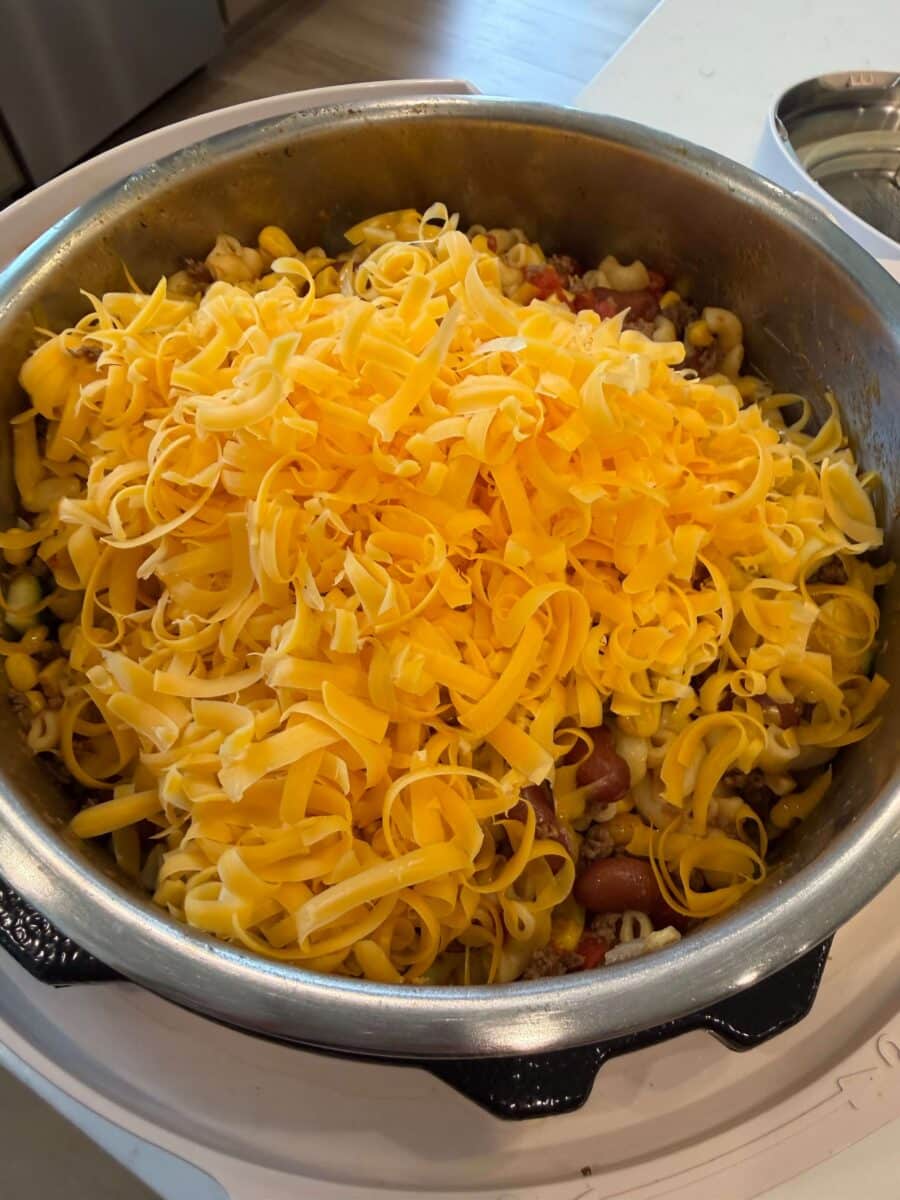
The final phase involves the introduction of delicate ingredients that would otherwise disintegrate under high pressure. Diced zucchini is stirred into the hot mixture, and the lid is replaced for five minutes using only the "Keep Warm" setting. This allows the residual heat to steam the zucchini to an "al dente" texture. Finally, shredded cheddar cheese is incorporated, providing a cohesive, creamy finish to the casserole.
Thermodynamic and Environmental Impact Analysis
One of the primary implications of utilizing the Summer Company Casserole recipe during the warmer months is the impact on household thermoregulation. Traditional ovens radiate significant heat into the kitchen, often forcing air conditioning systems to work harder to maintain a comfortable temperature.
Research into kitchen appliance energy consumption suggests that a standard electric oven can use between 2,000 and 5,000 watts of power, whereas an Instant Pot typically operates between 700 and 1,200 watts. Furthermore, because the Instant Pot is a sealed system, it releases minimal heat into the surrounding environment. This makes the recipe not only a time-saving measure but an energy-efficient choice for eco-conscious consumers and those looking to reduce utility costs during peak summer heat.
Economic Value and Scalability
The Summer Company Casserole is positioned as a "crowd-pleaser," a term used in the hospitality industry to describe dishes with high universal appeal and low cost-per-serving. By utilizing ground beef and pantry staples like beans and dried pasta, the dish offers a high degree of nutritional value for a relatively low financial investment.
Analysis of the ingredients suggests that the recipe can easily be scaled to accommodate larger gatherings. For households managing food sensitivities, the recipe is highly adaptable. Culinary experts note that gluten-free pasta can be substituted, provided the cooking time is adjusted to approximately half of the time suggested on the pasta package minus one minute. Similarly, the ground beef can be replaced with ground turkey or plant-based alternatives to cater to diverse dietary requirements without compromising the structural integrity of the casserole.
Inferred Reactions and Culinary Context
While formal reviews of this specific iteration are localized to culinary forums, the broader reception of "Chili Mac" style casseroles remains overwhelmingly positive in the North American market. Professional chefs often categorize these dishes as "Comfort Food 2.0," where the nostalgia of childhood meals is elevated through better ingredients and modern technology.
Home cooks frequently report that the "one-pot" nature of the dish is the primary motivator for its preparation. The reduction in dishwashing requirements is a significant factor in consumer satisfaction. Furthermore, the inclusion of zucchini—a vegetable often produced in surplus by home gardeners in the summer—provides a practical solution for seasonal waste reduction.
Broader Implications for Home Cooking Trends
The Summer Company Casserole is more than a simple recipe; it is a reflection of the current state of domestic labor. As modern families navigate increasingly complex schedules, the demand for "passive cooking"—where the chef can step away from the stove while the meal prepares itself—has reached an all-time high.
The success of such recipes also highlights the growing importance of "hidden nutrition." By incorporating zucchini and beans into a familiar, cheese-topped pasta dish, home cooks can ensure that children and picky eaters receive necessary servings of vegetables and legumes. This approach aligns with current pediatric nutritional guidelines that emphasize the integration of diverse food groups within single meals.
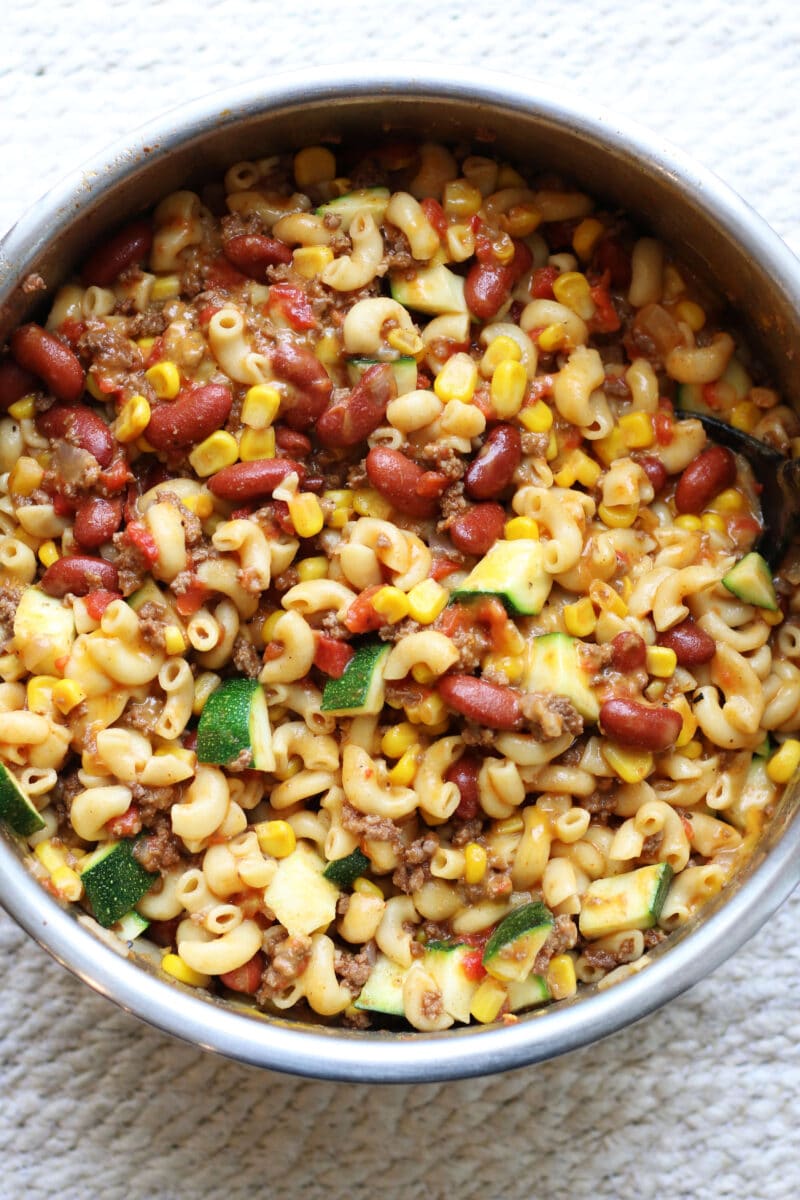
In conclusion, the Summer Company Casserole represents a synthesis of traditional culinary comfort and modern technological efficiency. It addresses the thermodynamic challenges of summer cooking, the economic pressures of feeding a crowd, and the nutritional needs of the contemporary family. As the "one-pot" trend continues to evolve, dishes like this casserole will likely remain a cornerstone of the American kitchen, proving that convenience and quality are not mutually exclusive in the realm of home-cooked meals.
