
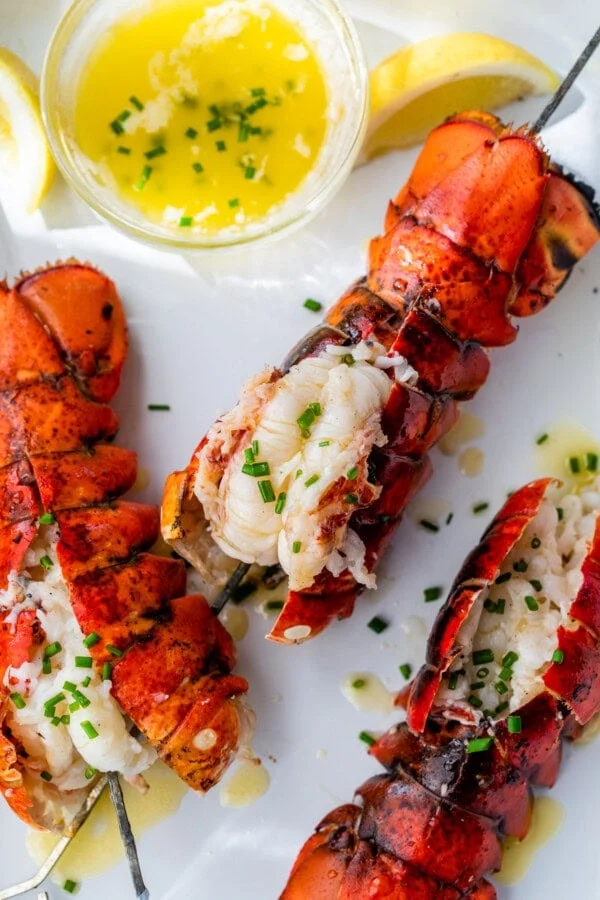
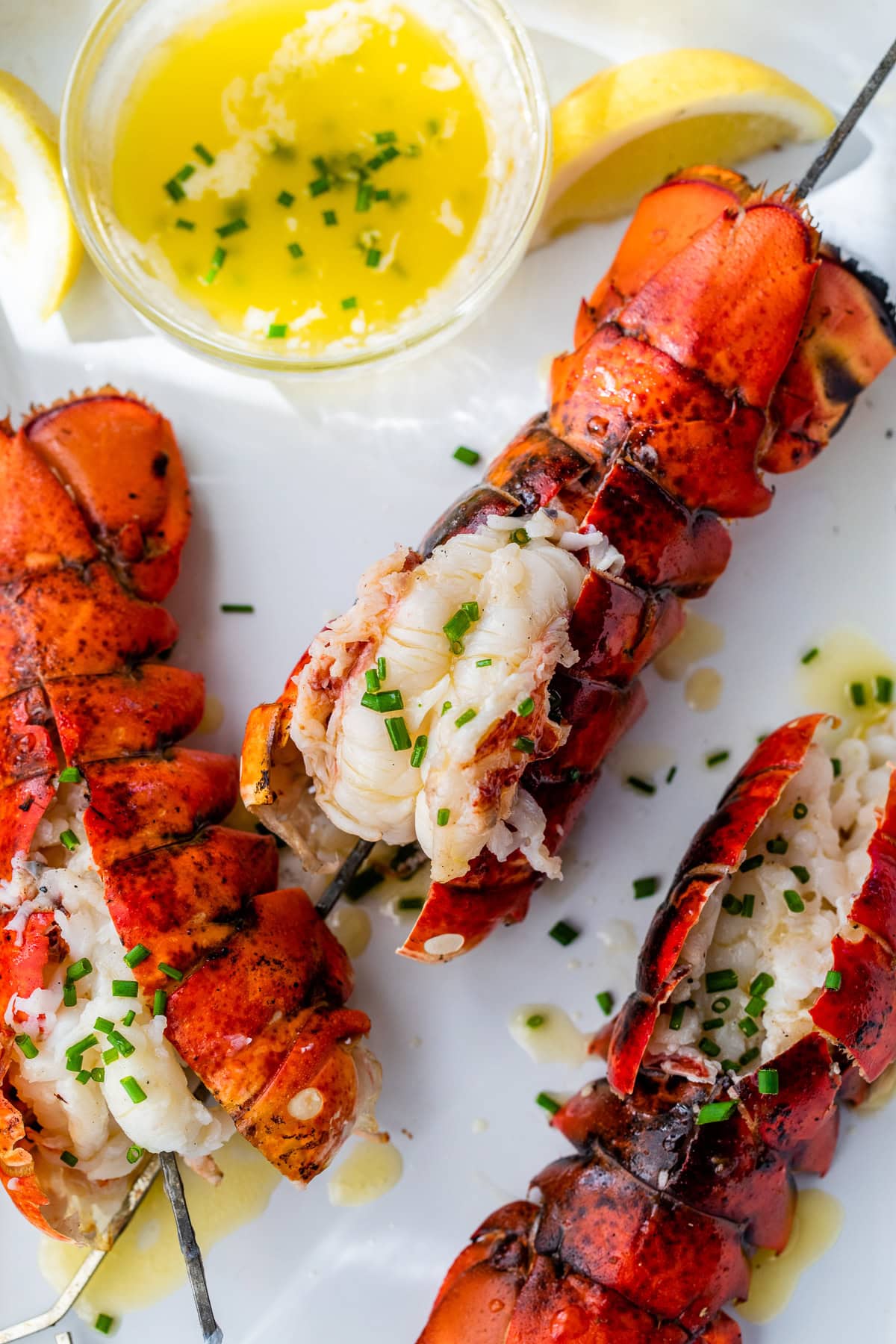
The art of grilling, a primal cooking method steeped in tradition, finds a sophisticated yet accessible expression in the preparation of grilled lobster skewers. This method transforms whole lobster tails into a culinary masterpiece, ensuring tender, juicy meat infused with smoky char, complemented by a bright lemon butter drizzle and a garnish of fresh herbs. Far from being an intimidating gourmet endeavor, this approach emphasizes straightforward techniques that yield restaurant-quality results, making it an increasingly popular choice for home cooks seeking to elevate their dining experiences.
The Enduring Allure of Lobster: A Culinary Delicacy Reimagined
Lobster has long held its status as a symbol of luxury and fine dining, prized for its sweet, delicate meat and distinctive texture. Historically, however, lobster was not always the sought-after delicacy it is today. In earlier centuries, particularly in North America, it was so abundant that it was often considered poor man’s food, used as fertilizer or fed to servants and prisoners. Its rise to gourmet status began in the mid-19th century with the expansion of the railway system, which allowed fresh lobster to be transported inland, increasing its appeal and scarcity. Today, it remains a coveted ingredient, often reserved for special occasions or celebratory meals. According to a 2023 market analysis by Grand View Research, the global lobster market size was valued at USD 6.51 billion in 2022 and is projected to grow, driven by increasing demand in fine dining and an expanding interest in gourmet home cooking.
The grilling method accentuates lobster’s natural qualities beautifully. High heat caramelizes the proteins, creating a delicate crust while sealing in moisture. The subtle smokiness imparted by the grill adds another layer of complexity to the sweet meat, distinguishing it from boiled or steamed preparations. This particular recipe, focusing on skewers, offers a streamlined way to achieve this culinary ideal, making what might seem complex surprisingly manageable. The sensory experience of grilled lobster—its tender chew, the burst of sweet flavor, and the smoky aroma—contributes significantly to its appeal, positioning it as a standout dish in any culinary repertoire.
Mastering the Technique: The Skewer’s Strategic Role
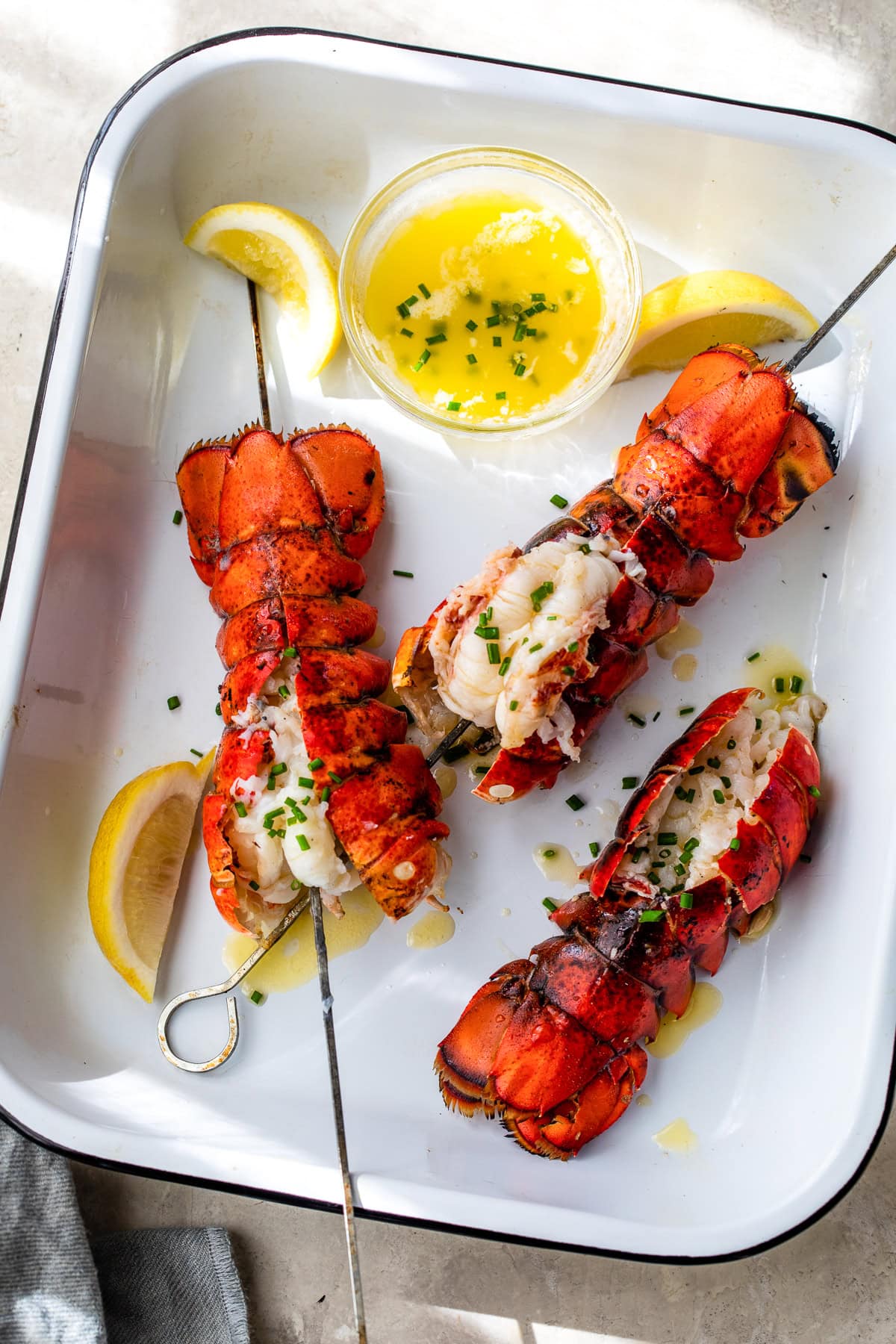
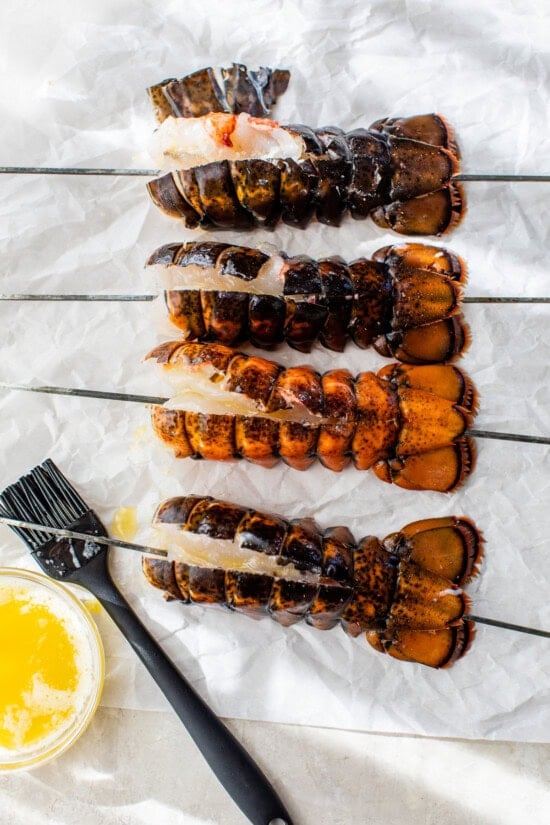
The core innovation in preparing these grilled lobster skewers lies in a simple yet effective technique: threading whole lobster tails onto skewers. This method serves several critical functions that contribute to the dish’s success. Firstly, it prevents the lobster tails from curling up during cooking, ensuring they remain flat against the grill grates. This uniform contact is essential for even cooking and achieving that desirable consistent char. Without skewers, lobster tails tend to contract and curl into tight C-shapes, leading to unevenly cooked sections and potential charring in some areas while others remain undercooked. This insight into preventing curling is a key factor in achieving professional-level results at home.
Secondly, the skewers facilitate easy handling and turning on the grill. Lobster tails, especially when hot, can be challenging to manipulate with tongs alone. The sturdy skewer provides a stable handle, allowing the cook to flip the tails effortlessly, ensuring both sides receive adequate heat exposure. This precision in turning is vital for achieving the ideal cooking temperature throughout the meat, preventing overcooking, which can render lobster tough and rubbery. This practical advantage significantly enhances the grilling experience for home chefs.
The process typically begins with carefully cutting open the top of the lobster shell, exposing the meat while keeping it largely encased. This partial shelling is crucial; cooking the lobster within its shell acts as a natural protective barrier, helping to retain the meat’s natural moisture and succulence. The shell insulates the delicate flesh from the direct, intense heat of the grill, allowing it to cook gently and evenly. Once the shell is prepared, the skewer is inserted lengthwise through the tail, running from the base to the tip, ensuring the tail remains straight. For wooden skewers, a pre-soak in water for at least 30 minutes is recommended to prevent burning on the grill, a minor but important preparatory step that prevents unwanted charring of the skewer itself.
A Symphony of Flavors: The Lemon Butter and Fresh Herb Ensemble
While the grilling technique is paramount, the accompanying flavor profile is equally critical to the dish’s appeal. The classic pairing of melted butter and fresh lemon juice with seafood, particularly lobster, is time-honored for good reason. Butter provides a rich, luxurious mouthfeel and enhances the sweetness of the lobster, while fresh lemon juice cuts through the richness, adding a bright, acidic counterpoint that elevates the overall taste. This simple yet profound combination awakens the palate, highlighting the inherent deliciousness of the lobster rather than masking it. Culinary historians note that this pairing has roots in traditional European cuisine, where rich sauces and acidic elements were frequently used to balance delicate seafood.

The addition of fresh herbs introduces an aromatic dimension and visual appeal. Common choices include finely chopped parsley, chives, or dill, each contributing its unique herbaceous note. Parsley offers a clean, peppery freshness, chives provide a delicate oniony zest, and dill imparts a distinctive, slightly anise-like flavor. These herbs are typically sprinkled over the grilled lobster just before serving, their vibrant green contrasting beautifully with the cooked red shell and opaque white meat. Beyond aesthetics, they infuse the dish with a final layer of fresh, garden-fresh aroma and taste, acting as a crucial finishing touch.
For those seeking to customize, variations on the lemon butter are easily achievable. A touch of minced garlic can be infused into the melted butter for a more robust flavor, a technique popular in Mediterranean cuisine. A pinch of red pepper flakes could add a subtle warmth, or a dash of white wine might introduce another layer of acidity and complexity. The beauty of this dish lies in its fundamental simplicity, allowing for personal touches without straying from its elegant essence, making it adaptable to various palates.
Culinary Accessibility: Demystifying Gourmet Cooking
One of the most appealing aspects of grilled lobster skewers is how they demystify what many perceive as a complex, intimidating gourmet item. The recipe’s straightforward nature makes grilling lobster tails more accessible to home cooks, challenging the notion that such a dish is exclusively the domain of professional chefs or high-end restaurants. The process, from preparation to plating, is surprisingly quick and intuitive. This ease of execution is a significant factor in its growing appeal, particularly for those new to preparing seafood at home.
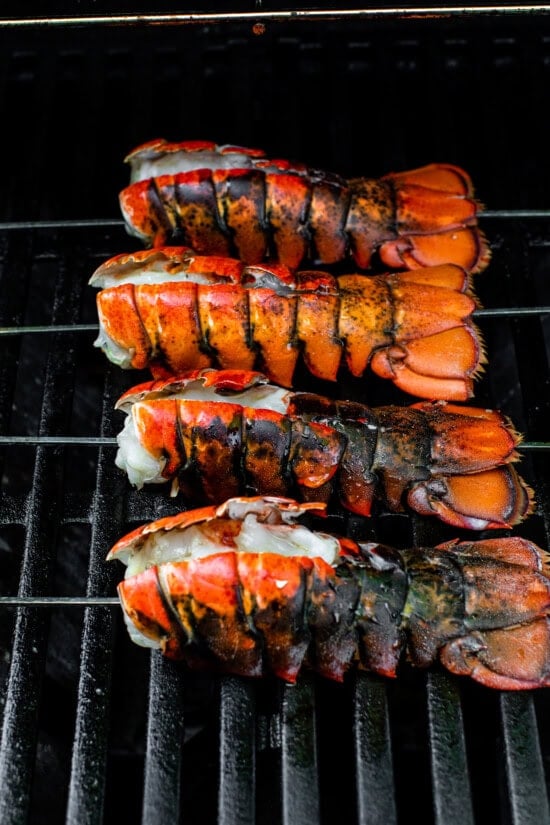
The total cooking time for lobster tail skewers is remarkably short, typically ranging from 7 to 8 minutes. This rapid cooking time is a significant advantage, especially when entertaining, as it minimizes the time spent away from guests and reduces the stress often associated with preparing elaborate meals. A recent survey by the National Restaurant Association highlighted that speed and ease of preparation are key drivers for consumers choosing recipes at home. The visual cues for doneness are also relatively easy to discern: the shell turns a vibrant red, and the meat transforms from translucent to opaque and firm. For precise assurance, an instant-read thermometer inserted into the thickest part of the meat should register between 140°F and 145°F (60°C to 63°C). This combination of quick cooking and clear indicators of doneness makes the process highly approachable for cooks of varying skill levels.

This ease of preparation, coupled with the impressive presentation of individual lobster tails on skewers, offers a perfect blend of convenience and sophistication. It empowers home cooks to create a truly memorable meal without extensive culinary training or specialized equipment, relying instead on a well-heated grill and a few quality ingredients. The technique is also forgiving, allowing for minor adjustments without compromising the final product significantly.
Nutritional Profile: A Lean Indulgence
Beyond its exquisite taste, grilled lobster offers a favorable nutritional profile, especially when prepared simply with minimal added fats. The typical serving of grilled lobster skewers, as outlined in similar culinary contexts, provides a substantial amount of lean protein while remaining relatively low in carbohydrates and sugars.
For instance, a serving might contain approximately 294 calories, with a robust 35 grams of protein. This makes lobster an excellent choice for individuals looking to increase their protein intake, which is vital for muscle repair, growth, and satiety. The fat content is moderate, around 14 grams, with saturated fat at about 7.5 grams. Cholesterol content is higher, at approximately 149.5 mg, which is characteristic of shellfish. Sodium levels are also moderate, around 303 mg. The dish is notably low in fiber and sugar, at 0.5 grams each.
These figures underscore lobster’s position as a lean protein source. A report from the American Heart Association emphasizes the benefits of incorporating lean proteins and seafood into a balanced diet. While the cholesterol content requires consideration for those with dietary restrictions, the overall nutritional balance, particularly the high protein and relatively low carbohydrate count, aligns with many contemporary healthy eating philosophies. When prepared with fresh ingredients and a judicious amount of butter, it represents an indulgent treat that can still fit into a balanced diet, offering a more wholesome alternative to many richer protein sources.
Crafting a Complete Meal: Inspired Serving Suggestions
The versatility of grilled lobster skewers extends to its accompaniments, offering numerous options to construct a complete and harmonious meal. The most classic pairing, the "surf-and-turf" dinner, combines grilled lobster with grilled steaks. This combination offers a luxurious contrast between the delicate sweetness of the lobster and the rich, savory depth of beef, creating a truly decadent dining experience. The grilling method unifies both components, imbuing them with a complementary smoky flavor, creating a cohesive culinary theme.
For a quintessential summer meal, grilled corn on the cob is an ideal companion. Its natural sweetness and slightly charred kernels echo the flavors of the lobster, while its crisp texture provides a pleasant contrast. Other vibrant vegetable sides, such as grilled asparagus, bell peppers, or zucchini, can further enhance the meal, adding color, nutrients, and additional smoky notes. A simple green salad with a light vinaigrette can also offer a refreshing counterpoint to the richness of the lobster, cleansing the palate between bites.
Beyond traditional sides, the dish pairs well with various starches. A light rice pilaf, quinoa salad, or even a crusty baguette to soak up the lemon butter sauce would complement the meal beautifully. The key is to choose accompaniments that enhance, rather than overpower, the delicate flavor of the lobster, allowing it to remain the star of the plate. This careful selection of sides elevates the entire dining experience, transforming a simple protein into a well-rounded feast.
Proper Storage and Culinary Versatility: Extending the Experience
Should there be any leftovers, grilled lobster tails can be properly stored and repurposed into new, exciting dishes, extending the gourmet experience. Cooked lobster meat, once cooled, should be stored in an airtight container in the refrigerator and will remain fresh for up to three days. This allows for convenient meal planning and minimizes food waste, a growing concern for environmentally conscious consumers.
While reheating in a microwave is possible, it can sometimes lead to a slight toughening of the meat due to rapid moisture loss. Many culinary enthusiasts prefer to enjoy leftover lobster meat cold, where its delicate texture and flavor are preserved. This cold lobster meat is incredibly versatile. It can be transformed into a classic lobster roll, mixed with mayonnaise, celery, and herbs, served on a toasted bun—a popular New England delicacy. Alternatively, it makes an exquisite addition to a Cobb salad, providing a luxurious protein boost alongside fresh greens, avocado, bacon, and eggs. For a more adventurous twist, flaked lobster meat can be incorporated into tacos, offering a gourmet seafood filling with a hint of citrus and spice. These applications demonstrate the flexibility of grilled lobster beyond its initial presentation, allowing its rich flavor to grace multiple culinary creations and catering to diverse tastes.
Expert Insights and Evolving Culinary Trends
The increasing popularity of recipes like grilled lobster skewers reflects several broader trends in contemporary gastronomy. Culinary experts and food journalists observe a growing consumer demand for dishes that blend gourmet appeal with practical, easy-to-follow instructions suitable for home cooking. This trend is driven by a desire for high-quality, memorable meals without the perceived hassle or expense of dining out.
"Modern home cooks are increasingly confident in tackling ingredients once thought exclusive to restaurants," notes Chef Anya Sharma, a culinary instructor at the Culinary Institute of America. "Recipes that demystify luxury items like lobster, providing clear, concise steps, empower individuals to explore new culinary frontiers in their own kitchens." This sentiment underscores the value of instructional content that focuses on approachable techniques and readily available ingredients. Food blogs and online recipe platforms have played a significant role in disseminating such knowledge, making gourmet cooking more accessible than ever before.
Furthermore, the emphasis on grilling aligns with the enduring appeal of outdoor cooking. Grilling is not merely a method of heat application; it is often a social activity, synonymous with summer gatherings, celebrations, and a relaxed dining atmosphere. The ability to prepare a sophisticated dish like lobster skewers on the grill enhances this experience, adding a touch of elegance to casual outdoor events. The focus on fresh, high-quality ingredients, minimal processing, and vibrant, natural flavors also resonates with current health and wellness trends, appealing to those who prioritize both taste and nutritional value. The convenience of a 43-minute total preparation time, including skewer soaking, further cements its place as a desirable option for busy lifestyles.
Procurement and Preparation Tips: From Market to Plate
For those embarking on the grilled lobster skewer journey, selecting quality ingredients and executing initial preparation steps correctly are crucial. Lobster tails can be purchased fresh or frozen. If opting for frozen tails, it is imperative to thaw them completely in the refrigerator overnight. Rushing the thawing process, for instance, by using hot water, can compromise the texture and flavor of the delicate meat, leading to a less desirable outcome.
When selecting fresh lobster tails, look for firm, bright shells with no discoloration or strong odors, which could indicate spoilage. The size of the tails can vary, but typically, medium-sized tails (around 4-6 ounces each) are ideal for grilling, as they cook evenly and are easy to manage. Larger tails might require slightly longer cooking times, while smaller ones could dry out quickly. Sustainable sourcing is also a growing consideration; consumers are increasingly seeking out lobster from certified sustainable fisheries, supporting responsible fishing practices.
Before grilling, beyond the skewer insertion, a few basic steps ensure optimal results. The lobster tails should be rinsed under cold water and patted dry with paper towels to ensure good contact with the grill and prevent steaming. The dorsal side of the shell, where the cut is made, often reveals a dark vein, which is the digestive tract. While not harmful to eat, many prefer to remove it for aesthetic reasons and a cleaner taste. This can be done carefully with the tip of a knife or by gently pulling it out. These minor preparatory details contribute significantly to the overall enjoyment and presentation of the dish.
The Broader Impact: Elevating Home Dining Experiences
In conclusion, the grilled lobster skewer recipe is more than just a set of cooking instructions; it represents a convergence of culinary accessibility, gourmet aspiration, and practical home cooking. Its rise in popularity signifies a broader trend where consumers are increasingly confident and eager to tackle sophisticated dishes in their own kitchens, driven by clear, actionable guidance. The digital age, with its abundance of online recipes and instructional videos, has played a pivotal role in this democratization of gourmet cooking.

This dish, with its elegant presentation, delectable flavors, and surprisingly simple preparation, empowers individuals to transform ordinary meals into extraordinary culinary events. It reinforces the idea that luxury dining does not always require a reservation or a hefty price tag, but rather a willingness to experiment with quality ingredients and straightforward techniques. As home cooking continues to evolve, recipes like grilled lobster skewers stand as a testament to the enduring appeal of delicious food made with care and shared with loved ones, elevating the everyday into something truly special. The minimal prep, quick cook time, and impressive results make it an ideal choice for celebrations, weeknight indulgences, or simply as a testament to the joy of cooking, further solidifying its place in modern culinary practices.
