
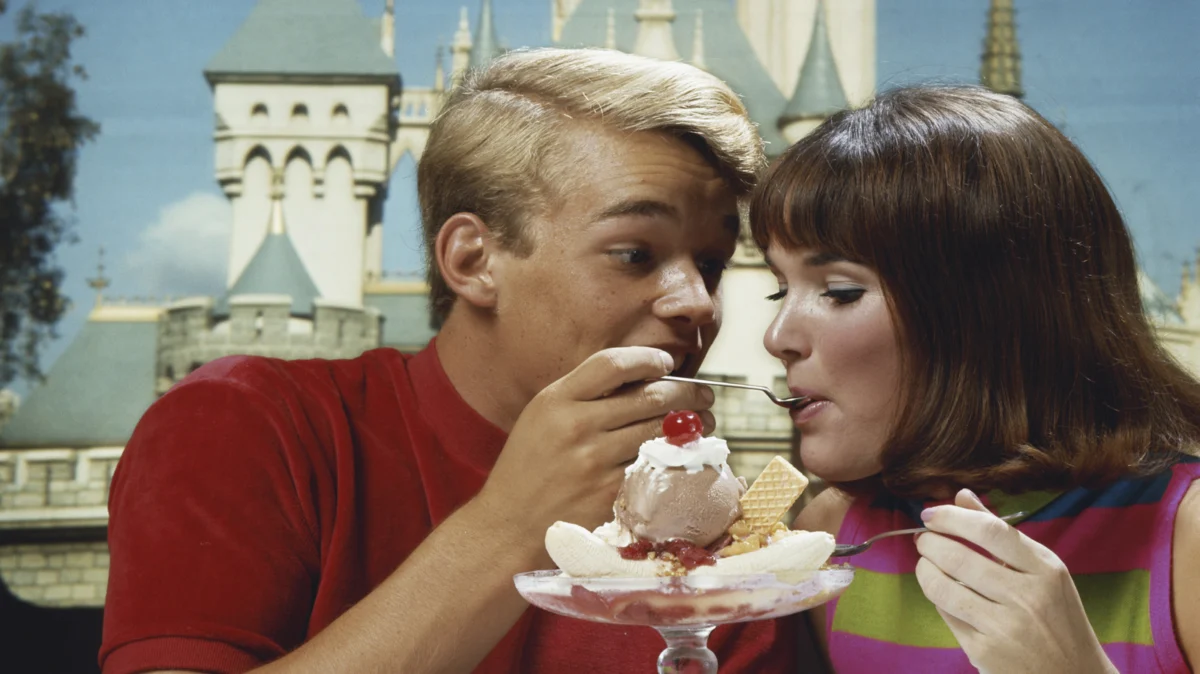
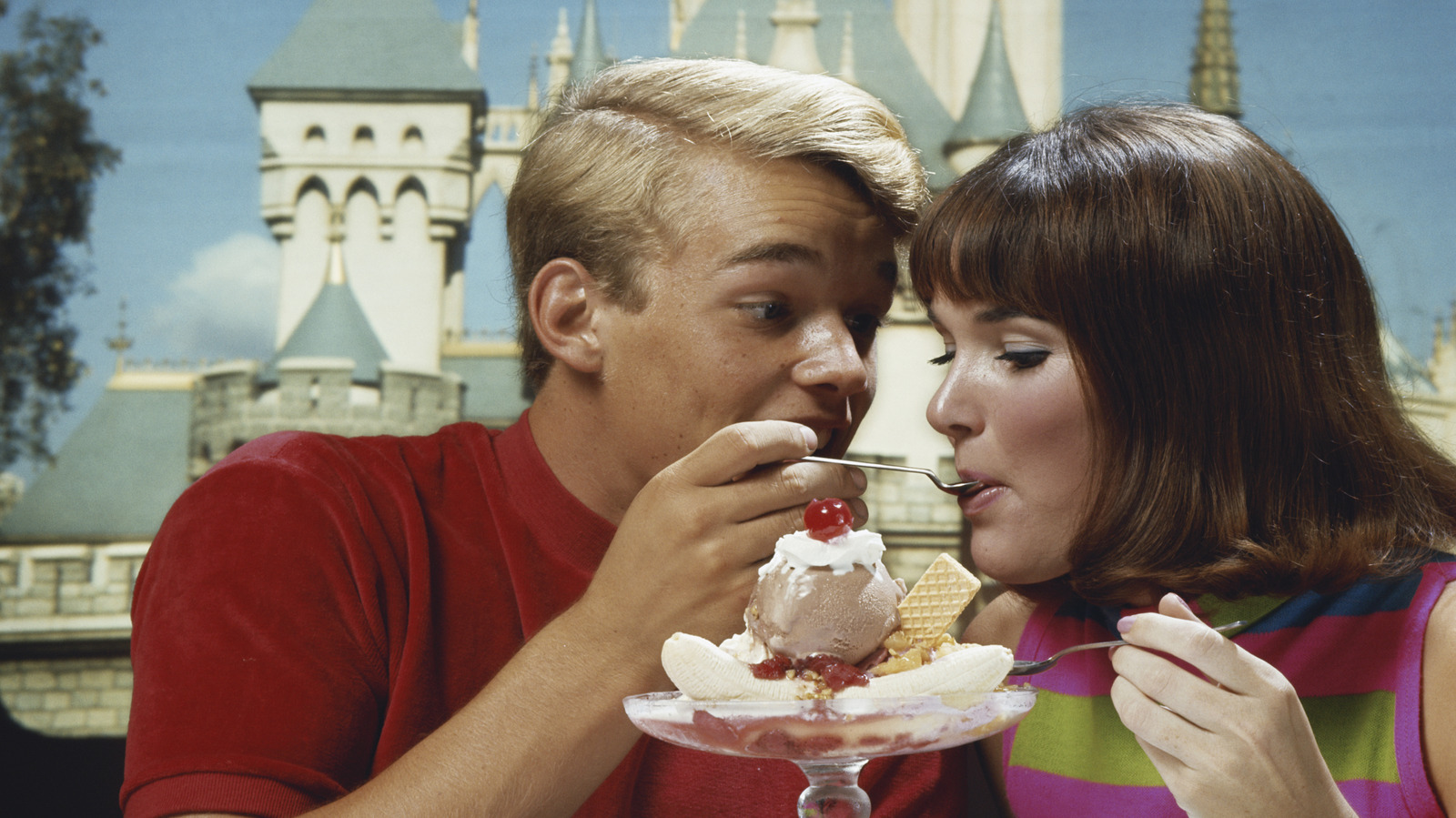
The 1960s, a decade often remembered for its cultural shifts, burgeoning youth movements, and significant technological advancements, also held a special place in the hearts of children for its simpler, sweeter pleasures. Among these, ice cream reigned supreme, offering a cool respite from summer days and a delightful reward for childhood achievements. While today’s consumers have an overwhelming array of premium and artisanal ice cream brands at their fingertips, the landscape of frozen treats in the 1960s was defined by a different set of familiar names and unique experiences. These brands were not just providers of dessert; they were integral to the fabric of childhood, weaving memories through their distinctive flavors, innovative packaging, and often, the iconic jingles and truck bells that signaled their arrival.
A Sweet Shift in the American Ice Cream Market
The early 21st century ice cream market is characterized by a plethora of choices, with brands like Häagen-Dazs, Ben & Jerry’s, and Tillamook dominating freezer aisles and consumer preferences. These companies, known for their sophisticated flavor profiles, commitment to quality ingredients, and often, their social and environmental initiatives, represent a modern evolution of the ice cream industry. However, a look back to the 1960s reveals a market shaped by different forces. Rather than solely relying on supermarket freezer sections, children of that era often found their favorite frozen delights at local drug stores, dedicated ice cream parlors, or through the much-anticipated arrival of mobile ice cream vendors. This era fostered a unique relationship between consumers and their ice cream providers, one often built on community presence and accessible, affordable treats.
Sealtest Ice Cream: A Ubiquitous Delight
Sealtest Ice Cream was a dominant force in the American frozen dessert scene throughout the mid-20th century. Originating in the 1930s under National Dairy Products, a precursor to Kraft Foods, Sealtest became a household name by the 1950s and 1960s. Its widespread availability, often advertised on billboards, made it an ever-present temptation for families on the go. Children of the era recall specific Sealtest offerings that were distinct from the standard scoop. The brand was renowned for its creative products, which extended beyond traditional tubs and cones. Sealtest offered ice cream in innovative multi-colored blocks that could be sliced and served, providing a visually appealing and novel way to enjoy frozen treats.
Popular flavors like Checkerboard, a delightful swirl of cherry and vanilla, and Cherry Nugget, featuring bursts of cherry flavor, were staples. Another standout was Berry Patch, an intricate combination of raspberry, blueberry, and strawberry ice creams studded with real fruit pieces, offering a more complex flavor experience. These unique offerings contributed to Sealtest’s immense popularity. Testimonials from the era highlight the brand’s nostalgic significance. For instance, a Facebook user in a group dedicated to 1960s memories expressed, "I grew up with Sealtest. All of their ice cream was great." Another user enthusiastically added, "Sealtest was the best there was!"
While Sealtest’s ice cream products are no longer available in the United States, the brand’s legacy continues to resonate. Unilever acquired the Sealtest brand from Kraft in the 1990s, and while the ice cream line was discontinued, the ownership of the brand name suggests a possibility, however remote, for its future revival. The enduring fondness for Sealtest among those who experienced it in their youth underscores its impact on a generation’s culinary memories.
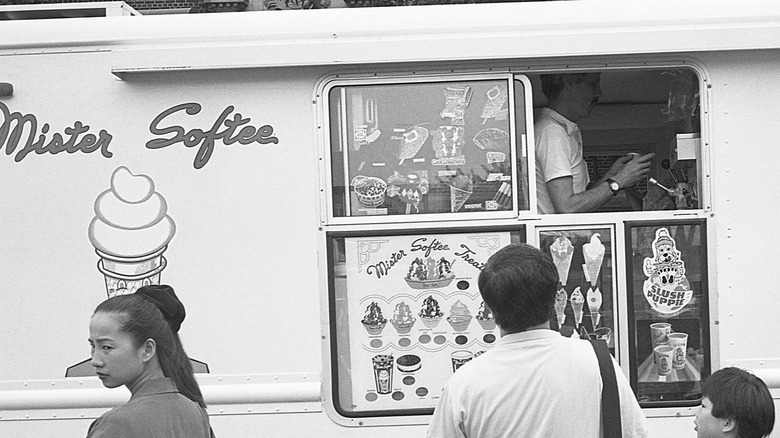
Mister Softee: The Soundtrack of Summer
For many children growing up in the 1960s, the quintessential sound of summer was the distinctive, tinkling melody of the Mister Softee ice cream truck. Founded in Philadelphia in the 1950s, Mister Softee rapidly achieved widespread recognition, largely attributed to its accessible soft-serve ice cream and, of course, its unforgettable, albeit sometimes perceived as slightly unsettling, jingle. By the 1960s, Mister Softee trucks had become a common sight in nearly every state across the U.S., transforming neighborhood streets into impromptu gathering spots for eager children.
The appeal of Mister Softee extended beyond simple soft serve. The trucks offered a diverse menu of frozen delights, including syrup-slathered sundaes, banana boats, creamy milkshakes, and refreshing soda floats. These treats were not merely desserts; they were part of a cherished ritual, a reward for playing outdoors and a communal experience that brought neighbors together. The sheer volume of Mister Softee trucks in operation during its heyday is remarkable; numbering over 2,000, they were a ubiquitous presence.
Nostalgic recollections from the era vividly capture the excitement. One individual shared in a 1960s memories Facebook group, "Couldn’t wait for it to come around." Another fondly recalled, "One of my favorites!! He had the best banana splits." Mister Softee continues to operate today, but the 1960s represent its undeniable golden era, a time when its trucks and tunes were inextricably linked to the joy of childhood. The brand’s enduring presence, even decades later, speaks to the deep emotional connection it forged with a generation.
Thrifty Ice Cream Cones: A Pharmacy’s Sweet Secret
The history of American drug stores is intrinsically linked to the evolution of informal dining and treat consumption. In the late 19th century, pharmacists often served beverages, some containing stimulants like caffeine and, historically, even cocaine, as remedies for common ailments. This practice paved the way for the widespread adoption of soda fountains within pharmacies, which soon expanded to offer a variety of ice cream-based confections. By the 1960s, indulging in a sweet treat at the local drug store was a common and accessible pleasure.
Among the chains that embraced this trend, Thrifty Drug Stores, primarily a West Coast institution, carved out a special niche with its incredibly affordable and distinctive ice cream cones. A single scoop at Thrifty cost a mere five cents, making it an irresistible option for budget-conscious children and families. This affordability was a significant factor in its popularity. Reflecting on this era, one person commented in an Echo Park History Facebook group about a 1960s Thrifty ice cream menu, "Man [we] were lucky in those days, we were [too] young to appreciate [it]."
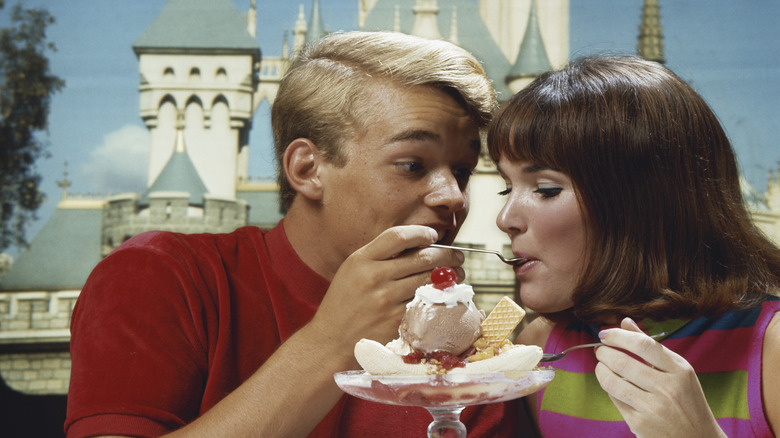
Thrifty’s ice cream was not only inexpensive but also visually unique. The brand utilized its own signature scooper, designed to create a distinct, frilly shape and a consistent portion size for each scoop. This characteristic presentation added to the brand’s memorability. Thrifty Drug Stores continued to serve its popular ice cream well into the 1970s and 1980s. The chain was acquired by Rite Aid Corporation in the 1990s, but the ice cream operations continued. However, recent developments, including Rite Aid’s bankruptcy filing in 2023 and subsequent closures in 2025, mark a significant turning point, leaving Thrifty’s beloved ice cream as a fond memory for many.
Farrell’s Ice Cream Parlor: A Birthday Extravaganza
For children celebrating birthdays in the 1960s, Farrell’s Ice Cream Parlor offered an unparalleled experience that transformed a simple dessert into a memorable event. The atmosphere was designed for celebration, complete with singing servers, the dramatic wail of sirens, and the grand presentation of enormous ice cream creations. Among the most legendary was the "Pig Trough," a colossal dessert featuring 24 scoops of ice cream, which patrons could win a pin for consuming. This over-the-top approach to ice cream service made Farrell’s a destination for special occasions.
Founded in 1963, Farrell’s Ice Cream Parlor aimed to provide family entertainment alongside its generous portions of ice cream. The concept proved incredibly successful, and at its zenith, the chain boasted approximately 130 locations across the United States. The unique combination of a festive atmosphere and indulgent desserts cemented its place in the hearts of many. One Facebook user reminisced about Farrell’s in the 1960s, stating, "These were the funnest family joints around. Great atmosphere, sang you happy birthday, and had the hugest banana splits." The sentiment is echoed by others who recall specific challenges and rewards, like winning a pin for conquering the Pig Trough.
The journey of Farrell’s reflects the dynamic nature of the restaurant industry. In the 1970s, the chain was acquired by Marriott, and subsequently sold to another investment group in the late 1980s. By the 1990s, the expansive chain had dwindled to a single location, which eventually closed in the early 2000s. A revival attempt in 2009 saw the opening of seven new stores, but these also ceased operations by 2019. Today, Farrell’s Ice Cream Parlor is remembered as another beloved establishment that has joined the ranks of chains that Baby Boomers fondly miss.
Swift’s Ice Cream: Beyond the Meatpacking Legacy
Swift & Company, a name historically synonymous with meatpacking, was a diversified industrial giant that also ventured into various consumer markets throughout the 20th century. Their product portfolio extended to eggs, cheese, mayonnaise, and notably, ice cream. In the 1960s, Swift’s Ice Cream enjoyed considerable popularity, offering a wide array of products that appealed to a broad consumer base. Beyond standard ice cream sandwiches and tubs, Swift’s introduced imaginative flavors that captured the era’s playful spirit.
Among the memorable flavor offerings were Bewitchin’ Banana-Cherry-Nut, a complex and intriguing combination; Party Peach, featuring real peach pieces for an authentic fruit experience; and Pink Lemonade Sherbert, a refreshing and tangy option. These creative flavor profiles set Swift’s apart and contributed to its strong market presence.
Swift’s influence extended beyond retail sales; the company also operated its own ice cream parlors. These establishments provided a dedicated space for consumers to enjoy Swift’s creations, often served by "soda jerks" in a traditional parlor setting. One individual recalled visiting a Swift’s parlor after receiving vaccinations at the Health Department, highlighting the personal connection people had with these locations. Furthermore, there are indications that Swift’s ice cream was also supplied to other, non-Swift’s branded parlors, albeit discreetly. A user on the r/retromenus subreddit shared, "I worked at an ice cream shop and we used Swifts. It was a big secret because they did not want any competition. Seriously good ice cream." This suggests a high regard for the quality of Swift’s ice cream, even within the competitive industry.
The precise reasons for the discontinuation of Swift’s Ice Cream line are not extensively documented, but it is widely believed to be a consequence of the numerous ownership changes Swift & Company underwent during the 20th century. The company’s meat division was eventually acquired by JBS in 2007, becoming JBS USA. While the ice cream division’s fate remains less clear, its disappearance from the market signifies the end of an era for a brand that offered more than just meat products to American consumers.
Borden’s: A Dairy Giant’s Sweet Success
The Borden Company, a venerable institution initially established in the late 1800s as a condensed milk producer, made a strategic and highly successful expansion into the ice cream market in the 1920s. Despite its diversified interests, which included cheese and even adhesives, ice cream emerged as one of its most profitable ventures. By the 1960s, Borden’s had solidified its position as an established and beloved brand within the ice cream industry, leaving a lasting imprint on the memories of those who grew up during that period.
Consumers from the 1960s often recall indulging in Borden’s signature flavors, frequently sold in convenient half-gallon boxes. Classics like cherry vanilla, strawberries ‘n cream, and buttered nut were particularly popular. One Reddit user in the r/vintageads subreddit fondly remembered the cherry vanilla flavor, stating, "It was so good. My grandma always stocked up when we visited!" These flavors represented comfort and tradition for many families.
Beyond its packaged products, Borden’s also operated its own ice cream parlors, which provided a more immersive and festive experience. One Facebook user shared vivid recollections of visiting a Borden’s Ice Cream Parlor in Corpus Christi, Texas, in the early 1960s, remarking, "I can taste it now!" These parlors served as community hubs, offering a special destination for families seeking a sweet treat and a pleasant outing. By the end of the 20th century, following a series of acquisitions, Borden’s had exited the ice cream business. However, for those yearning for a taste of nostalgia, a beacon of hope remains: one original Borden’s Ice Cream Parlor continues to operate in Lafayette, Louisiana, preserving a piece of this enduring legacy.
Carnation: From Evaporated Milk to Disneyland Delights
Carnation, a brand best known for its pioneering work in evaporated milk since its inception in the late 1800s, demonstrated remarkable adaptability and innovation throughout the 20th century. The company strategically expanded its reach within the dairy market, venturing into fresh milk and, crucially, ice cream. This diversification proved to be a significant success, extending Carnation’s brand recognition and consumer appeal.
Carnation’s ice cream presence was not limited to grocery store shelves. The brand established its own ice cream parlors, and notably, secured a highly coveted spot within Disneyland. At this iconic park location, Carnation offered ice cream named after some of Disneyland’s most beloved rides, creating a unique synergy between the magical theme park experience and the comforting familiarity of a well-known dairy brand.
Outside of Disneyland, families could still enjoy Carnation’s ice cream creations at its parlors, which were situated in several states. These establishments became cherished local spots for many, particularly in the 1950s and 1960s. A Facebook user from Lubbock recalled, "I played in Southern Little League in the early 1960’s. If our team won a big game we got to go there for ice cream after the game. If you hit a home run, you got a banana split!" This anecdote highlights how Carnation’s ice cream parlors were integrated into the fabric of community life and childhood milestones.
For those who did not live near a Carnation Ice Cream parlor, pints of the brand’s ice cream were readily available in stores. Throughout the 1960s, Carnation offered popular flavors such as Banana Berry and Polka Dot Cherry in half-gallon tubs, providing a convenient way for families to enjoy their creations at home. The acquisition of Carnation by Nestle in the 1990s ultimately led to the phasing out of the Carnation ice cream line, much to the disappointment of its loyal customer base. Nevertheless, the brand’s legacy continues to evoke fond memories of a simpler time when ice cream was a celebrated indulgence for families across America.
