
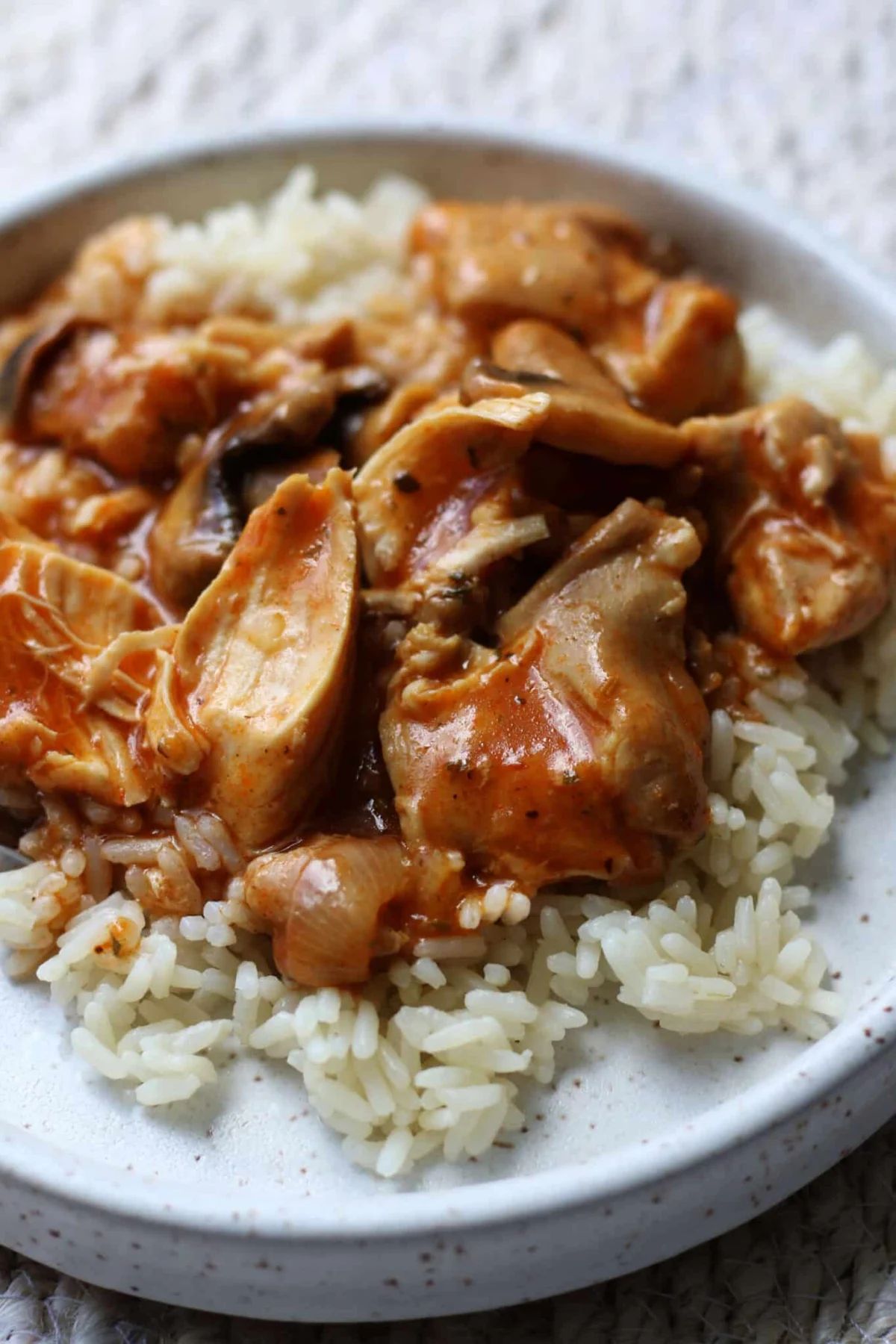
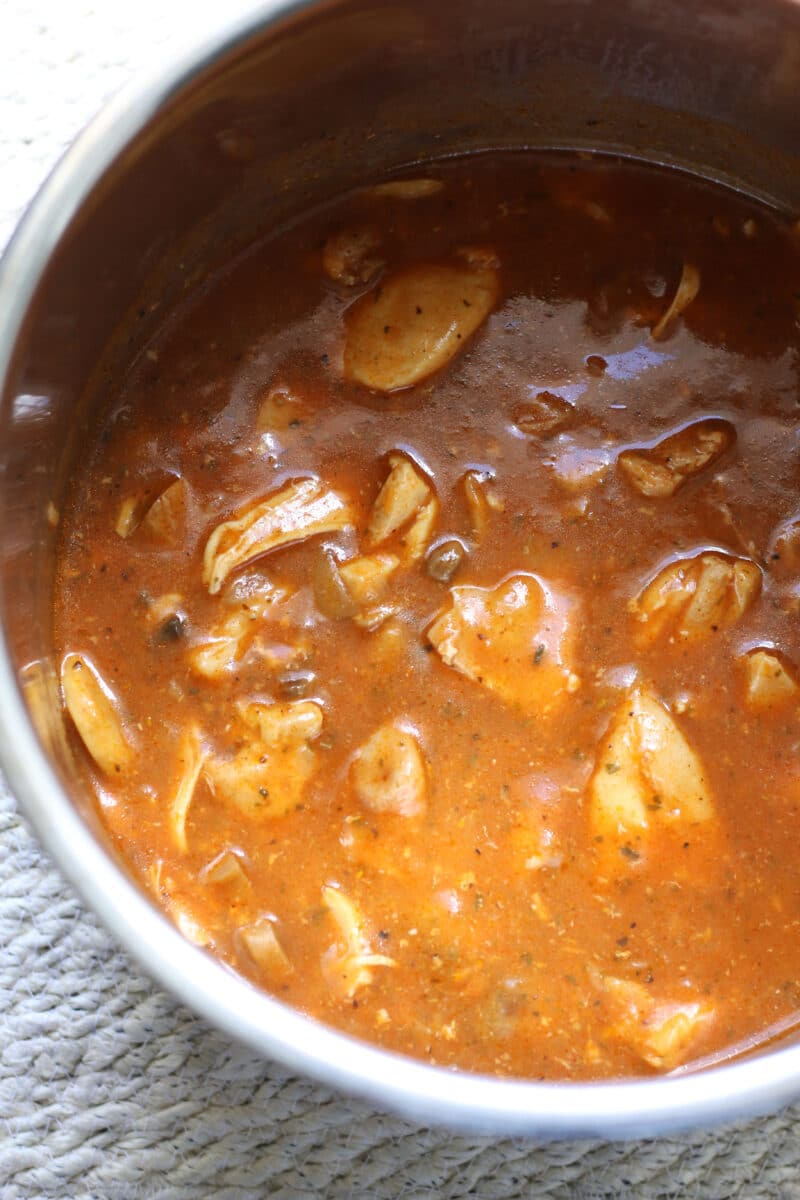
The evolution of domestic culinary practices has increasingly moved toward the intersection of high-concept celebrity chef influence and the pragmatic efficiency of modern kitchen technology. At the center of this movement is a specialized adaptation of Bobby Flay’s Chicken, a dish that reinterprets the traditional French "Hunter’s Style" (Poulet à la Chasseur) for the contemporary home cook using the Instant Pot and slow cooker platforms. This particular preparation, which centers on tender chicken thighs simmered in a savory tomato-herb gravy enriched with mushrooms and onions, represents a significant shift in how complex flavor profiles are achieved within the constraints of a busy household schedule. By leveraging the pressurized environment of the Instant Pot or the low-and-slow heat of a crockpot, this recipe preserves the integrity of Flay’s original flavor palette while addressing the modern demand for gluten-free and high-protein meal options.

The Historical Context of Hunter-Style Chicken
To understand the significance of Bobby Flay’s Chicken, one must first look at its progenitor: Chicken Chasseur. The term "chasseur" is French for "hunter," and the dish historically dates back to a period when hunters would return from the field with small game or poultry, utilizing the ingredients they found in the forest—specifically mushrooms and herbs—to create a hearty stew. Traditionally, the dish is characterized by a demi-glace or a reduction of white wine, tomatoes, and mushrooms.
Bobby Flay, a chef renowned for his ability to modernize classic dishes with bold, Americanized flavors, adapted this French staple into a version that emphasizes a richer tomato base and a more accessible herb profile. The transition of this recipe from a high-end restaurant kitchen to a simplified, automated home version highlights the democratization of gourmet cooking. What was once a labor-intensive process involving multiple pans and hours of stove-side monitoring has been distilled into a streamlined procedure that maintains the dish’s "hunter" essence—earthiness from mushrooms and brightness from tomatoes—without the technical barriers of classical French technique.

The Shift to Automated Pressure Cooking and Slow Cooking
The adaptation of Flay’s recipe for the Instant Pot and slow cooker is not merely a change in equipment; it is a response to a decade-long shift in consumer behavior. Since the launch of the Instant Pot in 2009, the appliance has become a staple in millions of kitchens, driven by its promise of reducing cooking times by up to 70% while retaining moisture and flavor.
In the case of Bobby Flay’s Chicken, the use of chicken thighs rather than breasts is a strategic choice supported by culinary science. Thighs contain more connective tissue and fat, which, when subjected to the high-pressure environment of an Instant Pot or the extended heating of a slow cooker, break down into gelatin. This process not only ensures the meat remains succulent but also contributes to the "gravy" consistency of the sauce.
Data from the kitchen appliance industry suggests that recipes utilizing these "set-it-and-forget-it" methods have seen a 40% increase in online search volume over the last five years. This trend is particularly prevalent among families who prioritize home-cooked meals but face time poverty. The ability to produce a celebrity-chef-quality meal in under 30 minutes of active time has transformed the domestic dinner landscape.
Chronology of Preparation: A Technical Breakdown
The preparation of Bobby Flay’s Chicken follows a logical progression designed to maximize flavor extraction through specific thermal reactions.
Phase 1: The Maillard Reaction and Aromatics
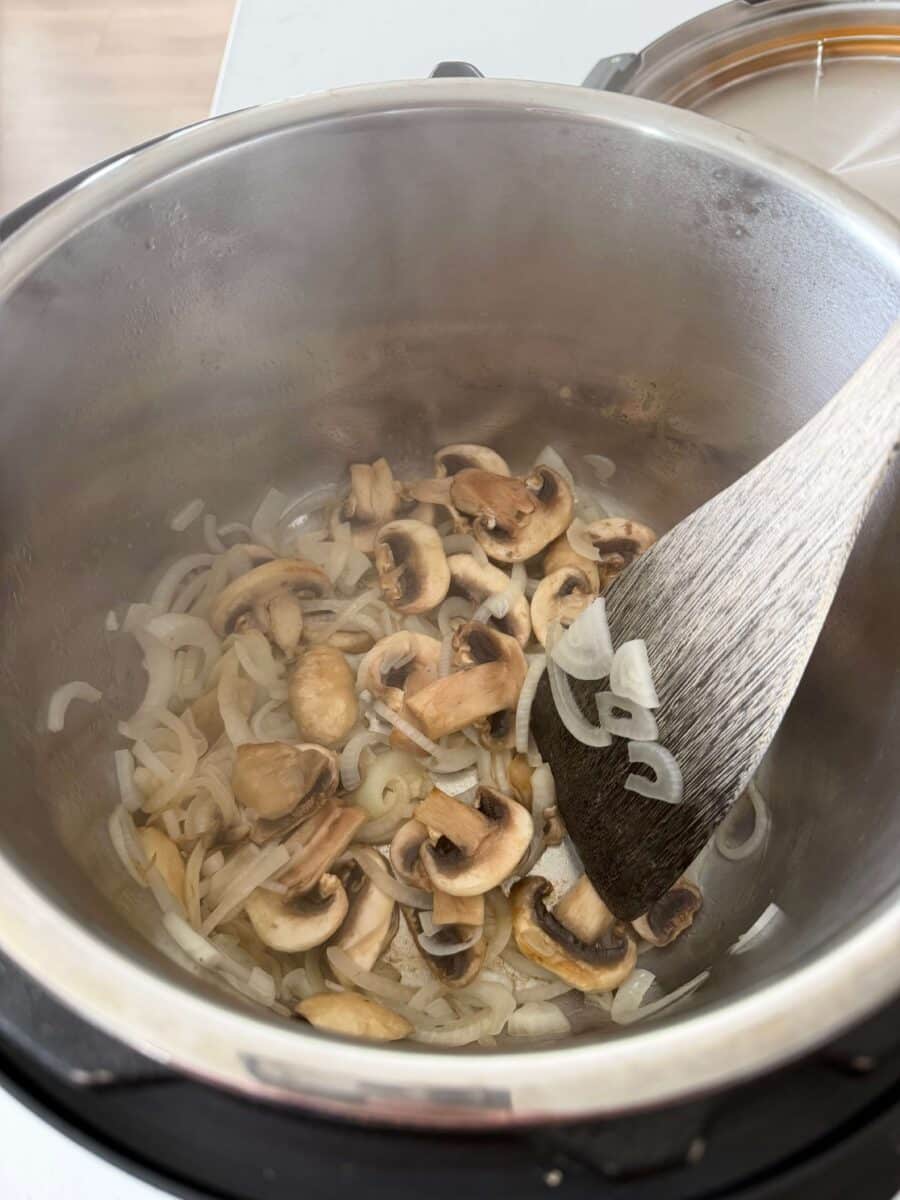
The process begins with the "Sauté" function on the Instant Pot. The introduction of butter followed by mushrooms and onions is critical. This stage facilitates the Maillard reaction—a chemical reaction between amino acids and reducing sugars that gives browned food its distinctive flavor. Sautéing the mushrooms for approximately five minutes allows their moisture to evaporate, concentrating their earthy profile and providing a textural contrast to the tender chicken.
Phase 2: Deglazing and Flavor Layering
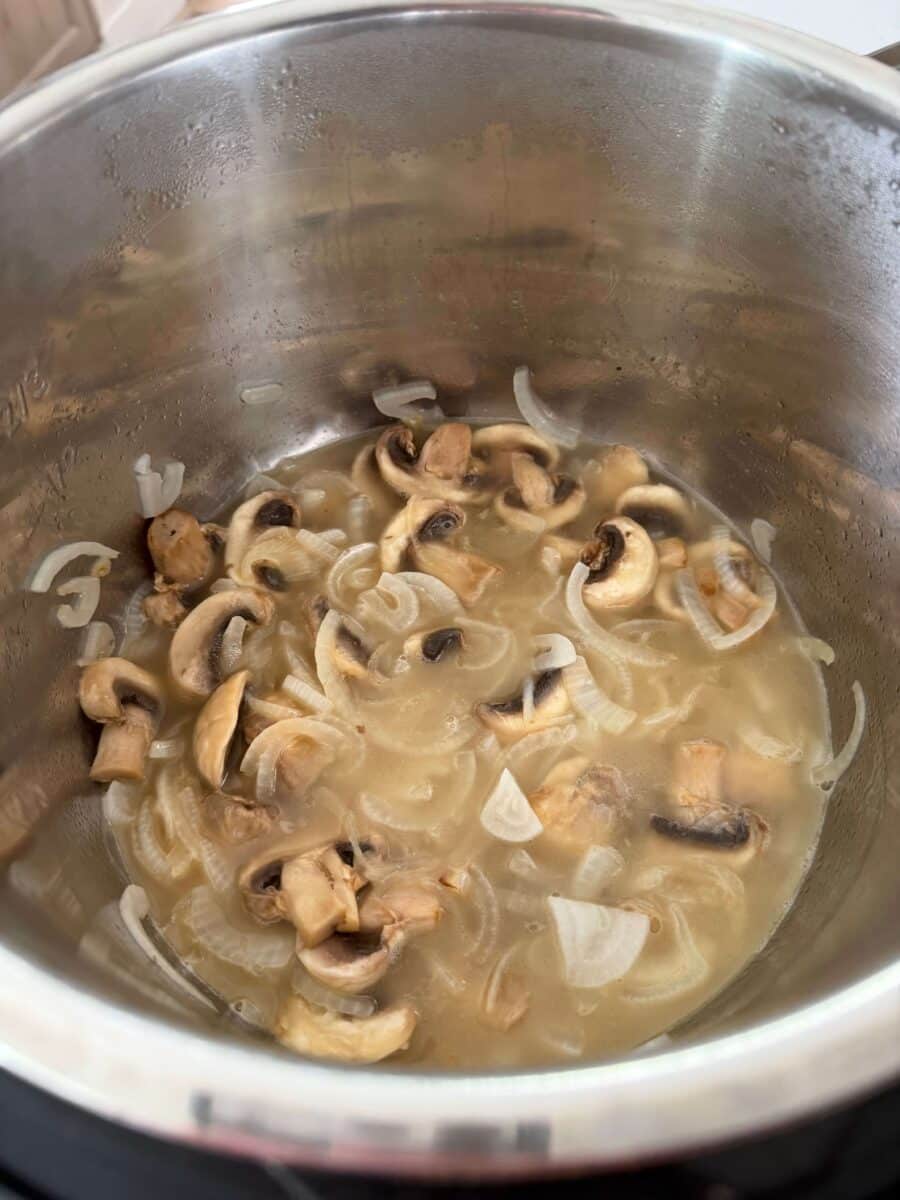
The introduction of vinegar and water serves a dual purpose. First, it deglazes the pot, lifting the "fond"—the caramelized bits of onion and mushroom stuck to the bottom—which contains concentrated flavor. Second, the acidity of the vinegar balances the richness of the butter and the upcoming tomato components. The addition of "Better than Bouillon" provides a foundational umami base that would traditionally take hours of bone-simmering to achieve.
Phase 3: Pressure Cooking and Infusion
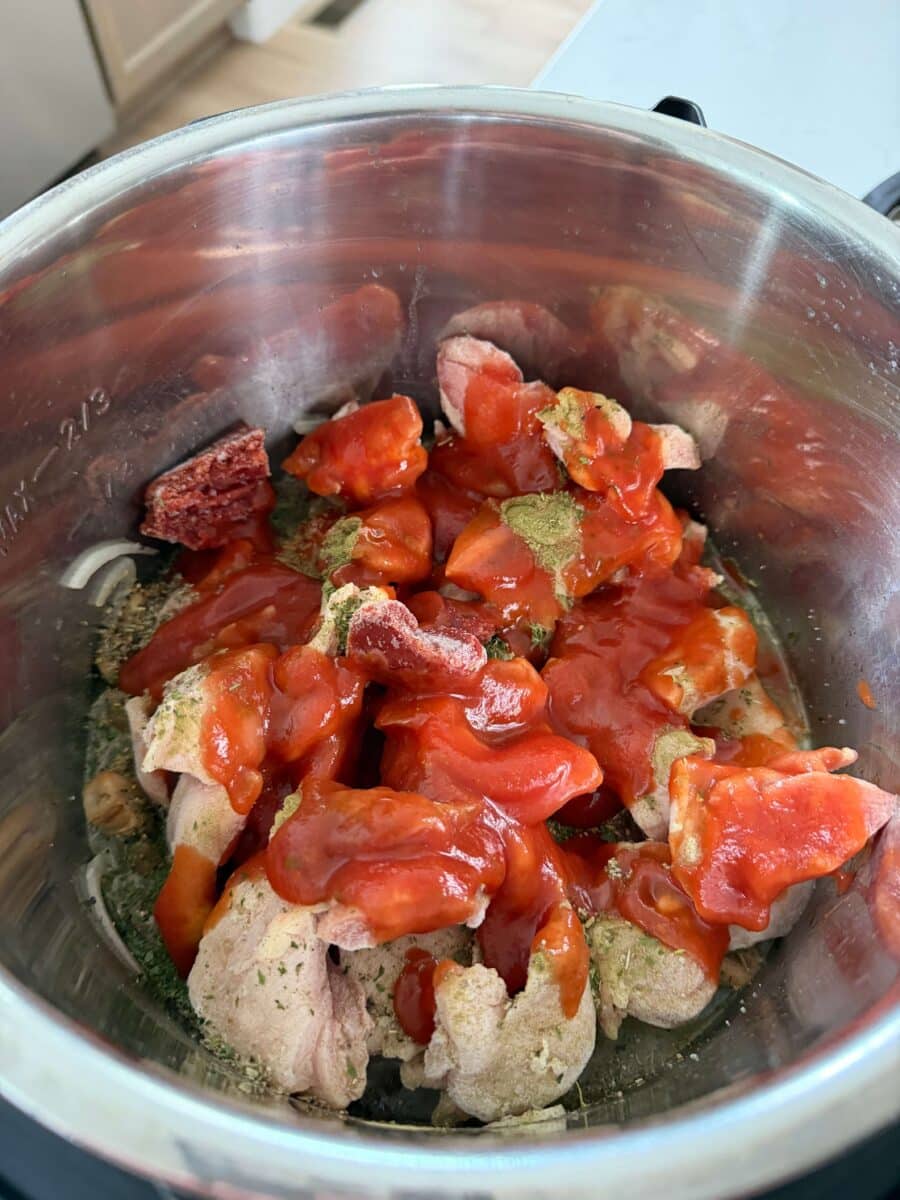
The chicken chunks are added, followed by a layer of tomato paste and tomato sauce. This layering is vital in pressure cooking to prevent the "burn" notice, as thick sauces like tomato paste can scorch if they sit directly on the heating element. A blend of rosemary, thyme, sage, and parsley is added at this stage. Under pressure, the volatile oils in these herbs are forced into the meat, creating a deep infusion that stovetop simmering often fails to replicate in short timeframes.
Phase 4: Textural Finishing
Upon completion of the pressure cycle and a subsequent 10-minute natural release—which allows the muscle fibers in the chicken to relax and reabsorb juices—the final stage involves a cornstarch slurry. By returning the pot to the sauté setting and stirring in the slurry, the chef achieves a glossy, thick gravy that adheres to the chicken and any accompanying starch, such as rice or mashed potatoes.

Dietary Inclusivity and Nutritional Implications
One of the most significant aspects of this recipe adaptation is its natural alignment with modern dietary restrictions. As the prevalence of celiac disease and non-celiac gluten sensitivity has risen, the demand for "naturally gluten-free" recipes has skyrocketed. Unlike traditional stews that may use a flour-based roux for thickening, this version of Bobby Flay’s Chicken utilizes a cornstarch slurry and tomato reduction, making it safe for gluten-sensitive individuals without sacrificing texture.
Nutritionally, the dish is a high-protein powerhouse. Chicken thighs are a dense source of protein and essential minerals like iron and zinc. The inclusion of mushrooms adds a source of B vitamins and selenium, while the tomato base provides lycopene, a powerful antioxidant. When served over brown rice or alongside a green salad, the meal offers a balanced macronutrient profile suitable for a wide range of health-conscious consumers.

Social and Cultural Significance: The "Fast Sunday" Tradition
The context in which this recipe is often shared—such as "Fast Sunday" suppers—points to a broader cultural trend of using food as a communal and spiritual anchor. In many communities, Sunday meals are a time for hospitality, often involving guests with diverse dietary needs. The ability to serve a meal that is simultaneously sophisticated enough for guests and simple enough to prepare during a day of rest or religious observation is a key driver of the recipe’s popularity.
Testimonials from home cooks, including culinary blogger Karen Petersen, emphasize the dish’s reliability. "We had Reagan and her gluten-free friend over, so this was perfect to make since it’s naturally gluten-free," Petersen noted, highlighting the social utility of the dish. This sentiment reflects a larger shift in the "foodie" culture where the success of a recipe is measured not just by its taste, but by its ability to facilitate stress-free social interaction.
Broader Impact on the Digital Recipe Economy
The success of Bobby Flay’s Chicken as an adapted recipe also underscores the power of digital platforms like Pinterest and specialized recipe filters. The original content, hosted on "365 Days of Crockpot," allows users to filter by meat type, appliance, and dietary needs. This level of customization is representative of the "Web 3.0" culinary experience, where the algorithm assists the cook in finding the intersection of their pantry contents and their schedule.
Furthermore, the participation in affiliate programs, such as the Amazon Services LLC Associates Program mentioned by the author, illustrates the economic model supporting modern food journalism. Independent creators provide high-value, tested adaptations of celebrity recipes, funded by the very tools (Instant Pots, slow cookers, and ingredients) they recommend to their audience.

Analysis of Implications for the Future of Home Cooking
As we look toward the future of domestic meal preparation, Bobby Flay’s Chicken serves as a case study for several emerging realities:
- Hybridization of Professional and Amateur Cooking: The line between "chef-led" and "home-cooked" continues to blur as professional techniques are translated into automated appliance settings.
- Efficiency as a Culinary Value: The "slow food" movement is being challenged by "fast-slow food"—dishes that taste like they took all day but were completed in a fraction of the time.
- Dietary Transparency: The expectation that a meal be "naturally" inclusive (gluten-free, high-protein, low-carb) is becoming a standard rather than a niche requirement.
In conclusion, Bobby Flay’s Chicken is more than a simple recipe; it is a sophisticated culinary tool that empowers the modern home cook to bridge the gap between gourmet aspiration and the logistical realities of daily life. By combining the flavor profiles of a world-class chef with the efficiency of 21st-century technology, it ensures that the tradition of the hearty, home-cooked family meal remains viable in an increasingly fast-paced world.
