
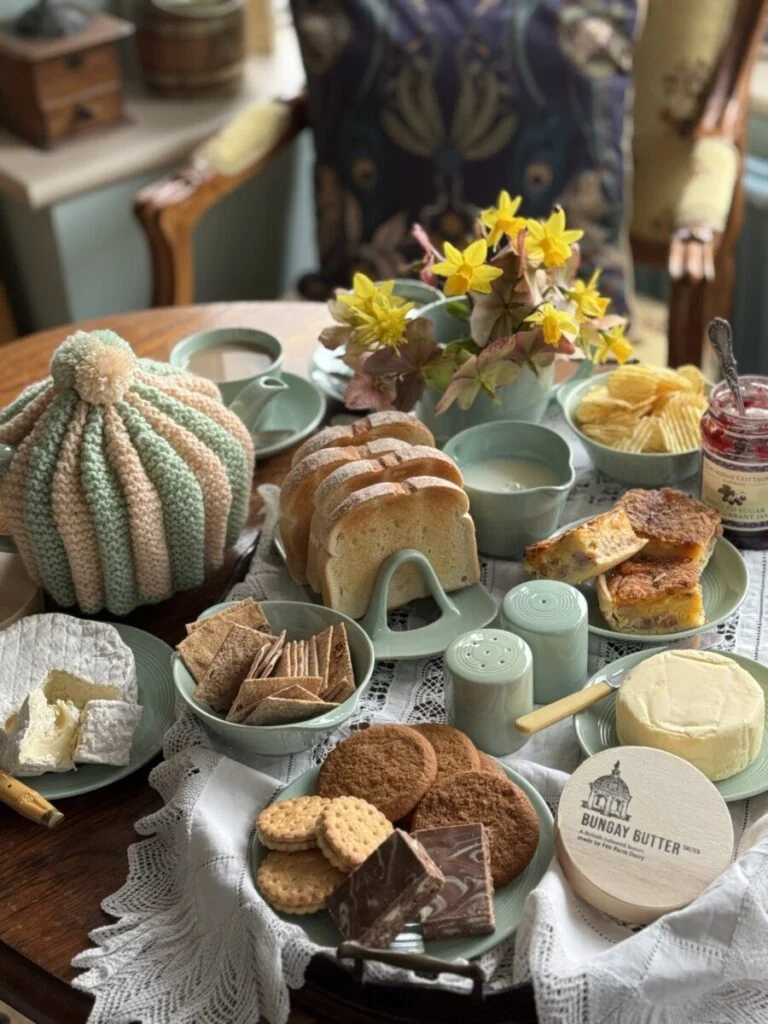
As England prepares to mark St. George’s Day on Thursday, April 23, 2026, celebrated food writer Karen Burns-Booth of Lavender & Lovage has released an extensive collection of traditional English recipes, aiming to revitalize national interest in a day often overshadowed by other patron saints’ festivities. This initiative seeks to encourage a widespread culinary celebration of English heritage, bringing beloved classics and seasonal delights to the forefront of home kitchens across the United Kingdom and beyond. The collection, published on April 22, 2026, offers a diverse array of both savoury and sweet dishes, from robust pies and stews to delicate scones and cakes, underscoring the rich tapestry of England’s gastronomic past and present.

The Enduring Legacy of St. George: A Patron Saint’s History

St. George, England’s revered patron saint, is a figure whose legend is deeply interwoven with the nation’s identity. While the historical accuracy of all aspects of his life remains a subject of scholarly debate, the most iconic narrative — that of St. George and the Dragon — has transcended centuries to become a powerful symbol of courage, chivalry, and the triumph of good over evil. Originating from early Christian hagiographies, the legend gained significant traction in England following the Crusades, with tales of St. George appearing to English soldiers to inspire them in battle. By the 14th century, he was officially recognized as England’s patron saint, and his distinctive red cross banner became a potent national emblem, particularly during pivotal conflicts such as the Hundred Years’ War.

Despite this profound historical and symbolic resonance, St. George’s Day has, for many years, struggled to garner the same level of widespread public celebration as its counterparts across the United Kingdom. Karen Burns-Booth poignantly notes that it remains "the least observed Saint’s day in the United Kingdom." This observation highlights a notable disparity when compared to the vibrant, often globally recognized, festivities for St. Patrick’s Day in Ireland, St. Andrew’s Day in Scotland, and St. David’s Day in Wales. Cultural commentators and historians frequently attribute this lesser observance in England to several factors, including the absence of a designated public holiday, a nuanced and sometimes understated approach to expressing national identity, and a perceived lack of large-scale, coordinated public events that might otherwise galvanize broader participation. Organizations such as English Heritage actively work to counteract this trend, offering educational resources, historical context through mediums like podcasts (such as their fascinating delve into St. George and the Dragon), and local events to foster greater appreciation for England’s patron saint. Burns-Booth’s culinary initiative aligns seamlessly with these efforts, aiming to make St. George’s Day a culturally enriching event marked by shared food traditions rather than exclusive or divisive nationalistic displays.

A Culinary Showcase: Karen Burns-Booth’s Recipe Collection

Karen Burns-Booth’s meticulously curated recipe collection, presented through her widely followed platform, Lavender & Lovage, serves as a vibrant testament to the depth and versatility of English cuisine. Her endeavor is not merely to list recipes but to rekindle an appreciation for the culinary heritage that defines English cultural identity. The collection is thoughtfully organized into various categories, providing a comprehensive guide for cooks of all skill levels to celebrate St. George’s Day with authentic English fare.

The savoury section embarks on a historical and seasonal journey, beginning with Salads. These are far from mundane, featuring compositions such as "Elizabethan English Herb and Flower Salad With Honey Dressing," which harkens back to ancient culinary practices, alongside modern interpretations like "Old Fashioned Roses and an English Garden Salad with Cheese and Eggs" and "English Apple and Walnut Salad," showcasing the nation’s rich horticultural bounty.

A cornerstone of English comfort food, the Plate Pies category evokes warmth and nostalgia with classics like "1950’s Picnic Pie," a hearty "Cheese & Onion Plate Pie," and the robust "Corned Beef Potato Pie." Complementing these substantial offerings are Small Pies & Pasties, ideal for lighter meals or portable feasts, including "Coronation Pork & Pickle Picnic Pies," the regionally specific "Lincolnshire Sausage, Sage & Onion Pies," and "Cheese, Onion and Potato Pasties."

For main courses that provide substance and traditional flavour, the Stews and Casseroles section presents dishes such as "Traditional Oxtail Stew," the comforting "Farmhouse Chicken & Vegetable Stew with Dumplings," and "Sausage, Apple and Cider Casserole." Other notable main dishes highlight quintessential English fare, from the elegant "Beef Wellington" to the robust "Peppered Steak and Chips for St George’s Day and Great British Beef Week," and the "Suffolk Gold Double Cheese Burger," reflecting both refined and casual facets of English gastronomy.

The English Cheese Recipes segment celebrates the nation’s rich dairy heritage, featuring a variety of dishes that utilize local cheeses, including a "Wild Garlic & Three Cheese Tomato Tart" and "Sourdough Cheese Wild Garlic Scones," demonstrating the versatility and depth of English cheese beyond a simple cheeseboard.

Sweet Endings: The Art of English Baking

The sweet section of Burns-Booth’s collection is equally compelling, offering a delightful exploration of traditional English baking that ranges from everyday treats to celebratory confections.

Scones, an absolute prerequisite for any authentic English cream tea, are featured prominently with "Buckingham Palace Fruit Scones," the classic "Be-Ro Victoria Scones," and "Small Batch Cream Tea Scones." These recipes emphasize the nuanced techniques required to achieve the perfect scone.

For those who appreciate comforting bakes with their afternoon brew, the Tea Loaves category includes "Sticky Marmalade Tea Loaf," the spiced "Gingerbread Tea Loaf," and the nostalgic "Old-Fashioned Ovaltine Tea Loaf." Fruit Cakes, a staple of English baking tradition, are represented by a "Fruit and Cherry Afternoon Tea Cake," a historically significant "Wartime Eggless Fruit Cake (Vinegar Cake)," and another classic fruit cake, underscoring their enduring appeal.

The iconic Victoria Sandwich & Sponge Cakes section pays homage to the beloved sponge cake, with variations such as a "Spring Posy Victoria Sandwich Cake with Lemon Curd" and the simple yet elegant "Madeira Cake." Smaller, more whimsical treats can be found in Fairy Cakes, Buns & Small Cakes, featuring "Vanilla Butterfly Cakes," "Princess Elizabeth Cakes," and "Fantasy Fairy Cakes," perfect for younger palates or celebratory gatherings.

Dessert enthusiasts will appreciate the Fruit Pies & Tarts, including the impressive "Old-Fashioned Lemon Meringue Pie," the traditional "Bilberry Plate Pie," and the regionally specific "Northumberland Gooseberry Plate Pie." Hearty and warming English Puddings are also highlighted, with recipes for "Traditional Spotted Dick Pudding" and "Railway Pudding," evoking the comforting essence of classic British desserts.

For delightful snacks or accompaniments to tea, the Biscuits category presents "Traditional Easter Biscuits," the famous "Betty’s Fat Rascals Recipe," and "Empire Biscuits," showcasing a variety of textures and flavours. Modern influences are acknowledged with Chocolate Recipes, featuring nostalgic bakes like "1960’s Evaporated Milk Chocolate Cake," "Fry’s Condensed Milk Chocolate Cake," and "The Queen’s Chocolate Biscuit Cake," illustrating the evolution of English baking.

Finally, the foundational element of many English meals, English Bread Recipes, includes "Overnight Farmhouse Wholemeal Bread Loaf," "Traditional Mothering Buns," and a rustic "Farmhouse ‘Spit Tin’ Crusty Loaf," underscoring the enduring importance of freshly baked bread in English culinary life.

Embracing Spring’s Bounty: The Essence of Seasonal Cooking

A fundamental principle of traditional English cooking is its inherent connection to seasonal ingredients, a practice beautifully reflected throughout Burns-Booth’s collection. The inclusion of ingredients at their peak during the English spring enhances both the flavour and authenticity of the dishes. Asparagus, with its tender spears and delicate flavour, symbolizes the arrival of warmer weather. Jersey Royal new potatoes, celebrated for their unique nutty taste and firm texture, are another hallmark of spring harvests. Wild garlic, foraged from the awakening woodlands, introduces a pungent, aromatic kick to various savoury preparations. Rhubarb, with its distinctive tartness and vibrant hue, remains a cherished ingredient in countless English desserts, from crumbles to pies. This deliberate emphasis on seasonality not only ensures the freshest and most flavourful outcomes but also reinforces the deep connection between English cuisine and the natural rhythms of the land.

A Dual Celebration: Shakespeare’s Birthday and St. George’s Day

Adding a unique layer of cultural resonance to April 23rd is its widely recognized association with William Shakespeare, England’s most revered playwright and poet. Although the precise date of his birth in 1564 is not definitively recorded, historical documents from Holy Trinity Church in Stratford-upon-Avon indicate his baptism took place on April 26, 1564. According to the Shakespeare Birthplace Trust, baptisms typically occurred within three days of a child’s birth, making April 23rd the most probable and widely accepted date for his birthday. This auspicious coincidence intertwines St. George’s Day not only with national pride and culinary traditions but also with the zenith of English literary achievement, offering a dual opportunity for national reflection and widespread cultural celebration.

Combating Culinary Extinction: A Call to Preserve Heritage

Karen Burns-Booth’s comprehensive initiative gains critical importance in light of alarming data suggesting that many quintessential British recipes are facing the risk of extinction. A recent online survey, notably highlighted by Ninja Kitchen, revealed a troubling trend: beloved traditional dishes such as Victoria sponge cake, rock cakes, scones, and jam tarts are reportedly being prepared with diminishing frequency in contemporary households. This decline poses a significant threat to their continued presence in the national culinary consciousness. The reasons for this erosion are multifaceted, often attributed to the burgeoning popularity of international cuisines, a societal shift towards convenience foods, and a generational gap in the transmission of traditional cooking skills from older to younger generations.

The potential loss of these recipes extends beyond mere gastronomic concern; it signifies a gradual erosion of cultural heritage. Traditional dishes are often inextricably linked to regional identities, historical narratives, and cherished family memories. They serve as tangible, edible markers of a nation’s collective past and its evolving identity. Burns-Booth’s extensive collection directly confronts this worrying trend by providing accessible, well-loved recipes and actively inspiring a new generation of home cooks to embrace and perpetuate these invaluable culinary treasures. By sharing these "old and much-loved English recipes," she aims to safeguard them from oblivion, ensuring they continue to grace tables and create new memories for years to come.

Conclusion: Reclaiming England’s Culinary Identity

As England approaches St. George’s Day 2026, Karen Burns-Booth’s extensive recipe collection stands as a vibrant and timely call to action. It is an open invitation to engage with England’s profound cultural and culinary heritage through the joyful and communal act of cooking and sharing food. By embracing these traditional English recipes, from the refreshingly light salads of spring to the comforting depths of hearty puddings, individuals across the nation can actively contribute to the revival of St. George’s Day as a significant and cherished national celebration. This collective effort provides an opportunity not only to honour England’s patron saint and its greatest playwright but also to ensure that the unique and delicious flavours of England continue to thrive, forging indelible connections between past generations and future ones around the communal dinner table. Happy St. George’s Day to all who celebrate, with a plate full of English tradition and pride.
