
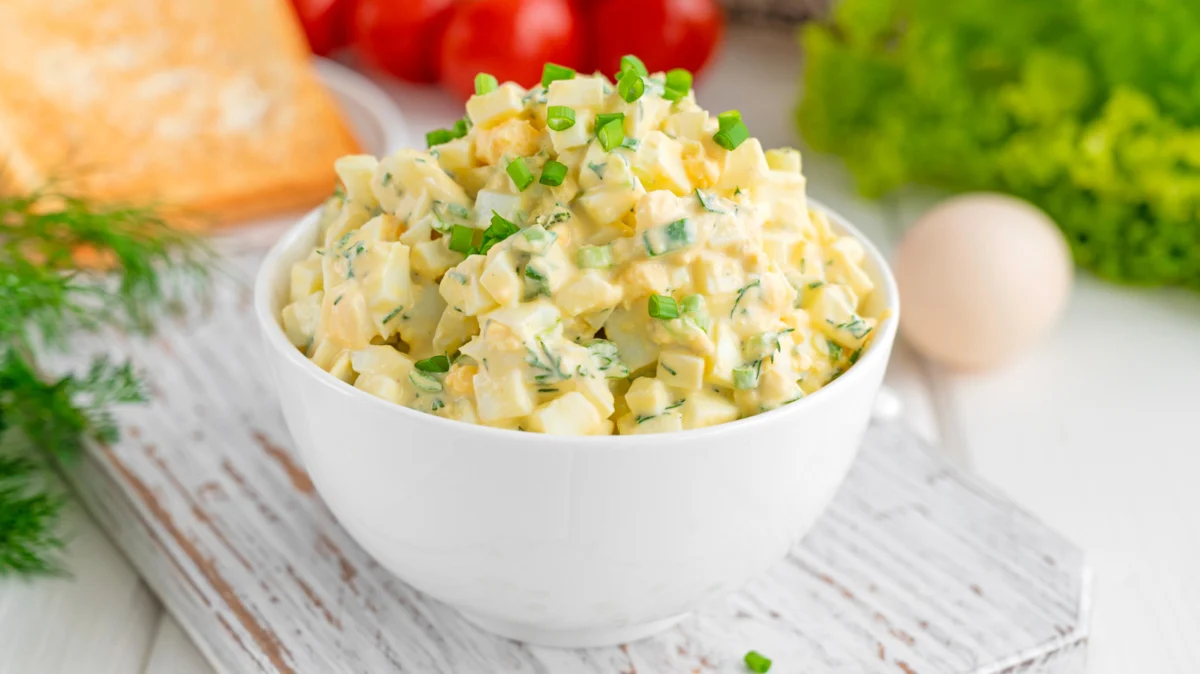
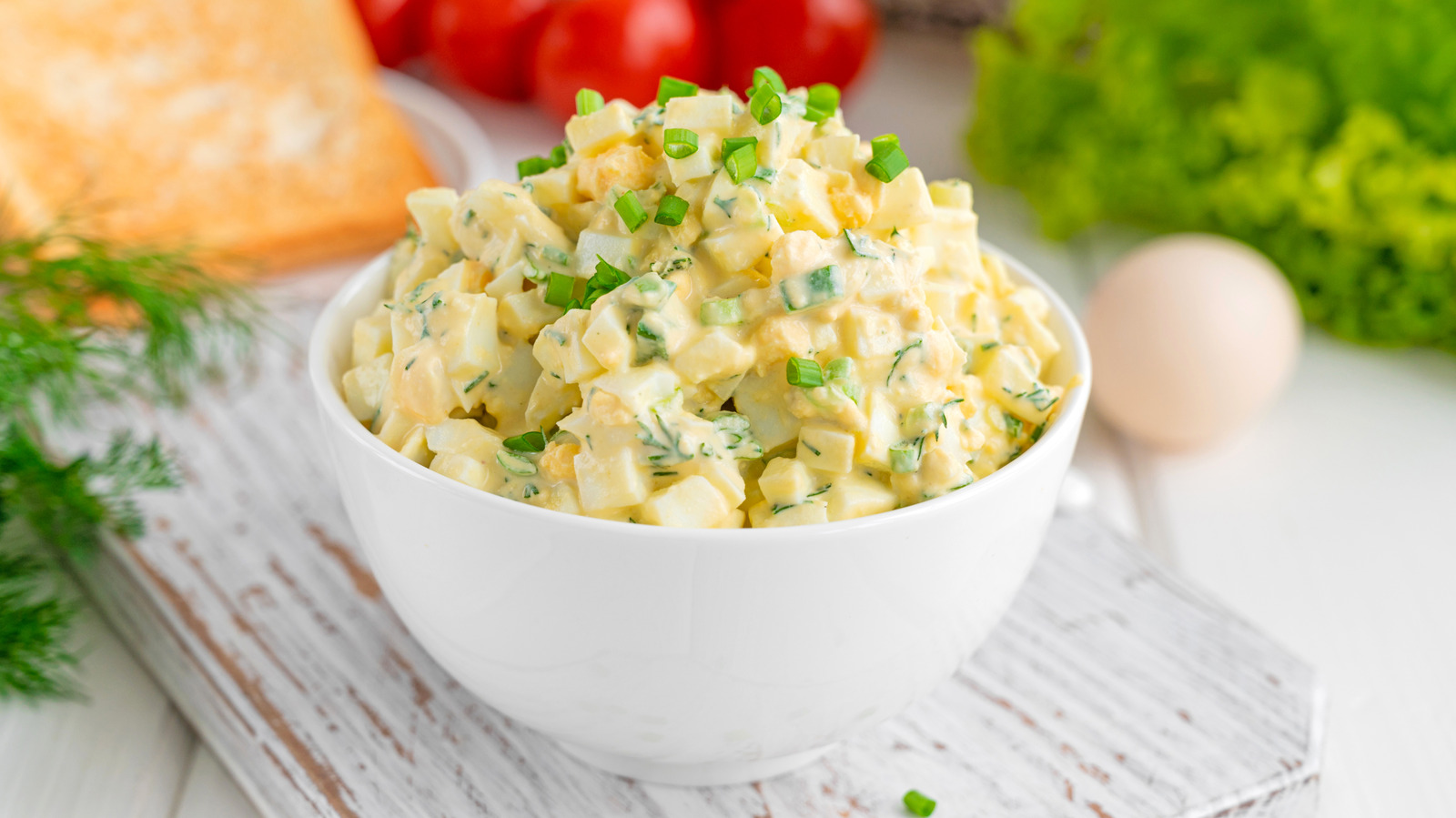
Creamy egg salad, a beloved staple for picnics, lunches, and quick snacks, often finds itself relegated to the leftovers bin after its initial enjoyment. While versatile enough to be stuffed into sandwiches, spread onto toast, or wrapped in lettuce, the culinary world is constantly seeking innovative ways to reimagine familiar dishes. A surprising, yet undeniably appealing, transformation for egg salad is its deep-frying. This technique elevates the humble mixture into crispy, flavor-packed morsels that offer a novel textural experience while retaining the comforting essence of the original. This method presents an opportunity to breathe new life into freshly made egg salad or to salvage a portion that has been enjoyed previously, proving that even a day-old classic can be reborn as a sophisticated appetizer or a delightful party snack.
The process of transforming egg salad into deep-fried spheres is remarkably straightforward and accessible, requiring minimal additional ingredients beyond the standard egg salad components. The fundamental step involves taking a spoonful of the prepared egg salad and carefully shaping it into bite-sized balls. These nascent orbs are then placed in the freezer until they are firm and solid. This chilling period is crucial, as it allows the balls to maintain their structural integrity during the high-heat frying process. Once frozen, the egg salad balls are subjected to a classic breading procedure. This typically involves a sequence of dredging in all-purpose flour, followed by an egg wash, and concluding with a generous coating of breadcrumbs. For those seeking to amplify the flavor profile even further, the breadcrumb mixture can be seasoned with a variety of spices, herbs, or even finely grated cheese. The final stage involves immersing these breaded spheres in hot oil, deep-frying them until they achieve a beautiful golden-brown hue and a satisfyingly crisp exterior. This transformation typically takes only a few minutes, yielding an impressive result from a humble beginning.
The sensory experience of biting into a deep-fried egg salad ball is a study in contrasts. The exterior breading offers a delightful crunch, giving way to the soft, creamy, and often tangy interior of the egg salad. This interplay of textures—crisp on the outside, yielding within—creates a mouthfeel that is both indulgent and intriguing. The familiar flavors of egg salad, typically a harmonious blend of tangy mayonnaise, savory egg, and often a hint of mustard or relish, are intensified by the frying process. The warmth of the deep-fried coating envelops the creamy filling, offering a comforting and satisfying taste that is simultaneously familiar and refreshingly new. This method not only enhances the flavor but also provides a visual appeal that is far removed from the typical presentation of egg salad, making it an excellent choice for entertaining or for elevating a casual meal.
Culinary Adaptations: Beyond the Fried Ball
The innovation in deep-frying egg salad extends beyond the simple creation of fried balls. Culinary enthusiasts and chefs have explored several creative variations that offer different textural and flavor experiences, demonstrating the adaptability of this core concept. One such adaptation involves a clever reimagining of the classic egg salad sandwich. Instead of frying the salad itself, the focus shifts to the bread. A slice of bread is folded diagonally and secured with toothpicks to create a pocket-like structure. This bread "pocket" is then deep-fried until golden and crisp. Once removed from the oil, it forms a sturdy, edible vessel ready to be filled with egg salad. This method offers the familiar combination of bread and egg salad but with an exciting textural dimension from the fried bread, reminiscent of a miniature, crispy sandwich.
Another intriguing approach draws inspiration from the popular appetizer, deviled eggs. This variation begins with the separation of egg whites and yolks during the preparation of the egg salad. Each component is seasoned individually and mixed with a small amount of flour to act as a binder. The egg yolk mixture is then rolled into a small ball and frozen, similar to the standard fried egg salad ball technique. The crucial difference lies in the subsequent coating. The frozen yolk ball is then enveloped by the seasoned egg white mixture, creating a layered effect. This combined orb is then subjected to the same flour, egg wash, and breadcrumb coating, followed by deep-frying. The result is a fried creation with a concentrated, rich yolk center encased in a creamy egg white outer layer, all enveloped in a crispy shell. This method offers a more complex flavor profile and a unique textural journey, showcasing the distinct characteristics of the egg components.
The Essential Accompaniments: Sauces and Seasonings
Regardless of the chosen deep-frying method, the accompanying sauces and seasonings play a pivotal role in enhancing the overall culinary experience. The inherent richness of deep-fried foods often benefits from a contrasting element, such as a bright, tangy, or creamy dipping sauce. A homemade garlic aioli is a perennial favorite, its creamy richness perfectly complementing the fried exterior and the savory interior of the egg salad. Given that mayonnaise is a primary ingredient in most egg salads, an aioli—which is essentially a garlic-infused mayonnaise—provides a harmonious and sophisticated pairing.
For those who appreciate a touch of heat, incorporating hot sauce into the dipping sauce is a simple yet effective way to add complexity. A drizzle of sriracha, a dash of cayenne, or a blend of favorite hot sauces can transform a basic mayonnaise or aioli into a dynamic condiment. Furthermore, the egg salad mixture itself can be enhanced with various additions before frying to diversify its taste profile. Finely chopped fresh herbs, such as chives, parsley, or dill, can introduce bright, earthy notes. The addition of ingredients like finely diced jalapeños can provide a subtle, pleasant heat that permeates the filling. For a touch of sweetness and a different textural element, imitation crab meat, finely chopped, can be incorporated into the egg salad, adding a hint of the sea and a delightful chewiness. These thoughtful additions before the frying process ensure that each bite offers a nuanced and multi-dimensional flavor experience, elevating the deep-fried egg salad from a simple snack to a culinary creation.
Historical Context and Culinary Evolution
The concept of deep-frying familiar dishes to create novel textures and flavors is not new. From the deep-fried Mars bars of Scotland to the various fried dough confections found globally, this culinary technique has a long history of transforming everyday foods into celebratory or novel treats. In the realm of appetizers and snacks, the deep-frying of cheese, vegetables, and even meats has become commonplace. The application of this technique to egg salad can be seen as a natural progression in this ongoing culinary evolution, reflecting a broader trend towards deconstruction and reconstruction of classic dishes.
The origins of egg salad itself are somewhat nebulous, but its widespread popularity in Western cuisine, particularly in the United States, surged in the early to mid-20th century. It became a staple in lunchboxes and picnic baskets, lauded for its affordability, ease of preparation, and satisfying creaminess. The development of commercially produced mayonnaise further cemented its place in the culinary landscape. As home cooks and professional chefs alike continually seek to innovate and surprise, the adaptation of egg salad into a deep-fried format speaks to a desire to challenge expectations and explore the textural and flavor possibilities of a well-loved ingredient. The modern culinary landscape often embraces this playful approach, where familiar comfort foods are given a modern, often indulgent, twist. The rise of social media platforms dedicated to food also plays a role, as visually appealing and novel dishes like deep-fried egg salad are shared widely, inspiring further experimentation in kitchens around the world. This particular innovation, while seemingly unusual, taps into the universal appeal of crispy, savory fried foods and the enduring affection for the creamy, tangy taste of egg salad.
Broader Impact and Implications
The successful reimagining of egg salad through deep-frying has several implications for home cooks and the broader culinary industry. For home cooks, it offers an accessible and relatively inexpensive way to impress guests or elevate a simple meal. The technique requires common pantry staples and a basic understanding of frying, making it an achievable endeavor for most. It also provides a valuable method for reducing food waste, transforming leftovers into a desirable dish. This aligns with a growing consumer interest in sustainable food practices and creative utilization of ingredients.
In a commercial context, the deep-fried egg salad concept could find a niche in casual dining establishments, gastropubs, or food trucks. Its novelty and inherent "Instagrammability" make it a potentially popular menu item. The ability to customize the flavor profile through different seasonings and dipping sauces allows for significant menu diversity and appeal to a wide range of palates. Furthermore, this innovation contributes to the ongoing conversation about how culinary traditions can be adapted and evolve. It demonstrates that even the most unassuming dishes can be reinterpreted in surprising and delightful ways, pushing the boundaries of what is considered conventional. The trend towards comfort food with a sophisticated or unexpected twist is a significant one in the current food scene, and deep-fried egg salad fits perfectly within this paradigm. It appeals to a sense of nostalgia while offering a modern, indulgent experience. The exploration of such culinary transformations is vital for keeping food culture dynamic and engaging, encouraging both creativity in the kitchen and adventurousness on the part of the diner.
