
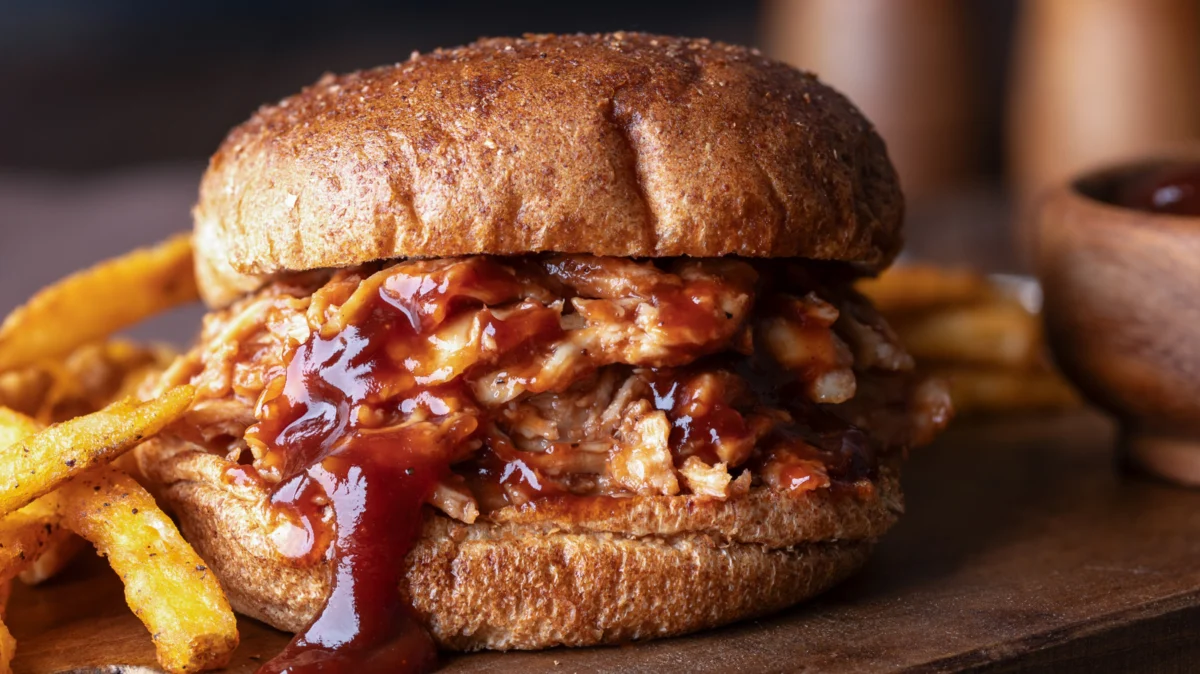
The culinary world is replete with techniques that elevate simple ingredients into extraordinary dishes, and the preparation of pulled pork is no exception. While the slow-cooking process itself is crucial for achieving the desired tenderness, a seemingly minor detail often overlooked by home cooks can be the difference between a merely satisfactory pulled pork and an exceptionally succulent and flavorful one. This critical element lies in the judicious saving and reapplication of the braising liquid. Far from being a mere byproduct of the cooking process, this liquid is a concentrated elixir of flavor and moisture, a veritable "liquid gold" that, when properly utilized, ensures the pulled pork remains irresistibly tender and deeply flavorful, even when served as leftovers.
The distinction between a good batch of pulled pork and a disappointing one is palpable. While a generous dousing of barbecue sauce and a sturdy bun can mask certain shortcomings, true culinary aficionados can readily discern the difference when biting into a perfectly cooked piece of pork. The ideal pulled pork should possess a melt-in-your-mouth softness, a rich depth of flavor, and an unctuous juiciness. Conversely, dry, bland, and stringy meat signals a missed opportunity, a failure to harness the full potential of this beloved cut. For home cooks aspiring to consistently achieve this benchmark of excellence, the simple act of preserving the braising liquid and using it to re-baste the shredded pork before serving is a game-changer.
The foundational step in preparing most pulled pork recipes involves slow-cooking the meat in a meticulously crafted blend of seasonings, aromatics, and a liquid medium, typically water or stock. This slow, low-temperature cooking method, often spanning several hours, is designed to break down the connective tissues within the pork, rendering it incredibly tender and easily shreddable. Once the pork has reached this state of succulence, it is removed from the cooking vessel. It is at this juncture that many home cooks err by discarding the remaining liquid. However, this braising liquid is a treasure trove of dissolved flavors, infused with the essence of the pork, the aromatics, and any other ingredients introduced during the cooking process. To neglect this component is to forfeit a significant opportunity to enhance the final dish.
By reserving a portion of this flavorful braising liquid and incorporating it back into the shredded pork, cooks can impart an additional layer of flavor and complexity. More importantly, this re-application of moisture is the key to preventing the pulled pork from drying out. The liquid acts as a natural basting agent, ensuring each strand of shredded pork remains moist, juicy, and tender, thereby achieving a superior textural experience. This technique transcends mere flavor enhancement; it is a fundamental method for preserving the integrity and succulence of the meat.
Unlocking the Potential: Strategic Utilization of Braising Liquid
The effective use of leftover braising liquid begins with a brief cooling period. Allowing the liquid to cool slightly before combining it with the shredded pork facilitates the separation of rendered fat. This fat, while flavorful, can sometimes overwhelm the delicate balance of the dish if not managed. Skimming off the excess fat that rises to the surface ensures that the remaining liquid primarily contributes its savory essence and moisture without adding an undue richness.
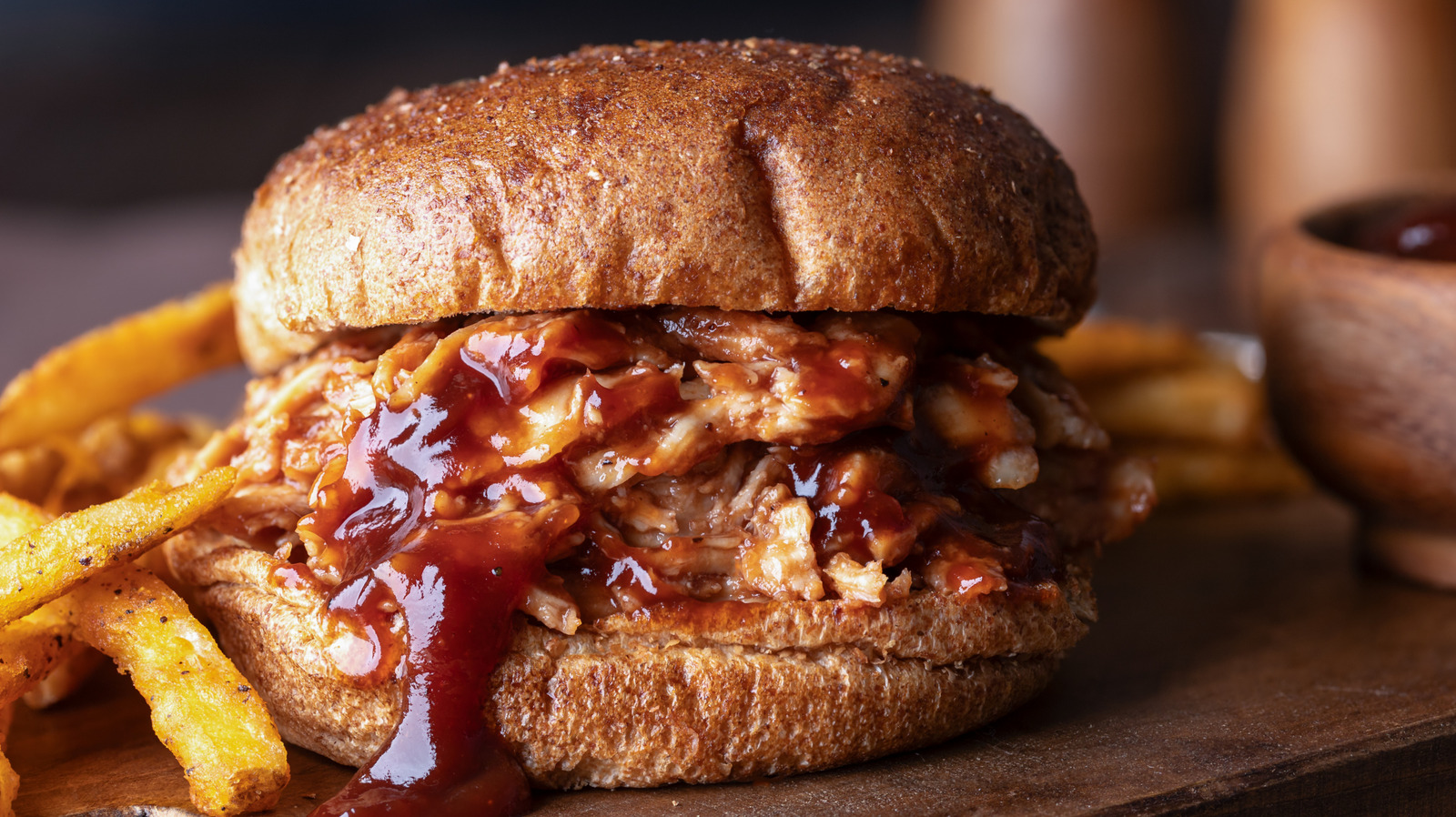
The quantity of braising liquid to reintroduce is not about saturation but about judicious enhancement. A few spoonfuls, distributed evenly throughout the shredded pork, are often sufficient to achieve the desired moistness and flavor infusion. This subtle yet impactful addition ensures that the meat retains its tender qualities, preventing it from becoming dry or crumbly, especially when it’s destined to be a leftover meal.
The foresight to reserve braising liquid becomes particularly invaluable when planning for future consumption. Whether the pulled pork is being refrigerated for later enjoyment or prepared for freezing, the inclusion of slightly more braising liquid than typically used for immediate consumption is a prudent strategy. This extra moisture acts as a buffer against dehydration during the storage and reheating processes, ensuring that the pulled pork remains succulent and flavorful even after extended periods. This proactive approach to moisture retention is a cornerstone of achieving consistently delicious pulled pork, regardless of when it is served.
Beyond the Plate: Versatile Applications for Braising Liquid
The utility of braising liquid extends far beyond its direct application to pulled pork. When a significant quantity remains after the meat has been prepared, a multitude of culinary possibilities emerge, transforming this flavorful byproduct into a valuable ingredient for other dishes.
One straightforward yet effective application is to reduce the braising liquid by simmering it. This process concentrates its flavors and thickens its consistency, transforming it into a rich and savory gravy. This gravy can then be served alongside the pulled pork, or used as a base for other dishes, adding a depth of flavor that would be difficult to replicate with standard store-bought options. The natural richness derived from the slow-cooked pork and aromatics creates a truly gourmet sauce.
Furthermore, the braising liquid can serve as a potent flavor enhancer for homemade barbecue sauces. By incorporating a portion of the reduced liquid into a barbecue sauce recipe, cooks can imbue it with a complexity and authenticity that elevates it far beyond the ordinary. This fusion of the slow-cooked essence of the pork with the characteristic sweet, tangy, and smoky notes of barbecue sauce results in a condiment that perfectly complements the pulled pork itself.
The versatility of braising liquid as a cooking medium is another significant advantage. Its inherent savory profile makes it an excellent substitute for water or stock in a variety of applications. Cooking rice in braising liquid, for instance, infuses the grains with a subtle yet distinct pork flavor, transforming a simple side dish into something more memorable. Similarly, braising liquid can be employed as a cooking base for root vegetables, lentils, or even soups, imparting a deeper, more satisfying flavor to these dishes. This resourceful utilization of culinary byproducts not only minimizes food waste but also maximizes the flavor potential of the entire meal.
Crafting the Perfect Braising Liquid: A Foundation for Flavor
For those embarking on the journey of creating their own braising liquid for pork, a foundational understanding of key ingredients and flavor profiles is essential. A well-balanced braising liquid typically comprises a medley of complementary components that work in harmony to tenderize the meat and impart rich flavor.
A common starting point involves a combination of chicken stock or pork broth, providing a savory base. The inclusion of alliums, such as onions, garlic, and leeks, adds aromatic depth and sweetness. Condiments play a crucial role in building complexity. Barbecue sauce, with its characteristic sweet and smoky notes, yellow mustard, offering a pungent tang, and Worcestershire sauce, contributing umami and a touch of acidity, are all valuable additions. The judicious use of brown sugar can further enhance the sweetness, balancing the savory and acidic elements.
The spice profile of a braising liquid is equally important in developing a robust flavor. A thoughtful selection of spices can transform a basic liquid into a flavorful infusion. Paprika, with its mild sweetness and smoky undertones, chili powder, providing a gentle heat, cumin, offering an earthy warmth, and garlic powder, for an intensified garlic flavor, are all excellent choices. Essential seasonings like salt and pepper are, of course, fundamental to bringing out the inherent flavors of all the ingredients.
The role of acidity in braising liquid cannot be overstated. A splash of vinegar, whether it be apple cider vinegar, white vinegar, or even pickle juice, can act as a secret weapon in achieving the ultimate pulled pork. This tangy element not only cuts through the richness of the pork but also helps to tenderize the meat by breaking down connective tissues. The introduction of acidity adds a bright counterpoint to the savory and sweet components, resulting in a more complex and well-rounded flavor profile. This nuanced understanding of ingredient synergy is what elevates pulled pork from a simple slow-cooked dish to a culinary masterpiece, with the braising liquid serving as the unsung hero in this delicious transformation.
