
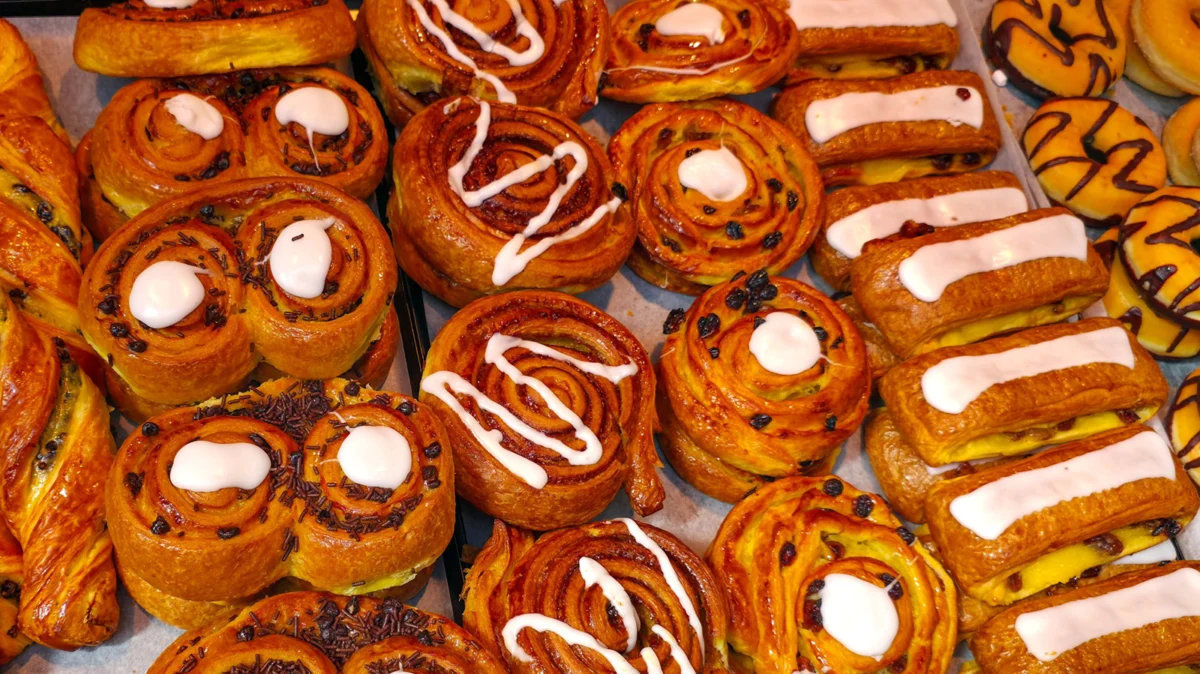
The allure of a French bakery is undeniable, a sensory symphony beginning with the tantalizing aromas of vanilla, caramel, toasted almonds, and freshly baked bread that waft through the air even before one steps inside. These establishments, whether found in the heart of France or in bustling cities across the United States, offer a rich tapestry of flavors and textures far beyond the ubiquitous croissant and baguette. For those seeking to navigate this delectable landscape, a curated selection of quintessential French pastries, complete with historical context and pronunciation guides, proves invaluable. The simple act of entering a boulangerie is imbued with a certain etiquette; a polite "Bonjour" to the staff is the customary prelude to any order, a small gesture of respect for the craft. For those unable to travel to France, renowned establishments like Almondine, St. Honoré, La Farm, and Lorraine in the U.S. provide accessible gateways to authentic French patisserie.
The Enduring Appeal of French Pastries
French patisserie represents a centuries-old tradition of culinary artistry, where precision, quality ingredients, and time-honored techniques converge to create edible masterpieces. The evolution of these pastries often reflects historical events, royal patronage, and the ingenuity of celebrated chefs. Understanding the provenance and evolution of these treats not only enhances the appreciation of their flavor but also connects the consumer to a broader cultural narrative.
A Culinary Journey Through French Delights
Brioche: The Golden, Buttery Foundation
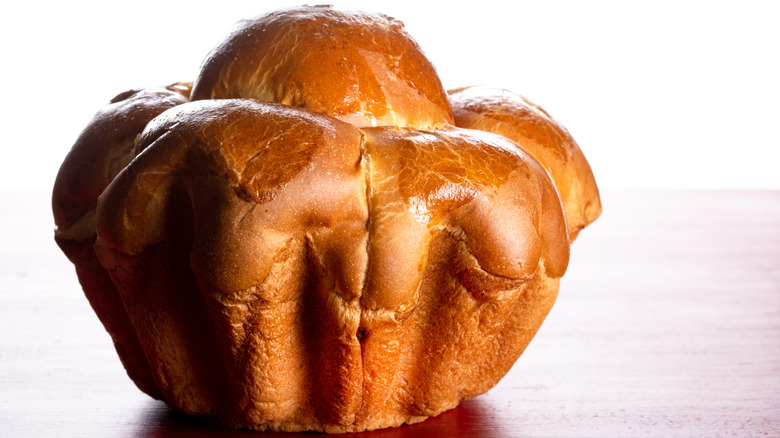
Pronounced "bree-yosh," brioche stands as a testament to the versatility of simple ingredients. Far from being a mere cake, this enriched bread, a staple in French households, is crafted from butter, eggs, and milk. Its origins trace back to 15th-century Normandy, where it became particularly associated with Easter celebrations. The brioche à tête, a signature Parisian creation from the 18th century, showcases the pastry’s adaptability in form. Beyond its classic iteration, brioche readily embraces a variety of flavors, from chocolate and orange blossom to the more regional Kouglof, a festive Alsatian brioche studded with rum-soaked raisins, especially enjoyed during Christmas. Its tender crumb also makes it an exceptional candidate for bread pudding, a fact acknowledged by culinary experts.
Madeleine: The Delicate Shell of Sweetness
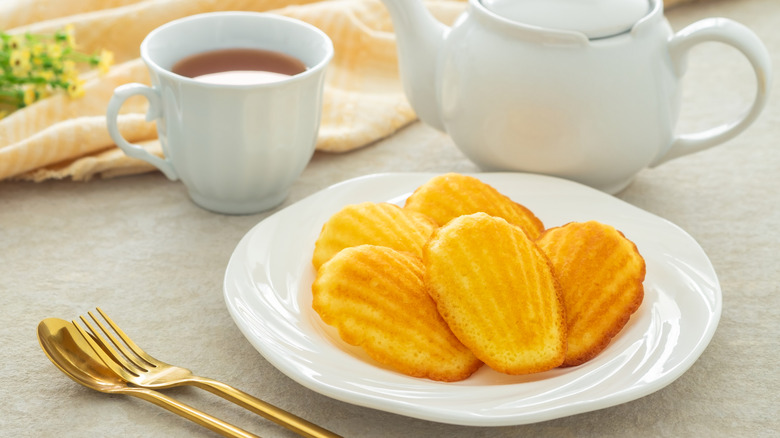
The madeleine, pronounced "mad-lehn," is instantly recognizable by its distinctive shell-like imprint. This small, spongy cookie cake’s story begins in the 18th century, purportedly created to lift the spirits of the exiled Duke of Lorraine. His servant, Madeleine Paulmier, is credited with its invention, and its popularity soared when the Duke’s daughter, Marie, introduced it to the French court. The literary world further cemented its fame through Marcel Proust’s evocative descriptions in "In Search of Lost Time." While readily available today, the unparalleled aroma and texture of freshly baked madeleines remain a sought-after experience. The classic vanilla flavor is often complemented by additions like lemon curd, chocolate chips, coconut, almond, and lavender, showcasing a spectrum of sweet and even savory variations, such as those infused with Comté cheese and rosemary.
Baba au Rhum: A Boozy, Syrupy Delight
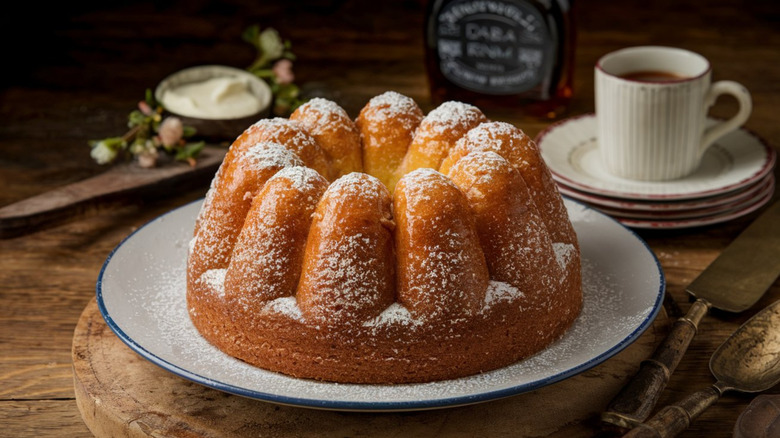
Le baba au rhum, pronounced "bah-bah oh rom," is a celebrated pastry, particularly in Paris, characterized by its generous soaking in a sweet rum syrup. While the rum is the defining element today, its precursor is thought to have involved Alsatian wine. This alcoholic confection likely draws inspiration from the Polish babka, a rounded yeast pastry. The name "baba" itself carries diverse meanings, translating to "woman" in Polish and "dad" in several Middle Eastern and Asian languages. Typically adorned with whipped cream, fruit, or preserves, this cake’s foundation lies in milk, eggs, flour, and butter. Its creation is often attributed to Nicolas Stohrer, a pivotal figure in French pastry history and founder of the oldest pastry house in Paris, Stohrer, where an authentic baba can still be sampled.
Chouquette, Profiterole, and Croquembouche: A Family of Choux Pastry
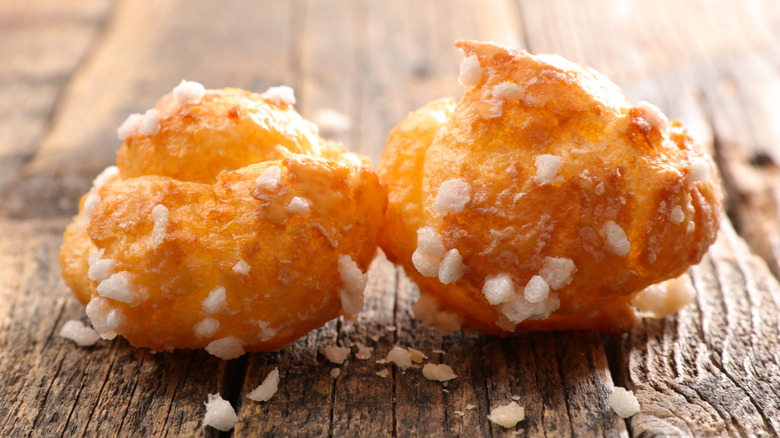
The chouquette, pronounced "show-kett," is a delightful departure from richer pastries, presenting a minimalist, hollow choux pastry dusted with sugar crystals. Its crisp exterior gives way to a soft interior, making it an ideal afternoon treat, best enjoyed the day it is baked. The origins of choux pastry itself are often traced back to Popelini, a chef to Queen Catherine of Medici, who developed a method of rehydrating dough with eggs. This innovation evolved into Jean Avice’s pâte à chaud, which subsequently became pâte à choux. The 19th-century chef Marie-Antoine Carême is credited with refining these puffs into elaborate forms. Today, an individual cream-filled puff is known as a profiterole ("proh-feet-uh-roll"), while a towering construction of these filled puffs, bound by chocolate ganache and caramel, is the celebrated croquembouche ("crock-awm-boosh"), a centerpiece at many French weddings.
Macaron: The Delicate Almond Meringue
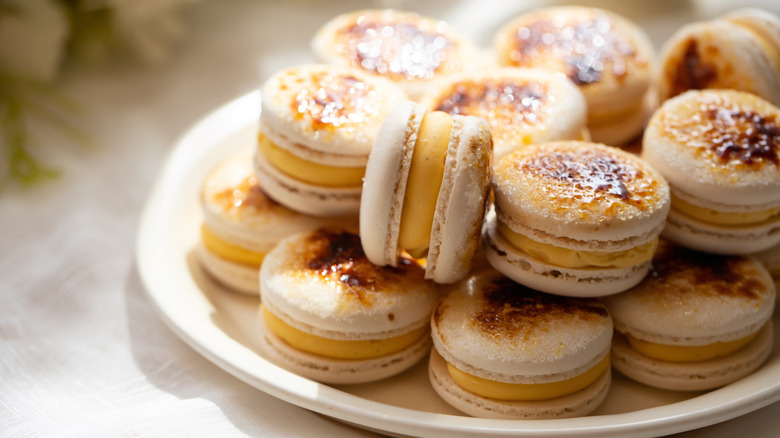
The macaron, pronounced "mah-kah-ron," is a distinctly different confection from the macaroon, a chewy coconut cookie. This exquisite French pastry is meticulously crafted from almond flour and powdered sugar, resulting in a delicate shell with a crisp exterior and a soft, chewy interior. Available in an astonishing array of flavors, including lemon, rose, and salted caramel, macarons have become a visual hallmark of French bakeries and iconic brands like Fauchon and Ladurée. Their history suggests an origin in the Middle East, with Queen Catherine de Medici introducing an early version to the French court. The modern iteration, featuring two meringue shells sandwiched with a filling of jam, buttercream, or compote, emerged in the 19th century through the innovation of Parisian chefs.
Mille-feuille: The Thousand-Layered Masterpiece
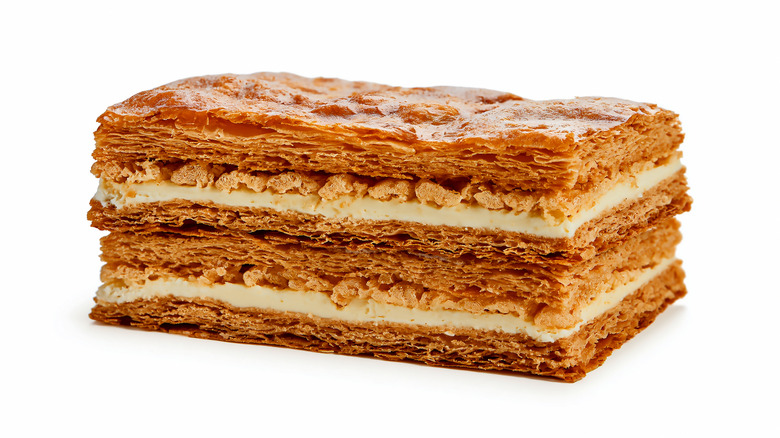
Meaning "1,000 sheets," the mille-feuille, pronounced "meel fuh-iy," is a sophisticated dessert composed of multiple layers of incredibly thin puff pastry. These delicate sheets are generously filled with pastry cream, and the topping can vary from a dusting of powdered sugar to whipped cream and fresh berries. The dessert, sometimes referred to as a Napoleon, is believed to have roots in Middle Eastern pastries, making its way to Europe via Spain. Its early iterations, featuring jam, were documented in the mid-17th century. The term "mille-feuille" first appeared in Chef Vincent La Chapelle’s 1733 work, "The Modern Cook," and Chef Marie-Antoine Carême is lauded for perfecting its technique and introducing the rich cream filling.
Pain aux Raisins: The Swirled Raisin Delight
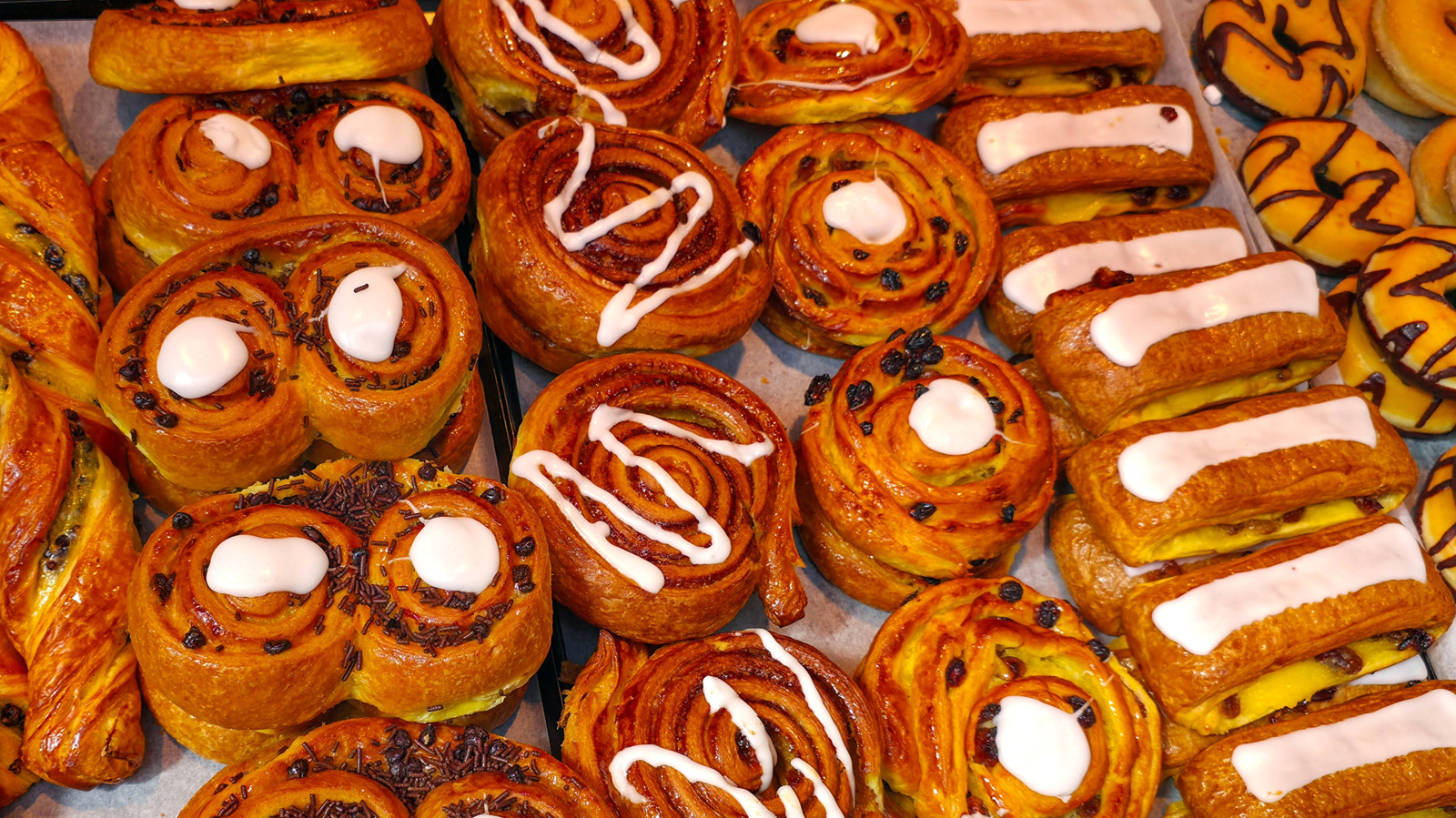
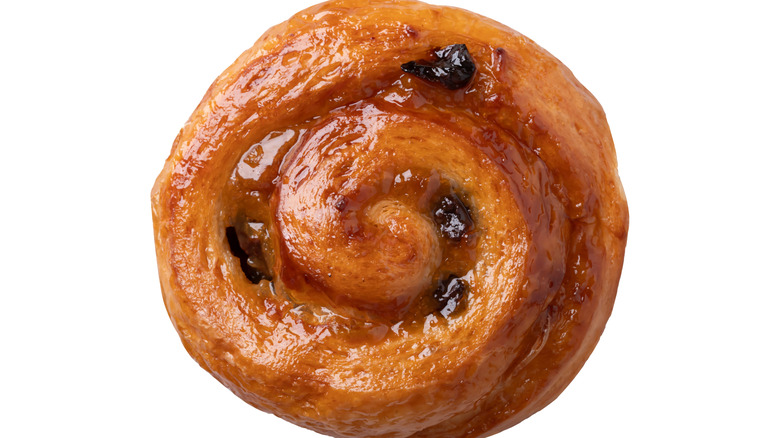
Pain aux raisins, pronounced "pahn oh reh zahn," is a popular viennoiserie often referred to as "escargot" due to its snail-like spiral. This breakfast staple is a sweet pastry, typically made with either croissant dough or a brioche texture, and generously filled with raisins. The richness of this pastry is often enhanced by a syrup glaze and a creamy filling. Variations abound, incorporating chocolate chips, cinnamon, berries, rum, orange zest, or apricot glaze. While strongly associated with French patisserie, its origins are likely Viennese, with Parisian bakeries in the 19th century commercializing early versions.
Pain au Chocolat (Chocolatine): A Tale of Two Names
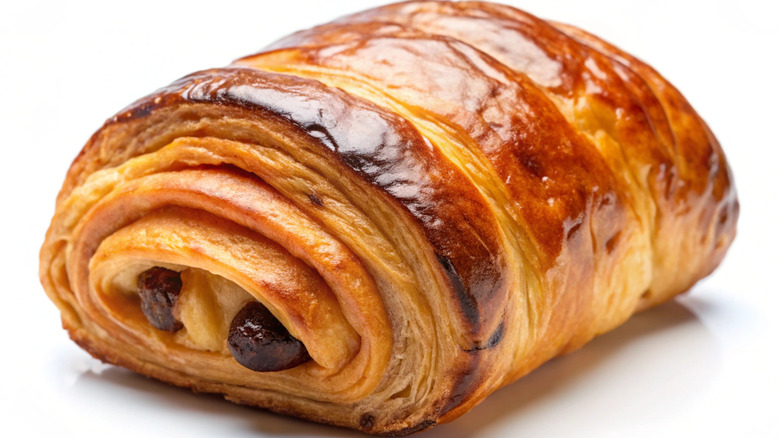
The debate over the nomenclature of this beloved pastry – pain au chocolat ("pahn oh shoh-koh-lah") versus chocolatine ("sho-koh-lah-teen") – is a perennial one in France and Canada. Regardless of the name, both refer to the same rectangular viennoiserie, a flaky pastry encasing one or two pieces of dark chocolate. Like the pain aux raisins, this pastry’s journey to Paris is attributed to Boulangerie Viennoise in the 19th century, evolving from brioche dough to the flakier versions common today. In the United States, ordering a "chocolate croissant" is a safe bet.
Chaussons aux Pommes: The Apple Slipper
Chaussons aux pommes, pronounced "shoh-sohn," translates to "apple slipper" and represents the French take on the apple turnover. This buttery, flaky pastry is crafted with unsalted butter and vanilla extract, typically without cream. Its popularity is deeply intertwined with the town of Saint Calais, where it has been celebrated for centuries at a medieval festival. Legend attributes its creation to a noble lady who provided flour and apples to residents during an epidemic, thus birthing this comforting pastry. The annual festival, held on the first weekend of September, features chausson-baking workshops and artisanal markets.
Kouign-amann: The Breton Butter Cake
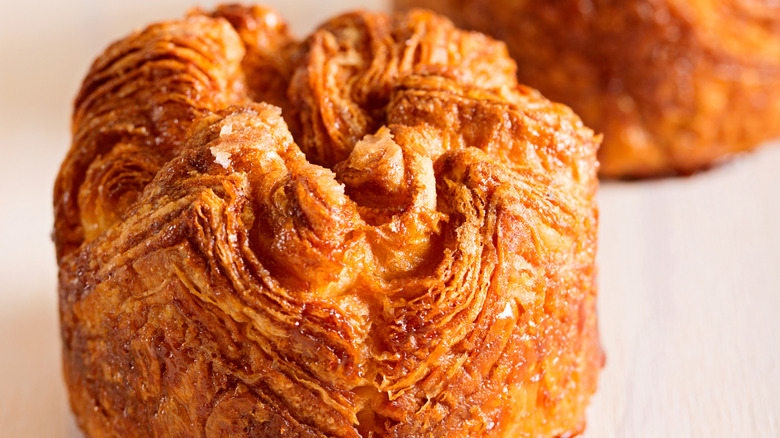
Hailing from the culturally rich region of Brittany in northwestern France, the kouign-amann, pronounced "koo-nyah-mahn," means "butter cake" in the Breton language. This exceptionally rich pastry, likely developed around 1860 by baker Yves René Scordia, is characterized by its folded layers of dough, butter, and sugar, creating a caramelized, flaky texture. While it may have Swedish influences due to historical trade routes, its distinct Breton identity is firmly established. Variations incorporating chocolate, fruit, or cinnamon can be found, though the classic salted butter version remains paramount.
Canelé de Bordeaux: The Caramelized Fluted Pastry
The canelé de Bordeaux, pronounced "kah-nuh-leh," is a small, dark pastry with a distinctive fluted exterior and a soft, moist interior, boasting a rich caramel crust. Its origins are attributed to the nuns of the Annonciades convent in Bordeaux. Initially made with simple ingredients like wheat grain and egg yolk, these humble treats were enhanced with vanilla and rum salvaged from docked ships. The French Revolution threatened their existence, but they were revived in the early 20th century, becoming a cherished staple of French baking.
Tarte Tatin: The Upside-Down Apple Tart
The tarte Tatin is a world-renowned upside-down apple tart from the Loire Valley, typically served warm with whipped cream or vanilla ice cream. Its accidental creation in the 19th century is credited to sisters Caroline and Stéphanie Tatin, innkeepers. Stéphanie, in a moment of haste, reportedly placed the pastry dough on top of her apple mixture, leading to the caramelized perfection of the flipped tart. This serendipitous discovery became their signature dessert.
Tarte au Citron Meringuée: The Zesty Meringue Tart
La tarte au citron meringuée, or "meringue and lemon pie," is a beloved French dessert that artfully combines textures and flavors. It features a buttery crust, a smooth lemon curd filling, and a lightly toasted meringue topping. While France is not a primary citrus producer, this tart’s elements likely draw from English curd traditions and French meringue techniques, further refined by the iconic chef Marie-Antoine Carême in the 19th century.
Saint-Honoré: A Tribute to Bakers
Le Saint-Honoré, pronounced "sant-oh-no-reh," is an elaborate pastry inspired by cream-filled profiteroles. Invented in the 19th century by chef Auguste Jullien to honor Saint Honoré, the patron saint of bakers, it is a true testament to culinary artistry. The dessert begins with a puff pastry base, encircled by caramelized profiteroles, and crowned with Italian meringue and vanilla pastry cream. This elegant construction, often finished with whipped cream, offers a luxurious blend of smooth and crisp textures. Modern interpretations explore diverse flavor profiles like chocolate, caramel, and fruit.
Gâteau Opéra: The Coffee and Chocolate Symphony
For those who appreciate the classic pairing of coffee and chocolate, the gâteau opéra, or "opera cake," is an exquisite choice. This elegant dessert comprises approximately six alternating layers of almond sponge cake soaked in espresso, chocolate ganache, and coffee buttercream, all enrobed in a glossy chocolate ganache. Its intricate construction demands considerable skill and patience. Chef Cyriaque Gavillon is credited with its creation in 1955, with the name inspired by the opera house balconies.
Fraisier: The Strawberry Sponge Dream
Le fraisier, pronounced "freh-zyeh," is a delightful choice for fruit lovers, a rich dessert generously laden with fresh strawberries. This cake likely emerged from the royal courts in the 16th century and has since become more widely accessible. It typically features at least two layers of sponge cake, filled with pastry cream and/or mousseline cream. Toppings can include whipped cream, marzipan, or chocolate, and some versions incorporate berry coulis or kirsch for an added dimension of flavor. The quality of the sponge and the seasonality of the strawberries are key to its success.
Financier: The Nutty, Golden Bite
The financier, pronounced "fee-nuhn-see-yeh," offers a lighter alternative for those seeking less creamy French desserts. This small, nutty cake, shaped like a gold bar, is made with almond flour, brown butter, egg whites, and icing sugar. Its flavor profile is often enhanced with honey, pralines, shaved almonds, or extracts like orange blossom. While modern variations often incorporate ingredients from outside France, the classic financier’s origins are tied to a Parisian pastry chef catering to bankers.
Croissant aux Amandes: The Almond-Infused Croissant
No French bakery experience is complete without a croissant, pronounced "krwas-suhn" (without the ‘t’). The croissant aux amandes, or "almond croissant," elevates this classic viennoiserie by filling it with almond cream or paste, then toasting it with shaved almonds and powdered sugar. While the croissant’s origins are Austrian, its romantic association with Paris is undeniable, with its crescent shape possibly symbolizing a victory over the Ottoman Empire.
Éclair: The Lightning Flash of Flavor
The éclair, pronounced "eh-clare," translates to "flash of lightning," a fitting moniker for this elongated choux pastry, often devoured quickly. Its foundation is the choux dough, credited to the legendary chef Marie-Antoine Carême. Filled with pastry cream and topped with icing or whipped cream, the éclair is a global favorite, with France and the U.S. particularly celebrating its chocolate variant. Modern bakeries offer a vast array of fillings and toppings, from salted caramel and green tea to seasonal fruits.
Paris-Brest: A Cyclist’s Delight
The Paris-Brest pastry, pronounced "pah-ree breast," commemorates the Paris-Brest-Paris cycling race. Commissioned by the race’s founder, Pierre Giffard, in 1910, chef Louis Durand created a dessert symbolic of a bicycle wheel. This choux pastry is typically filled with praline cream and topped with crunchy almonds, though variations with coffee, caramel, and chocolate flavors, sometimes enhanced with liqueurs, are also popular.
Broader Implications and Culinary Heritage
The enduring popularity of French pastries speaks to their timeless appeal, a blend of rich history, meticulous craftsmanship, and exquisite flavor. These treats are not merely desserts; they are cultural ambassadors, carrying stories of regional traditions, culinary innovation, and the artistry of generations of bakers. The continued presence of artisanal bakeries, both in France and internationally, underscores the vital role these institutions play in preserving and evolving this cherished culinary heritage. The global appreciation for these pastries demonstrates a universal desire for quality, comfort, and a touch of indulgence, all masterfully encapsulated in these iconic French creations.
