
The Evolution of the One-Pot Meal
The emergence of the Rustic Mountain Montana Casserole reflects a broader movement within the domestic culinary landscape toward "one-pot" efficiency. Historically, the American casserole was defined by the mid-century reliance on shelf-stable, cream-based canned goods. However, contemporary nutritional awareness and a desire for "cleaner" ingredient labels have driven a resurgence in recipes that utilize broth-based infusions and fresh aromatics.
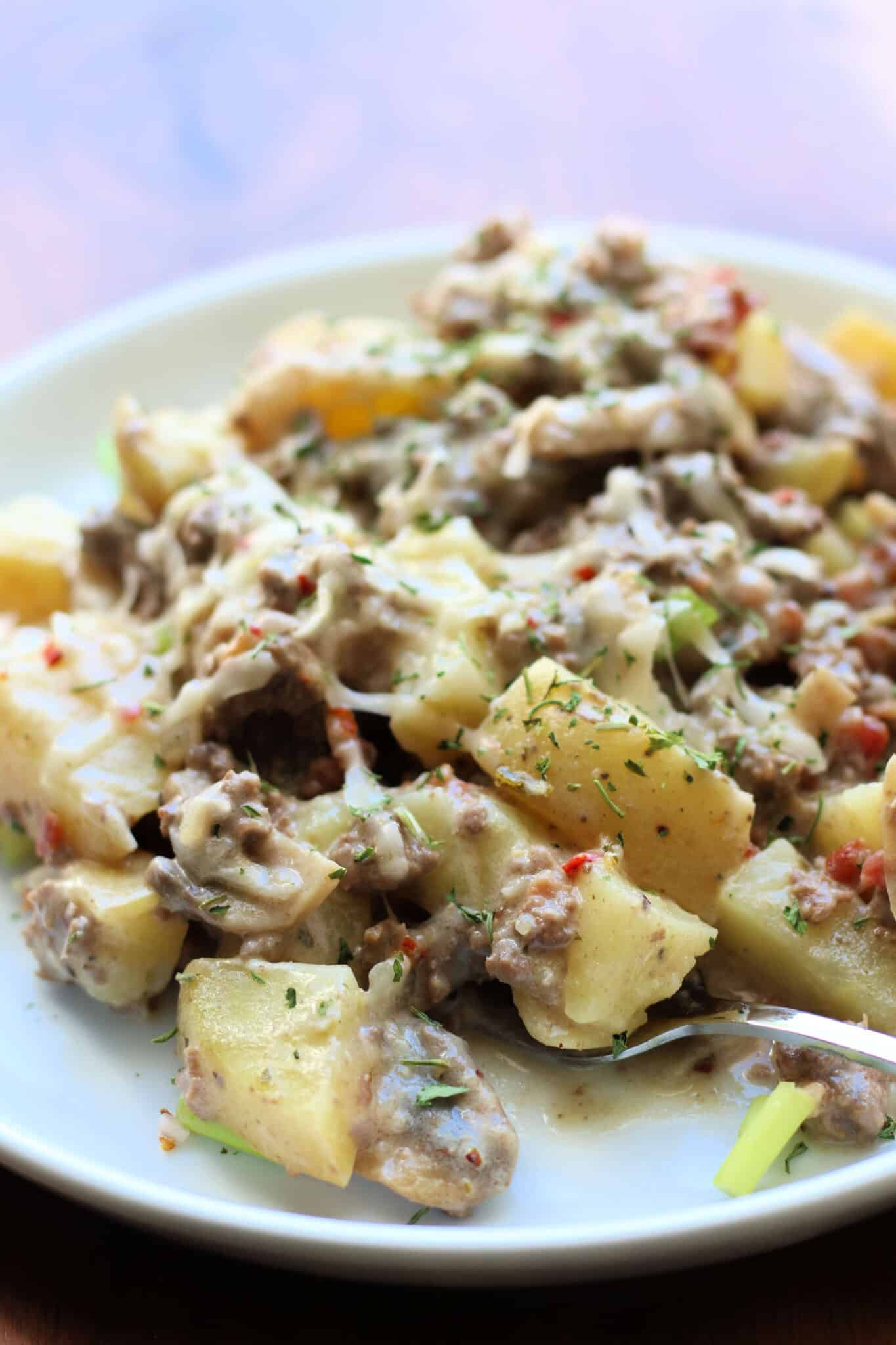
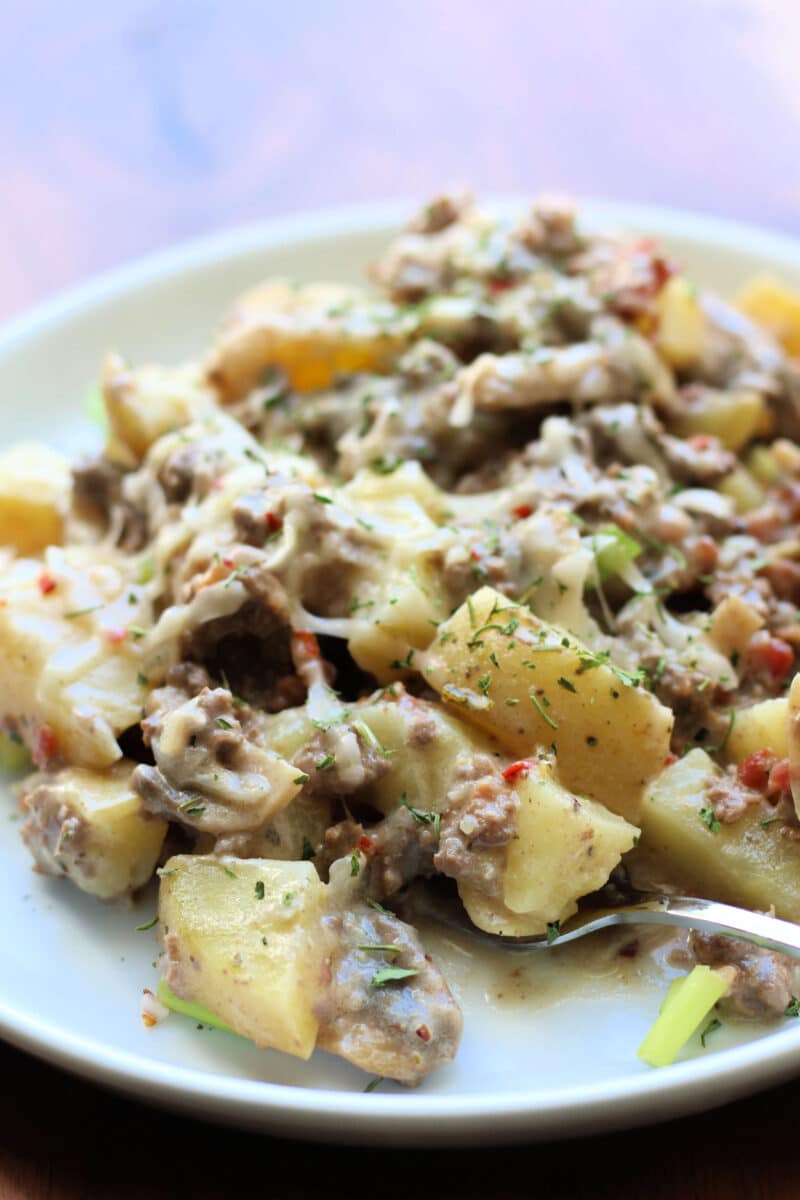
By employing mushrooms for heartiness and green onions for aesthetic and flavor brightness, the dish bridges the gap between traditional wilderness cooking and urban convenience. The choice of bison as a primary protein is particularly noteworthy, aligning with the "Montana" nomenclature. Bison has seen a surge in popularity across North America due to its lean nutritional profile and its status as a sustainable alternative to traditional bovine agriculture.
Technical Execution and Preparation Chronology
The preparation of the Rustic Mountain Montana Casserole follows a strict technical progression designed to maximize the Maillard reaction in the protein while ensuring the structural integrity of the starch components.
The Sauté and Browning Phase
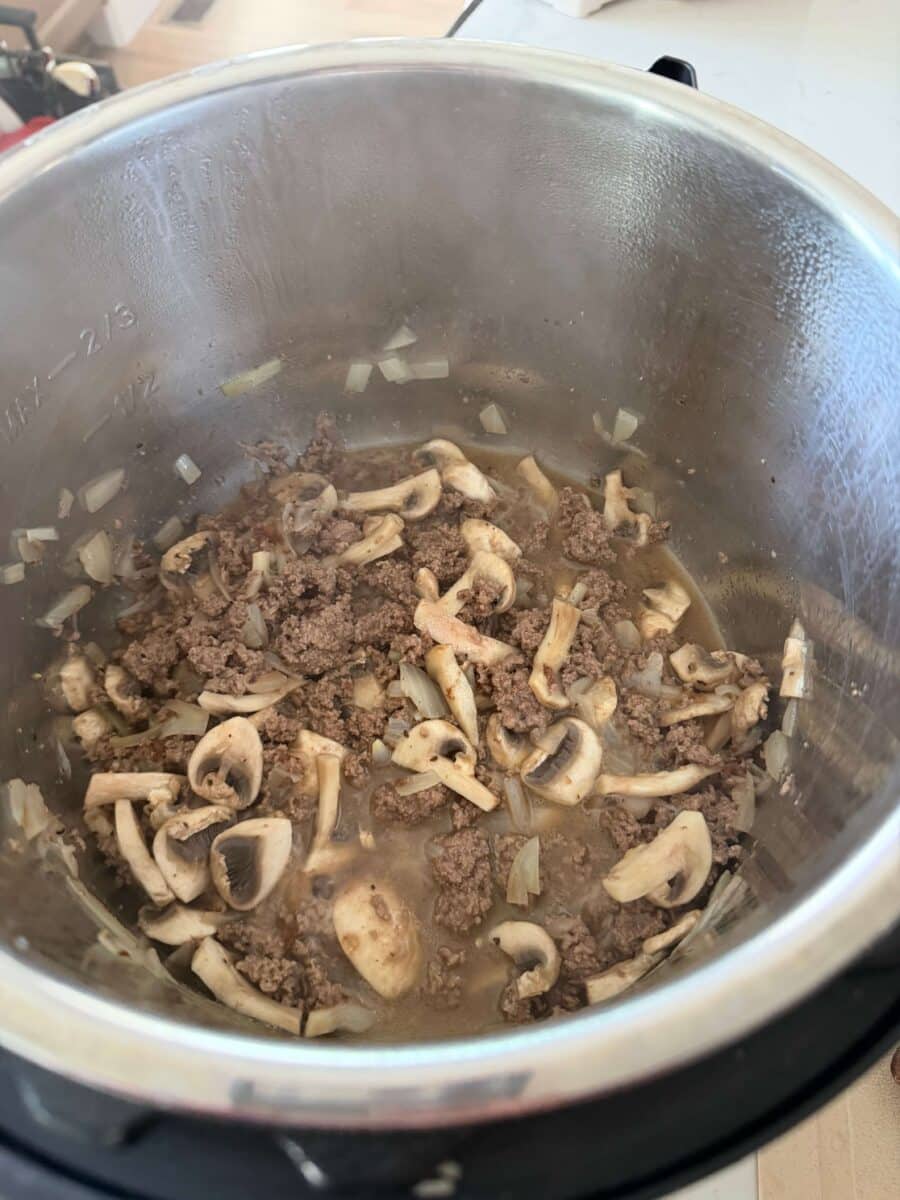
The process begins with the "Sauté" function of the multicooker. High-heat browning of the ground beef or bison is essential for developing a complex flavor base. During this five-minute window, diced onions and sliced mushrooms are introduced. This step serves a dual purpose: the onions provide a sulfurous aromatic foundation, while the mushrooms release moisture, which aids in deglazing the bottom of the pot. Once the protein is browned, excess grease is removed—a critical step in maintaining the textural clarity of the final sauce.
The Pressure Infusion Phase
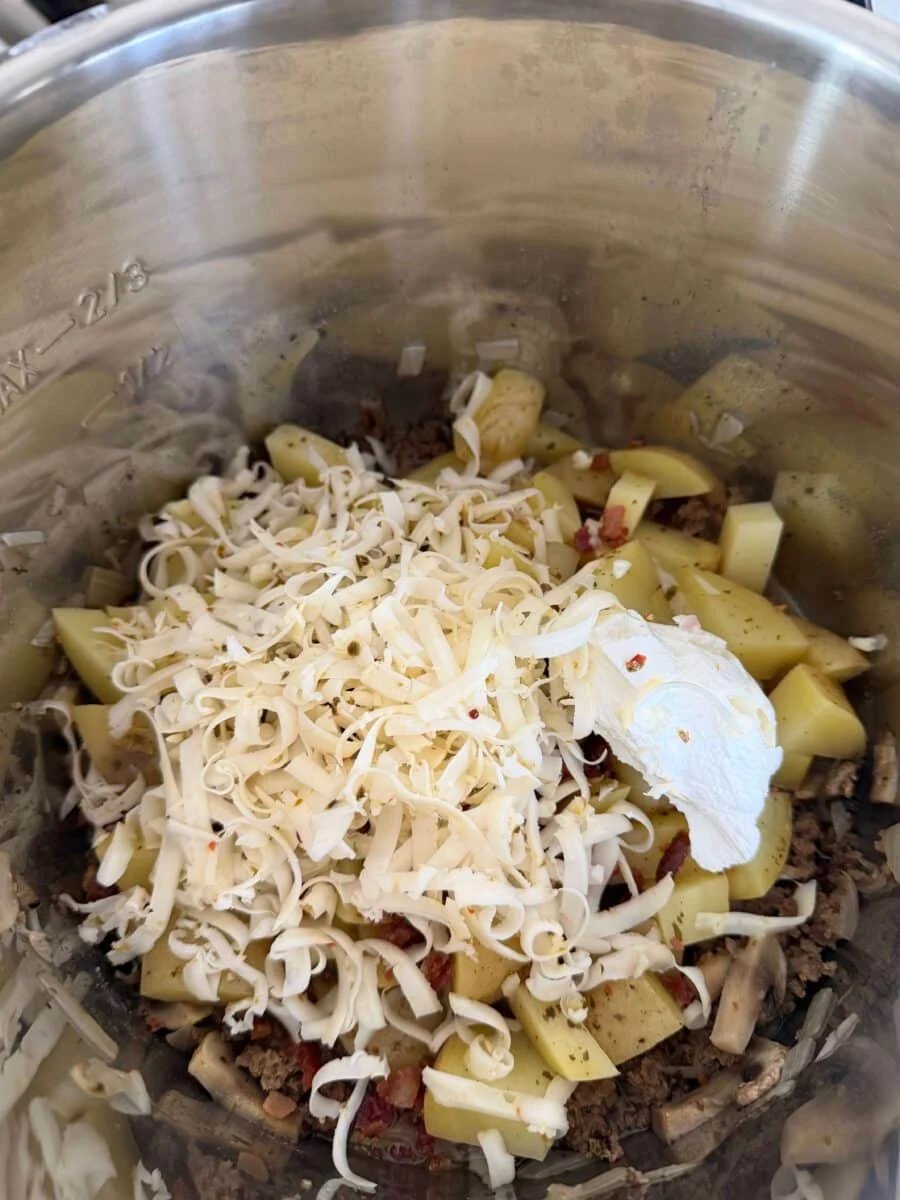
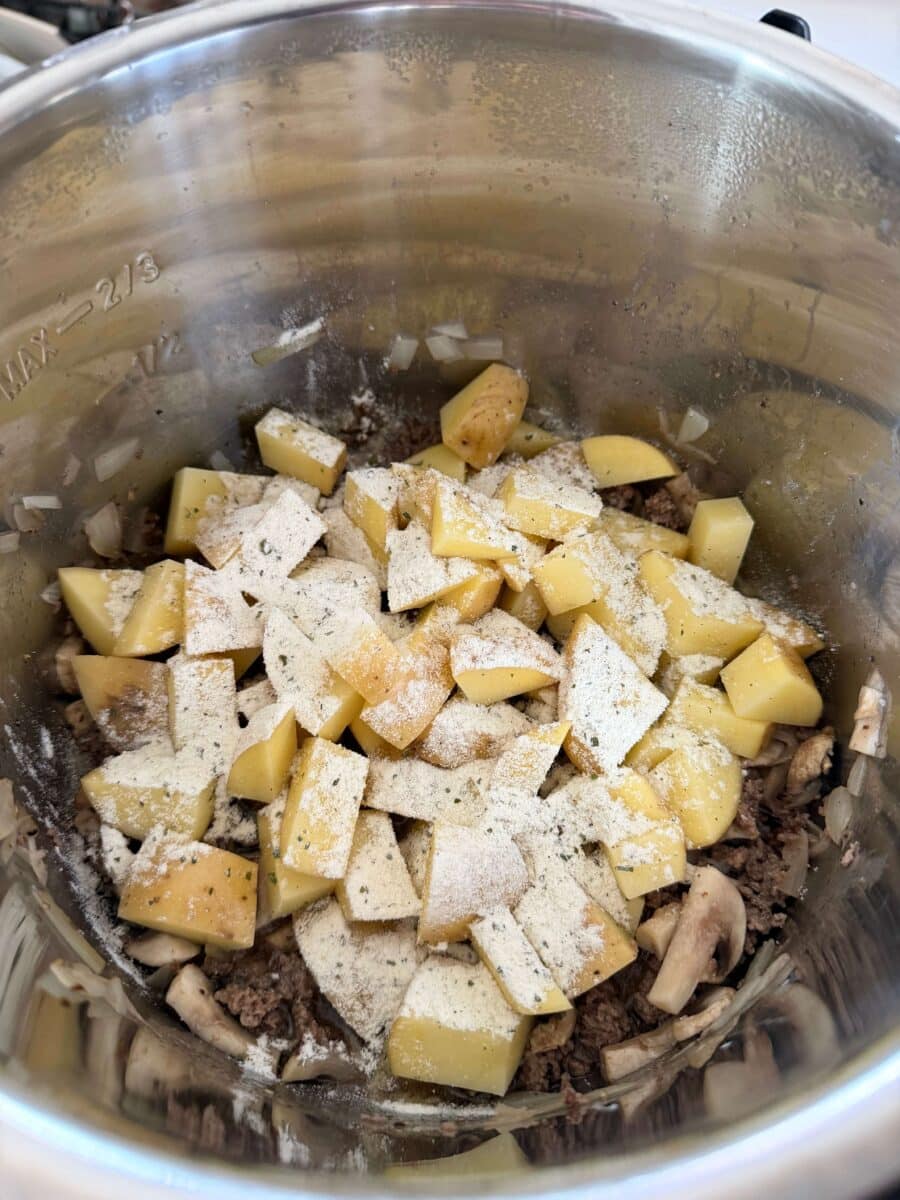
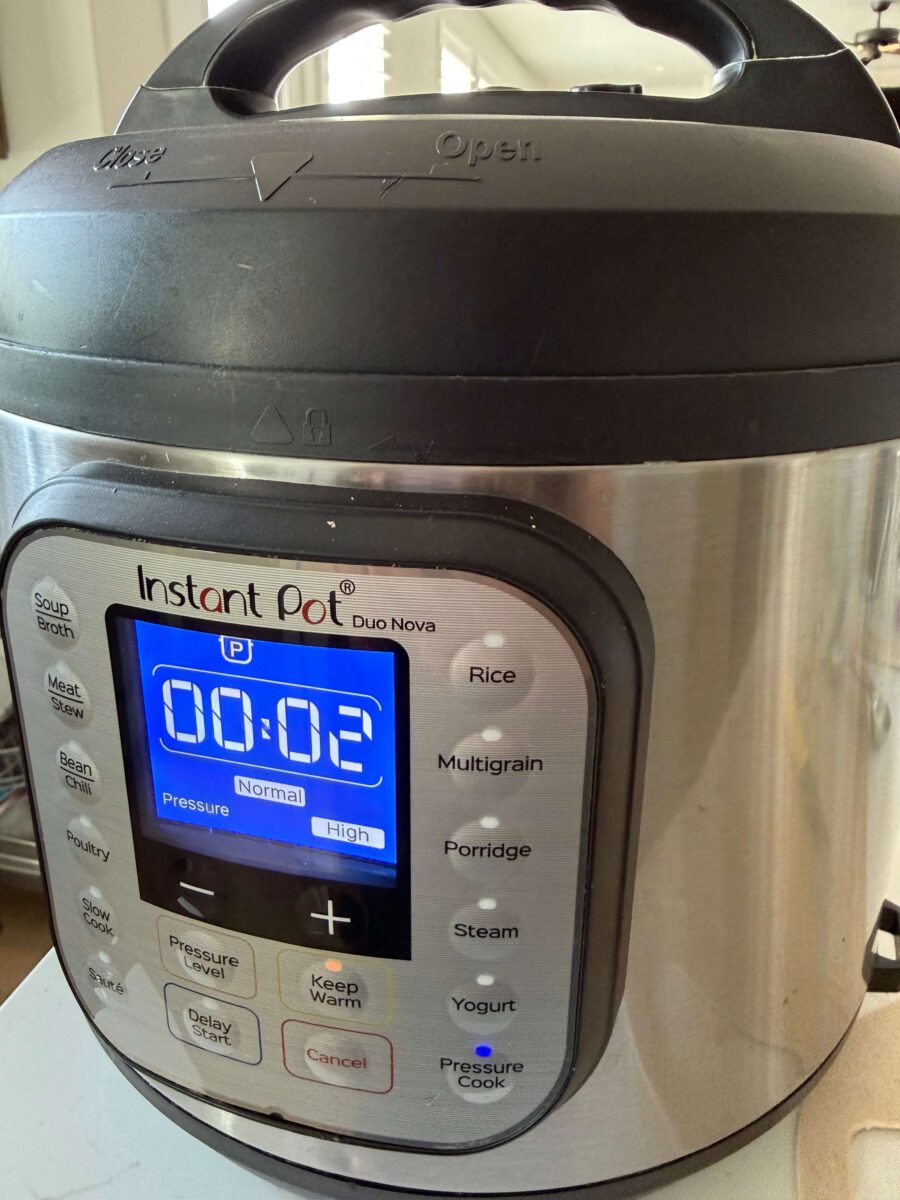
Following the browning of the meat, the device is deglazed with beef broth. This liquid acts as the heat-transfer medium for the pressure-cooking stage. Sliced potatoes are layered atop the meat mixture and seasoned with a dry ranch dressing mix. Unlike traditional boiling, pressure cooking forces the seasoned broth into the cellular structure of the potatoes, ensuring they are flavored from the inside out. In an Instant Pot environment, this requires only two minutes of high-pressure cooking, followed by a five-minute natural release period to prevent the starch from becoming overly friable.
The Finishing and Emulsification Phase
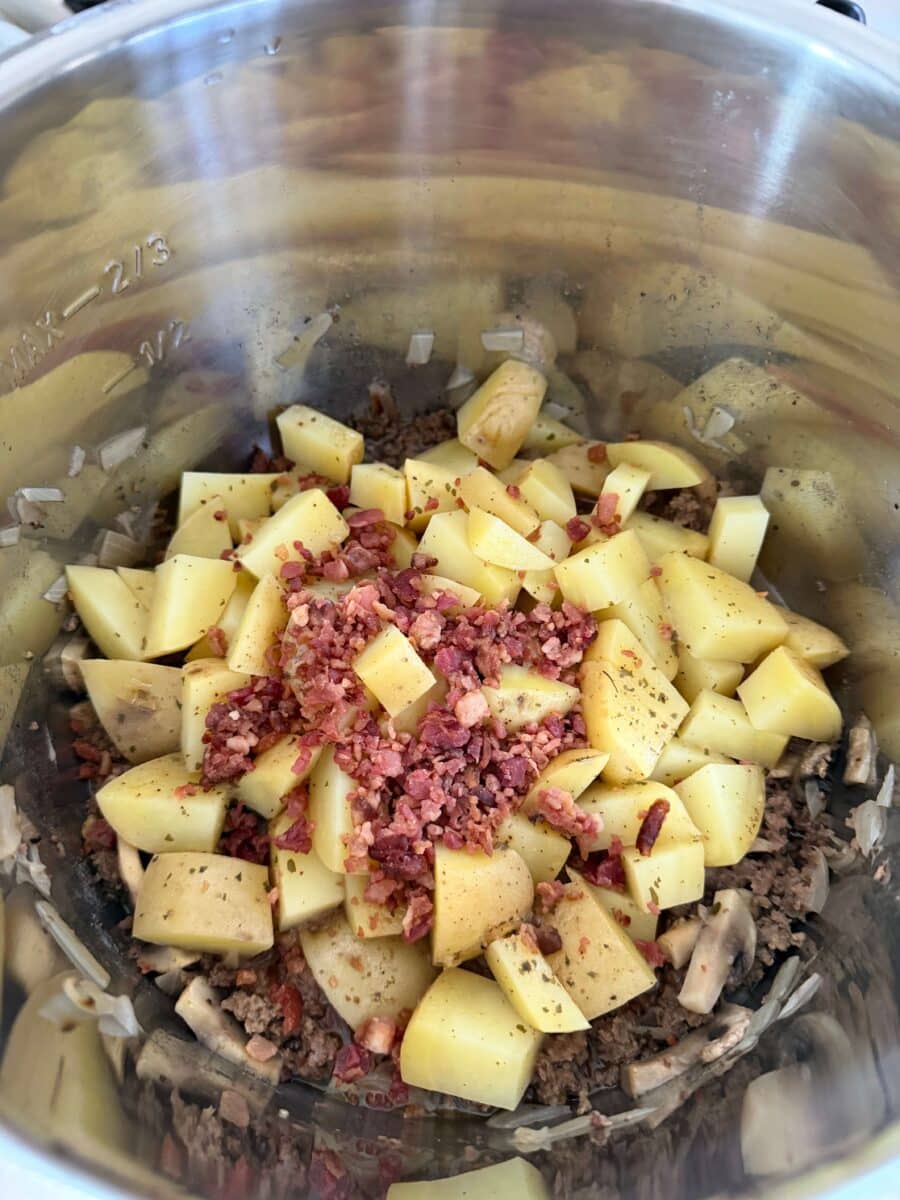
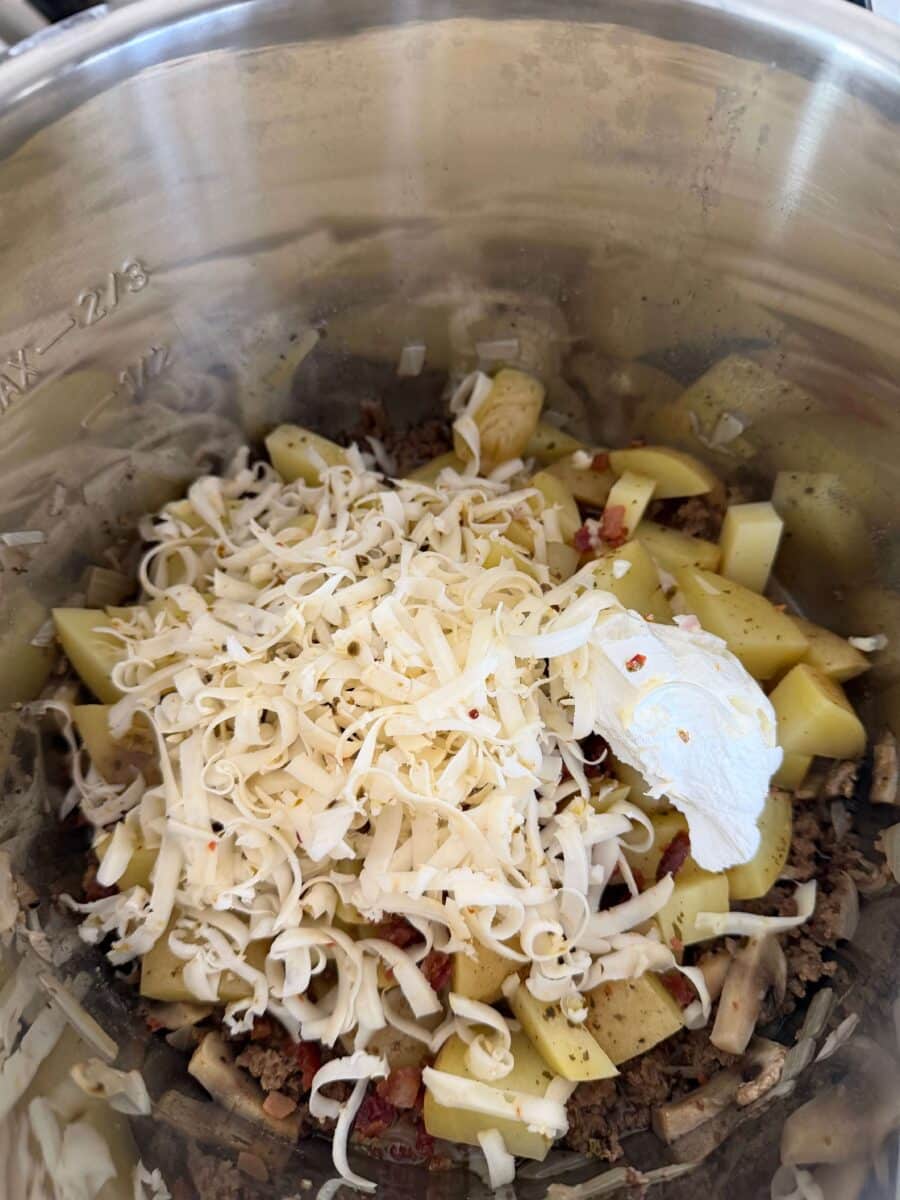
The final stage involves the manual integration of fats and dairy to create a cohesive texture. Once the pressure is released, the cook stirs in precooked bacon bits, shredded pepper jack cheese, and sour cream. The residual heat of the potatoes and meat is sufficient to melt the cheese and incorporate the sour cream without curdling the dairy, resulting in a rich, velvety consistency that binds the rustic components together.
Market Trends: The Rise of Bison and Multicookers
The Rustic Mountain Montana Casserole is positioned at the intersection of two major market trends: the growth of the bison meat industry and the ubiquity of the electric pressure cooker.
According to data from the National Bison Association, the demand for bison has grown steadily over the last decade. In 2023, the industry saw record-high retail sales, driven by consumers seeking "wild-game" flavors with lower fat content than traditional beef. Bison contains significantly more iron and fewer calories per serving, making it a preferred choice for the health-conscious "Mountain West" demographic.
Simultaneously, the global multicooker market—valued at approximately $720 million in 2022—is projected to expand at a compound annual growth rate (CAGR) of 9.2% through 2030. The Instant Pot, which became a household staple in the late 2010s, has redefined the "casserole" as a dish that can be prepared in under 30 minutes rather than the 60-to-90-minute oven times required by glass-dish variants.
Comparative Analysis of Cooking Methods
While the Instant Pot offers speed, the Rustic Mountain Montana Casserole is also optimized for the slow cooker, catering to the "set-and-forget" consumer segment.
| Feature | Instant Pot Method | Slow Cooker Method |
|---|---|---|
| Active Prep Time | 10 Minutes | 15 Minutes |
| Total Cook Time | 25 Minutes | 4–8 Hours |
| Texture Result | Firm, infused potatoes | Soft, tender potatoes |
| Flavor Depth | High (due to pressure) | High (due to slow extraction) |
The slow cooker method requires browning the meat in a separate skillet before transferring it to the crock, whereas the Instant Pot allows for a true one-vessel experience. Food scientists note that the pressure cooker method often results in more vibrant vegetable colors and a higher retention of water-soluble vitamins compared to the prolonged heat exposure of a slow cooker.
Nutritional and Dietary Implications
From a dietetic perspective, the Rustic Mountain Montana Casserole is a high-protein, moderate-carbohydrate meal. The inclusion of pepper jack cheese provides a capsaicin-driven "kick" that enhances satiety, while the sour cream adds necessary fats for the absorption of fat-soluble vitamins found in the mushrooms and onions.
For consumers with specific dietary restrictions, the recipe is inherently adaptable. It can be rendered gluten-free by ensuring the ranch seasoning mix and broth are certified GF. Furthermore, the "no-canned-soup" approach significantly reduces the sodium and preservative intake typically associated with American casserole consumption. The removal of modified corn starch and MSG—common additives in condensed soups—allows the natural flavors of the Montana-inspired ingredients to remain prominent.
Culinary Analysis: The "Ranch" Flavor Profile
A defining characteristic of this dish is the use of ranch seasoning. Historically, ranch dressing—invented by Steve Henson in the 1950s—has become the "unofficial flavor of the American West." In the context of a hot casserole, the buttermilk powder, garlic, and dill components of the seasoning act as a bright counterpoint to the heavy, earthy notes of the beef and potatoes. This creates a "loaded potato" effect that has proven highly successful in the casual dining sector and is now being replicated in the domestic "dump-and-go" recipe category.
Broader Impact on Home Meal Replacement
The popularity of recipes like the Rustic Mountain Montana Casserole suggests a shift in how families approach the "Wednesday night dinner" dilemma. As the cost of dining out continues to rise due to inflation and labor shortages, home cooks are seeking "restaurant-quality" comfort foods that require minimal cleanup.
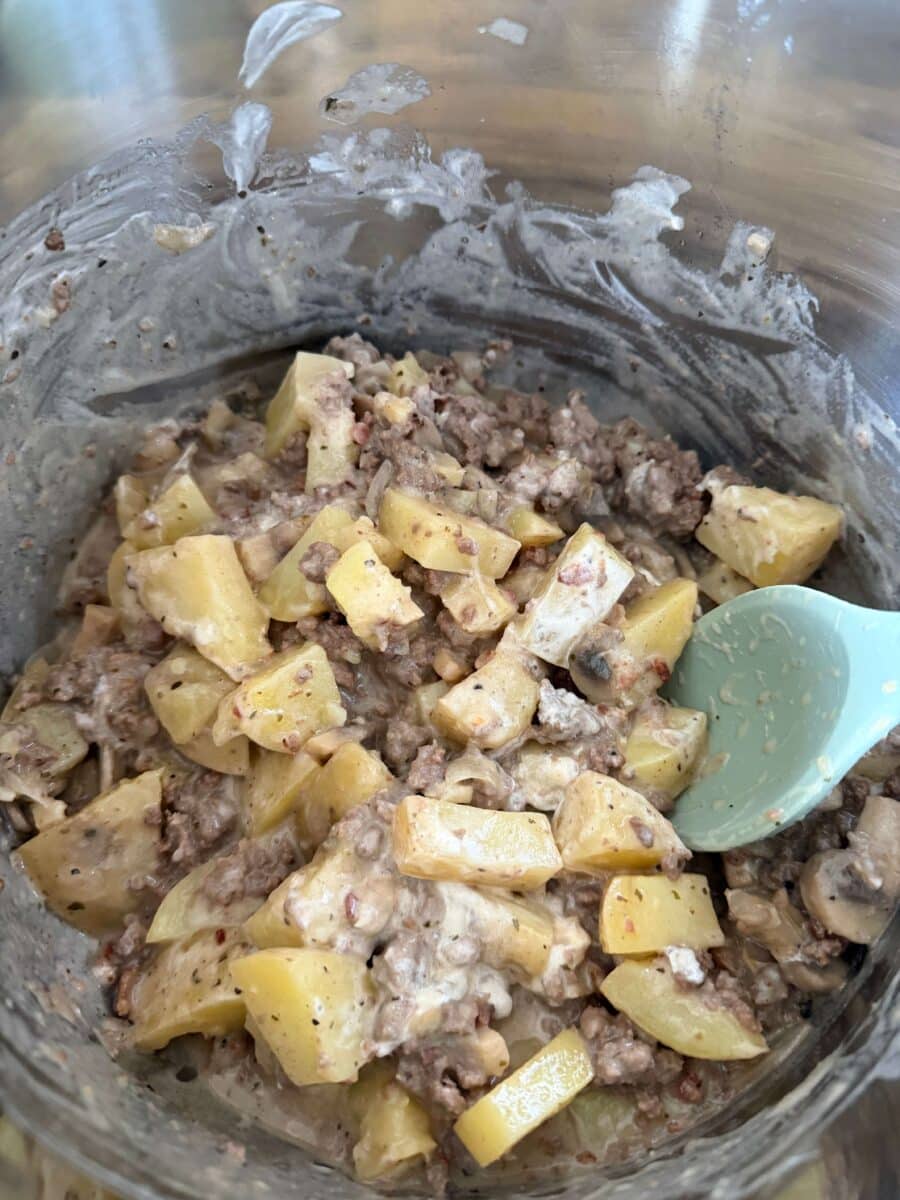
Industry analysts suggest that the "Montana" branding of such dishes taps into a cultural zeitgeist that romanticizes the rugged, outdoor lifestyle of the American Northwest. By naming the dish after the "Big Sky Country," creators evoke a sense of authenticity and tradition, even when the meal is prepared in a high-tech kitchen in a suburban environment.
Conclusion: The Future of the Modern Casserole
The Rustic Mountain Montana Casserole stands as a testament to the durability of the casserole as a culinary concept. By evolving to meet modern demands for speed, ingredient transparency, and nutritional value, it ensures that the "meat and potatoes" tradition remains relevant for a new generation of cooks. Whether prepared with traditional ground beef or lean, sustainable bison, the dish represents a successful fusion of regional heritage and technological convenience. As the multicooker continues to evolve, it is likely that more "rustic" and "mountain-style" recipes will emerge, further diminishing the dominance of processed convenience foods in the American home.
