
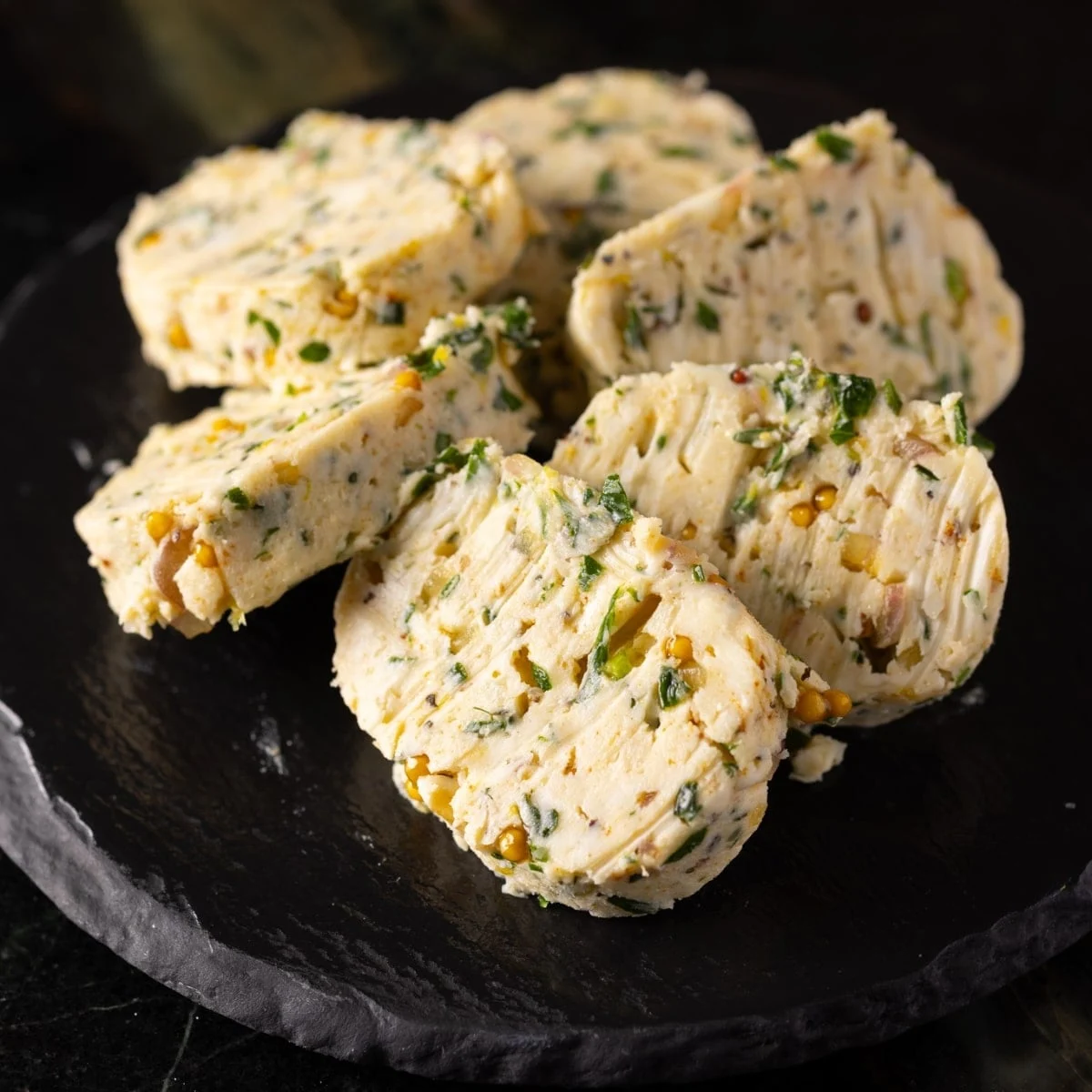
The culinary landscape of outdoor cooking and home gastronomy has seen a significant shift toward the artisanal production of condiments, with Cowboy Butter emerging as a premier choice for flavor enhancement. This compound butter, a sophisticated blend of dairy fats, fresh aromatics, and acidic brightness, has transitioned from niche steakhouse kitchens to a staple of the modern home pantry. Characterized by its inclusion of fresh shallots, chives, parsley, thyme, and citrus elements, Cowboy Butter serves as a versatile tool for chefs looking to elevate the flavor profile of proteins and vegetables alike. As the demand for high-quality, homemade alternatives to processed condiments continues to rise, understanding the composition and application of this compound butter becomes essential for the contemporary cook.
The Anatomy of Flavor: Composition and Ingredients
The efficacy of Cowboy Butter lies in its balanced chemical composition, which utilizes fat as a primary carrier for fat-soluble flavor compounds. The base of the recipe typically involves high-quality unsalted or salted butter, softened to a malleable consistency. Into this lipid base, a variety of fresh and dried ingredients are integrated to create a complex sensory profile.
Key aromatic components include finely minced shallots and garlic, which provide a foundational pungent depth. These are complemented by a triumvirate of fresh herbs: chives for a mild onion-like sharpness, parsley for earthy freshness, and thyme for subtle floral and woody notes. The addition of lemon zest and juice provides necessary acidity, which serves to cut through the richness of the butter and enhances the perceived flavors of the accompanying dish.

Spices play a critical role in the "cowboy" aesthetic of the butter. Red pepper flakes and cayenne pepper introduce a controlled heat, while smoked paprika contributes both color and a hint of wood-smoke flavor, mimicking the environment of a traditional grill. Dijon mustard is often included as an emulsifier, helping to bind the aqueous lemon juice with the fatty butter, while also providing a tangy piquancy.
Historical Context and the Evolution of Compound Butters
The concept of Cowboy Butter is rooted in the French culinary tradition of beurre composé. Historically, compound butters like Beurre Maître d’Hôtel (butter, parsley, lemon, salt, and pepper) were designed to melt over hot meats, creating an instantaneous sauce. The American "Cowboy" variant is an evolution of this tradition, adapted for the bold, robust flavors associated with Western-style grilling and barbecue.
In the mid-20th century, compound butters were largely relegated to high-end French dining. However, the resurgence of interest in open-fire cooking and the "craft" food movement of the 2010s brought these techniques back to the forefront. Digital platforms and culinary influencers, such as Susie Bulloch of Hey Grill Hey, have popularized these recipes, making professional-grade flavor profiles accessible to the average consumer. The "Cowboy" moniker reflects a rugged, high-impact flavor profile that distinguishes it from its more delicate European ancestors.
Technical Methodology: The Cold-Emulsion Process
The preparation of Cowboy Butter is a study in mechanical emulsion and flavor infusion. Unlike traditional sauces that require heat to reduce and thicken, Cowboy Butter relies on the physical integration of solids into a semi-solid fat matrix.

- Temperature Management: The butter must be brought to room temperature (approximately 65°F to 70°F). If the butter is too cold, the herbs and spices will not distribute evenly; if it is melted to a liquid state, the solids will settle at the bottom, and the emulsion will break.
- Aromatic Integration: Once the butter is softened, the dry and fresh ingredients are folded in using a spatula or a whisk. This manual mixing ensures that the volatile oils in the fresh herbs are released directly into the fat, which preserves their potency.
- Acid Incorporation: The introduction of lemon juice must be done gradually. The citric acid acts as a brightener, but because it is water-based, it requires thorough incorporation to prevent "weeping" or separation from the butterfat.
- Forming and Setting: The final mixture is typically transferred to parchment paper or plastic wrap and rolled into a cylindrical log. This "log" format allows for precise portioning. The butter is then refrigerated for at least two hours, allowing the flavors to marry and the fat to re-crystallize into a firm, sliceable texture.
Applications in Modern Gastronomy
While Cowboy Butter is most frequently associated with premium cuts of beef, such as ribeye or New York strip, its utility extends across the culinary spectrum. When a "pat" of this butter is placed on a resting steak, the residual heat of the meat melts the fat, creating a self-basting mechanism that delivers aromatics directly into the muscle fibers.
Beyond red meat, the butter is an effective finishing agent for seafood. The lemon and parsley components are particularly well-suited for grilled shrimp, scallops, or flaky white fish. In vegetable cookery, tossing blanched asparagus or roasted root vegetables in Cowboy Butter adds a layer of "umami" that salt and oil alone cannot achieve. Furthermore, the butter has found a place in breakfast preparations, where it is used to finish soft-scrambled eggs or spread onto toasted artisanal breads, showcasing its versatility as both a cooking medium and a table condiment.
Nutritional Profile and Dietary Impact
From a nutritional standpoint, Cowboy Butter is a calorie-dense condiment, primarily composed of saturated fats. According to standardized nutritional calculations for a typical serving (approximately one tablespoon or one-eighth of a standard batch), the profile is as follows:
- Calories: 207 kcal
- Total Fat: 23g
- Saturated Fat: 15g
- Cholesterol: 61mg
- Sodium: 311mg (subject to the use of salted butter and added sea salt)
- Carbohydrates: 1g
- Vitamin A: 881 IU (derived largely from the butterfat and paprika)
While the caloric density is high, the intense flavor profile often means that smaller quantities are required to achieve the desired culinary effect compared to traditional sauces. The inclusion of fresh herbs also introduces trace amounts of Vitamin C and antioxidants, though these are secondary to the macronutrient profile of the dairy.

Market Trends and Consumer Behavior
The rise of Cowboy Butter coincides with a broader trend in the global condiments market, which was valued at approximately $10.1 billion in 2022 and is projected to grow steadily through 2030. There is a documented shift among consumers toward "clean label" products—those with recognizable, fresh ingredients rather than chemical preservatives.
Industry analysts suggest that the "DIY" (Do-It-Yourself) condiment movement is driven by two factors: cost-efficiency and quality control. By producing Cowboy Butter at home, consumers can utilize organic grass-fed butter and garden-fresh herbs, achieving a product that exceeds the quality of mass-produced, shelf-stable alternatives found in retail environments. This trend is particularly prevalent among the "outdoor cooking" demographic, which prioritizes high-performance ingredients to complement expensive protein purchases.
Food Safety and Preservation Standards
Because Cowboy Butter contains fresh, non-acidic ingredients like garlic and shallots submerged in fat, food safety is a paramount consideration. Garlic-in-oil mixtures, if left at room temperature for extended periods, can create an anaerobic environment conducive to the growth of Clostridium botulinum.
To mitigate this risk, culinary experts and food safety agencies recommend the following:

- Refrigeration: Cowboy Butter should always be stored in a refrigerator at or below 40°F (4°C).
- Shelf Life: When refrigerated, the butter remains optimal for 1 to 2 weeks. The fresh herbs are the limiting factor, as they will eventually oxidize and lose their vibrant color and flavor.
- Freezing: For long-term storage, the butter log can be frozen for up to 3 months. Freezing preserves the aromatic integrity of the herbs and allows for "slice-on-demand" usage.
Conclusion and Broader Implications
The emergence of Cowboy Butter as a cultural phenomenon in the grilling community highlights the increasing sophistication of the home cook. It represents a bridge between traditional French technique and modern American barbecue, emphasizing the importance of high-quality fats and fresh aromatics in flavor development.
As the culinary industry continues to evolve, the emphasis on compound butters like this one reflects a return to foundational cooking principles: the use of simple, fresh ingredients to create complex, multi-dimensional results. Whether used in a professional kitchen or a backyard setting, Cowboy Butter has solidified its status as an essential component of the contemporary gastronomic toolkit, offering a reliable method for enhancing the sensory experience of a wide array of dishes. Its popularity serves as a testament to the enduring appeal of well-crafted, flavor-forward condiments in the global food landscape.
