
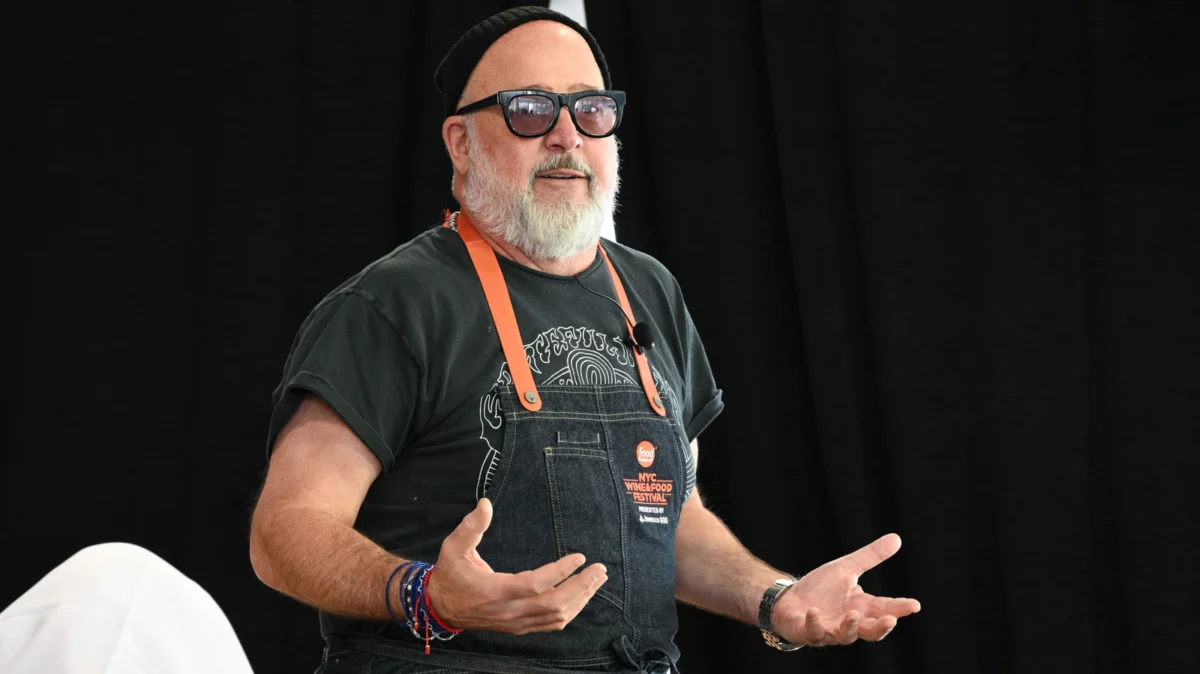
The abrupt conclusion of Andrew Zimmern’s long-running and wildly popular Travel Channel series, "Bizarre Foods," in 2018, sent shockwaves through the culinary television landscape. While the network officially cited a shift in programming strategy towards the supernatural, an overwhelming consensus among industry observers and the public pointed to a singular event: a series of controversial remarks made by Zimmern himself regarding Chinese restaurants in the American Midwest. These comments, widely perceived as culturally insensitive and disparaging, ignited a firestorm of criticism, ultimately leading to the show’s cancellation and casting a long shadow over Zimmern’s public image.
The genesis of "Bizarre Foods" dates back nearly two decades, with its debut episode featuring Zimmern venturing into the culinary frontiers of New Delhi to sample buffalo brain stew and exploring the unique flavors of water snakes in Cambodia. Over its subsequent 12 seasons, the show became a global phenomenon, captivating audiences with its fearless host as he navigated the consumption of an astonishing array of foods, from crunchy giraffe beetles and eight-legged tarantulas to the gelatinous textures of giant sea squirts and the surprisingly robust flavors of sausages crafted from horse rib and rectum. Zimmern’s uninhibited approach and genuine curiosity fostered a dedicated viewership, eager to experience the world’s most unusual culinary traditions through his eyes.
However, the narrative took a sharp turn in November 2018. During an interview with Mark Wilson for Fast Company, Zimmern, a celebrated James Beard Award-winning chef, discussed a variety of personal and professional topics, including his ongoing battles with addiction and his deep affection for his home state of Minnesota. The conversation then veered towards his upcoming venture, a new Chinese restaurant named Lucky Cricket, slated to open in the Minneapolis suburbs. It was during this discussion that Zimmern made the remarks that would ultimately prove to be his undoing.
Expressing a perceived disparity between the quality of Chinese cuisine available in major metropolitan hubs and what he believed was offered in the Midwest, Zimmern stated, "I think I’m saving the souls of all the people from having to dine at these horses**t restaurants masquerading as Chinese food that are in the Midwest." This candid, albeit crude, assessment was intended to highlight his ambition to elevate the standard of Chinese dining in his local area. However, the language used and the broad generalization proved to be deeply offensive, particularly to the Asian-American community, many of whom operate the very restaurants Zimmern was implicitly criticizing.
The backlash was swift and severe. The interview, which aired in November 2018, immediately triggered widespread anger. Social media platforms became the epicenter of the dissent, with users expressing their outrage and hurt. One X user, identifying as the son of Chinese refugees, posted a scathing response: "Dear @andrewzimmern, I want to personally thank you for saving me, the son of Chinese refugees, from the ‘horsest’ Chinese restaurants my family built in the Twin Cities." This sentiment was echoed by many others, including the daughter of two Los Angeles restaurateurs, who pointed out the profound impact of such remarks: "Can someone tell @andrewzimmern that those ‘horsest’ restaurants he’s talking about are run by immigrant families trying to give their kids a better life?"
These reactions underscored a critical aspect of Zimmern’s comments: their disregard for the historical context and socioeconomic realities of Chinese-American cuisine. For centuries, Chinese immigrants have established restaurants across the United States, often as a means of economic survival and upward mobility for their families. These establishments have not only provided sustenance but have also served as vital cultural hubs, evolving and adapting to American palates over time. The cuisine itself has developed unique dishes and flavor profiles distinct from those found in China, a testament to its integration and innovation within the American landscape. Zimmern’s dismissive language failed to acknowledge this rich history and the dedication of countless individuals who have built their lives and livelihoods through these culinary endeavors.
In the immediate aftermath of the controversy, Zimmern issued multiple apologies across various platforms. He posted a lengthy, 700-word apology on Facebook, acknowledging the gravity of his remarks and expressing profound remorse. "Let me start by saying most importantly how awful I feel and how sorry I am for my recent remarks," he wrote. "I am completely responsible for what I said and I want to apologize to anyone who was offended or hurt by those sound bites." Despite these efforts to mitigate the damage, the public perception had already been significantly impacted.
The Travel Channel’s response was equally decisive. Within weeks of the controversial interview and the ensuing public outcry, the network made the decision to remove "Bizarre Foods" from its primetime schedule. Furthermore, production on both "Bizarre Foods" and Zimmern’s other series, "The Zimmern List," was halted. While the Travel Channel maintained that these programming decisions had been in the works prior to the interview and were part of a broader strategic shift towards supernatural-themed content, the timing was undeniably conspicuous. The overwhelming public and industry interpretation was that Zimmern’s comments had directly precipitated the cancellation of his flagship show.
The repercussions extended beyond the cancellation of "Bizarre Foods." Andrew Zimmern’s ambitious restaurant venture, Lucky Cricket, which he had envisioned expanding to 200 locations, also faced an untimely end. The chain quietly shut its doors in 2019, a year after the controversial interview. While the exact reasons for Lucky Cricket’s closure are not publicly detailed, it is difficult to divorce this outcome from the negative publicity generated by Zimmern’s remarks, which had eroded goodwill and potentially impacted consumer confidence.
The incident serves as a stark reminder of the profound impact that public figures’ words can have, particularly when they touch upon cultural sensitivities and the livelihoods of marginalized communities. Zimmern, who had built a career on exploring and celebrating diverse culinary traditions, found himself on the wrong side of a cultural conversation. His known strong opinions, which had previously endeared him to many – from his intense disdain for Yelp to his firm refusal to consume canned Spam – in this instance, crossed a line, revealing a blind spot regarding the complexities of cultural representation and the impact of language.
The cancellation of "Bizarre Foods" marked the end of an era for culinary television. The show had not only entertained but also educated a global audience about the vast and varied world of food, fostering a sense of wonder and appreciation for different cultures. Zimmern’s ability to connect with people from all walks of life, even in the most challenging culinary environments, was a testament to his charisma and genuine interest. However, the events of late 2018 demonstrated that even a seasoned television personality is not immune to the consequences of careless or insensitive remarks.
The legacy of "Bizarre Foods" remains complex. It is remembered for its groundbreaking exploration of global cuisines and its charismatic host, but also as a cautionary tale about the power of words and the importance of cultural awareness in the public sphere. The incident underscored the need for public figures, especially those with a significant platform, to exercise greater diligence and sensitivity in their public pronouncements, recognizing the potential for their words to inflict harm and reshape public perception. The culinary world, like society at large, continues to grapple with issues of representation and respect, and the Zimmern controversy remains a significant, albeit unfortunate, chapter in that ongoing dialogue. The show’s demise, while officially attributed to a strategic programming shift, is inextricably linked to the widespread belief that his disparaging remarks about Chinese restaurants in the Midwest were the catalyst, a stark illustration of how a single misstep can have far-reaching and lasting consequences in the high-stakes world of media and entertainment.
