
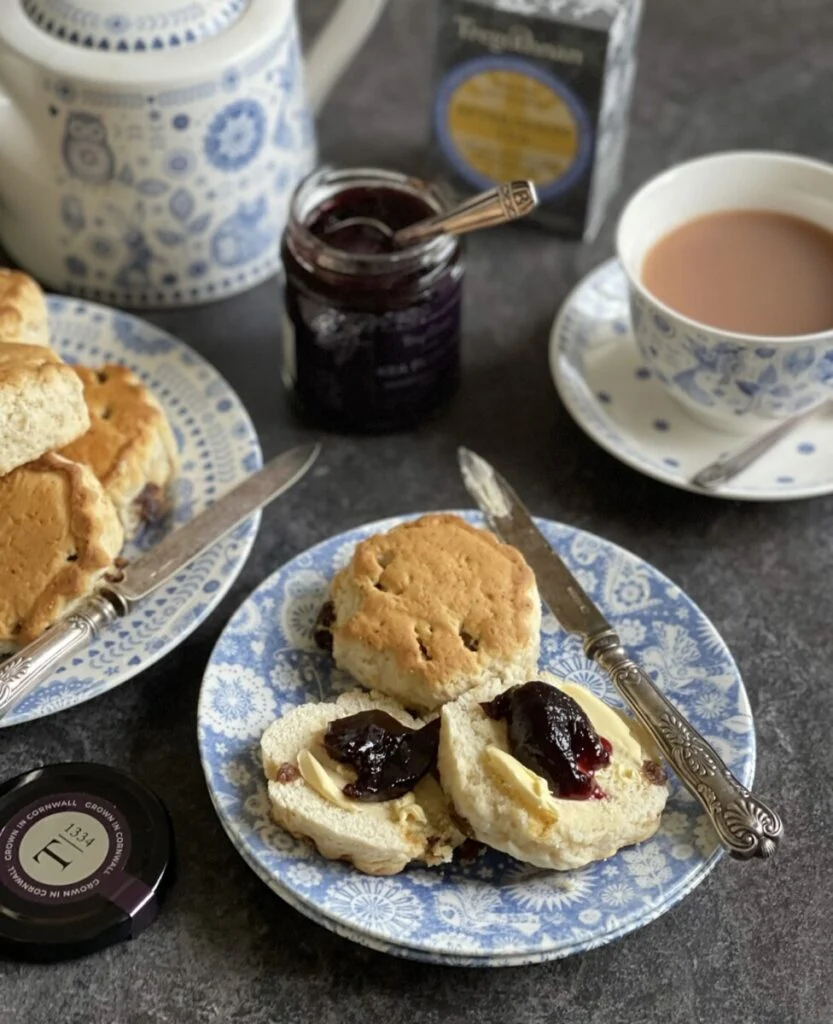
London, UK – May 27, 2026 – A new recipe for Earl Grey Fruit Scones, developed by renowned culinary author Karen Burns-Booth, has been unveiled, offering a sophisticated twist on a British classic. This delightful creation, infused with the distinctive citrus notes of bergamot from Earl Grey tea, draws its inspiration directly from the Tregothnan Estate in Cornwall, celebrated as the birthplace of commercially grown tea in the United Kingdom. The recipe, initially conceived for Viking’s "Explore Magazine," underscores a growing trend in modern British cuisine: the fusion of traditional culinary heritage with unique, locally sourced ingredients, showcasing the rich agricultural landscape of the nation.

The scones are characterized by their delicate infusion of Earl Grey tea, which permeates both the dough and the plumped dried fruit, creating a multi-layered aromatic experience. This innovative approach elevates the humble scone, transforming it into a gourmet offering perfect for a traditional cream tea. Burns-Booth emphasizes the ideal serving method: accompanied by a freshly brewed pot of loose leaf tea, generous dollops of clotted cream, and a spoonful of jam, adhering to the cherished Cornish tradition of applying jam first.

The Genesis of a Recipe: Tregothnan Estate’s Legacy

The inspiration for these Earl Grey Fruit Scones stems from Burns-Booth’s visit to the Tregothnan Estate in 2021, an experience she describes as both invigorating and enlightening. Located near Falmouth in the picturesque county of Cornwall, the estate is a beacon of British agricultural innovation. During her excursion, part of a voyage aboard the Viking Venus, Burns-Booth traversed bucolic country lanes and winding paths, passing traditional beehives and climbing over ancient wooden stiles. The journey culminated in a breathtaking panorama of the River Fal, revealing the estate’s meticulously cultivated tea terraces.

Tregothnan’s significance extends far beyond its scenic beauty. It represents a pivotal moment in British agricultural history, being the first estate in the UK to successfully cultivate tea on a commercial scale. For centuries, Britain has been a nation of tea drinkers, yet its supply chain relied almost entirely on imports from distant lands. The visionaries behind Tregothnan challenged this paradigm, embarking on an ambitious project to grow tea in the temperate microclimate of Cornwall. Their efforts bore fruit, quite literally, with the first major crop harvested in 2005. This achievement was not merely a local success but a national triumph, demonstrating the feasibility of producing "ultimate Britishness in every cup" and leading to Tregothnan tea being lauded as the "new Darjeeling" by industry experts.

The estate’s unique microclimate, influenced by the warm Gulf Stream, provides ideal conditions for tea cultivation, mirroring the success of tea plantations in regions like Assam and Darjeeling. Tregothnan cultivates a diverse range of Camellia sinensis varieties, carefully selecting those best suited to the Cornish environment. This pioneering spirit has not only put British-grown tea on the global map but also ignited interest in sustainable, local food and beverage production within the UK. The estate operates with a deep commitment to environmental stewardship, integrating its tea terraces with ancient orchards, wild meadow flowers, and traditional agricultural practices that support local biodiversity.

A Deep Dive into the Earl Grey Scone

The Earl Grey Fruit Scones are a testament to Burns-Booth’s culinary ingenuity, blending classic British baking with an aromatic, sophisticated flavor profile. Earl Grey tea, a distinctive blend flavored with bergamot oil, has a rich history dating back to the 19th century. Bergamot, a citrus fruit primarily grown in Calabria, Italy, imparts a fragrant, slightly spicy, and intensely floral aroma that has captivated tea lovers for generations. By infusing this flavor directly into the scones, Burns-Booth has created a pastry that resonates with both tradition and contemporary taste.

The recipe’s method of soaking dried fruit in hot Earl Grey tea prior to incorporation is particularly noteworthy. This step not only infuses the fruit with the tea’s characteristic flavor but also rehydrates and plumps it, contributing to a superior texture in the finished scone. The result is a scone that is moist, tender, and bursting with subtle citrus and floral notes, a departure from the more common plain or sultana scones.

Culturally, scones hold an almost sacred place in British culinary tradition, forming the cornerstone of the beloved cream tea. The ritual of a cream tea, typically enjoyed in the afternoon, involves freshly baked scones, clotted cream, and strawberry jam, accompanied by a pot of hot tea. The debate over the "proper" way to assemble a cream tea—whether jam or cream goes first—is a perennial topic of good-natured contention between the counties of Devon and Cornwall. In Cornwall, as Burns-Booth correctly notes, the tradition dictates applying jam first, followed by a generous dollop of clotted cream. This specific instruction in the recipe implicitly champions the Cornish method, adding a layer of regional authenticity to the culinary experience.

Beyond the Recipe: Economic and Cultural Implications

Karen Burns-Booth’s contribution to Viking’s "Explore Magazine" highlights the intersection of travel, gastronomy, and cultural storytelling. Her role as a regular contributor, crafting special recipes and travel narratives, exemplifies how culinary content creators are increasingly influencing travel and dining trends. By associating the Earl Grey Fruit Scones with the Tregothnan Estate and a Viking cruise experience, the recipe serves as more than just a culinary guide; it becomes a narrative piece that promotes regional British produce and tourism.

The success of Tregothnan Estate has broader implications for the UK’s agricultural sector and its reputation for quality food production. In an era where consumers increasingly value provenance and sustainability, the ability to source a premium product like tea domestically offers a significant advantage. Local agricultural reports indicate a growing interest in diversifying crops and exploring niche markets, inspired in part by pioneers like Tregothnan. This initiative not only creates local employment opportunities but also reduces the carbon footprint associated with imported goods, aligning with national environmental objectives.

Moreover, the popularity of tea-infused baked goods, such as these Earl Grey Fruit Scones, reflects an evolving palate among consumers. Culinary trends show a move towards incorporating unique, aromatic ingredients into familiar dishes, elevating classic comfort foods into sophisticated gourmet experiences. This fusion approach encourages experimentation in home kitchens and professional bakeries alike, fostering innovation within the British food scene.

The Enduring Allure of British Tea Culture

Tea remains deeply embedded in the fabric of British society, with national consumption figures consistently ranking among the highest globally. While traditional black tea dominates, there is a burgeoning market for artisan blends, herbal infusions, and specialty teas, including those with unique flavor profiles like Earl Grey. The emergence of home-grown tea, spearheaded by Tregothnan, adds a new dimension to this rich tea culture, providing a sense of national pride and exclusivity.

The creation of the Earl Grey Fruit Scones, therefore, is not merely a new addition to a cookbook; it is a culinary artifact that tells a story of British innovation, tradition, and the harmonious blending of flavors. It celebrates the industrious spirit of Tregothnan Estate, the timeless appeal of the British scone, and the enduring passion for tea that defines a nation. As consumers continue to seek authentic experiences and high-quality, ethically sourced ingredients, recipes like these Earl Grey Fruit Scones serve as a delicious reminder of the treasures that can be found within Britain’s own shores.

Nutritional Information (Per Serving):
Yield: 10 servings
Serving Size: 1 scone
Calories: 249
Total Fat: 8g
Saturated Fat: 4g
Unsaturated Fat: 3g
Cholesterol: 54mg
Sodium: 230mg
Carbohydrates: 39g
Fiber: 1g
Sugar: 10g
Protein: 6g

The future of British cuisine appears vibrant, with a clear trajectory towards celebrating local produce, embracing historical narratives, and innovating within traditional frameworks. Karen Burns-Booth’s Earl Grey Fruit Scones are a perfect embodiment of this exciting culinary evolution, offering a taste of Cornwall’s pioneering spirit with every delicate, bergamot-scented bite.
