
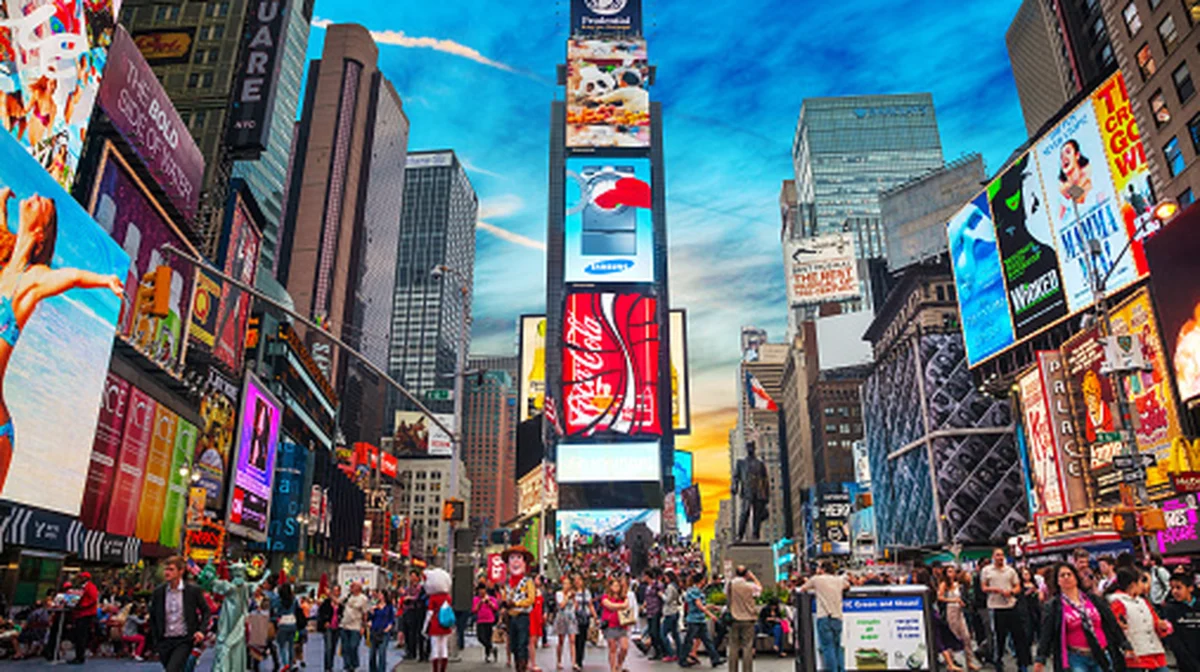
The iconic Red Lobster restaurant in Times Square, a fixture of New York City’s vibrant entertainment district for over two decades, is set to close its doors on June 14, marking the end of an era for the well-known seafood chain in one of the world’s most recognizable locations. The decision, while impacting a significant branch, is emblematic of broader challenges facing Red Lobster and the full-service seafood restaurant industry as a whole.
A Landmark Location’s Demise
For 23 years, the Red Lobster at 5 Times Square has served millions of patrons, becoming a familiar sight amidst the dazzling lights and constant activity of the Crossroads of the World. Its closure, however, is attributed to a confluence of factors, with significant ongoing construction at the 5 Times Square building cited as a primary driver. This extensive renovation project, which is transforming the 38-story structure from commercial office space into residential apartments, has severely hampered the restaurant’s accessibility and visibility, thereby diminishing foot traffic and impacting customer flow.
In a statement provided to NRN (Nation’s Restaurant News), a spokesperson for Red Lobster acknowledged the difficulty of the decision, stating, "Times Square has been an important chapter in Red Lobster’s history, and this was a difficult decision." The company indicated that the ongoing construction and the building’s repurposing were key considerations that made the continued operation of the Times Square location unsustainable in the long term.
Red Lobster’s Broader Financial Landscape
The closure of the Times Square branch is not an isolated incident for Red Lobster. The company has experienced significant financial headwinds in recent years, leading to the shuttering of numerous locations nationwide. Prior to the Times Square announcement, Red Lobster had already closed approximately 130 restaurants. Despite remaining the largest seafood chain in the United States, its footprint has contracted to its smallest size since the mid-2000s.
This period of contraction follows a significant financial restructuring. In April 2024, Red Lobster underwent a Chapter 11 bankruptcy filing, from which it emerged with the assistance of its new owner, Thai Union Group. However, the anticipated turnaround has yet to fully materialize, and further closures are considered a possibility as the company navigates its path to recovery.
The Challenges Facing the Seafood Restaurant Industry
Red Lobster’s struggles are not unique within the full-service seafood restaurant sector. Industry-wide data suggests that seafood-focused establishments face a steeper climb to profitability compared to other dining categories. Restaurant Business reports indicate that diners are increasingly dining out for seafood less frequently. This trend has contributed to a significant decline in the full-service seafood industry, estimated to be around $800 million since 2015.
Several contributing factors explain this industry-wide vulnerability. The volatile and often escalating cost of fresh seafood is a primary concern. Restaurants must contend with fluctuating supply chains and the inherent expense of sourcing high-quality seafood, which directly impacts their operational costs. Simultaneously, these chains face a price ceiling imposed by consumer expectations; patrons are often hesitant to pay premium prices for seafood dining at casual and mid-tier establishments, especially when compared to other dining options. This delicate balance between rising costs and consumer price sensitivity creates a precarious operating environment for seafood restaurants.
A Timeline of Challenges and Transformations
The challenges facing Red Lobster and the broader seafood industry have been developing over several years, with key milestones impacting the company’s trajectory:
- Mid-2000s: Red Lobster held a significantly larger footprint across the United States, representing a peak period of expansion and market dominance for the chain.
- 2014: Thai Union Group, a major seafood producer, acquired Red Lobster from Darden Restaurants for $2.1 billion. This marked a significant shift in ownership and strategic direction for the company.
- Recent Years (Pre-2024): A series of factors, including increased competition, changing consumer dining habits, and operational inefficiencies, began to weigh on Red Lobster’s performance. This period saw the initial phases of store closures and strategic re-evaluations.
- April 2024: Red Lobster filed for Chapter 11 bankruptcy protection, a critical move to restructure its debt and operations. The filing highlighted the severe financial distress the company was experiencing.
- May 2024: Following bankruptcy proceedings, Red Lobster emerged from Chapter 11 with its ownership transitioning more firmly to Thai Union Group, which had provided a crucial debtor-in-possession financing package. This period also saw the closure of numerous underperforming locations.
- June 14, 2024: The announced closure date for the Red Lobster Times Square location, signifying the end of its 23-year presence in one of New York City’s most prominent commercial hubs.
Future Strategies and Industry Adaptations
In response to these persistent challenges, Red Lobster is actively pursuing strategies aimed at revitalization. The company has indicated plans for restaurant remodels designed to modernize the dining experience and enhance customer appeal. Furthermore, a significant strategic shift towards a franchising model is in development. This move could allow Red Lobster to expand its reach and reduce its direct operational burden, potentially leading to a more sustainable growth trajectory.
The broader seafood industry is also exploring avenues for adaptation. This includes greater emphasis on supply chain transparency and sustainability, which can resonate with increasingly conscious consumers. Innovation in menu offerings, potentially incorporating more accessible or sustainably sourced alternatives, and leveraging technology for more efficient operations are also key areas of focus. The success of these initiatives will be crucial in determining the long-term viability of many seafood restaurant chains.
Analysis of Implications
The closure of the Red Lobster in Times Square is more than just the departure of a single restaurant; it symbolizes the broader economic shifts and evolving consumer preferences that are reshaping the restaurant landscape. For Red Lobster, this marks another step in a challenging period of recalibration. The company’s ability to successfully execute its franchising strategy and modernize its brand image will be critical in its quest to regain market share and financial stability.
From an industry perspective, the ongoing struggles of full-service seafood restaurants underscore the need for innovation and strategic adaptation. The high cost of goods, coupled with intense competition from other dining segments and the rise of alternative food sourcing and preparation methods, presents a formidable challenge. The success of chains like Red Lobster in navigating these complexities will serve as an indicator for the health and future direction of the entire full-service seafood dining sector. The Times Square closure, while a local event, casts a long shadow, highlighting the significant headwinds faced by established brands in an ever-changing market.
