
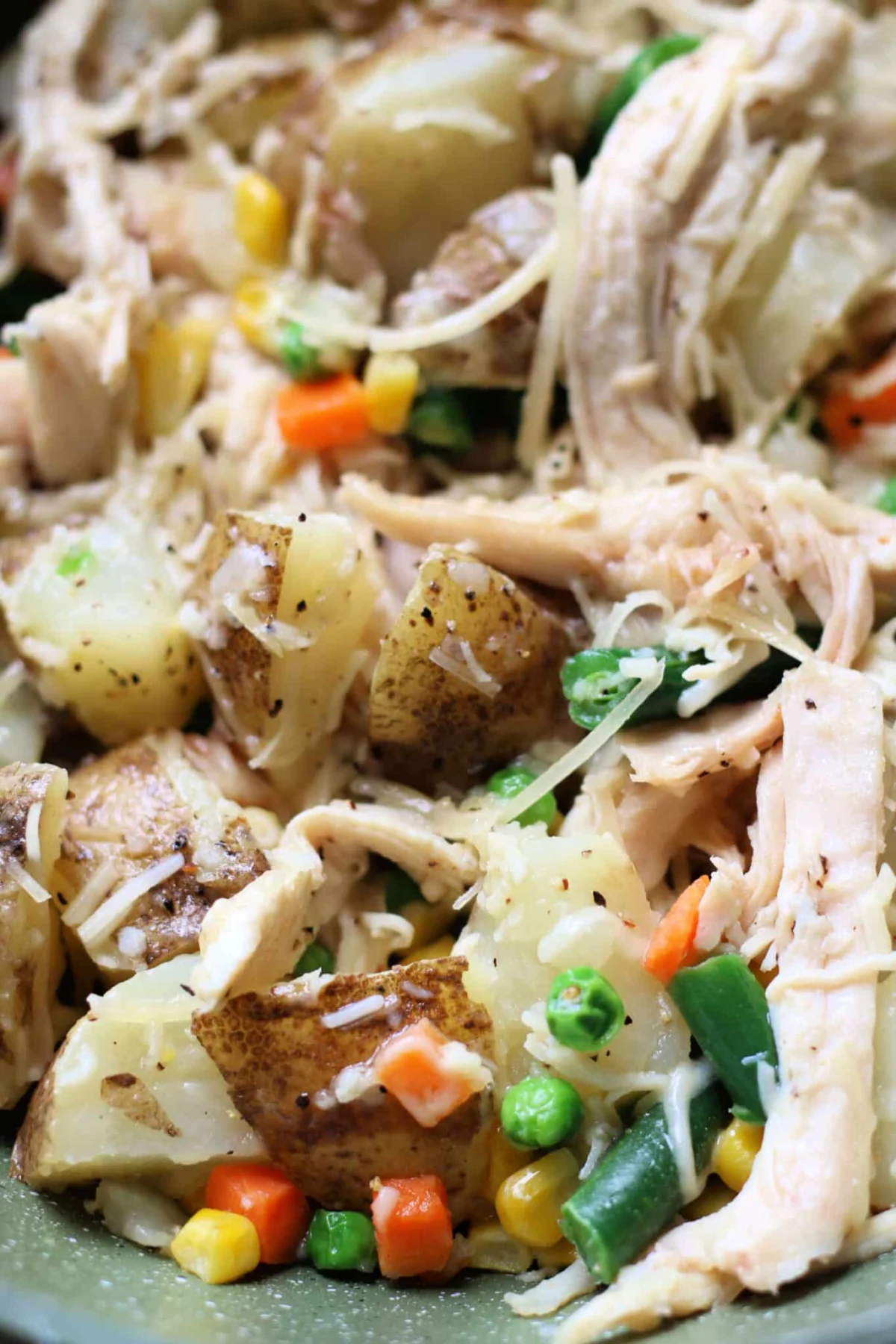
The culinary landscape of the mid-2020s has been increasingly defined by a shift toward high-efficiency, low-cost meal preparation, a trend exemplified by the emergence of the Poor Dude Husband Casserole. This dish, characterized by its use of accessible staples such as rotisserie chicken, pre-cooked potatoes, and frozen vegetables, represents a broader movement in American home cooking that prioritizes fiscal responsibility without sacrificing nutritional density or flavor. As inflationary pressures continue to impact grocery budgets across the United States, the strategic use of "loss-leader" items and shelf-stable or frozen components has moved from a niche survival tactic to a mainstream domestic strategy.
The Composition and Preparation Workflow
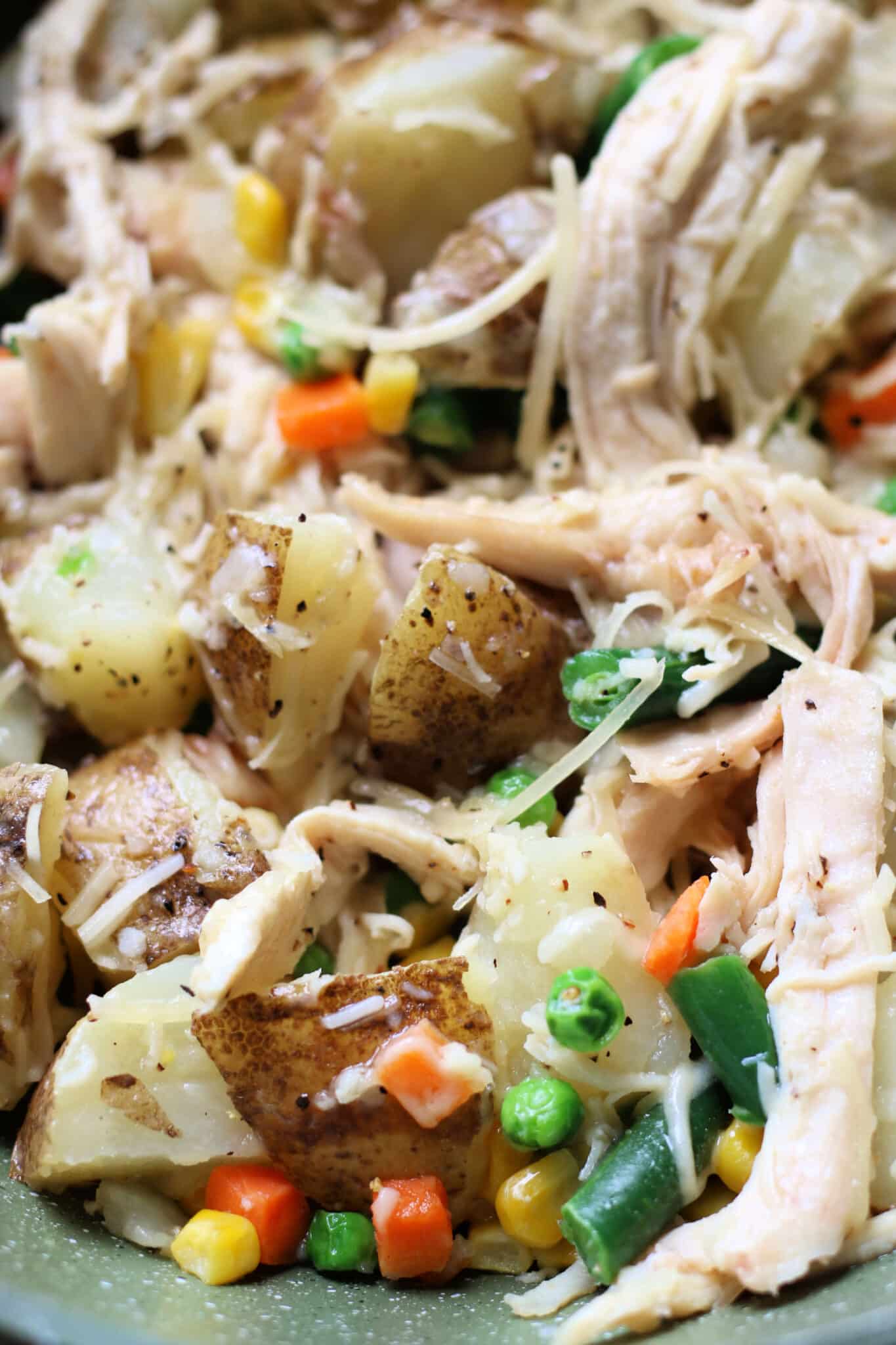
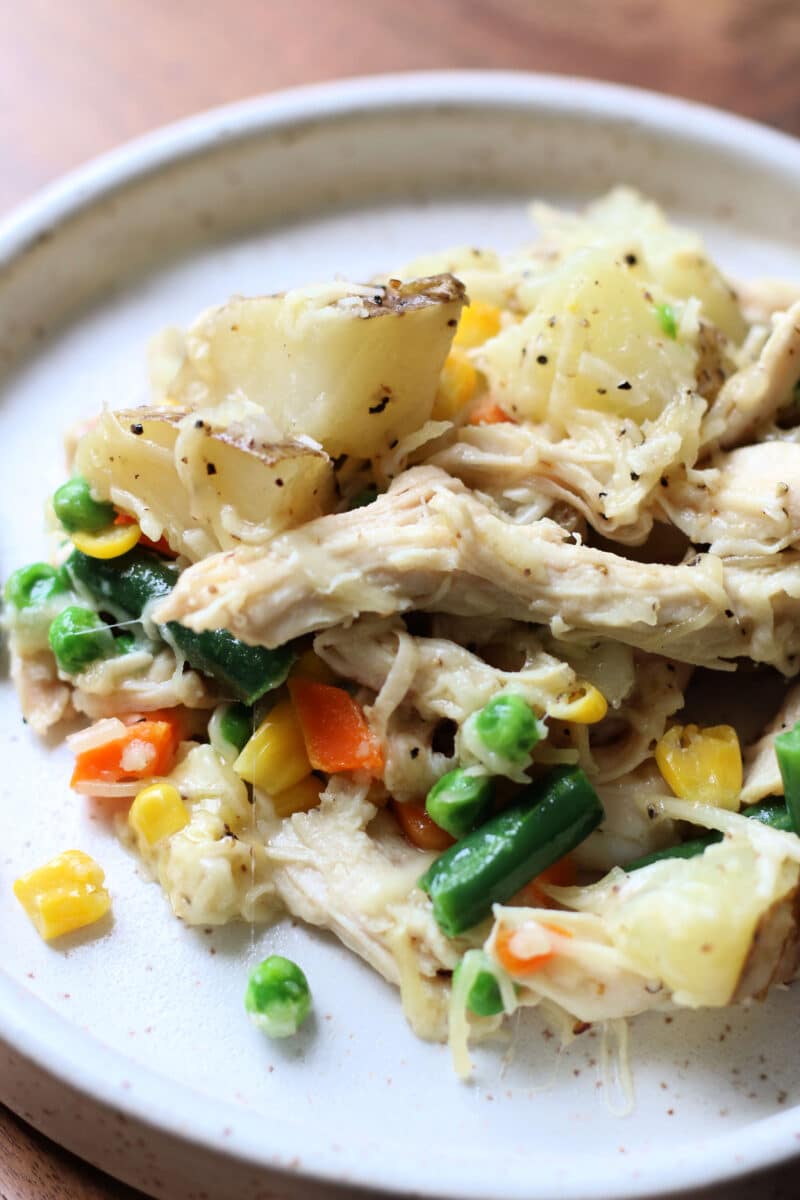
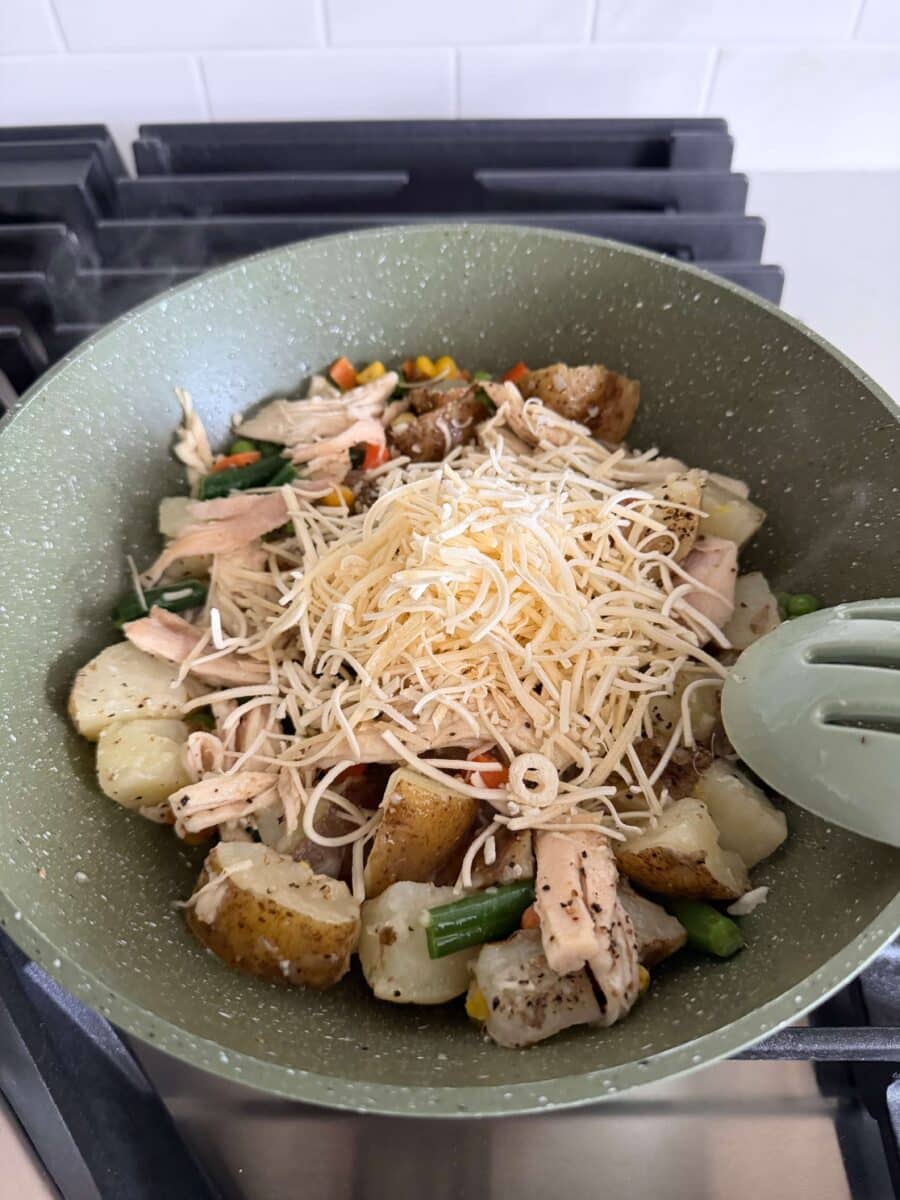
The Poor Dude Husband Casserole is fundamentally a skillet-based assembly meal designed to be completed within a 20-minute window. Unlike traditional casseroles that require extensive oven time and multiple stages of preparation, this iteration utilizes residual heat and high-surface-area contact to achieve its texture. The primary ingredients—cubed leftover baked potatoes, shredded rotisserie chicken, and frozen mixed vegetables—are unified by a base of melted butter and sautéed garlic, finished with a dusting of parmesan cheese.
The chronological workflow of the dish follows a precise sequence to ensure even heating and flavor distribution:
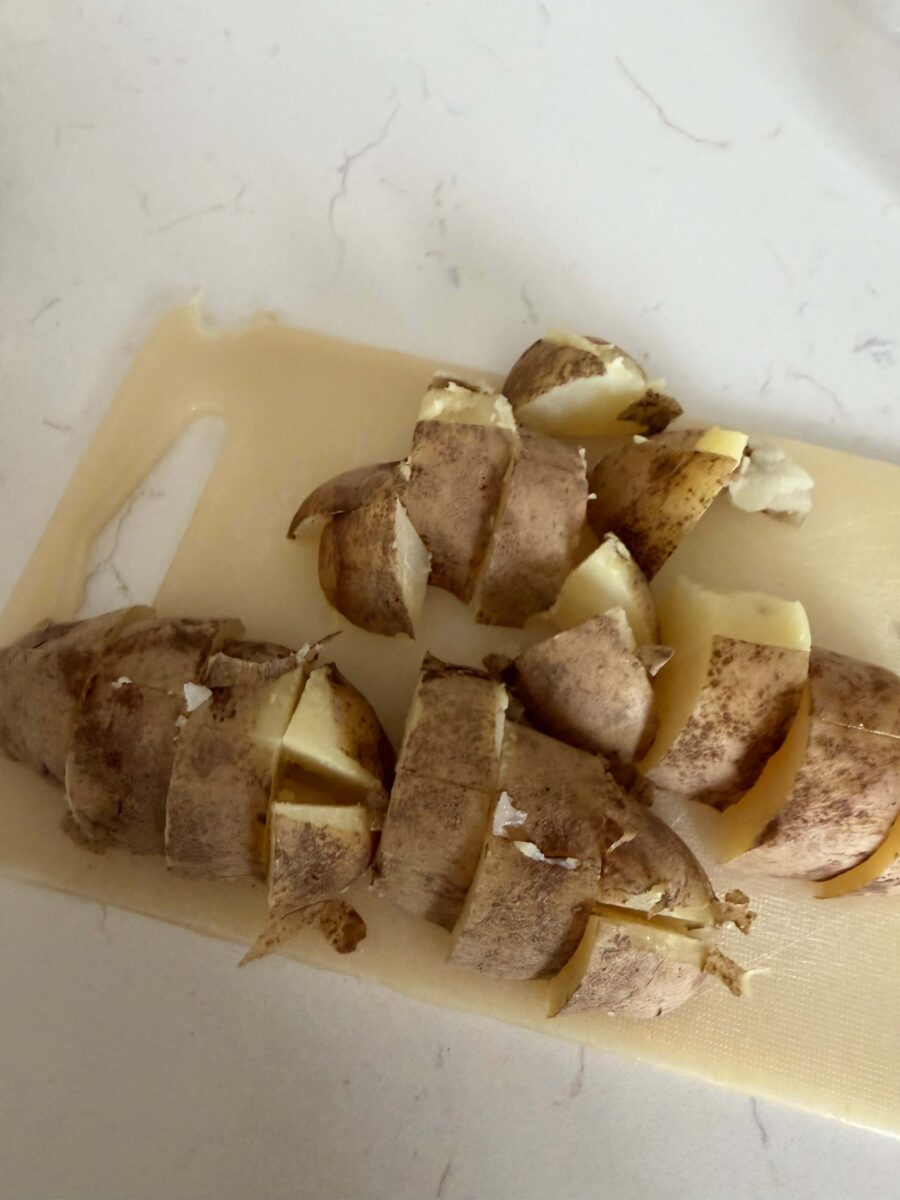
- Preparation of the Base: The process begins with the mechanical dicing of pre-cooked baked potatoes. By utilizing potatoes that have already undergone a primary cooking cycle, the chef eliminates the longest step of the traditional potato-cooking process, which can take upward of an hour in a standard oven.
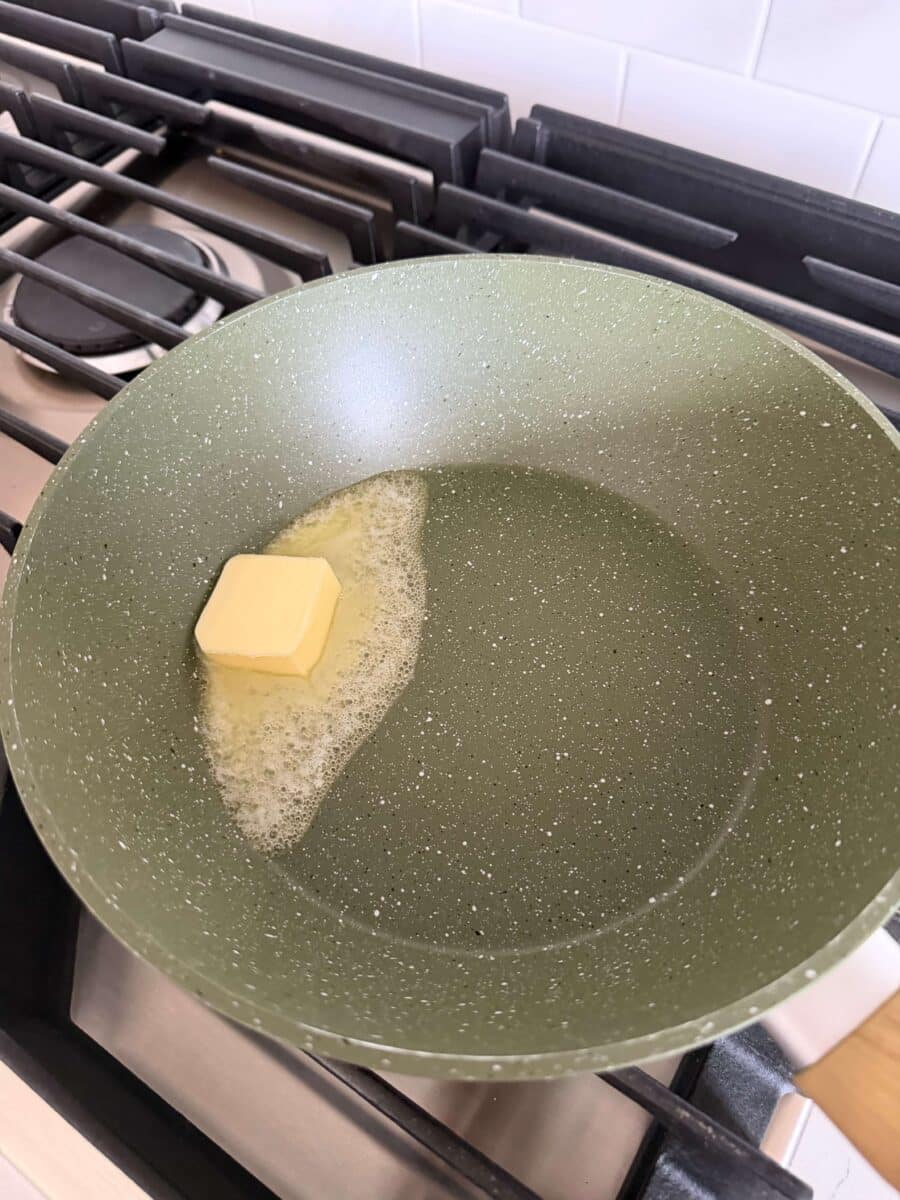
- Sautéing and Aromatics: A skillet is heated over a medium-high flame. Butter is introduced as the primary fat source, followed immediately by minced garlic. The brief 30-second sauté period is critical; it allows the garlic to release its essential oils into the butter without reaching the point of carbonization, which would introduce bitterness to the final profile.
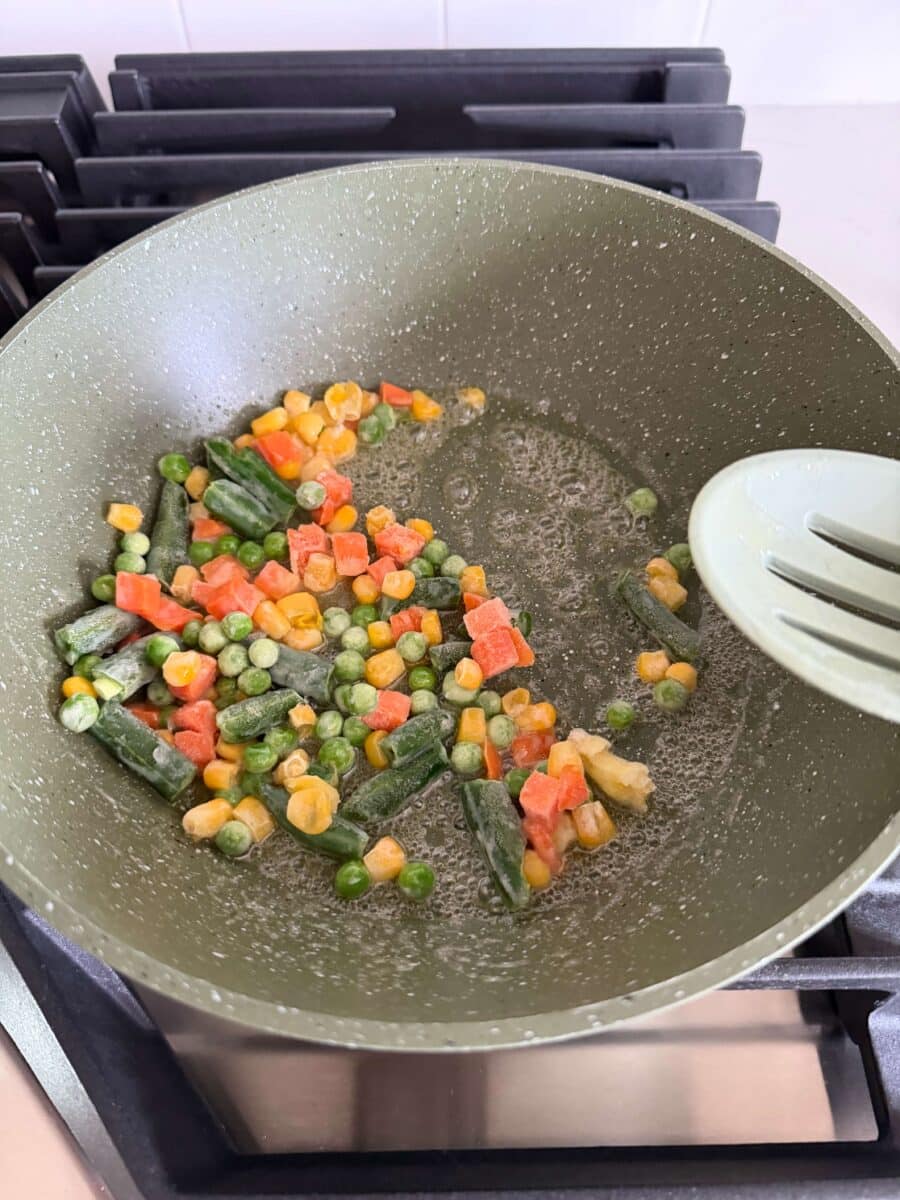
- Thermal Integration of Vegetables: Frozen mixed vegetables are added directly to the garlic butter. This stage serves two purposes: it thaws the vegetables and allows the residual water from the ice crystals to steam the produce briefly, ensuring a tender-crisp texture.
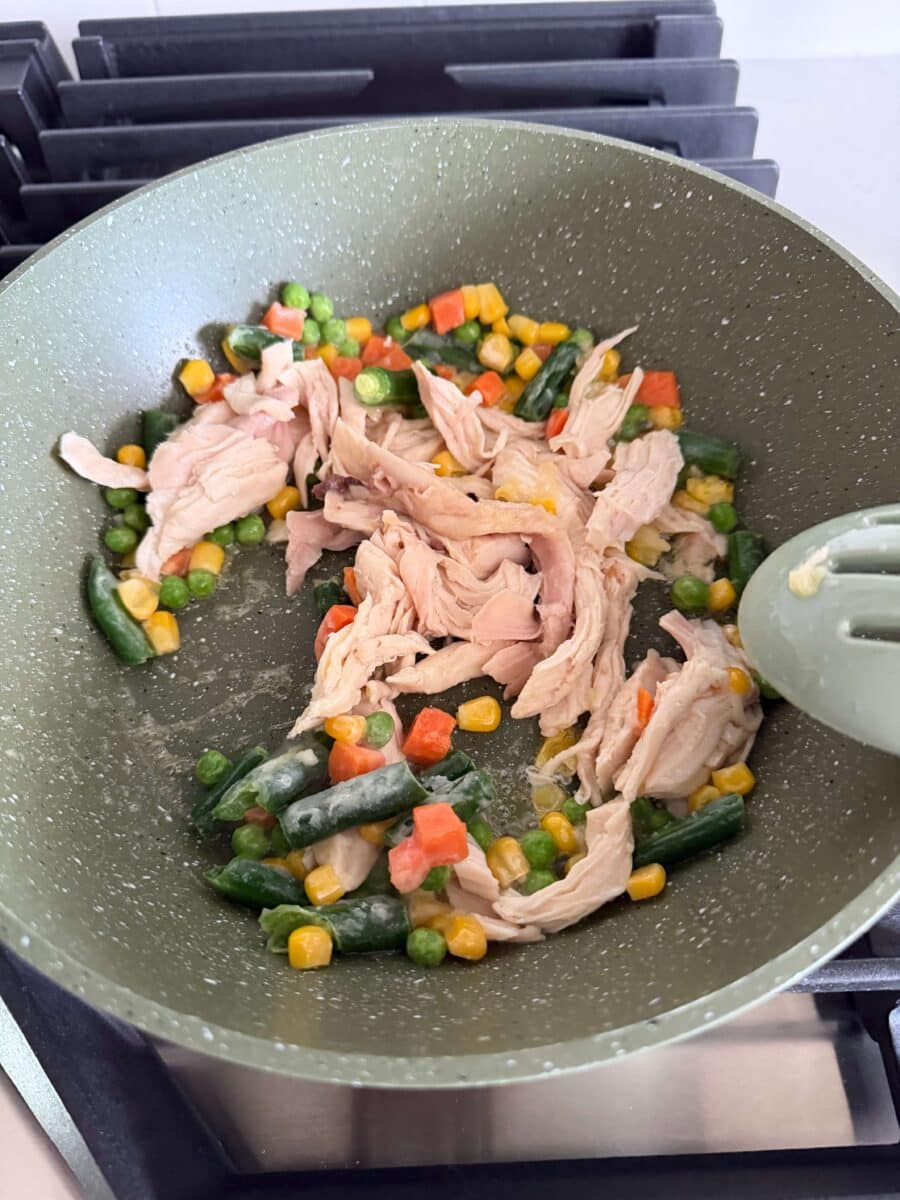
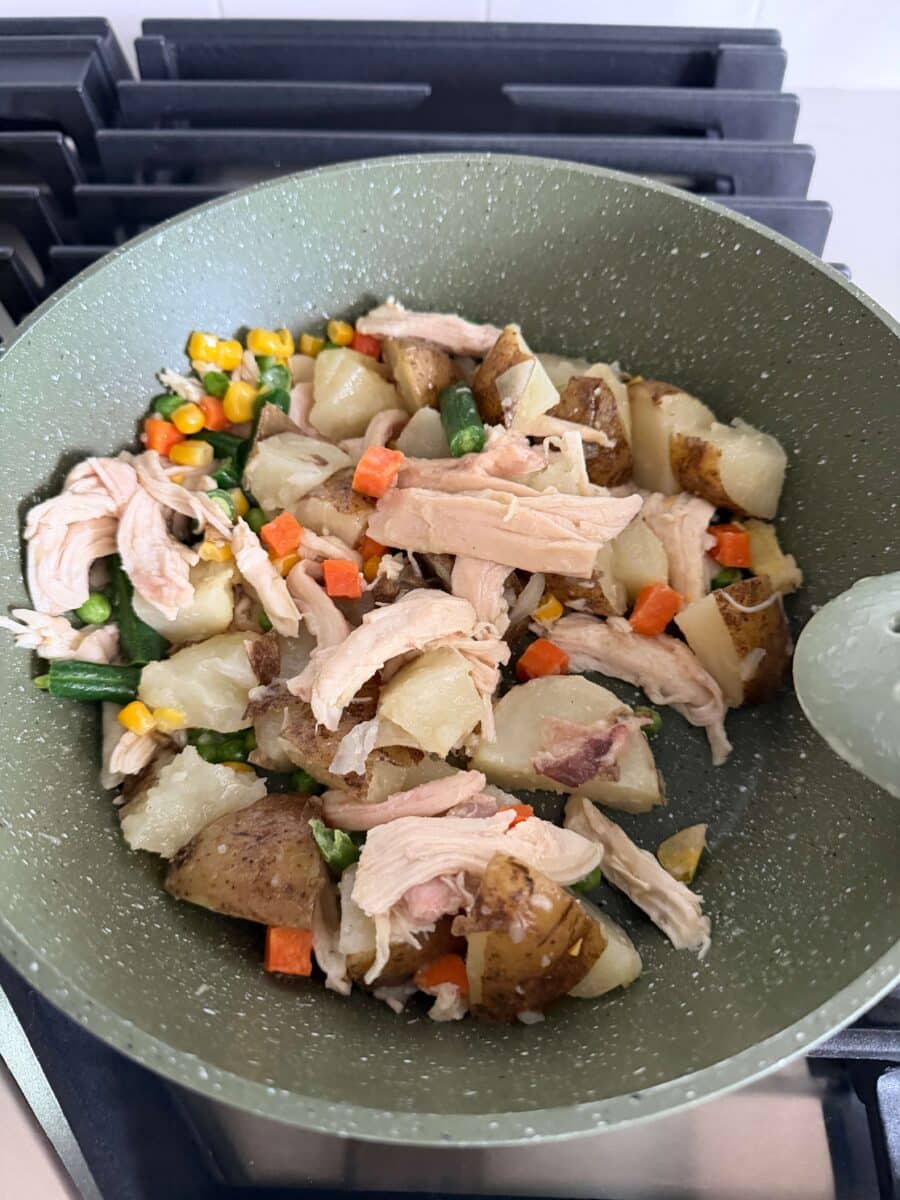
- Protein and Starch Incorporation: The rotisserie chicken and cubed potatoes are folded into the mixture. Because these components are technically fully cooked, this stage is focused on "rethermalization"—bringing the core temperature of the ingredients back to a palatable serving level (approximately 165°F for the chicken).
- Flavor Standardization: Salt and pepper are added to taste, followed by the addition of parmesan cheese. The cheese acts as a binding agent, providing a salty, umami-rich coating that adheres to the surfaces of the chicken and potatoes.
Economic Context and Market Data
The rise of the Poor Dude Husband Casserole is inextricably linked to the current economic climate. According to the United States Department of Agriculture (USDA) Economic Research Service, food-at-home prices saw significant volatility between 2022 and 2024. In this environment, the ingredients of this casserole represent some of the most stable price points in the retail market.
The rotisserie chicken, often cited as a "loss leader" for major retailers like Costco and Walmart, has remained a consistent bargain. For approximately $4.99 to $7.99, a consumer can obtain a whole cooked bird that provides roughly 12 to 16 ounces of usable lean protein. When compared to the per-pound price of raw chicken breast, which can fluctuate significantly based on supply chain disruptions, the rotisserie chicken offers a predictable and labor-saving alternative.
Potatoes, similarly, remain one of the most cost-effective sources of carbohydrates. Data from the Bureau of Labor Statistics (BLS) indicates that white potatoes consistently offer one of the lowest price-per-calorie ratios in the produce aisle. Furthermore, the use of frozen vegetables addresses the issue of food waste. The American Journal of Agricultural Economics has noted that the average American household wastes nearly 30% of fresh produce purchased; frozen vegetables, which are flash-frozen at the peak of ripeness, allow for precise portion control and a shelf life of several months, effectively lowering the "true cost" of the meal.
Nutritional and Dietary Analysis
From a nutritional standpoint, the Poor Dude Husband Casserole provides a balanced profile of macronutrients. The chicken serves as a source of high-quality protein, essential for muscle maintenance and satiety. The potatoes provide complex carbohydrates and are a significant source of potassium and Vitamin C, particularly if the skins are retained during the dicing process.
Dietitians often point to the "frozen vegetable" component as a win for public health. Research published in the Journal of Food Composition and Analysis suggests that frozen vegetables are often nutritionally equivalent, and in some cases superior, to "fresh" produce that has spent days in transport and on supermarket shelves. The inclusion of a mixed vegetable bag typically introduces fiber, Vitamin A, and folate into the dish.
However, analysts also note the importance of sodium management in such recipes. Rotisserie chickens and parmesan cheese are inherently high in sodium. For consumers monitoring cardiovascular health, experts recommend using unsalted butter and carefully controlling the additional salt added during the final steps of preparation.
Expert Perspectives and Culinary Reactions
Industry experts view the Poor Dude Husband Casserole as part of a "new pragmatism" in home cooking. "We are seeing a move away from aspirational, labor-intensive recipes toward what we call ‘functional’ cooking," says Marcus Thorne, a food industry consultant. "The name itself—’Poor Dude Husband Casserole’—strips away the pretension of gourmet cooking and speaks directly to the utility of the meal. It is about feeding a family quickly and cheaply."
Sociologists who study food habits suggest that the "husband" designation in the title reflects a shift in domestic roles. As more households move toward dual-income structures, the "easy" or "fail-proof" meal becomes a tool for the partner who may not be the primary cook but is responsible for dinner on a weeknight. The simplicity of the assembly ensures a high success rate, which encourages continued participation in home food preparation.
Broader Impact and Market Implications
The popularity of assembly-style casseroles is driving changes in the grocery industry. Retailers are reporting increased sales in "shortcut" ingredients. This has led to a proliferation of pre-diced vegetables, pre-shredded cheeses, and an expansion of the deli section’s "grab-and-go" protein offerings.
Furthermore, the digital footprint of such recipes is significant. On platforms like Pinterest and TikTok, budget-friendly "dump meals" or "skillet assemblies" garner millions of views, creating a feedback loop where consumer demand for low-cost recipes drives content creators to simplify traditional dishes even further.
The Poor Dude Husband Casserole also highlights the importance of the "leftover economy." By specifically calling for leftover baked potatoes, the recipe encourages a "cook once, eat twice" philosophy. This approach is a cornerstone of sustainable living, reducing the energy consumption associated with daily cooking and minimizing the organic waste sent to landfills.
Chronology of Modern Casserole Evolution
To understand the place of this dish in history, one must look at the timeline of the American casserole:
- 1930s: Casseroles become a staple of the Great Depression, used to stretch expensive proteins with fillers like rice or noodles.
- 1950s: The "Golden Age" of casseroles, driven by the invention of condensed soups (e.g., cream of mushroom), which acted as a convenient binder.
- 1980s-1990s: A shift toward "healthy" casseroles, incorporating more fresh vegetables and whole grains.
- 2020s: The emergence of the "Skillet Casserole" or "Assembly Meal," which moves away from the oven entirely to save time and energy, focusing on pre-processed or "loss-leader" components.
Conclusion
The Poor Dude Husband Casserole is more than a simple recipe; it is a culinary artifact of the current economic era. It reflects the intersection of necessity, convenience, and modern nutritional understanding. By leveraging the efficiency of the rotisserie chicken and the affordability of the potato, it provides a blueprint for sustainable, low-cost domestic life. As grocery prices remain a central concern for the average household, the reliance on such "functional" meals is expected to grow, further cementing the role of the assembly skillet meal in the American gastronomic tradition. The dish proves that even with limited time and a restricted budget, it is possible to produce a meal that meets the demands of flavor, nutrition, and satiety.
