
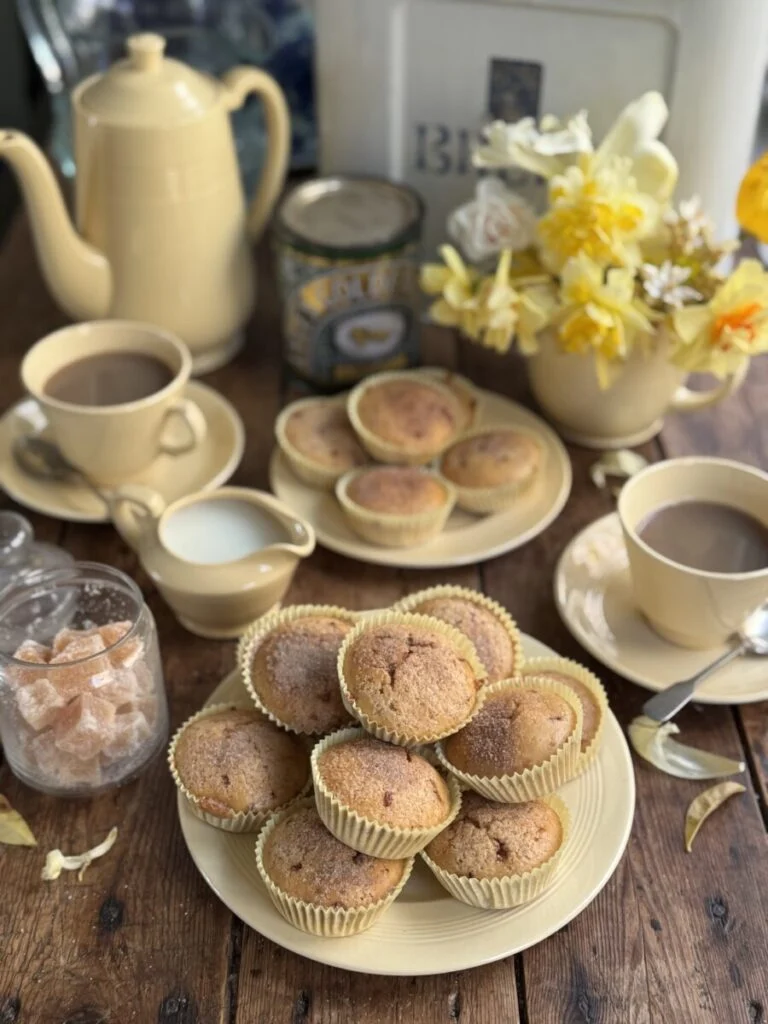
A century-old recipe for Afternoon Tea Cakes featuring Lyle’s Golden Syrup has been brought back into the culinary spotlight, offering a nostalgic taste of Edwardian-era baking. Published on April 25, 2026, by acclaimed food writer Karen Burns-Booth on her platform, Lavender and Lovage, this particular recipe originates from a vintage Lyle’s Golden Syrup booklet, marking its centennial anniversary since its initial conception. The reintroduction highlights a growing trend in appreciating historical culinary practices and the enduring appeal of classic British tea-time treats.

The revival of such a recipe is more than just a culinary exercise; it represents a tangible connection to the past, allowing modern bakers to engage with the techniques and ingredients that defined home baking a century ago. The specific mention of Lyle’s Golden Syrup is significant, as the brand itself boasts a rich history, with its iconic green and gold tin and the dead lion logo dating back to 1883, earning it a Guinness World Record for the world’s oldest brand packaging. This heritage sweetener, a partially inverted refined sugar syrup, is a staple in British kitchens, renowned for its distinctive buttery caramel flavour and golden hue, which imparts a unique moistness and depth to baked goods that granulated sugar cannot replicate. Its inclusion in a 100-year-old recipe underscores its long-standing presence and integral role in traditional British baking.
A Glimpse into Edwardian Culinary Heritage

The period from which this recipe hails, roughly 1926, was a time of evolving culinary landscapes. While the Edwardian era technically ended in 1910, its culinary influences, characterized by elegant afternoon teas and dainty baked goods, continued well into the 1920s. Post-World War I, there was a renewed appreciation for simple pleasures and comforting domestic routines, with home baking playing a central role in family life. Recipe booklets, often distributed by ingredient manufacturers like Lyle’s Golden Syrup, were popular resources, providing accessible instructions for homemakers to create delightful treats. These booklets served as invaluable repositories of culinary knowledge, reflecting the ingredients available, popular tastes, and baking techniques of the era.
Karen Burns-Booth’s discovery and faithful reproduction of this particular recipe offer a direct portal to this past. The cakes, affectionately referred to as "buns" by her late father, are individual portions, perfectly suited for the social ritual of afternoon tea. The original recipe’s blend of golden syrup with crystallised ginger speaks to the flavour preferences of the time, where exotic spices were increasingly accessible and valued for their warming, aromatic qualities. Crystallised ginger, with its sweet heat, would have provided a sophisticated counterpoint to the rich sweetness of the golden syrup.

The Enduring Allure of Afternoon Tea
Afternoon tea itself emerged as a distinct social occasion in the mid-19th century, attributed to Anna, the 7th Duchess of Bedford. Over time, it evolved from a simple snack to ward off hunger between lunch and dinner into an elaborate social event, complete with specific etiquette and an array of sweet and savoury delicacies. Small cakes, or "fairy cakes" as they are often termed in Britain, were, and remain, an indispensable component of any traditional afternoon tea spread. Their dainty size makes them easy to handle, elegant to serve, and conducive to sampling a variety of treats.

The re-emergence of this recipe in 2026 is timely, aligning with a broader cultural resurgence of interest in traditional British customs and comfort food. Culinary historians note that periods of rapid technological advancement or societal change often lead to a renewed appreciation for the familiar and the nostalgic. "There’s a deep comfort in recreating recipes that have stood the test of time," comments Dr. Eleanor Vance, a specialist in food history. "These cakes aren’t just food; they’re edible history, connecting us to generations past through shared tastes and traditions." This sentiment is echoed by baking enthusiasts who increasingly seek out "authentic" vintage recipes, preferring their simplicity and robust flavours over more contemporary, complex creations.
Recipe Analysis and Modern Adaptations

The core of the recipe involves golden syrup and crystallised ginger, creating a flavour profile that is both sweet and subtly spicy. Burns-Booth notes the versatility of the recipe, suggesting that for children or those who may not appreciate ginger, raisins or currants can be substituted. This adaptability speaks to the practical nature of vintage recipes, which were often designed to be flexible based on available ingredients or dietary preferences within a household. The cakes are baked in a small cake tin or patty tin, using paper fairy cake cases, ensuring their characteristic individual portion size and delicate appearance. This method ensures consistent baking and makes them ideal for sharing or storing.
The ease of preparation and their suitability for "tiny hands" and "grown-ups" alike underscores their universal appeal. Two cakes are deemed "perfect for the grown-ups, especially with a cup of tea or coffee," emphasizing their role as a simple, satisfying accompaniment to a hot beverage—a quintessential British pairing. The recipe’s practical attributes extend to storage, with the cakes freezing well and retaining their freshness in a cake tin for "3 or 4 days." This longevity, a desirable trait in any baked good, further contributes to their practicality for home bakers.

Nutritional Information and Baking Notes:
The provided nutritional breakdown for one serving (out of 18 cakes) is as follows:

- Calories: 75
- Total Fat: 3g
- Saturated Fat: 1g
- Unsaturated Fat: 2g
- Sodium: 38mg
- Carbohydrates: 12g
- Fiber: 0g
- Sugar: 3g
- Protein: 1g
These figures suggest a relatively light treat, especially when compared to modern, more elaborate desserts, reinforcing their role as a "dainty" component of afternoon tea rather than a heavy indulgence.
Burns-Booth also includes several helpful "Baking Notes" for contemporary cooks:

- Self-raising flour can be used as a convenient alternative to plain flour and baking powder.
- The aforementioned substitution of currants or raisins for ginger.
- The recipe yields approximately 18 small cakes when using small fairy cake paper cases.
- A suggestion to use cinnamon sugar for the topping before baking, an addition that enhances the aromatic profile and adds a textural element.
- Metric measurements are provided for precision: 170g flour, 60g margarine or butter, 30g sugar, and 60g (or 4 tablespoons) golden syrup.
These notes bridge the gap between a vintage recipe and modern kitchen practices, making it accessible to a wider audience, irrespective of their familiarity with older baking conventions.
Presentation and Broader Implications

Beyond the ingredients and instructions, Burns-Booth emphasizes the aesthetic experience of serving these cakes. Her description of presenting them on "pretty vintage Woodsware Jasmine china" alongside "spring flowers from our cottage garden" evokes a sense of idyllic domesticity and curated elegance. This attention to presentation reflects the broader trend of food as an experience, where the visual and atmospheric elements are as important as the taste. It speaks to the desire for a holistic culinary journey, one that engages all senses and offers a moment of tranquility and beauty.
The publication of this 100-year-old recipe by Karen Burns-Booth on Lavender and Lovage serves as a testament to the enduring power of food to connect generations and preserve cultural heritage. It underscores the value of vintage cookbooks and recipe booklets as historical documents, offering insights into past lifestyles and culinary traditions. Furthermore, it taps into the current zeitgeist of home baking, where simplicity, authenticity, and a touch of nostalgia are highly prized.

Representatives from Tate & Lyle Sugars, the current producers of Lyle’s Golden Syrup, expressed enthusiasm for the renewed interest in vintage recipes featuring their product. A spokesperson stated, "Lyle’s Golden Syrup has been a beloved ingredient in British homes for over a century. Seeing a 100-year-old recipe brought back to life is a wonderful affirmation of our product’s timeless appeal and its central role in British culinary history. We encourage everyone to explore the rich heritage of baking with golden syrup."
The implications of such culinary revivals extend beyond the kitchen. They foster a sense of cultural continuity, encourage intergenerational sharing of skills and stories, and promote sustainable practices by valuing traditional, often simpler, ingredient lists. In an era of rapid culinary innovation, these vintage recipes offer a comforting anchor, reminding us of the foundational elements of good food and the simple joy of a home-baked treat shared over a cup of tea. Karen Burns-Booth’s contribution ensures that this delightful piece of culinary history will continue to be enjoyed for many years to come, bridging the past and present one fairy cake at a time.
