
The Seasonal Shift: A Culinary and Cultural Phenomenon

The changing seasons profoundly influence human behaviour, including our eating habits. Historically, culinary traditions were intrinsically linked to the availability of local produce. In regions experiencing diverse climates, the heavy, calorie-dense meals characteristic of winter – designed to provide warmth and sustained energy during periods of scarcity and cold – naturally give way to lighter, fresher preparations as temperatures rise. This shift is not merely a matter of preference but is deeply rooted in physiological needs and the agricultural calendar. With longer daylight hours and increased outdoor activity, the body’s energy requirements and desire for hydration influence food choices, making lighter, more refreshing options appealing. Modern food supply chains have somewhat decoupled us from strict seasonal eating, yet the cultural inclination to "eat with the seasons" persists, driven by both tradition and a growing appreciation for freshness, flavour, and nutritional value. This guide delves into key strategies for adapting menus to harness the benefits of spring and summer, from embracing vibrant salads to exploring innovative cooking methods.
Embracing the Abundance of Salad Season

The arrival of sunnier days and rising temperatures invariably triggers a switch in consumer shopping habits and meal planning, marking the unofficial commencement of "salad season." Spring and summer are synonymous with light, fresh, and highly nutritious meals, with salads standing out as a versatile and indispensable category. Far from being a mere side dish, salads offer a spectrum of possibilities, catering to diverse palates and occasions. They can be elegantly sophisticated for a dinner party or casually simple for a quick weeknight meal, often requiring minimal preparation time while delivering a concentrated dose of essential nutrients.
The perception that salads must be monotonous or restrictive is increasingly outdated. Contemporary culinary trends emphasize creativity and diversity, transforming salads into dynamic main courses. The scope for ingredient inclusion is virtually limitless, extending far beyond traditional lettuce and tomato. Adventurous cooks can incorporate a wide array of components, from succulent grilled meats and flaky fish to exotic fruits, robust vegetables, artisanal cheeses, and nutrient-dense grains. For instance, a classic Caesar salad can be elevated with grilled salmon or chicken, while a Mediterranean-inspired salad might feature crumbled feta, Kalamata olives, and sun-dried tomatoes. Global culinary influences have also expanded the salad repertoire, introducing ingredients like quinoa, farro, edamame, and various nuts and seeds, which add texture, flavour, and significant nutritional benefits, including fibre, protein, and healthy fats.

To prevent monotony, experimentation with different combinations of ingredients is encouraged. The judicious application of dressings and sauces can dramatically alter a salad’s profile, ranging from zesty vinaigrettes made with fresh herbs and citrus to creamy, indulgent options. Furthermore, incorporating heartier elements like brown pasta, wild rice, or quinoa can transform a light starter into a substantial and satisfying meal, providing sustained energy. The accessibility of inspiration is also unprecedented; countless recipes are available online, through culinary television programmes, social media feeds, and specialized cookbooks. Dining out offers another avenue for inspiration, allowing individuals to recreate memorable restaurant salads in their home kitchens, fostering a cycle of culinary exploration and refinement.
The Nutritional Power of Lean Proteins and Seafood

In colder months, there is a natural gravitation towards rich, hearty dishes that often feature bold, meaty flavours, such as stews, robust soups, casseroles, and curries. These "comfort foods" provide a sense of warmth and satiety. However, as warmer weather arrives, there is a discernible shift towards lighter meals. This transition, however, should not entail compromising on the intake of protein-rich staples, which are crucial for muscle repair, satiety, and overall bodily function.
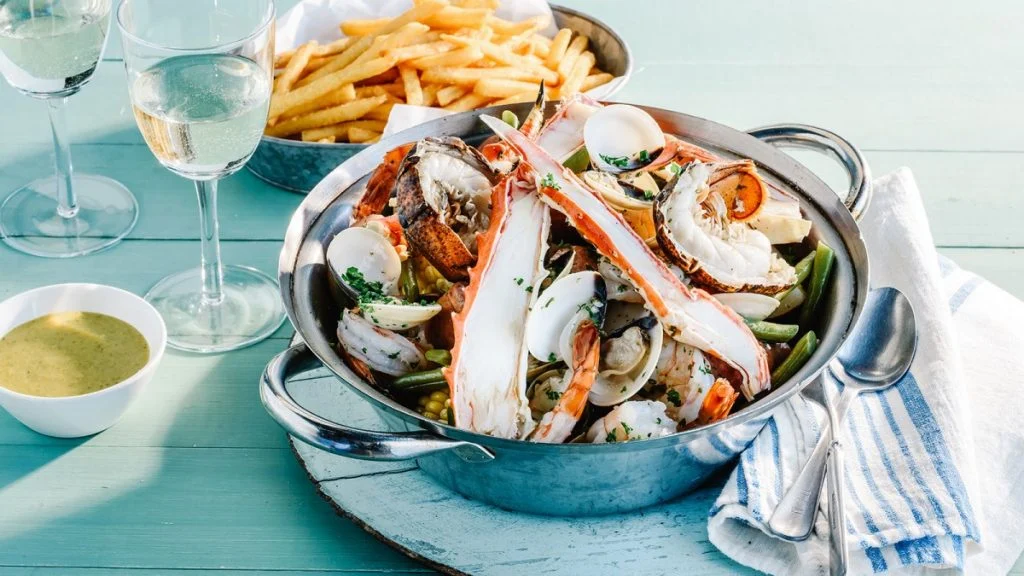
Spring and summer present an ideal opportunity to integrate a variety of lean protein sources into the diet. Seafood, in particular, becomes a highlight due to its light texture, quick cooking time, and often refreshing flavour profile. Delicacies such as snow crab legs, served simply with drawn garlic butter or a vibrant aioli, make for an exquisite appetizer. The delicate meat can also be incorporated into summery risottos or pasta dishes, offering a sophisticated main course. White fish varieties like cod, haddock, or sea bass can form the foundation of lighter, spring-themed curries or be grilled and served with fresh salsa. Prawns are another versatile option, suitable for both starters, such as a chilled prawn cocktail, and mains, like a vibrant prawn stir-fry or skewers.

Beyond seafood, poultry options like chicken and turkey are excellent substitutes for heavier meats like beef or lamb in dishes such as stir-fries, lighter stews, or grilled skewers. Their lean nature makes them perfect for warmer weather meals. Furthermore, plant-based proteins are increasingly popular and highly nutritious. Legumes, including chickpeas, lentils, and various beans, are invaluable additions to salads, vegetable-based side dishes, and even vegetarian burgers. They provide essential fibre, protein, and a host of micronutrients, contributing to a well-rounded and sustainable diet. The emphasis on lean proteins and diverse sources ensures that nutritional needs are met without the heavy feeling associated with winter fare, aligning perfectly with an active, warm-weather lifestyle.
"Taste the Rainbow": Maximizing Fruit and Vegetable Intake

Summer is unequivocally the prime season for culinary creativity, especially when navigating the fruit and vegetable aisles. While achieving the recommended "five-a-day" target can sometimes feel challenging during other seasons, the abundance and variety of produce available in warmer months make this task considerably easier. Market shelves burst with an array of vibrant ingredients, and numerous dishes naturally lend themselves to increased fruit and vegetable incorporation. From enriching a morning bowl of natural yoghurt with fresh berries to complementing a perfectly cooked fillet of fish with a colourful vegetable medley, opportunities to boost daily intake are plentiful.
A simple yet effective strategy for increasing nutrient intake is to choose a wide range of colours in fruits and vegetables. Each colour often signifies the presence of different beneficial compounds, such as antioxidants, vitamins, and minerals. For example, red produce like strawberries and tomatoes are rich in lycopene and anthocyanins, while leafy greens provide vitamins K and folate. When planning meals or selecting recipes, deliberately aiming for a diverse palette ensures a broader spectrum of nutrients. Popular spring and summer selections include the sweet tang of strawberries and raspberries, the hydrating properties of watermelon, the vitamin C boost from kiwis, and the succulent sweetness of peaches, nectarines, and cherries. On the vegetable front, bell peppers, sweet potatoes, ripe tomatoes, crisp lettuce, versatile courgettes, new potatoes, aubergines, and sweetcorn are all at their peak, offering exceptional flavour and nutritional value.

There are various practical methods to enhance fruit and vegetable consumption throughout the day. Eating a piece of whole fruit serves as a convenient and healthy snack. Integrating fruits into breakfast cereals, yoghurts, or overnight oats adds natural sweetness and fibre. Homemade smoothies and fresh juices are excellent ways to pack multiple servings of fruits and vegetables into a single, refreshing drink. Ensuring that lunch and dinner include a generous salad or a portion of steamed or roasted vegetables is fundamental. Even desserts can be health-conscious; Greek yoghurt layered with mixed berries and a drizzle of local honey provides a quick, easy, and flavourful pudding that delivers significant nutritional benefits without excessive sugars or fats. This "taste the rainbow" approach transforms eating into a vibrant, health-promoting experience.
Transforming Culinary Techniques: The Art of Grilling and Al Fresco Dining

The first glimpses of sunshine often ignite a collective enthusiasm for barbecue season, a quintessential aspect of warmer weather living. This shift in weather patterns naturally encourages dining outdoors, embracing "al fresco" living, and making the most of longer, hazier days and balmy evenings. Beyond the social appeal, altering cooking methods is an excellent way to adapt to the season and, notably, to create healthier dishes. Grilling, for instance, imparts a distinctive smoky flavour and appealing char, but it also offers a health-conscious cooking method by allowing fats to drip away, thereby reducing overall calorie and saturated fat intake compared to frying or roasting with excessive oils.
While barbecues are often associated with classic fare like juicy sausages and robust burgers, the outdoor grill is a remarkably versatile cooking apparatus capable of preparing a vast array of foods. This versatility makes it inclusive for various dietary preferences, whether one is vegetarian, seeking lighter bites, or aiming to incorporate more vegetables or diverse protein sources into their diet. The possibilities are extensive and exciting.

For vegetarians, halloumi kebabs threaded with colourful bell peppers, onions, courgettes, and mushrooms offer a delightful combination of textures and flavours. Plant-based proteins like firm tofu or tempeh can also be marinated and grilled to perfection. For meat and fish eaters, chicken, salmon, or prawn skewers are popular choices, often marinated in light, zesty sauces to enhance their natural flavours. Beyond skewers, whole grilled aubergine halves, brushed with olive oil and herbs, develop a rich, smoky depth, while charred corn on the cob, seasoned with a sprinkle of chili and lime, becomes an irresistible side dish. Even fruits, such as pineapple or peaches, can be grilled to caramelize their natural sugars, making for a unique dessert or a sweet accompaniment to savoury dishes. Embracing grilling and other light cooking methods like steaming or baking, rather than heavy frying, aligns with the desire for lighter meals and enhances the overall dining experience during the warmer months.
The Broader Implications: Health, Economy, and Sustainability

The transition in dietary habits driven by seasonal changes extends beyond individual plates, carrying significant implications for public health, local economies, and environmental sustainability. From a health perspective, prioritizing fresh, seasonal produce naturally leads to an increased intake of vitamins, minerals, and antioxidants, which are crucial for boosting immunity, improving digestion, and reducing the risk of chronic diseases. The emphasis on lighter cooking methods, lean proteins, and a diverse range of fruits and vegetables aligns closely with recommendations for a balanced, heart-healthy diet, such as the Mediterranean diet, which has consistently been linked to improved longevity and well-being.
Economically, the conscious choice to embrace seasonal eating supports local agriculture and strengthens community food systems. Purchasing produce that is in season, often from farmers’ markets or local vendors, reduces transportation costs and carbon footprints, while also ensuring that consumers receive food at its peak freshness and flavour, often at a more competitive price point. This practice fosters a direct connection between consumers and producers, contributing to the vitality of rural economies and preserving agricultural heritage.

Environmentally, seasonal and local eating significantly reduces the ecological impact of food consumption. Minimizing the need for long-distance transportation, cold storage, and artificial ripening processes translates into lower greenhouse gas emissions and a more sustainable food chain. Furthermore, supporting diverse crop rotations, which are often practiced by local farmers, contributes to soil health and biodiversity, contrasting with the monoculture practices prevalent in industrial agriculture.
In conclusion, the natural progression of seasons dictates a welcome shift in our diets. While autumn and winter invite hearty, comforting fare, spring and summer present golden opportunities to indulge in fresh, vibrant, and light meals that celebrate delicious, highly nutritious ingredients. To put a true "spring in your step" and elevate your culinary experience this summer, embracing these simple yet impactful strategies can yield profound benefits. As temperatures rise and days lengthen, wholeheartedly embrace the abundant salad season, strategically boost your protein intake with lean meats, diverse seafood, and robust legumes, commit to savouring a wide and colourful array of fruits and vegetables, and fully capitalize on the joys of al fresco dining with an expanded repertoire of creative barbecue recipes. These adjustments not only tantalize the taste buds but also contribute to a healthier lifestyle, a thriving local economy, and a more sustainable planet.
