
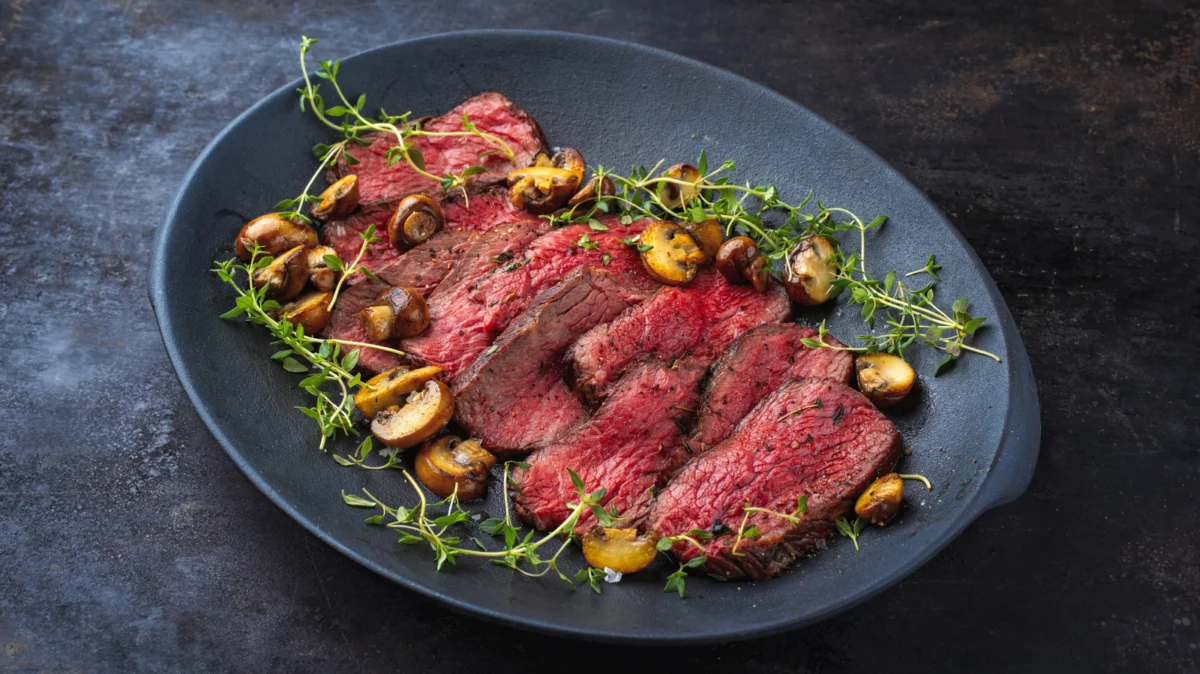
The quest for an exceptional steak experience often leads discerning diners to the renowned filet mignon. Prized for its unparalleled tenderness and lean profile, filet mignon has long been synonymous with culinary luxury and special occasion dining. However, a closely guarded secret within the world of butchery reveals a more accessible path to enjoying this coveted tenderness: the filet tail. This often-overlooked cut, found adjacent to the prime portion of the beef tenderloin, offers a remarkable similarity in texture and flavor at a significantly reduced price point, presenting a compelling opportunity for both home cooks and seasoned gourmands to elevate their dining without breaking the bank.
Unveiling the Filet Tail: A Culinary Underdog
The beef tenderloin, a long, cylindrical muscle running along the spine of the cow, is the source of the highly sought-after filet mignon. This particular muscle, known scientifically as the psoas major, plays a crucial role in the animal’s posture rather than locomotion. This relative inactivity throughout the cow’s life contributes to the muscle’s inherent tenderness, a quality that defines filet mignon. The tenderloin is typically divided into three sections: the center cut, which yields the thick, uniformly shaped filet mignon steaks; the butt tender, a thicker end that can also produce excellent steaks; and the tail, the tapered, narrower end of the muscle.
It is precisely this tail section that harbors the secret. While it may lack the characteristic roundness and substantial thickness of a center-cut filet mignon, the filet tail—also known by a variety of regional names including tenderloin tips, Texas tips, or Tennessee tails—boasts the same delicate, buttery texture and lean composition. This is because it is derived from the same muscle group, sharing its inherent tenderness. The primary difference lies in its shape and size, which historically led to its classification as a less visually appealing cut for traditional steak presentations.
The Economic Advantage: Premium Tenderness at a Fraction of the Price
The economic appeal of the filet tail is undeniable. In the intricate pricing structure of premium beef cuts, the filet mignon commands a high price due to its desirability and the precision required for its butchery. The filet tail, often relegated to a "byproduct" status, is typically priced considerably lower. Reports from various butcher shops and online retailers indicate that filet tails can be found at prices ranging from half to one-third the cost per pound of prime filet mignon steaks of comparable USDA grade.
This significant price difference can be attributed to several factors. Firstly, the visual appeal of the filet tail is less consistent than the center cut, which can deter some consumers who prioritize aesthetics. Secondly, the butchery process for the center cut involves more meticulous trimming and shaping, adding to its labor cost. Consequently, the filet tail represents an exceptional value proposition, allowing consumers to enjoy the luxurious mouthfeel of filet mignon without the premium price tag. For instance, a USDA Prime filet mignon might retail for $60-$80 per pound, while a USDA Prime filet tail from the same grade of beef could be available for $25-$40 per pound.
Historical Context and Market Perception
The perception of the filet tail as a lesser cut is largely a matter of tradition and market segmentation. For decades, the focus in high-end steakhouses and butcher shops has been on the perfectly portioned, thick-cut filet mignon. This has created a demand that drives up prices for the prime center cuts. The filet tail, while known to butchers and some savvy home cooks, has remained in the shadow, often used in applications where its shape is less critical, such as stews, stir-fries, or ground beef.
However, a growing movement among culinary professionals and home cooks is re-evaluating these "secondary" cuts. The rise of nose-to-tail eating and a greater appreciation for maximizing the use of an animal has brought cuts like the filet tail into the spotlight. This shift in perspective is not only about economic savings but also about a deeper understanding of butchery and the inherent quality of different parts of the animal.
Sourcing the Filet Tail: Availability and Accessibility
Locating filet tails is becoming increasingly straightforward for those who know what to ask for. While they might not always be prominently displayed on butcher counters, they are frequently available upon request. Many supermarkets with in-house butcher services can procure them, especially if given advance notice. For those seeking a more direct relationship with their meat purveyor, independent butcher shops are excellent resources. These establishments often have a deeper understanding of different beef cuts and may even offer them pre-packaged.
Beyond traditional brick-and-mortar stores, online meat retailers are also expanding their offerings. Platforms specializing in high-quality meats are increasingly featuring filet tails, often providing detailed descriptions and sourcing information. Even large warehouse clubs, such as Costco, have been known to offer cut filet tails by the pound, making them accessible to a wider consumer base. The key to securing these cuts often lies in inquiring about "filet tails," "tenderloin tips," or "filet tips" rather than expecting them to be pre-labeled alongside traditional filet mignon.
The Butcher’s Perspective: Maximizing Value and Minimizing Waste
Butchers, who are intimately familiar with the anatomy and yield of beef tenderloins, often view the filet tail as an opportunity to provide value to their customers and reduce waste. For a butcher, a whole beef tenderloin is a significant investment. By carefully separating the prime center cuts for premium filet mignon, they are left with the tail end. Instead of discarding this valuable portion or selling it at a steep discount to processors, forward-thinking butchers recognize its inherent quality.
"We understand that the tenderness of the filet mignon comes from the psoas major muscle," explains a seasoned butcher from a renowned New York City establishment. "The tail is part of that same muscle. It’s just a different shape. We often have customers who are looking for the best quality without the highest price, and we’re happy to guide them towards the filet tail. It allows them to enjoy that melt-in-your-mouth experience at home, and it helps us utilize the entire tenderloin efficiently." This sentiment underscores the growing awareness among meat professionals about the potential of these underappreciated cuts.
Preparation and Culinary Applications: Beyond the Basic Steak
While filet tails can certainly be grilled or pan-seared like traditional steaks, their unique shape lends itself to a variety of culinary preparations that can further enhance their appeal and versatility. Due to their leaner nature and inherent tenderness, they are exceptionally well-suited for dishes where the meat is cooked quickly or incorporated into other ingredients.
- Skewers and Medallions: The irregular shape of filet tails can be easily trimmed and cut into uniform bite-sized pieces, perfect for marinating and grilling on skewers alongside vegetables. They also lend themselves to being formed into small medallions, which cook rapidly and can be served with a variety of sauces.
- Stir-fries and Pasta Dishes: Their quick-cooking nature makes them an excellent addition to high-heat stir-fries, where they can absorb the flavors of sauces and aromatics. They can also be sliced thinly and added to pasta dishes or casseroles for a touch of premium protein.
- Tartare and Carpaccio: The exceptional tenderness and fine grain of the filet tail make it an ideal candidate for raw preparations such as beef tartare or carpaccio. When finely diced or thinly sliced and seasoned appropriately, it offers a luxurious and delicate flavor profile.
- Mini Beef Wellingtons: For a more sophisticated presentation, filet tails can be trimmed and used as the core for miniature Beef Wellingtons, offering a more economical alternative to using full filet mignon. This application leverages their tenderness while allowing for creative portioning and crusting.
- Stews and Braises: While often associated with quick cooking, the inherent tenderness of the filet tail means it can also be successfully used in slower cooking methods. In stews or braises, it will remain remarkably tender, absorbing the rich flavors of the cooking liquid.
When preparing filet tails as a steak, it is often recommended to slice them against the grain after resting to maximize tenderness. Some chefs also suggest slightly trimming any excess fat, though a small amount can contribute to flavor and moisture. The key is to cook them to the desired doneness, typically medium-rare to medium, to preserve their delicate texture.
Broader Impact and Implications: Democratizing Fine Dining
The growing recognition of the filet tail’s potential has broader implications for the culinary landscape. It represents a step towards democratizing fine dining, making high-quality ingredients more accessible to a wider audience. By highlighting these cost-effective alternatives, consumers can enjoy restaurant-quality meals at home without the prohibitive expense often associated with premium cuts.
Furthermore, this trend encourages a more sustainable approach to food consumption. By valuing and utilizing the entire animal, from the prime cuts to the so-called "byproducts," we reduce food waste and promote a more ethical use of resources. As more consumers become aware of cuts like the filet tail, demand is likely to increase, potentially influencing pricing and availability in the market. This shift could lead to a more balanced and informed appreciation for the diverse offerings within the world of beef, moving beyond the exclusive focus on a few highly publicized cuts. The filet tail stands as a testament to the fact that exceptional taste and texture can often be found in unexpected places, waiting to be discovered and savored.
