
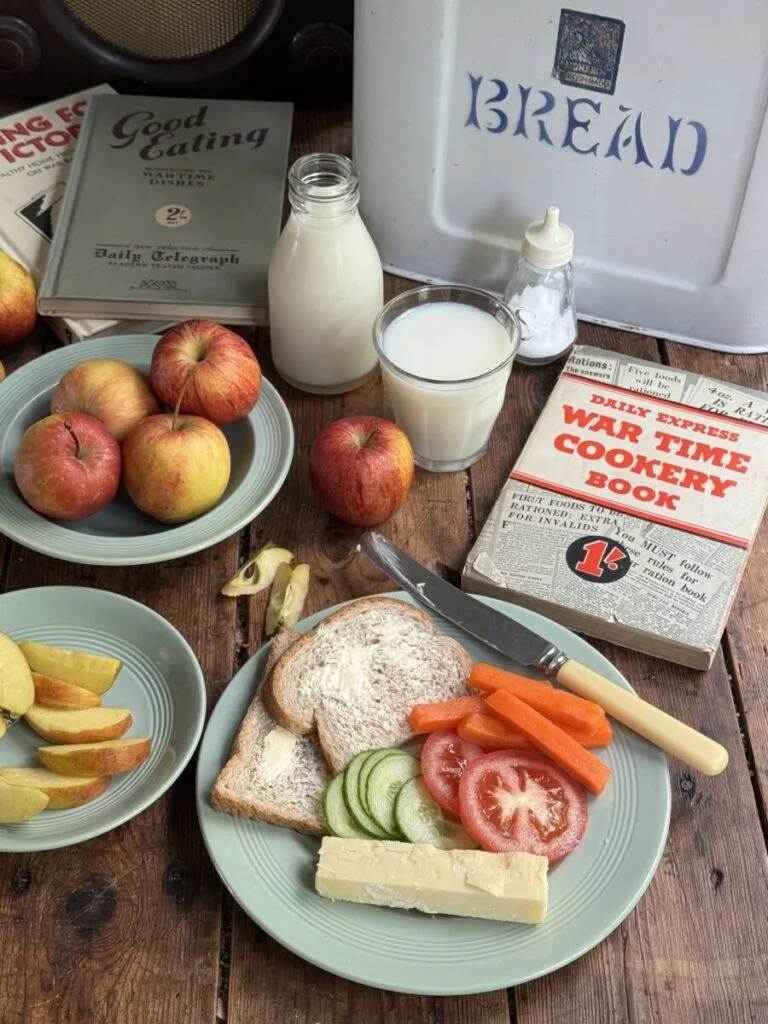
The Oslo Meal, also widely known as the Oslo Breakfast, stands as a testament to pioneering nutritional science and public health policy, particularly its critical role in safeguarding the health of British primary school children during the challenging years of World War II and into the early 1950s. Conceived in Norway as a blueprint for optimal child nutrition, this innovative, "no-cook" meal offered a vital source of sustenance, addressing widespread dietary deficiencies and laying foundational principles for modern school meal programs. Its adoption by the UK’s Ministry of Food during wartime marked a pivotal moment in national dietary strategy, transforming a simple collection of ingredients into a powerful tool for resilience and well-being amidst austerity.

The Genesis of a Nutritional Revolution: Carl Schiøtz and the Oslo Breakfast

The origins of the Oslo Meal trace back to 1932, in the laboratories and lecture halls of the University of Oslo, Norway. It was here that Professor Carl Schiøtz, a distinguished Norwegian physician and health reformer, meticulously developed a dietary regimen designed to combat prevalent nutritional deficiencies among schoolchildren. Schiøtz, a professor of hygiene, was deeply concerned about the long-term health implications of poor diets, particularly on the physical and cognitive development of the younger generation. His research pointed to a significant lack of essential vitamins, minerals, and fibre in the typical diets of the era.

Schiøtz’s "Oslo Breakfast" was not merely a meal; it was a comprehensive nutritional philosophy. It emphasized the consumption of unprocessed, raw foods rich in vital nutrients, aiming to provide a complete and balanced start to the day. The core tenets included whole-grain bread, butter or margarine, cheese, fresh milk, and an assortment of raw fruits and vegetables. The genius of Schiøtz’s concept lay in its simplicity and practicality: it required no cooking, making it easy to prepare in schools, even with limited facilities and staff. This "no-cook" aspect also preserved delicate vitamins that could be destroyed by heat. Schiøtz’s work in Norway was revolutionary, demonstrating tangible improvements in children’s health, including enhanced growth rates, increased academic performance, and a reduction in illness. The success of the Oslo Breakfast in its home country quickly garnered international attention, setting the stage for its eventual transatlantic journey.

Pre-War Trials: Bringing the Oslo Meal to Britain

The burgeoning success of the Oslo Breakfast in Scandinavia did not go unnoticed across the North Sea. Britain, grappling with its own concerns about child health, particularly in urban and impoverished areas, began to look for effective interventions. The inter-war years had highlighted significant disparities in children’s nutrition, with many suffering from conditions exacerbated by poverty and inadequate diets. Public health advocates and educationalists recognized the potential of a standardized, nutritious school meal to address these issues.

In 1938, a critical experiment commenced in London schools, marking the official introduction of the Oslo Meal to the UK. This trial was initiated as a direct response to growing concerns about the nutritional status of British children. The methodology involved providing a daily Oslo Meal to a cohort of primary school children and closely monitoring their health metrics. The results were nothing short of remarkable. Initial reports indicated that many children participating in the experiment gained between 40% and 100% in both weight and height within a relatively short period. These significant improvements underscored the profound impact of a balanced and consistent nutritional intake, particularly for children who might otherwise have gone without adequate sustenance. The "Oslo Experiment," as it was sometimes called, was hailed as an undeniable success, providing compelling evidence that a structured, healthy meal program could dramatically enhance child development and well-being. This pre-war validation proved crucial, establishing a precedent and a practical model for large-scale nutritional intervention just as the nation braced for the unprecedented challenges of global conflict.

Wartime Necessity: The Ministry of Food’s Strategic Adoption

The outbreak of World War II in September 1939 plunged Britain into an era of profound scarcity and logistical challenges. With vital shipping lanes under constant threat and agricultural production redirected, the nation faced an imminent food crisis. Rationing was swiftly introduced to ensure equitable distribution of limited resources, but maintaining public health, especially for vulnerable populations like children, became a paramount concern for the government. It was against this backdrop of national emergency that the Ministry of Food, established to manage the nation’s food supply, strategically turned to the Oslo Meal.

The Ministry of Food, under the guidance of figures like Lord Woolton, understood that simply allocating rations was not enough; citizens also needed guidance on how to make the most of what was available to maintain health. The Oslo Meal, with its "no-cook" philosophy and emphasis on nutrient-dense yet accessible ingredients, presented an ideal solution. It conserved precious fuel, a critical resource during wartime, by eliminating the need for cooking. It utilized ingredients that were either readily available or could be sourced within the confines of the rationing system – national loaf bread, cheese (which children received a double ration of compared to adults, highlighting its perceived importance), milk, and home-grown vegetables from "Dig for Victory" campaigns.

Initially adopted as an experiment on a broader scale, its effectiveness quickly led to widespread implementation in primary schools across the UK. The meal served as a nutritional safety net, especially for children whose families struggled to provide adequate food due to economic hardship or the demands of wartime life. The simplicity of preparation meant that school staff, often with minimal culinary training, could easily assemble and serve the meal. Its success transcended the school environment; adults, recognizing its efficiency and nutritional value, also began to adopt the Oslo Meal as a quick, healthy lunch or snack, further cementing its place in the wartime British diet. The Ministry of Food actively promoted such sensible eating through public information campaigns, leaflets, and radio broadcasts, making the principles of the Oslo Meal an integral part of national resilience efforts. The initiative became a powerful symbol of how innovation and adaptable policy could protect public health even in the direst of circumstances.

Deconstructing the Oslo Meal: A Blueprint for Health

The enduring success of the Oslo Meal lay not in complex culinary techniques, but in its thoughtfully selected, nutrient-rich components. It was, as the original text notes, "not so much a recipe, but a list of ingredients that require no cooking, and are eaten together." This minimalist approach was a stroke of genius, particularly for a nation under siege.

The standard components of the Oslo Meal included:

- Two Slices of Bread (National Loaf): The "National Loaf" was a wholemeal bread introduced during the war, mandated to be made with 85% extraction flour. This was a deliberate move to maximize nutrient retention, providing significantly more fibre, B vitamins, and iron compared to refined white bread. It served as the primary carbohydrate base, offering sustained energy.
- A Little Butter or Margarine: Provided essential fats, a concentrated source of energy crucial for growing children, and fat-soluble vitamins (A and D), which were often deficient in wartime diets.
- A Small Block of Cheese: Cheese was considered a vital protein and calcium source. The fact that children received a double ration of cheese (2 ounces a week, compared to 1 ounce for adults) underscores its perceived importance for growth and bone development. This allocation was a strategic public health decision by the Ministry of Food, recognizing cheese as an efficient and concentrated source of essential nutrients that could substitute for scarcer meat rations.
- Fresh Lettuce Leaves and Salad Items (such as Carrot, Cucumber, or Tomato): These raw vegetables were critical for providing essential vitamins, particularly Vitamin C (from tomatoes and fresh greens), and various minerals and dietary fibre. The emphasis on "home-grown is best" resonated with the "Dig for Victory" campaign, encouraging families and schools to cultivate their own produce, thereby reducing reliance on imports and ensuring freshness. Carrots, rich in Vitamin A, were especially promoted for their role in vision and overall health.
- A Glass of Cold Milk: Milk was a cornerstone of the meal, supplying high-quality protein, calcium for strong bones and teeth, and a range of vitamins, including Vitamin D. School milk programs, which predated the Oslo Meal’s widespread adoption but were reinforced by it, were considered vital for child health.
The "no-cook" aspect of the meal was not merely a convenience; it was a strategic advantage. It saved precious fuel, which was heavily rationed, and minimized the need for kitchen infrastructure in schools. Moreover, eating raw fruits and vegetables ensured the maximum retention of heat-sensitive vitamins, like Vitamin C, which would otherwise be degraded during cooking. This holistic approach ensured that even with limited resources, children received a comprehensive array of nutrients necessary for their physical and mental development.

Personal Echoes and Lasting Legacy

Beyond its scientific and logistical merits, the Oslo Meal left an indelible mark on the collective memory of a generation. The author’s poignant anecdote about the "apple core, or ‘gook’ as she called it," serves as a powerful reminder of the profound scarcity that defined wartime childhoods. In an era where food waste is a major concern, the image of children lining up for an apple core thrown away by a more fortunate peer highlights a stark reality: every scrap of food held immense value. This personal recollection humanizes the impact of rationing and the resourcefulness required to survive, contrasting sharply with today’s relative abundance. The apple core, often discarded without a second thought today, was a coveted treat, a small but significant source of nutrients for many children then.

The broader implications of the Oslo Meal extend far beyond the immediate nutritional benefits during wartime:

- Public Health Foundation: The success of the Oslo Meal in improving children’s weight and height, alongside reducing deficiency diseases, provided undeniable evidence of the critical link between diet and public health. It solidified the government’s role in ensuring adequate nutrition for its citizens, a principle that underpinned the post-war establishment of the National Health Service and other welfare state initiatives.
- Catalyst for School Meals Programs: The Oslo Meal acted as a significant precursor and reinforcement for universal school meals programs. It demonstrated the feasibility and profound benefits of providing nutritious food in an educational setting. After the war, the provision of school meals became a statutory requirement, largely influenced by the positive outcomes of initiatives like the Oslo Experiment.
- Shaping Nutritional Education: The Ministry of Food’s promotion of the Oslo Meal, alongside other "Eat More" campaigns (e.g., "Dr. Carrot," "Potato Pete"), played a crucial role in educating the public about balanced diets. It demystified nutrition, making healthy eating accessible and understandable, even with limited resources. These lessons in resourcefulness and nutritional wisdom influenced dietary habits for decades.
- Economic Efficiency and Resourcefulness: The "no-cook" nature and reliance on readily available, often home-grown, ingredients made the Oslo Meal incredibly cost-effective and sustainable during a period of extreme austerity. It showcased how optimal nutrition could be achieved without elaborate preparations or expensive foodstuffs, offering valuable lessons for future food security strategies.
While its widespread popularity began to wane in the early 1950s as rationing ended and a wider variety of foods became available, the fundamental principles of the Oslo Meal – emphasizing whole grains, fresh produce, dairy, and lean protein – remain remarkably relevant. In an age grappling with issues of childhood obesity, food insecurity, and sustainable eating, the Oslo Meal serves as a historical blueprint for simple, effective, and accessible nutrition. It stands as a powerful reminder that sometimes, the most profound solutions are found in the most straightforward approaches, particularly when driven by a commitment to public well-being. The legacy of Carl Schiøtz and the British Ministry of Food’s adoption of his meal continues to resonate, inspiring ongoing efforts to ensure that every child has access to the nourishment they need to thrive.
