
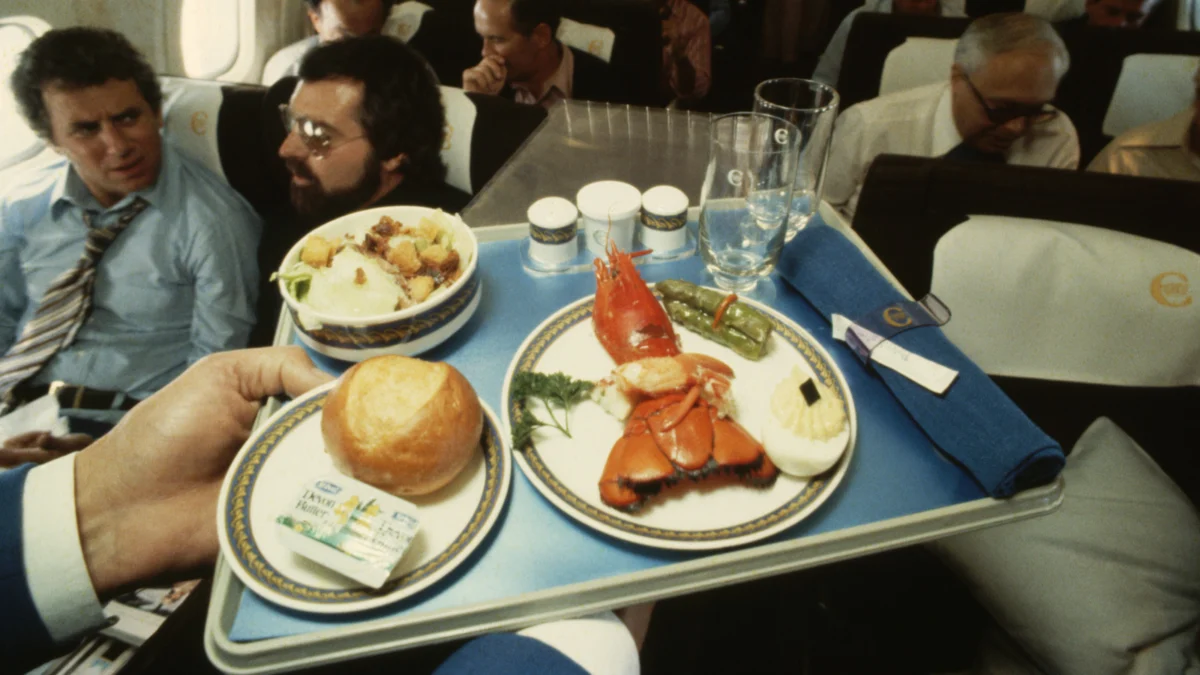
Fifty years ago, the dawn of supersonic commercial air travel heralded an era of unparalleled luxury in the skies, and nowhere was this more evident than in the dining experience offered aboard the iconic Concorde. A joint venture between British Airways and Air France, the Concorde was not merely a mode of transport; it was a statement of ambition, a symbol of technological prowess, and for its affluent passengers, a veritable flying palace. The aircraft’s ability to traverse the Atlantic at twice the speed of sound, slashing journey times between New York and London or Paris to a mere three hours, was matched by an equally audacious commitment to culinary excellence. This pursuit of gastronomic perfection aloft aimed to elevate the passenger experience to a level that transcended the ordinary, offering a dining experience that, for many, surpassed even the meals served at the highest levels of government.
The price of such exclusivity was steep. A round-trip ticket on the Concorde in its inaugural years, the mid-1970s, commanded a staggering $12,000. To put this into contemporary perspective, this figure equates to approximately $70,000 in today’s dollars, a testament to the ultra-luxury market the supersonic jet targeted. This significant investment bought passengers not only speed and prestige but also an onboard dining experience meticulously crafted by renowned chefs, a far cry from the utilitarian fare often associated with commercial aviation. The Concorde’s elevated cruising altitude, often double that of conventional airliners, provided a unique setting for these culinary creations, further enhancing the sense of occasion and exclusivity.
The Anglo-French collaboration behind Concorde recognized that to justify the exorbitant fares and to truly embody the spirit of supersonic travel, the onboard amenities had to be exceptional. This philosophy extended directly to the culinary program. To achieve this, they enlisted the expertise of some of the most celebrated chefs of the era. Among them was Paul Bocuse, a luminary often credited as the father of nouvelle cuisine, a revolutionary French culinary movement that emphasized lighter, fresher ingredients and more artistic presentation. The pastry artistry was entrusted to Gaston Lenôtre, a master pâtissier whose exquisite creations were synonymous with French elegance. In subsequent years, the caliber of talent continued with Michel Roux, a pivotal figure who, alongside his brother Albert, profoundly reshaped the gastronomic landscape of the United Kingdom. These culinary titans were tasked with designing menus that were not only delicious but also capable of being executed to the highest standards in the demanding environment of a supersonic aircraft.
The dining experience aboard Concorde was a multi-course affair, designed to engage the senses from start to finish. The gastronomic journey typically commenced with appetizers that exuded opulence, such as delicate Scottish smoked salmon, often accompanied by creamy crème fraîche and the rich, briny pearls of caviar, presented as elegant canapés. Following this sophisticated opening, passengers were presented with a choice of exquisite main courses. These often included meticulously prepared veal medallions, succulent fillet steaks, tender lamb dishes, luxurious lobster tails, or the refined flavor of guinea fowl. The dessert course maintained this high standard, offering classics like fresh strawberries and cream, or a signature creation named the Gâteau Concorde, a dessert specially developed to capture the spirit of the aircraft. A selection of fine French cheeses was also a staple, providing a savory conclusion to the meal.
The beverage service was equally comprehensive and indulgent. Passengers could savor the effervescence of Dom Pérignon Champagne, renowned for its quality and prestige. A carefully curated selection of red and white wines, personally chosen from a dedicated Concorde cellar, was available to complement the meal. For those with a penchant for spirits, a range of liqueurs was offered, and the dining experience was often concluded with a contemplative glass of port. This commitment to an elevated dining experience cemented Concorde’s reputation as a benchmark for airline cuisine, a standard against which other carriers, even those celebrated for their food quality, were often measured.
A Culinary Contrast: Presidential Palates Versus Supersonic Splendor
While Concorde passengers indulged in world-class cuisine at 60,000 feet, a fascinating contrast emerges when examining the dining habits of contemporary political leaders, including the sitting U.S. President at the time of Concorde’s maiden commercial flights. In 1976, Gerald Ford occupied the White House, having ascended to the presidency following Richard Nixon’s resignation. A native of Michigan, President Ford’s culinary preferences leaned towards hearty, comforting Midwestern fare. His table often featured dishes such as apple Dutch babies, a baked pancake-like dessert, slow-cooked pot roast accompanied by red cabbage, and a variety of casseroles – dishes that embodied a sense of home and tradition.
While the Ford family generally favored these familiar, down-to-earth meals, there were notable exceptions, particularly for significant state occasions. For America’s Bicentennial celebration in 1976, a momentous event marking the nation’s 200th anniversary, the White House menu reflected a deliberate effort to impress and honor distinguished guests. On this occasion, the presidential table was adorned with an elaborate New England lobster en Bellevue, a visually striking presentation of lobster. This was complemented by a saddle of veal, a testament to a more formal and celebratory approach to dining. The guest of honor for this particular event was Queen Elizabeth II of the United Kingdom, accompanied by her husband, Prince Philip, underscoring the diplomatic significance of the meal.
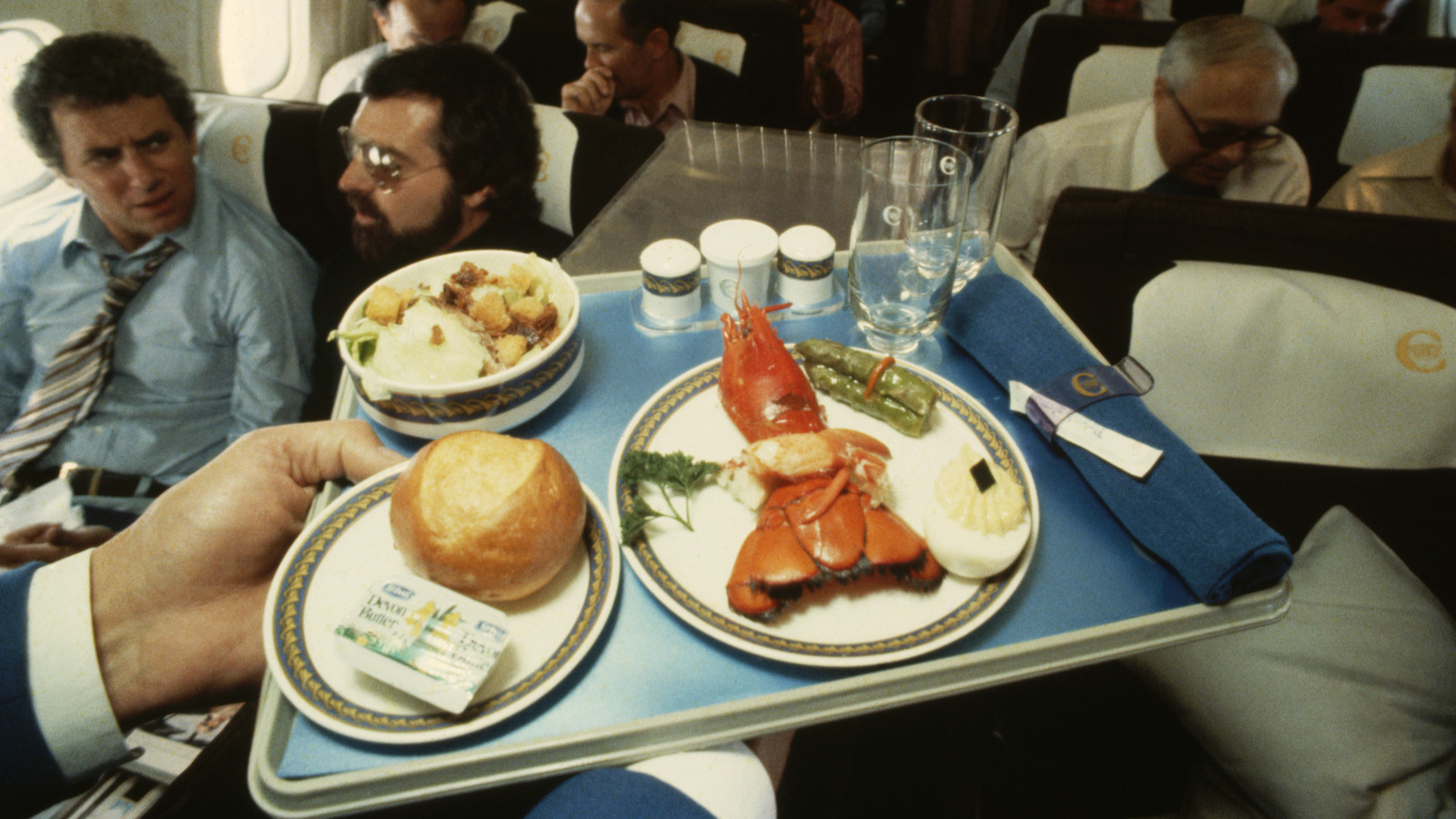
This comparison highlights a key distinction in dining philosophies. For most U.S. Presidents throughout the era of Concorde’s operation (1976-2003), their day-to-day meals tended to be relatively simple and familiar, reflecting a preference for accessible, everyday dishes. The extravagant, multi-course meals served on Concorde were generally reserved for the nation’s highest-profile state dinners, events where the primary objective was to host dignitaries and create a lasting impression of national prosperity and sophistication. Even then, the dining was often dictated by the culinary tastes and expectations of visiting heads of state, such as Queen Elizabeth II herself, who was known to be a frequent and discerning passenger on the Concorde.
The Evolution of Airline Dining and Concorde’s Legacy
The advent of Concorde in the 1970s coincided with a period when airline food, for the general passenger, was already in a state of flux. While the "golden age" of air travel, characterized by luxurious amenities and gourmet meals, had begun to wane for many commercial carriers by the late 1960s and early 1970s, Concorde represented a conscious effort to preserve and even elevate this tradition for a select clientele. The airline industry was grappling with increasing operational costs and a growing demand for more affordable travel, which often led to a reduction in the quality and complexity of onboard catering for economy and even business class passengers. Snacks, pre-packaged meals, and a more limited selection of beverages became increasingly common.
Concorde, however, operated in a different economic stratosphere. Its passengers were paying a premium not just for speed but for an entire experience that emphasized exclusivity and indulgence. The chefs involved, such as Paul Bocuse, were at the forefront of a culinary revolution, and their involvement brought a level of sophistication to airline dining that was virtually unheard of. This was not about simply providing sustenance; it was about offering a memorable gastronomic journey that mirrored the pioneering spirit of the aircraft itself. The menus were designed to be ambitious, featuring ingredients and preparations that would be considered exceptional in any fine-dining restaurant on the ground.
The Concorde’s commitment to culinary excellence extended beyond the main courses and desserts. Even the presentation of the food was meticulously considered. Dishes were artfully arranged on fine china, accompanied by polished silverware and crystal glassware. The service was attentive and personalized, with flight attendants trained to anticipate passenger needs and provide an experience akin to that of a high-end hotel or restaurant. This holistic approach to onboard hospitality created an environment where dining was as much a part of the journey as the flight itself.
The legacy of Concorde’s dining experience is significant. It demonstrated that airline catering could transcend the functional and become a central element of the passenger experience, even in the challenging environment of an aircraft. While the economic realities of the airline industry have continued to evolve, leading to a general reduction in the grandeur of onboard dining for most passengers, the memory of Concorde’s culinary triumphs serves as a benchmark. It remains a powerful reminder of a time when air travel offered an unparalleled level of luxury and when the journey itself was as much an indulgence as the destination. The meticulous attention to detail, the collaboration with world-renowned chefs, and the unwavering commitment to quality set a standard that, while perhaps unattainable for mass-market travel today, continues to inspire aspirations for elevated experiences in aviation.
The Mechanics of Supersonic Dining
Operating a high-caliber dining service on a supersonic aircraft like Concorde presented unique logistical and technical challenges. The aircraft flew at altitudes significantly higher than conventional airliners, typically around 60,000 feet, compared to the 30,000-35,000 feet of standard commercial jets. This extreme altitude meant that the cabin environment, while pressurized, still experienced different atmospheric conditions that could affect the perception of taste and smell. Food scientists and chefs had to account for these subtle but important differences to ensure that flavors remained vibrant and enjoyable.
Furthermore, the confined space of an aircraft galley required highly efficient preparation and serving methods. While Concorde was designed with luxury in mind, it was still a commercial aircraft with limited space for kitchens. This necessitated pre-preparation of many dishes on the ground by specialized airline catering services, often working in close collaboration with the contracted chefs. The final assembly, heating, and plating of meals would then take place onboard. This required meticulous planning and coordination to ensure that complex dishes could be finished and served at the optimal temperature and presentation, without compromising quality.
The speed of the Concorde also played a role. Journeys were so swift that passengers often had time for a full, multi-course meal and even a leisurely digestif before landing. This compressed timeframe for service meant that efficiency was paramount. Flight attendants had to be highly trained to serve multiple courses, beverages, and attend to passenger requests with speed and grace, all while navigating the aircraft’s cabin. The entire operation, from the sourcing of ingredients to the final clearing of trays, was a testament to the intricate planning and execution that underpinned Concorde’s promise of luxury.
The wine list itself was a subject of careful consideration. Flights between Europe and North America were short, but the wines were selected to complement the rich cuisine. The "Concorde cellar" was not merely a metaphor; it represented a genuine commitment to offering high-quality vintages that matched the exclusivity of the flight. For a journey lasting just a few hours, the ability to offer a selection of fine wines, including prestigious Champagne and carefully chosen Bordeaux or Burgundy, added another layer to the overall luxurious experience.
The financial implications of such an operation were substantial. The cost of sourcing premium ingredients, engaging Michelin-starred chefs, and employing highly trained catering staff and flight attendants was exceptionally high. However, this was factored into the ticket price, allowing Concorde to operate as a high-margin, niche service. The demand from a wealthy clientele, including business executives, celebrities, and royalty, ensured that the service was economically viable, despite the enormous operational costs. The airline understood that for its target market, the Concorde experience, including its culinary offerings, was a valuable commodity that justified the significant expense.
A Glimpse into the Broader Impact
The Concorde project was more than just an aviation feat; it was a symbol of national pride and technological ambition for both Britain and France. Its introduction in the 1970s came at a time when the world was undergoing significant social and economic shifts. The supersonic jet represented a bold vision of the future, a testament to human ingenuity and the pursuit of pushing boundaries. The luxurious experience onboard, particularly the unparalleled dining, was an integral part of this vision. It projected an image of sophistication, progress, and a certain joie de vivre that resonated with the era.
The economic implications of such a venture were also considerable. Concorde supported a significant ecosystem of industries, from aircraft manufacturing and maintenance to specialized catering services and high-end hospitality. The creation of jobs and the stimulation of related businesses were important economic outcomes of the project. Moreover, the airline’s ability to attract a high-paying clientele contributed to the revenue streams of both British Airways and Air France, bolstering their prestige and financial standing in the global aviation market.
The Concorde’s operational lifespan, from 1976 to 2003, spanned a period of rapid technological advancement and changing consumer expectations. While Concorde ultimately ceased operations due to economic factors, including high maintenance costs, environmental concerns, and a significant accident in 2000, its impact on the perception of luxury air travel remains undeniable. The memory of its opulent interiors, its breathtaking speed, and, crucially, its extraordinary dining experiences continues to be a point of reference in discussions about the golden age of aviation. It demonstrated that the journey could be as luxurious and memorable as the destination, setting a standard for premium travel that, while perhaps not replicable on a mass scale today, continues to inspire and captivate the imagination. The culinary legacy of Concorde serves as a poignant reminder of a time when air travel reached the zenith of indulgence, offering passengers a taste of the extraordinary, quite literally.
