
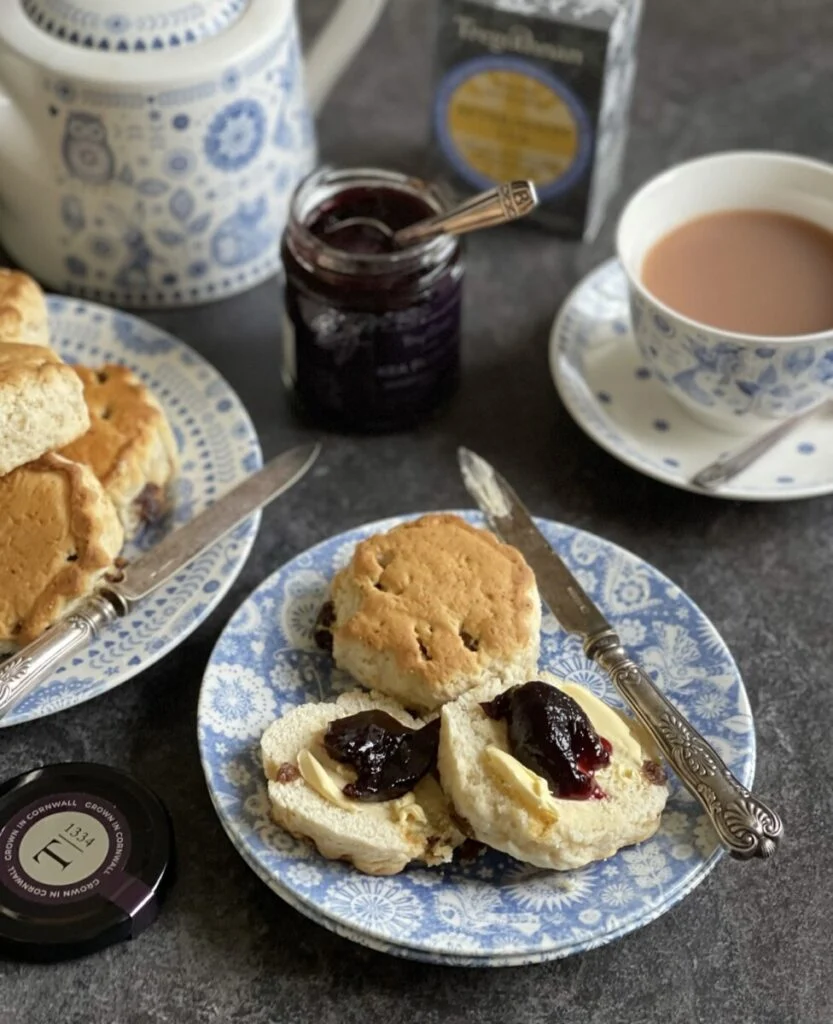
Celebrated food writer and culinary expert Karen Burns-Booth has unveiled a new recipe for Earl Grey Fruit Scones, a delightful creation inspired by her enriching visit to the historic Tregothnan Estate in Cornwall. Published on May 27, 2026, the recipe infuses traditional British scones with the distinctive bergamot notes of Earl Grey tea, offering a fresh take on a beloved classic. This innovative approach to a quintessential British treat not only highlights Burns-Booth’s culinary artistry but also draws attention to the burgeoning local food scene and the unique agricultural heritage of the United Kingdom.

The Genesis of a Flavourful Idea: A Cornish Inspiration
The inspiration for these aromatic scones stemmed from a memorable excursion undertaken by Karen Burns-Booth in 2021. While sailing on the Viking Venus, part of Viking Cruises’ luxury ocean fleet, Burns-Booth participated in an included tour of the Tregothnan Estate, nestled near Falmouth in the picturesque county of Cornwall. The journey to the estate was described as a steep but invigorating walk through bucolic country lanes, past active beehives, and over traditional wooden stiles, culminating in a breathtaking vista of the River Fal and the estate’s renowned tea terraces. This immersive experience, traversing wild meadow flowers, ancient orchards, and verdant grassy tracks, evidently left a profound impression on the culinary expert, sparking the idea for a recipe that would encapsulate the essence of this unique British landscape.

Burns-Booth, a regular contributor of specially crafted recipes and travel stories to Viking’s Explore Magazine, developed the Earl Grey Fruit Scones specifically for the publication. Her aim was to translate the sensory experience of Tregothnan – the serene environment, the pioneering tea cultivation, and the spirit of Cornish hospitality – into a tangible culinary delight. The recipe, now widely accessible, serves as a testament to her philosophy of integrating travel and local provenance into her cooking.
Tregothnan Estate: Pioneering British Tea Production

The choice of Tregothnan Earl Grey tea as the star ingredient is central to the narrative of these scones. Tregothnan Estate holds a singular place in British agricultural history as the first estate in the UK to successfully cultivate tea on a commercial scale. In 2005, the estate proudly yielded Britain’s first major crop of home-grown tea, marking a significant milestone in the country’s centuries-long relationship with the beverage. This achievement positioned Tregothnan not merely as a local producer but as a global pioneer, with its world’s first true British tea being lauded by some as the "new Darjeeling," a nod to its quality and distinct character.
The estate’s unique microclimate, influenced by its proximity to the warming Gulf Stream and its sheltered valleys, provides ideal conditions for tea cultivation, a fact that has intrigued botanists and agriculturalists for decades. The meticulous process of growing, harvesting, and blending at Tregothnan ensures a premium product that embodies a distinctive "Britishness" in every cup. By incorporating this specific tea, Burns-Booth not only imbues her scones with a superior flavour profile but also pays homage to a landmark achievement in British agriculture and a symbol of national pride. While the recipe encourages the use of any high-quality Earl Grey tea, the original inspiration and the depth of flavour are undeniably linked to Tregothnan’s pioneering spirit.

The Culinary Craft: Infusing Tradition with Innovation
The Earl Grey Fruit Scones are distinguished by their dual infusion of tea. The primary infusion comes from the Earl Grey tea leaves themselves, which are incorporated into the scone dough, imparting a delicate yet discernible bergamot flavour. This citrusy, floral note elevates the traditional scone profile, moving beyond the standard plain or fruit varieties. A secondary, ingenious touch involves soaking the dried fruit in hot Earl Grey tea prior to adding it to the mixture. This technique serves a dual purpose: it ensures the fruit becomes exceptionally plump and succulent, and it layers in an additional stratum of citrusy and floral flavours, creating a more complex and harmonious taste experience.

This method exemplifies Burns-Booth’s attention to detail and her ability to subtly enhance familiar recipes. Scones are a cornerstone of British culinary heritage, intrinsically linked to afternoon tea and cream tea traditions. The introduction of Earl Grey, a tea blend itself steeped in British history (though with an international origin), into this context is a clever fusion, bridging two iconic elements of British gastronomy.
The Ritual of Cream Tea: A Cornish Perspective

The article emphasizes the traditional serving of these scones as part of a proper Cornish cream tea. This involves serving them warm with a generous dollop of clotted cream and a spoonful of jam. Crucially, Burns-Booth reminds readers of the distinct Cornish tradition: "jam first in Cornwall too!" This seemingly minor detail highlights a long-standing, good-natured rivalry between Cornwall and its neighbouring county, Devon, regarding the correct order of application for cream and jam on a scone. In Devon, the cream is traditionally spread first, followed by the jam, while in Cornwall, the jam precedes the cream. This adherence to the Cornish method not only pays tribute to the recipe’s geographical inspiration but also engages with a beloved aspect of British food culture, adding a layer of authenticity to the experience.
The perfect accompaniment, naturally, is a freshly brewed pot of loose-leaf Earl Grey tea, complementing the flavours within the scones and completing the sensory journey. The article also provides a helpful note on brewing times for various types of tea, reinforcing the importance of proper tea preparation to fully appreciate the experience.

Karen Burns-Booth’s Impact on Culinary Storytelling
Karen Burns-Booth, through her work on "Lavender and Lovage" and her contributions to publications like Viking’s Explore Magazine, has established herself as a significant voice in British food writing. Her approach transcends mere recipe sharing, delving into the stories, origins, and cultural contexts behind the dishes she creates. Her ability to translate a travel experience – a walk through a tea estate, the view of a river, the historical significance of a place – into a tangible, delicious recipe is a hallmark of her journalistic and culinary style.

Her regular features in Explore Magazine demonstrate a consistent commitment to showcasing regional specialties and encouraging readers to connect with the provenance of their food. This particular recipe for Earl Grey Fruit Scones serves as a prime example of how culinary creation can act as a form of cultural commentary and a celebration of local heritage.
Broader Implications: Food Tourism and Regional Identity

The unveiling of recipes like the Earl Grey Fruit Scones carries broader implications for the food industry and tourism sector. In an era where consumers increasingly seek authentic and locally sourced experiences, recipes inspired by specific geographical locations and their unique produce contribute significantly to regional identity. The story of Tregothnan Estate, the first British tea garden, intertwined with a beloved British staple like the scone, creates a compelling narrative that can boost culinary tourism to Cornwall.
Such creations encourage travelers to explore the origins of their food, driving interest in farm-to-table experiences, local producers, and the cultural significance of traditional foods. It also highlights the growing market for premium, specialty food items, demonstrating how unique ingredients, such as home-grown British tea, can be integrated into everyday treats, elevating them to gourmet status. The consistent demand for high-quality tea and the enduring popularity of cream teas underscore a strong market for such innovative twists on classic recipes.

Nutritional Profile and Accessibility
Each serving of these Earl Grey Fruit Scones, yielding 10 individual scones, contains approximately 249 calories, 8g total fat (4g saturated, 3g unsaturated), 54mg cholesterol, 230mg sodium, 39g carbohydrates (1g fiber, 10g sugar), and 6g protein. This nutritional breakdown provides useful information for those monitoring their dietary intake, positioning the scones as an indulgent yet measured treat.

The recipe’s design, while rooted in a specific high-quality tea, maintains accessibility by allowing home bakers to use any reputable Earl Grey brand. This flexibility ensures that the essence of the recipe – the bergamot-infused fruit scone – can be enjoyed by a wider audience, regardless of immediate access to Tregothnan tea. This balance between honoring a specific origin and encouraging broader participation is key to the recipe’s potential widespread appeal.
Conclusion: A Fusion of Heritage and Flavour

The Earl Grey Fruit Scones represent more than just a new recipe; they embody a thoughtful fusion of British culinary heritage, agricultural innovation, and personal travel inspiration. Karen Burns-Booth’s creation, published on May 27, 2026, not only offers a deliciously fragrant twist on a classic but also serves as a delicious reminder of the rich stories and unique produce found within the United Kingdom. It stands as a testament to the power of food to connect people with places, traditions, and the simple pleasures of a well-made treat, served best with a pot of tea and a true Cornish cream tea spread.
