
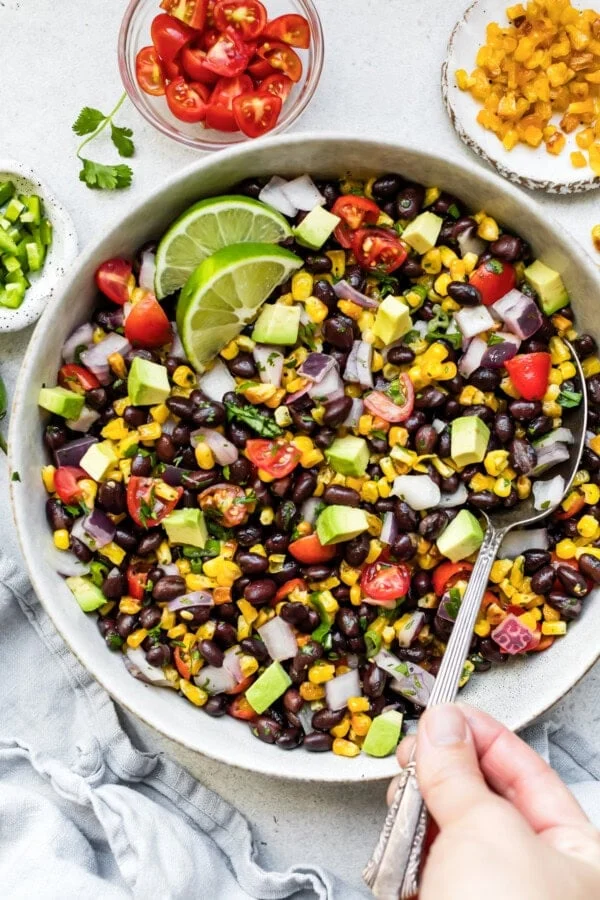
The Southwestern Black Bean Salad, a vibrant and refreshing dish featuring black beans, corn, tomatoes, and avocado, is emerging as a quintessential offering for warm weather culinary needs. Praised for its simplicity, nutritional density, and adaptability, this salad requires no cooking, making it an ideal choice for summer entertaining and everyday meals. Its composition aligns with contemporary dietary trends, emphasizing plant-based protein, high fiber content, and the use of fresh, seasonal produce.
Cultural Tapestry: Roots of Southwestern Cuisine
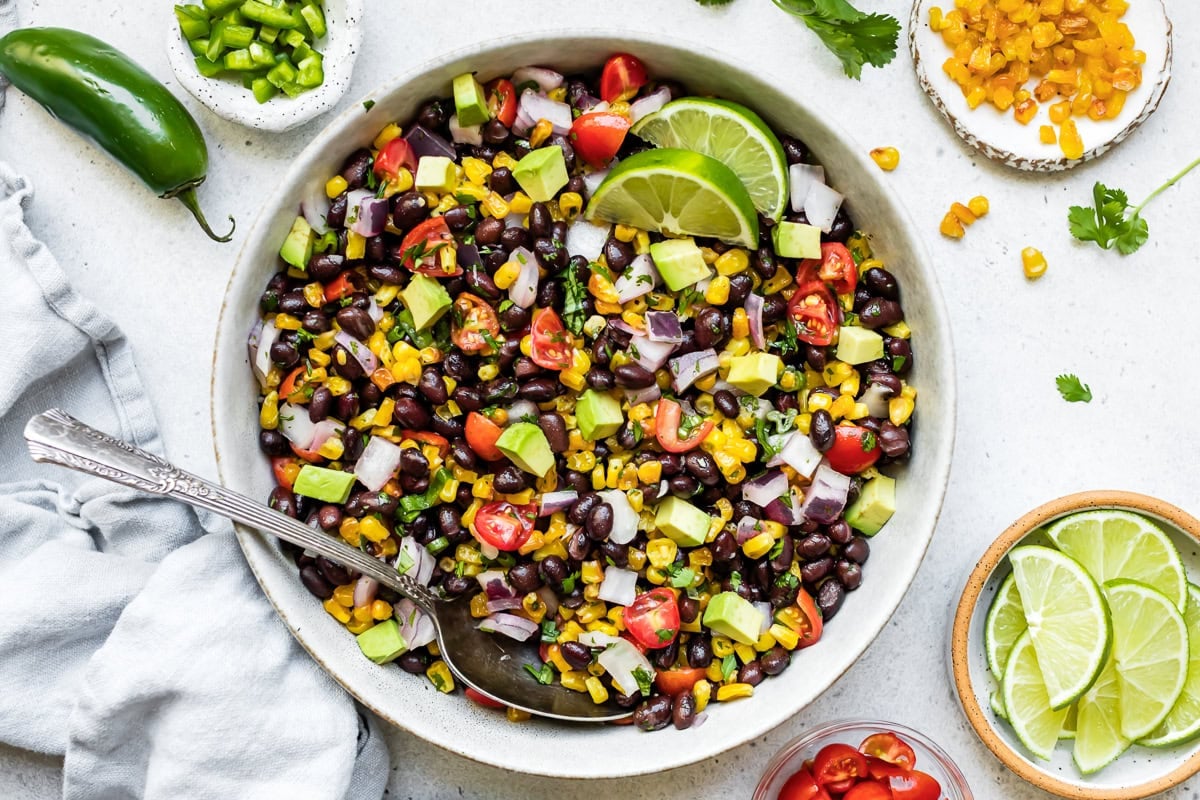
The "Southwestern" designation of the black bean salad points to a rich culinary heritage, a fusion of indigenous Native American, Spanish colonial, and Mexican influences that have shaped the foodways of the American Southwest for centuries. Black beans, a staple crop in the Americas for thousands of years, formed the backbone of diets for civilizations like the Aztecs and Mayans, prized for their sustenance and versatility. Corn (maize) shares a similar ancient lineage, domesticated in Mesoamerica and central to the spiritual and physical well-being of countless communities. Tomatoes, originating in the Andes, and avocados, native to south-central Mexico, further underscore the deep historical roots of these ingredients within the region’s culinary landscape.
The integration of these components into a "salad" format, particularly a cold, vibrant one, reflects a more modern adaptation, marrying traditional flavors with contemporary dietary preferences for fresh, uncooked preparations. This salad encapsulates the essence of Southwestern cooking: bold flavors, fresh ingredients, and a hearty yet healthy profile.
Nutritional Powerhouse: A Deep Dive into Key Ingredients
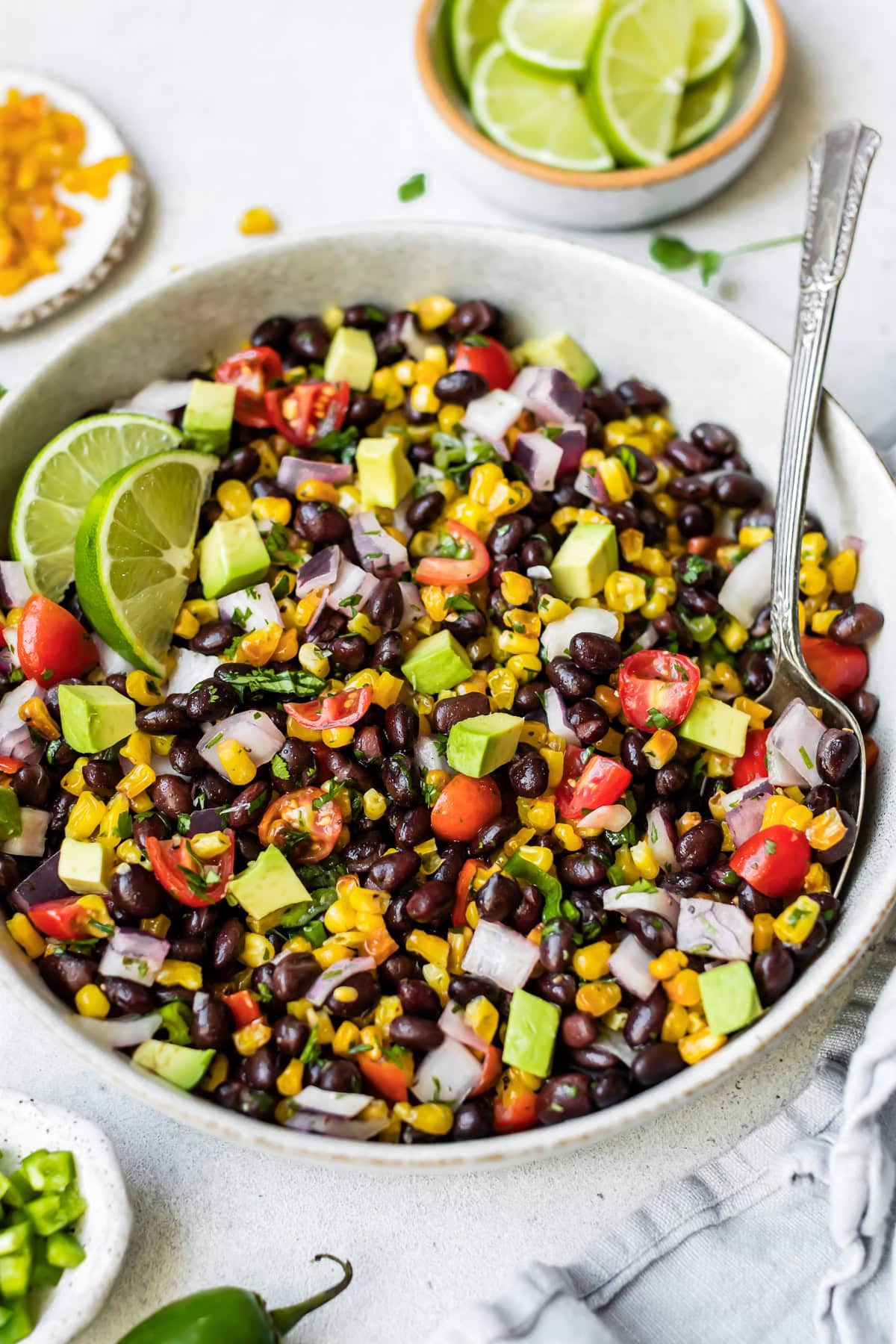
The Southwestern Black Bean Salad is not merely a flavorful dish but a nutritional marvel, offering a spectrum of health benefits derived from its core components.
- Black Beans: These legumes are celebrated for their exceptional fiber content, with a single serving contributing significantly to daily recommended intake. Fiber is crucial for digestive health, blood sugar regulation, and satiety, which can aid in weight management. Beyond fiber, black beans are an excellent source of plant-based protein, making them a valuable component for vegetarian and vegan diets. They also provide essential minerals such as iron, magnesium, phosphorus, and potassium, alongside B vitamins. According to data from the USDA, black beans contain approximately 15 grams of fiber and 15 grams of protein per cup (cooked), making them a potent nutritional foundation for any meal.
- Corn: While often viewed as a simple carbohydrate, corn, particularly fresh sweet corn, offers dietary fiber, vitamin C, B vitamins (thiamine, niacin, B6, folate), and important antioxidants like lutein and zeaxanthin, which are beneficial for eye health. Its natural sweetness balances the savory notes of the beans and other vegetables. Global corn production consistently ranks among the highest for cereal grains, with the United States being a leading producer, highlighting its widespread availability and economic significance.
- Tomatoes: These juicy fruits are a primary source of lycopene, a powerful antioxidant associated with reducing the risk of certain cancers and cardiovascular diseases. They are also rich in vitamin C, vitamin K, potassium, and folate. The vibrant red color of ripe tomatoes signals a high concentration of beneficial phytonutrients. The global production of tomatoes exceeds 180 million metric tons annually, underscoring their ubiquity in diverse cuisines worldwide.
- Avocado: A unique fruit, avocado is prized for its healthy monounsaturated fats, particularly oleic acid, which is known to support heart health and reduce inflammation. It is also an excellent source of dietary fiber, potassium (often exceeding bananas), vitamin K, vitamin C, vitamin B6, and folate. The creamy texture of avocado adds a luxurious mouthfeel to the salad, contributing to its overall appeal and satiety. The demand for avocados has seen a substantial increase globally over the last decade, driven by growing awareness of their health benefits.
- Other Ingredients (Lime, Cilantro, Onion): Lime juice provides vitamin C and a bright, acidic counterpoint to the richness of the avocado and beans, while cilantro adds a fresh, herbaceous note. Onions contribute a pungent crunch and additional antioxidants. These elements not only enhance flavor but also contribute to the salad’s overall nutritional value.
Preparation and Versatility: A Modern Culinary Solution
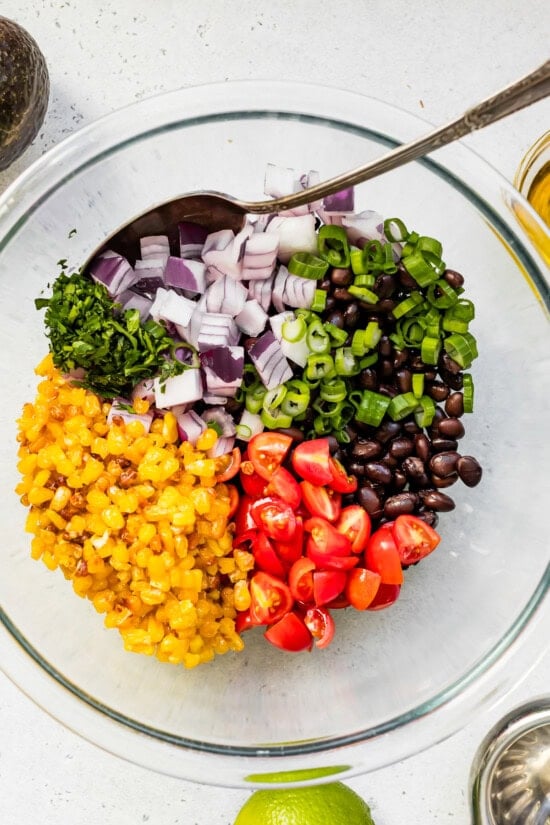
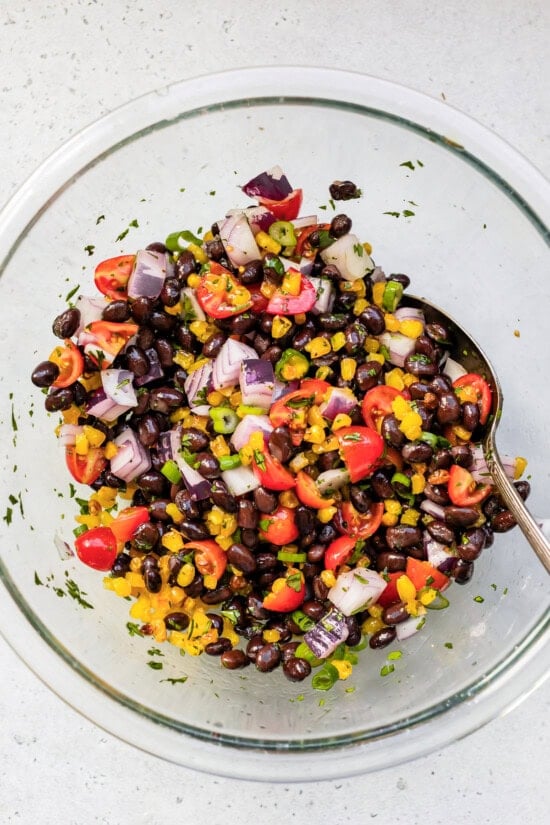
One of the most compelling aspects of the Southwestern Black Bean Salad is its ease of preparation. The recipe typically involves minimal effort: chopping fresh ingredients and combining them with canned (and rinsed) black beans and corn, then dressing them with a simple lime-based vinaigrette, often incorporating olive oil and spices. The entire process can often be completed in as little as 15 minutes, with an additional 30 minutes recommended for flavors to meld, or "marinate," for optimal taste.

This "no-cook" attribute is particularly appealing during warmer months, alleviating the need to use an oven or stovetop, thereby keeping kitchens cool and energy consumption low. This aligns with a broader trend in culinary practices favoring convenience without compromising on health or flavor.
The versatility of the Southwestern Black Bean Salad further solidifies its status as a culinary staple. It can be served in multiple capacities:
- Side Dish: A refreshing accompaniment to grilled meats such as chicken, steak, or fish, providing a balanced and flavorful counterpoint.
- Appetizer/Dip: Paired with tortilla chips, it transforms into a hearty and satisfying dip, perfect for casual gatherings.
- Main Course Topping: It can be generously piled onto taco salads, integrated into tacos, or even served over quinoa or rice for a complete plant-based meal. This adaptability makes it a valuable component for meal prepping and diverse dietary needs.
Expert Perspectives on Culinary Trends and Health Implications

Food industry analysts and nutritionists alike highlight the rising prominence of dishes like the Southwestern Black Bean Salad as a reflection of evolving consumer preferences.
Dr. Anya Sharma, a leading nutritionist specializing in plant-based diets, commented, "The Southwestern Black Bean Salad perfectly embodies several key dietary recommendations: it’s rich in fiber, offers a complete plant-based protein profile, and is packed with vitamins and antioxidants from fresh produce. Its low saturated fat content and absence of unhealthy additives make it an excellent choice for heart health and overall well-being. Furthermore, the convenience factor makes healthy eating more accessible for busy individuals and families."
Chef Miguel Rodriguez, a proponent of fresh, seasonal cooking, noted, "Dishes that celebrate raw, vibrant ingredients are gaining immense popularity. This black bean salad isn’t just easy; it’s a testament to how simple, high-quality ingredients can create a symphony of flavors and textures. The combination of creamy avocado, crunchy corn and onion, and juicy tomatoes with the earthy beans is incredibly satisfying and visually appealing. It’s the kind of dish that makes healthy eating feel like a treat."
Market research data indicates a consistent upward trend in the demand for plant-based meals and convenient, healthy food options. Reports from organizations like the Plant Based Foods Association show significant year-over-year growth in plant-based food sales, with consumers increasingly seeking options that are both nutritious and easy to prepare. The Southwestern Black Bean Salad fits squarely within this growing market segment, offering a solution that caters to health-conscious individuals, flexitarians, and those simply seeking fresh, flavorful options.
Customization and Storage: Enhancing Longevity and Personalization
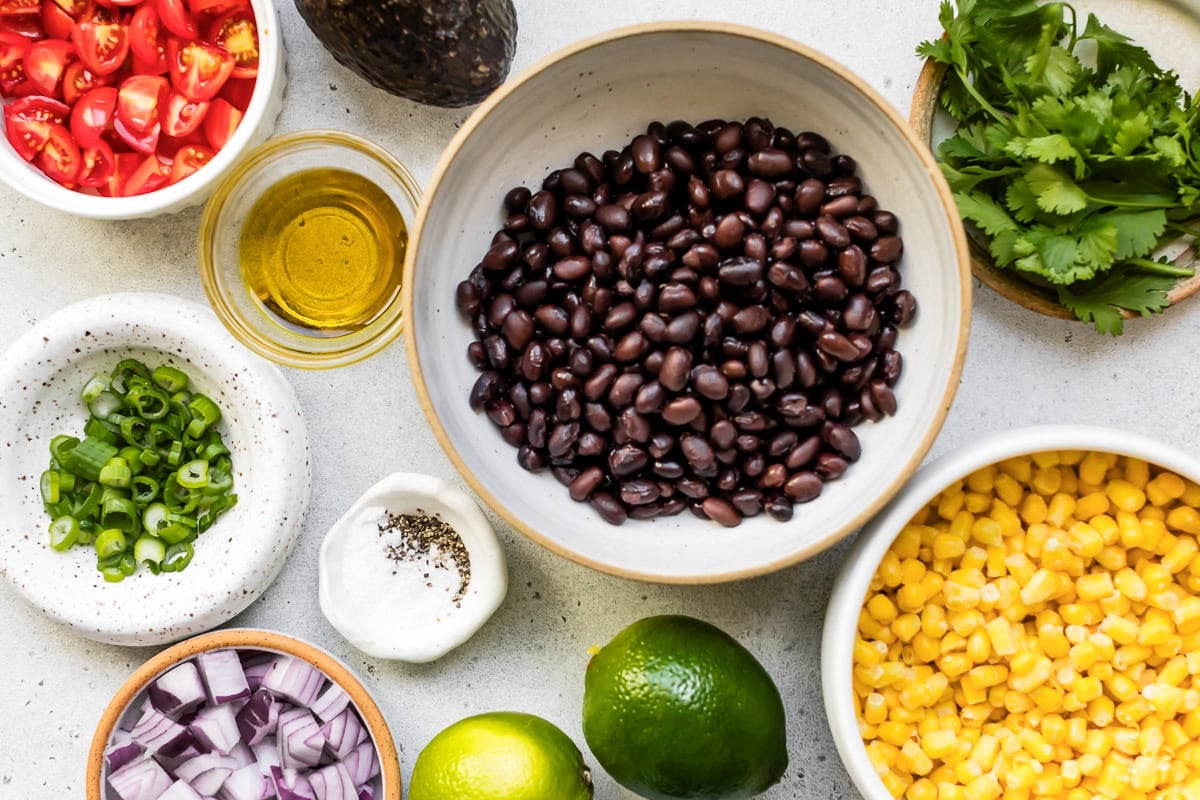
The inherent flexibility of the Southwestern Black Bean Salad allows for extensive customization, catering to various tastes and dietary requirements. While the core ingredients—black beans, corn, tomatoes, avocado, lime, and cilantro—form the foundation, additions can significantly alter its profile.
- Spice Level: Incorporating diced jalapeños, serrano peppers, or a pinch of cayenne pepper can introduce a fiery kick.
- Additional Vegetables: Bell peppers (red, yellow, orange), red onion, cucumber, or even jicama can add extra crunch, color, and nutrients.
- Protein Boost: Cooked and shredded chicken, crumbled feta cheese, or quinoa can be added for increased protein content and satiety.
- Grains: Brown rice or farro can be mixed in to create a more substantial grain bowl.
- Dressing Variations: While lime juice is traditional, a touch of apple cider vinegar, a dash of cumin, or a drizzle of honey can subtly shift the flavor profile.
Regarding storage, the salad maintains its freshness and flavor well when refrigerated in an airtight container. It is generally recommended to consume it within three to four days. A key consideration for storage is the avocado; to prevent browning, it’s often advised to add the avocado just before serving, or to ensure it is thoroughly coated with lime juice if added earlier. The acidity of the lime acts as a natural antioxidant, slowing the oxidation process. This characteristic makes the salad a suitable candidate for meal preparation, allowing individuals to prepare a batch at the beginning of the week for quick, healthy meals.
Broader Impact and Implications
The popularity of dishes like the Southwestern Black Bean Salad extends beyond individual dietary choices, touching upon broader themes of food sustainability, local agriculture, and culinary globalization. By relying heavily on plant-based ingredients, the salad inherently carries a lower environmental footprint compared to meat-centric dishes. The cultivation of beans and corn, in particular, can be more resource-efficient, requiring less water and land than animal agriculture.
Furthermore, its seasonal appeal encourages the consumption of fresh, locally sourced produce, supporting regional farmers and reducing the carbon footprint associated with long-distance transportation. The emphasis on freshness also aligns with movements advocating for whole, unprocessed foods, moving away from overly processed alternatives.
In an increasingly interconnected world, the Southwestern Black Bean Salad also serves as a testament to the enduring power of culinary exchange and adaptation. It demonstrates how traditional ingredients and regional flavors can be reinterpreted and embraced by diverse populations, contributing to a global palate that values both heritage and innovation. As consumers continue to prioritize health, convenience, and ethical food choices, the humble yet dynamic Southwestern Black Bean Salad is poised to remain a cherished and relevant fixture in modern gastronomy.
