
The humble elderberry shrub, often overlooked in the frenzy of trending superfruits, offers a remarkable dual benefit: it is a nutritional powerhouse for humans and a vital resource for local ecosystems, attracting a diverse array of birds and pollinators to gardens. Beyond its celebrated health properties, the elderberry plant plays a crucial role in supporting avian populations and enhancing garden biodiversity, making it a truly exceptional addition to any landscape.
The Nutritional Prowess and Ecological Significance of Elderberries
Elderberries are widely recognized for their potent antioxidant content, particularly anthocyanins, which are responsible for their deep purple hue. These compounds are believed to contribute to immune-boosting properties, with scientific research exploring their potential to alleviate symptoms and reduce the duration of common ailments like colds and influenza. A study published in the journal Nutrients in 2019 highlighted the significant antioxidant and anti-inflammatory activities of elderberry extracts, further solidifying its reputation as a health-promoting food.
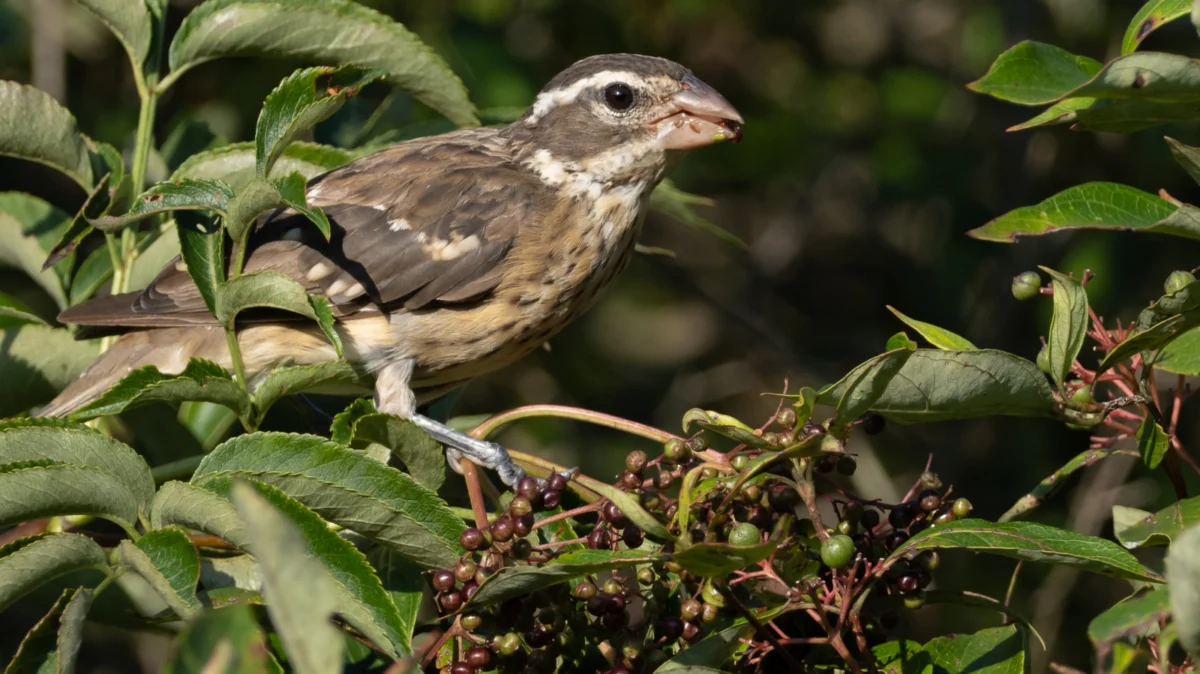
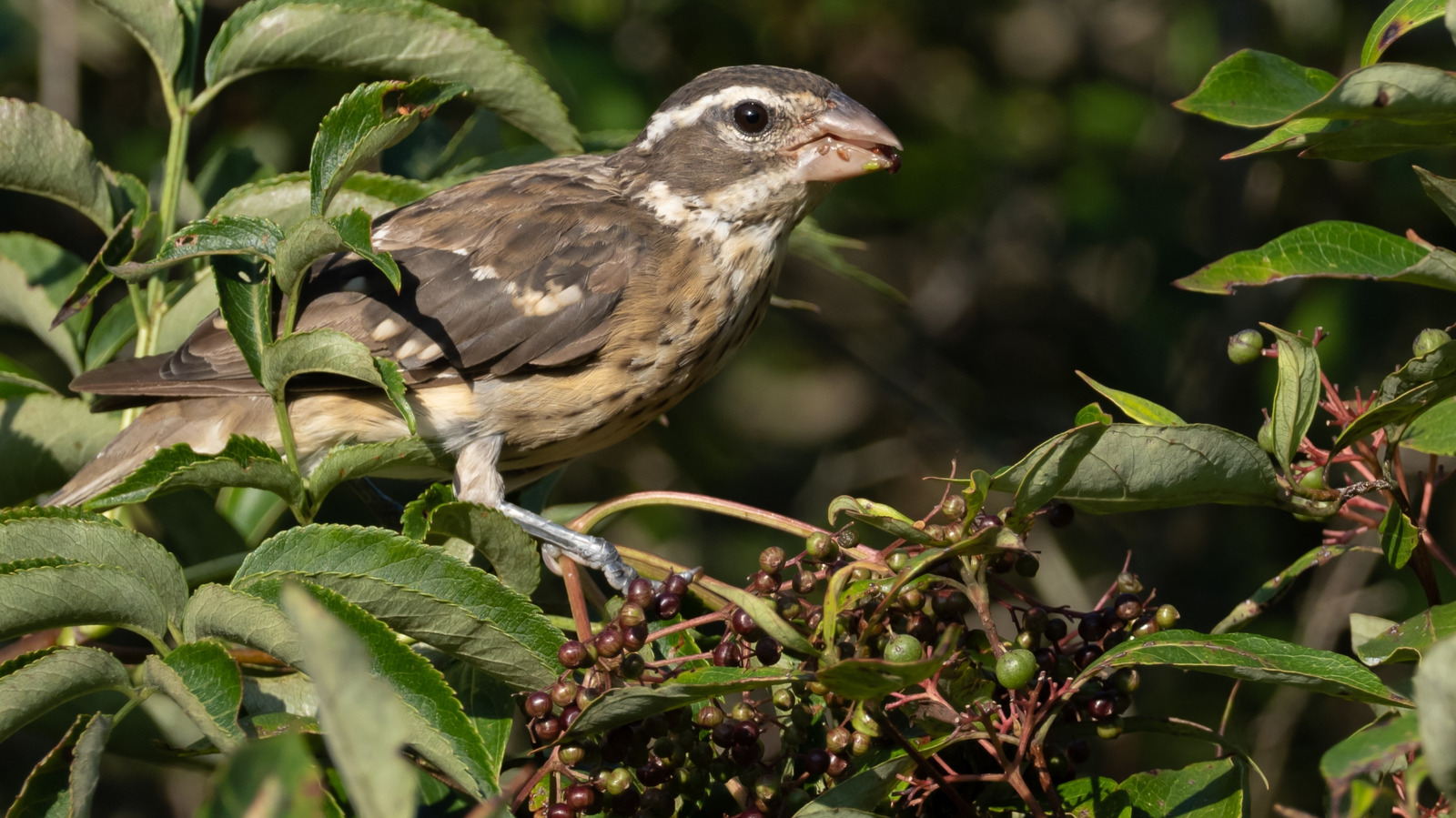
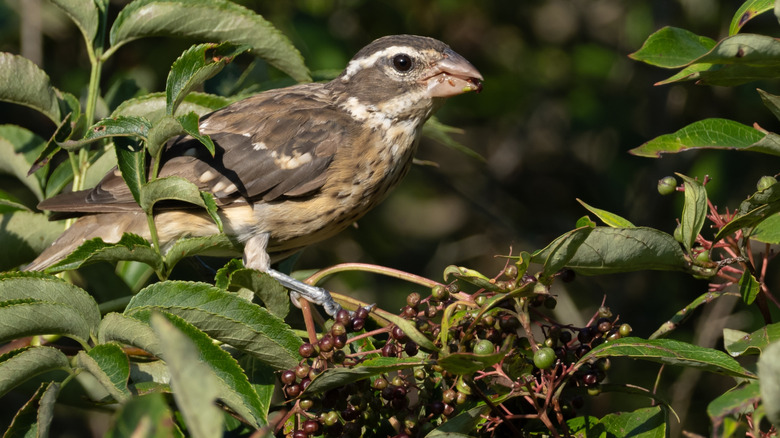
However, the benefits of elderberries extend far beyond human consumption. These small, potent berries are a vital food source for over 120 species of birds. This includes common garden visitors like robins, bluebirds, and orioles, as well as more specialized feeders. During their migratory journeys, species such as the rose-breasted grosbeak rely heavily on elderberries for sustenance, underscoring the plant’s importance in supporting migratory bird flyways. The availability of elderberries can thus be a critical factor in the success and survival rates of these traveling species.
Furthermore, the elderberry plant itself provides essential habitat. Its dense growth, which can reach up to 12 feet in height, offers shelter and nesting sites for smaller birds, contributing to local breeding populations. The plant’s flowers also serve as an important nectar and pollen source for a variety of beneficial insects, including bees, butterflies, and other pollinators. The presence of these pollinators is crucial for the health and productivity of surrounding gardens and agricultural areas, creating a symbiotic relationship that benefits the entire ecosystem. This ecological interconnectedness highlights the often-underappreciated role of elderberry plants in maintaining biodiversity and supporting healthy environments.
Varieties and Planting Considerations for Elderberry Cultivation
For those looking to cultivate elderberries with the specific aim of attracting wildlife and enhancing their garden’s ecological value, several varieties are particularly well-suited. The American elderberry (Sambucus canadensis) is a native North American species that produces abundant clusters of dark purple berries. It is hardy and well-adapted to a wide range of conditions across the continent. The European elderberry (Sambucus nigra), often referred to as black elderberry, is another popular choice. This variety is frequently used in commercial supplements and culinary products due to its larger, juicier berries and is also a favored food source for birds. The Blue elderberry (Sambucus cerulea), native to western North America, offers another attractive option with its distinctive blue-black berries.
Planting elderberry shrubs is best undertaken in the spring, after the threat of the last frost has passed. To ensure adequate space for their growth and shallow root systems, it is recommended to plant shrubs at least 5 feet apart. For young plants, a crucial step in their initial establishment is to remove any flowers that appear during the first year. This practice redirects the plant’s energy towards developing a robust root system and stronger vegetative growth, ultimately leading to more productive fruiting in subsequent years.
A key factor for successful berry production is cross-pollination. Elderberry plants are not typically self-fertile, meaning that growing more than one plant of the same species is essential for fruit development. Planting two or more elderberry shrubs, ideally of compatible varieties, will significantly increase the yield of berries, thus providing a more substantial food source for birds and other wildlife.
Beyond these initial considerations, elderberry plants are remarkably low-maintenance. They thrive in a variety of light conditions, from full sun to partial shade, and are adaptable to a wide range of soil types, preferring medium to wet conditions. They generally do not require fertilization, simplifying their care regimen. Pruning is typically limited to removing damaged or dead stems to maintain plant health and structure. This ease of cultivation makes elderberries an accessible and rewarding choice for gardeners of all experience levels.
Safe Consumption and Culinary Versatility
While elderberries are celebrated for their health benefits and ecological contributions, it is imperative to address their consumption. Raw elderberries, particularly the leaves, stems, and roots, contain compounds that can be toxic if ingested without proper preparation. These include cyanogenic glycosides, which can cause nausea, vomiting, and other gastrointestinal distress. Therefore, for safe consumption, elderberries must be cooked thoroughly.
The culinary applications of cooked elderberries are diverse and delicious. They can be transformed into delectable jams, jellies, preserves, and syrups, offering a unique tart-sweet flavor profile. Elderberry pies, crumbles, and crisps are popular desserts, showcasing the fruit’s rich taste. Beyond traditional baked goods, elderberries can be incorporated into more innovative recipes. For instance, they can be used as a substitute for blueberries in muffins or quick breads, adding a distinctive fruity note. A honey-elderberry syrup can be a soothing and flavorful addition to teas or used as a natural sweetener.
The flowers of the elderberry plant, known as elderflowers, also possess a delicate, fragrant aroma and a subtle sweet flavor. These can be used to create a refreshing elderflower cordial or simple syrup, which can elevate cocktails, mocktails, and sparkling water. This dual-use potential – both fruit and flower – further enhances the value of the elderberry plant in a home garden. By understanding how to prepare them safely, gardeners can enjoy the bounty of their elderberry plants in numerous delightful ways, ensuring that no part of this versatile plant goes to waste. The practice of cooking elderberries not only neutralizes potential toxins but also unlocks their complex flavors, making them a prized ingredient in both health-conscious kitchens and gourmet culinary endeavors.
Broader Implications and Future Outlook
The growing awareness of elderberries’ dual benefits—nutritional and ecological—suggests a potential shift in how gardeners and landscape designers approach plant selection. As environmental consciousness increases, the demand for plants that offer tangible ecological services is likely to rise. Elderberries, with their capacity to support wildlife, enhance biodiversity, and provide nutritious food for both humans and animals, are poised to become increasingly popular choices.
The implications of widespread elderberry cultivation extend beyond individual gardens. In urban and suburban environments, increasing the presence of native and beneficial plants like elderberries can contribute to creating green corridors that support migratory species and local wildlife. This can help mitigate the impact of habitat fragmentation and urbanization. Furthermore, the promotion of elderberry cultivation can foster a greater appreciation for the interconnectedness of natural systems and encourage more sustainable gardening practices.
From a public health perspective, the accessibility of elderberries for home cultivation could encourage healthier dietary habits. While commercial elderberry products are widely available, growing one’s own berries offers a direct connection to food production and can lead to increased consumption of this nutrient-rich fruit. This trend aligns with broader public health goals of promoting whole foods and natural remedies.
The future outlook for elderberries appears bright. As research continues to uncover their full spectrum of health benefits and their critical role in supporting ecosystems, their value is likely to be further recognized. Encouraging their cultivation through educational initiatives and community gardening programs could have significant positive impacts on both environmental health and human well-being. The elderberry stands as a testament to nature’s elegant efficiency, a single plant offering a wealth of benefits that resonate from the smallest garden to the broader ecological landscape. Its journey from a humble shrub to a recognized superfruit and ecological keystone highlights the profound advantages of integrating nature into our daily lives.
