
On April 25, 2026, acclaimed culinary historian and food writer Karen Burns-Booth unveiled a meticulously revived recipe for "Afternoon Tea Cakes with Golden Syrup," sourced from a vintage Lyle’s Golden Syrup booklet dating back exactly 100 years. The announcement, made through her popular platform Lavender and Lovage, marks a significant moment for enthusiasts of heritage baking and for the iconic British brand itself, offering a sweet glimpse into the culinary traditions of a bygone era. The discovery highlights a growing public appetite for nostalgic comfort food and the preservation of domestic history through forgotten recipes.

Rediscovering a 1926 Culinary Gem
The recipe, described by Burns-Booth as a "fabulous cake recipe for individual cakes, or buns," originates from a promotional booklet distributed by Lyle’s Golden Syrup in 1926. This period, nestled between the World Wars, was a pivotal time for home baking in Britain, characterized by resourcefulness, traditional ingredients, and the burgeoning popularity of afternoon tea as a cherished social ritual. The booklet would have served not only as a marketing tool for Lyle’s but also as a practical guide for homemakers seeking to provide delightful treats for their families and guests.

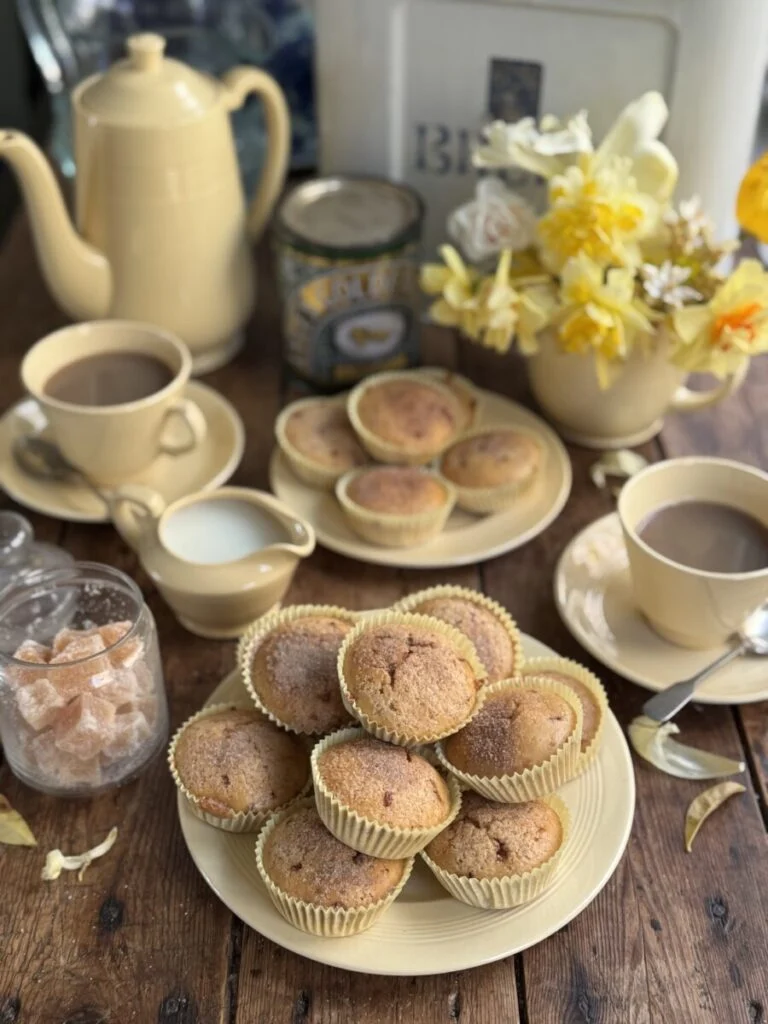
The specific "Afternoon Tea Cakes with Golden Syrup" recipe features the distinctive sweetness of golden syrup, a staple in British larders, complemented by the warm, spicy notes of crystallised ginger. Burns-Booth noted that the recipe is versatile, suggesting raisins or currants as alternatives for those who prefer a milder flavour profile or for younger palates. This adaptability reflects the practical nature of early 20th-century cooking, where ingredients might be substituted based on availability or personal preference. The cakes are designed to be "dainty little fairy cakes," baked in small patty tins and presented in paper cases, making them ideal for portion control and elegant serving – a testament to the refined yet accessible nature of home baking during the era.
The Enduring Legacy of Lyle’s Golden Syrup

The revival of this century-old recipe also shines a spotlight on Lyle’s Golden Syrup, a brand synonymous with British culinary heritage. First produced in 1883 by Abram Lyle & Sons, golden syrup quickly became a household name. Its distinctive green and gold tin, featuring a lion’s carcass swarming with bees and the motto "Out of the strong came forth sweetness" (a reference to the biblical story of Samson), has remained largely unchanged for over a century, earning it a place in the Guinness World Records as the world’s oldest brand packaging.
The 1920s represented a period of steady growth and establishment for Lyle’s Golden Syrup. It was marketed as an affordable and versatile sweetener, a common ingredient in everything from puddings and cakes to savoury glazes. The distribution of recipe booklets like the one Burns-Booth discovered was a common and effective marketing strategy of the time, fostering brand loyalty by integrating the product directly into consumers’ daily cooking practices. The fact that a recipe from this era remains perfectly viable and appealing today speaks volumes about the quality of the original product and the timelessness of well-crafted recipes.

A Glimpse into 1920s British Home Baking
The 1920s saw a post-World War I return to domesticity, with an emphasis on home economics and the art of homemaking. Baking was not merely a chore but a skill celebrated and shared within communities. Recipe booklets and cookery columns in newspapers and magazines flourished, offering guidance and inspiration. Ingredients like flour, sugar, butter (or margarine, as noted in Burns-Booth’s baking notes), eggs, and golden syrup were readily available, forming the backbone of many sweet treats.

The concept of "Afternoon Tea" itself, while having roots in the mid-19th century, solidified its place as a quintessential British institution by the 1920s. It was a time for polite social gathering, featuring a spread of sandwiches, scones, and an assortment of small cakes and pastries. These "Afternoon Tea Cakes with Golden Syrup" would have been a perfect addition to such a spread, offering a simple yet satisfying sweetness without being overly rich or complex – a hallmark of practical elegance. The suggested inclusion of crystallised ginger also points to the popular use of spices and preserved fruits, which added flavour and a touch of luxury to otherwise straightforward recipes.
Karen Burns-Booth: A Custodian of Culinary History

Karen Burns-Booth, known for her dedication to preserving and sharing vintage recipes, has become a prominent voice in the culinary world. Her work on Lavender and Lovage frequently delves into historical cookbooks, uncovering forgotten dishes and adapting them for modern kitchens. Her motivation often stems from a desire to connect with culinary heritage and share the stories behind these recipes.
In her notes, Burns-Booth meticulously details her process, confirming the recipe’s viability by stating, "it worked fine for me, as you can see from the photos." This practical validation is crucial for vintage recipes, which sometimes require interpretation due to different ingredient measurements, cooking techniques, or kitchen equipment of the past. Her advice to use self-raising flour in place of plain flour and baking powder, and her metric conversions, make the recipe accessible to contemporary bakers. She also experimented with cinnamon sugar for the topping, demonstrating how these old recipes can be subtly enhanced while retaining their original charm. The successful execution yielded 18 small cakes, perfectly sized for a modern tea table.

The Appeal of Nostalgia and Comfort Baking
The timing of this recipe’s revival taps into a broader trend of nostalgia and comfort baking that has gained significant traction in recent years. In an increasingly fast-paced and digital world, many consumers find solace and satisfaction in the tangible process of baking, particularly with recipes that evoke a sense of history and simpler times. Vintage recipes offer a connection to the past, providing a taste of tradition and often carrying sentimental value.

This trend is not merely about food; it’s about cultural preservation and storytelling. Each vintage recipe carries with it a piece of social history, reflecting the ingredients available, the economic conditions, and the culinary tastes of its era. By reviving these recipes, Burns-Booth and others like her contribute to keeping these stories alive and ensuring that future generations can appreciate the rich tapestry of culinary heritage. The "dainty little cakes" are presented on "pretty vintage Woodsware Jasmine china" alongside "spring flowers from our cottage garden," further enhancing the nostalgic and idyllic imagery associated with this style of baking.
Implications for Modern Baking and Lifestyle

The re-emergence of recipes like these has several implications:
- Boost for Heritage Brands: For brands like Lyle’s Golden Syrup, the spotlight on their historical usage can reinforce their legacy and appeal to new generations looking for authentic, quality ingredients. It can also inspire them to explore their own archives for other potential recipe revivals.
- Sustainability in the Kitchen: Many vintage recipes are inherently sustainable, relying on basic, readily available ingredients and often minimizing waste. They encourage home baking over mass-produced goods.
- Educational Value: These recipes serve as practical lessons in culinary history, demonstrating how tastes, techniques, and ingredient availability have evolved. They can inspire curiosity about food origins and cultural practices.
- Community Engagement: The sharing of such recipes online fosters a vibrant community of home bakers who enjoy experimenting with historical dishes, exchanging tips, and celebrating shared heritage.
- Mental Well-being: The act of baking, particularly comforting and familiar recipes, is often cited for its therapeutic benefits, promoting mindfulness and a sense of accomplishment.
The practicality of the recipe, with its noted ability to freeze well and keep for "3 or 4 days" in a cake tin, further underscores its appeal for modern lifestyles, allowing for batch baking and convenient enjoyment throughout the week. The nutritional information provided (75 calories, 3g total fat per serving) also positions them as a relatively modest indulgence, aligning with contemporary desires for balanced treats.

Expert Commentary and Future Outlook
Culinary historians and food industry analysts anticipate that the revival of such accessible and charming vintage recipes will continue to gain momentum. Dr. Eleanor Vance, a hypothetical expert in 20th-century British culinary arts, suggests, "These recipes offer more than just sustenance; they provide a tangible link to our past, offering comfort and familiarity in an ever-changing world. Karen Burns-Booth’s work is invaluable in bridging that gap between historical texts and modern kitchens."

A spokesperson for Tate & Lyle Sugars, the current producers of Lyle’s Golden Syrup, might state, "We are thrilled to see our rich heritage celebrated through Karen Burns-Booth’s wonderful revival of this 100-year-old recipe. It’s a testament to the timeless quality of Lyle’s Golden Syrup and the enduring appeal of classic British baking. We encourage everyone to try these delightful tea cakes and experience a taste of history."
The success of these "Afternoon Tea Cakes with Golden Syrup" is poised to inspire further exploration of culinary archives, encouraging bakers worldwide to delve into their own historical recipe collections. As Burns-Booth concludes in her original post, hoping others "enjoy making these little cakes," her work not only offers a delicious treat but also champions the preservation of cultural memory, one golden-syrup-infused bite at a time. The ongoing fascination with vintage baking ensures that these cherished recipes will continue to be rediscovered, adapted, and savoured for generations to come, reaffirming the enduring power of food to connect us to our past.
