
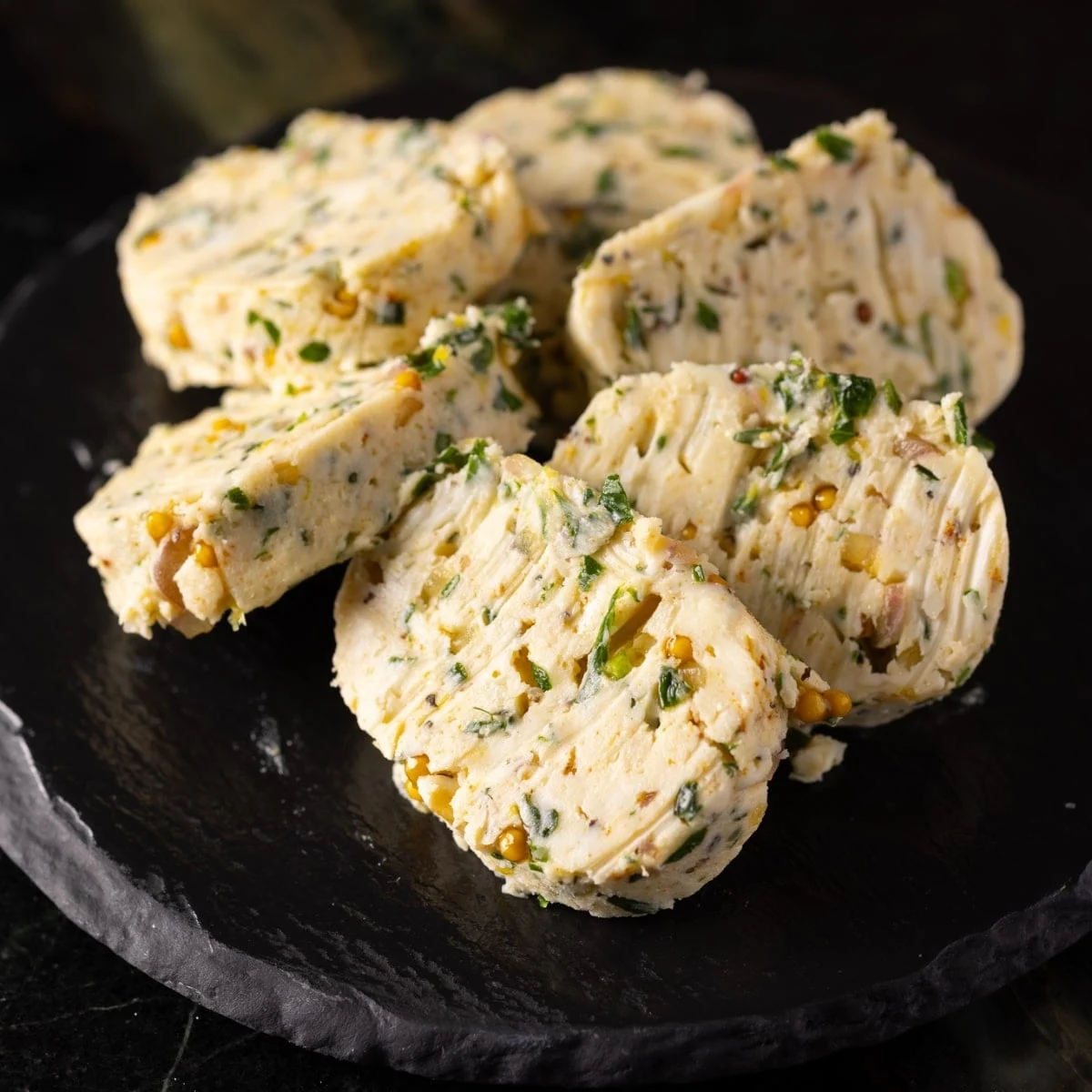
The culinary landscape of outdoor cooking has seen a significant shift toward artisanal, homemade flavor enhancers, a trend punctuated by the recent release of a comprehensive guide for "Cowboy Butter" by the prominent grilling platform Hey Grill Hey. This compound butter, characterized by its inclusion of fresh shallots, chives, parsley, thyme, and citrus elements, represents a broader movement within the barbecue community to elevate traditional grilled meats through complex, fat-based condiments. As home cooks increasingly move away from processed, store-bought sauces, the demand for versatile, high-fat flavor profiles has surged, placing Cowboy Butter at the forefront of modern grilling essentials.
The Composition and Culinary Utility of Cowboy Butter
Cowboy Butter is a specific iteration of what professional chefs refer to as a compound butter, or beurre composé. At its core, the recipe utilizes high-quality butter as a delivery vehicle for aromatic herbs and acidic brighteners. According to the specifications provided by Susie Bulloch, the founder of Hey Grill Hey and a recognized authority in the barbecue industry, the preparation involves a strategic blend of fresh shallots, chives, parsley, and thyme, balanced by the zest and juice of fresh lemons.
The utility of this condiment extends beyond the traditional steakhouse application. While it is frequently utilized as a finishing touch for ribeye or New York strip steaks—where the melting "pats" of butter create a self-basting sauce—it is also recommended for grilled vegetables such as asparagus, seafood dishes like grilled shrimp, and even breakfast applications such as scrambled eggs. The versatility of the product is one of its primary selling points, offering a "one-size-fits-all" solution for flavor enhancement across various proteins and sides.

The preparation process is notably efficient, requiring approximately ten minutes of active labor. Unlike many barbecue components that require hours of smoking or slow cooking, Cowboy Butter is assembled at room temperature using basic kitchen tools like a bowl and spatula. This ease of entry allows amateur cooks to achieve professional-grade flavor profiles without the need for specialized equipment or extensive culinary training.
Historical Context and the Evolution of Compound Butters
The concept of infusing butter with herbs and spices finds its origins in classical French cuisine. The most famous predecessor is Beurre Maître d’Hôtel, a simple mixture of butter, parsley, lemon juice, salt, and pepper. However, the "Cowboy" variant is a distinctly American evolution, often incorporating more robust flavors such as garlic, red pepper flakes, or mustard to stand up to the intense char and smoke of open-fire cooking.
The name "Cowboy Butter" evokes the heritage of the American West and the chuckwagon tradition, where cooks had to rely on portable, shelf-stable fats and whatever dried or wild herbs were available to flavor tough cuts of meat. In the modern context, this name serves as a branding tool that signals a rustic, bold, and savory experience, contrasting with the more delicate herbal butters found in fine dining.
Technical Analysis of Ingredients
Each component of the Cowboy Butter recipe serves a specific chemical and sensory purpose:

- The Fat Base: Butter acts as a carrier for fat-soluble flavor compounds found in herbs. When applied to hot meat, the butter melts, distributing these flavors evenly across the palate and providing a rich mouthfeel that counteracts the dryness of lean proteins.
- Aromatics (Shallots and Garlic): These provide a foundational pungency. Shallots, in particular, offer a more nuanced, sweeter profile than standard onions, which complements the richness of the butter.
- Fresh Herbs (Parsley, Chives, Thyme): These contribute "green" notes and volatile oils. Parsley acts as a palate cleanser, while thyme provides an earthy, woodsy backbone that pairs naturally with grilled beef.
- Acidity (Lemon): The inclusion of lemon juice and zest is critical for balance. The citric acid cuts through the heavy lipids of the butter and the protein, brightening the overall flavor profile and preventing the dish from feeling overly "heavy."
Nutritional Data and Consumer Considerations
From a nutritional standpoint, Cowboy Butter is a calorie-dense condiment, reflecting its status as a luxury flavor enhancer. According to data provided by the Hey Grill Hey platform, a standard serving (calculated at one-eighth of the recipe) contains approximately 207 calories.
The detailed nutritional breakdown is as follows:
- Total Fat: 23g (with 15g of Saturated Fat)
- Cholesterol: 61mg
- Sodium: 311mg
- Carbohydrates: 1g
- Protein: 0.4g
While the high saturated fat content may be a consideration for health-conscious consumers, the rise of low-carbohydrate and ketogenic diets has led to a renewed acceptance of butter-based fats in the culinary mainstream. The recipe’s low sugar content (0.3g) and minimal carbohydrate count make it a staple for those adhering to carnivore or keto-based lifestyles.
The Influence of Digital Food Media and the "Hey Grill Hey" Brand
The release of this recipe is part of a larger strategy by Susie Bulloch and the Hey Grill Hey brand to dominate the digital barbecue space. Bulloch, who has appeared on the Food Network and holds multiple Guinness World Records related to grilling, has built an ecosystem that includes a website, a dedicated mobile application, and a significant social media presence.

The "Hey Grill Hey" model relies on providing high-utility, "low-barrier-to-entry" recipes that encourage consumers to engage with the brand’s proprietary products, such as rubs and sauces. By offering the Cowboy Butter recipe for free, the platform drives traffic to its app and social media channels, fostering a community of "backyard BBQ" enthusiasts.
Industry analysts note that the home grilling sector has experienced sustained growth following the 2020 pandemic. Data from the Hearth, Patio & Barbecue Association (HPBA) suggests that a record number of consumers are investing in high-end grilling equipment, which in turn drives demand for "gourmet" condiment recipes like Cowboy Butter. Consumers who invest in expensive smokers or grills are more likely to seek out artisanal ingredients to justify their equipment expenditure.
Chronology of Preparation and Storage
To achieve the optimal consistency and flavor integration, the preparation of Cowboy Butter follows a specific timeline:
- Softening Phase: The butter must be brought to true room temperature. Attempting to mix cold butter results in an uneven distribution of herbs, while microwaved butter can "break" or separate, ruining the emulsion.
- Integration Phase: The herbs and aromatics are folded in manually. This ensures that the delicate cell structures of the fresh herbs are not pulverized, which can happen in a high-speed food processor, leading to a bitter or "muddy" taste.
- Setting Phase: Once mixed, the butter is typically rolled into a log using parchment paper or plastic wrap and chilled. This allows the flavors to "marry" or infuse into the fat.
- Service Phase: The butter is sliced into rounds (pats) and placed on hot food immediately before serving, allowing it to melt naturally.
For long-term utility, the compound butter can be stored in the refrigerator for up to two weeks or frozen for several months, making it a "make-ahead" solution for large-scale social gatherings or holiday meals.

Broader Impact on the Barbecue Industry
The popularization of recipes like Cowboy Butter signifies a move toward "clean label" cooking in the barbecue world. Unlike many commercial barbecue sauces that are high in high-fructose corn syrup and artificial preservatives, compound butters allow the cook to control every ingredient. This shift reflects a broader consumer preference for transparency and fresh ingredients.
Furthermore, the introduction of such recipes helps bridge the gap between traditional "low and slow" barbecue and high-end steakhouse culture. It empowers the home cook to replicate the "finishing" techniques used by professional chefs in elite establishments, democratizing high-end culinary experiences.
As the grilling season continues to expand into a year-round activity for many enthusiasts, the reliance on versatile, easy-to-make condiments is expected to grow. Cowboy Butter, with its balance of traditional fat and fresh aromatics, stands as a testament to the evolving sophistication of the modern backyard griller. Through the efforts of influencers like Susie Bulloch, the intersection of professional technique and home-cooked simplicity continues to redefine American outdoor cooking.
