

The Intersection of Tradition and Technology
The origins of the Amish 6-Ingredient Hamburger Casserole are rooted in the agricultural communities of the Pennsylvania Dutch and similar "Plain" settlements across the American Midwest. Historically, Amish cuisine is characterized by its reliance on farm-fresh ingredients, caloric density to support manual labor, and a notable absence of complex spices. The traditional version of this casserole typically relies on the foundational flavors of beef, starch, and dairy.
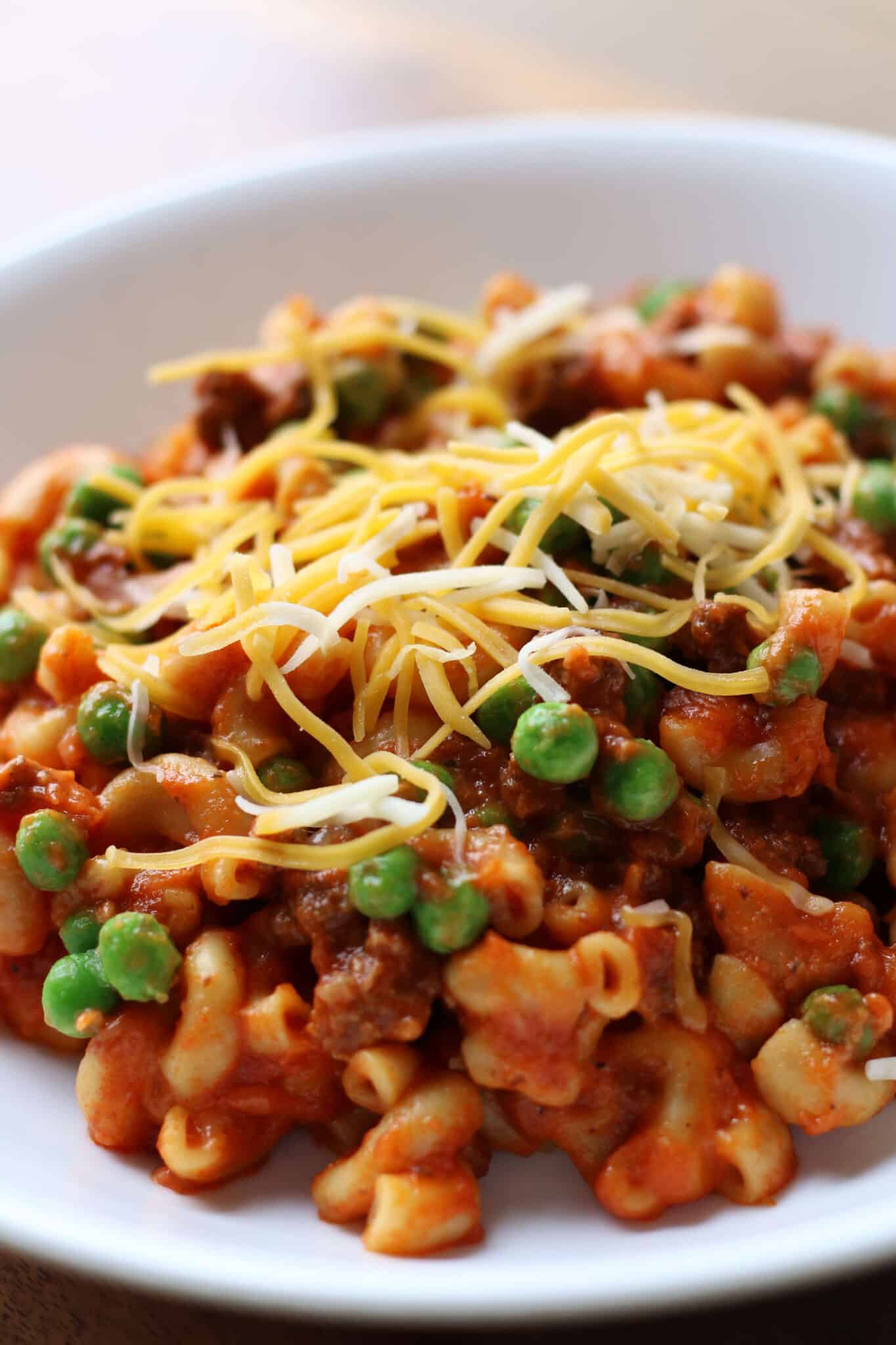
However, as these recipes move from rural farmhouses to suburban kitchens, they undergo a technical transformation. The integration of the Instant Pot—an electric multicooker that has seen a compound annual growth rate (CAGR) of over 15% in the kitchen appliance sector over the last decade—allows for the "braising" effect of a slow-cooked casserole to be achieved in under thirty minutes. This technological leap has preserved the "casserole culture" of the United States, which might otherwise have declined due to the lengthy oven times required by traditional stoneware methods.
Comprehensive Ingredient Profile and Nutritional Analysis
The modern iteration of this dish often expands upon its "6-ingredient" namesake to meet contemporary palates. The core components remain consistent: ground beef, pasta, tomato puree, broth, cheese, and a vegetable component, usually peas.

The Protein Base
Ground beef serves as the primary protein. In the context of current economic data, ground beef remains one of the most accessible protein sources for American families, despite fluctuating market prices. From a nutritional standpoint, the use of lean ground beef (90/10 or 93/7) provides essential heme iron, zinc, and B vitamins. The browning process, or Maillard reaction, performed during the "Saute" phase of the Instant Pot, is critical for developing the savory depth that defines the dish.
The Starch Component
Elbow macaroni or similar short-cut pasta provides the carbohydrate foundation. In pressure cooking, the ratio of liquid to pasta is a matter of precision. Unlike stovetop boiling, where excess water is drained, the Instant Pot method requires the pasta to absorb the exact amount of beef broth and tomato puree provided, resulting in a more flavorful, starch-infused sauce that clings to the noodles.
The Seasoning Evolution
The adaptation of the original Amish recipe includes a significant increase in aromatic seasonings. The inclusion of garlic powder, onion powder, salt, and black pepper addresses the common critique that traditional heritage recipes can be under-seasoned for the modern palate. Furthermore, the addition of Worcestershire sauce introduces an element of umami that complements the acidity of the tomato puree.
Chronological Preparation and Technical Execution
The success of the Amish 6-Ingredient Hamburger Casserole depends on a specific sequence of operations designed to prevent the "burn" notice common in high-starch pressure cooker recipes.
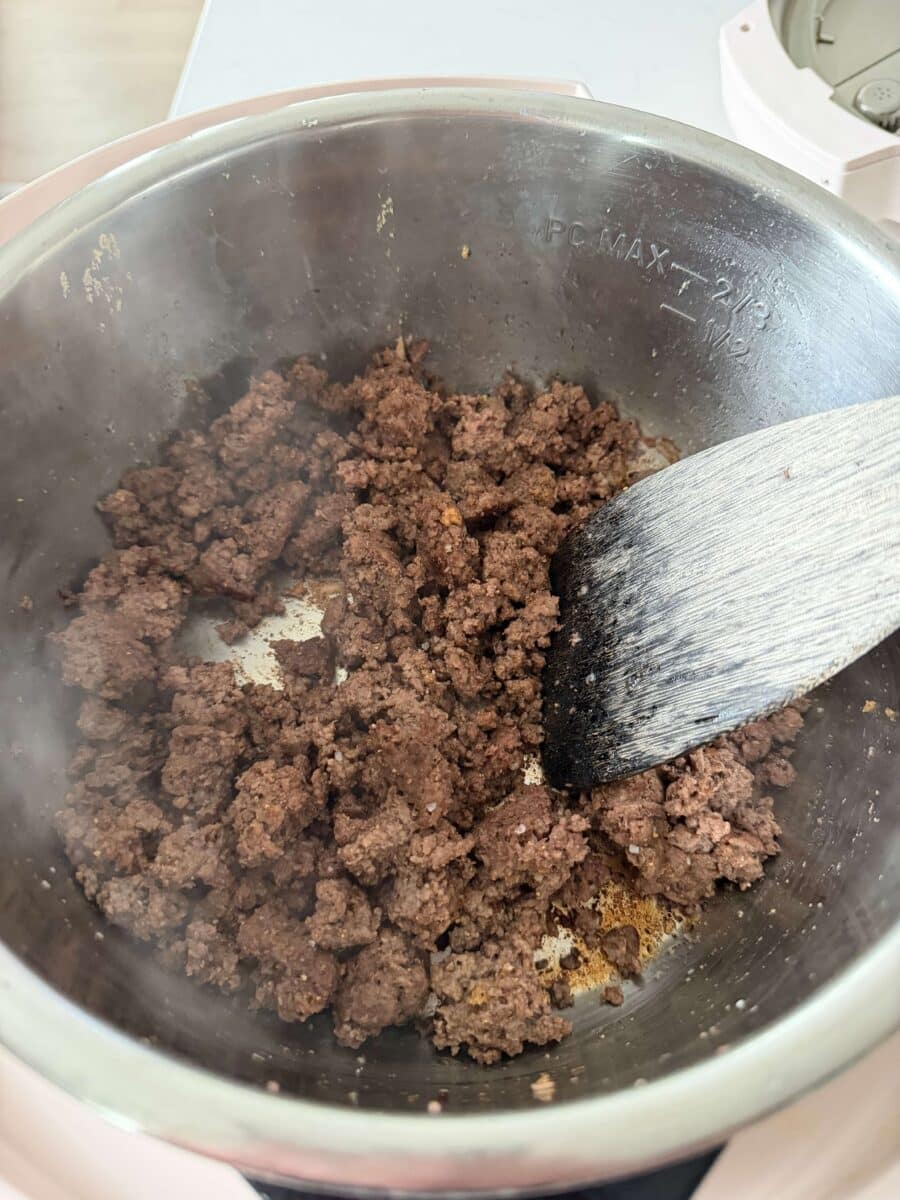
- The Sauté Phase (0–8 Minutes): The process begins with the browning of the ground beef. This stage is not merely for cooking the meat but for rendering fat and creating flavorful browned bits (fond) on the bottom of the stainless steel inner pot.
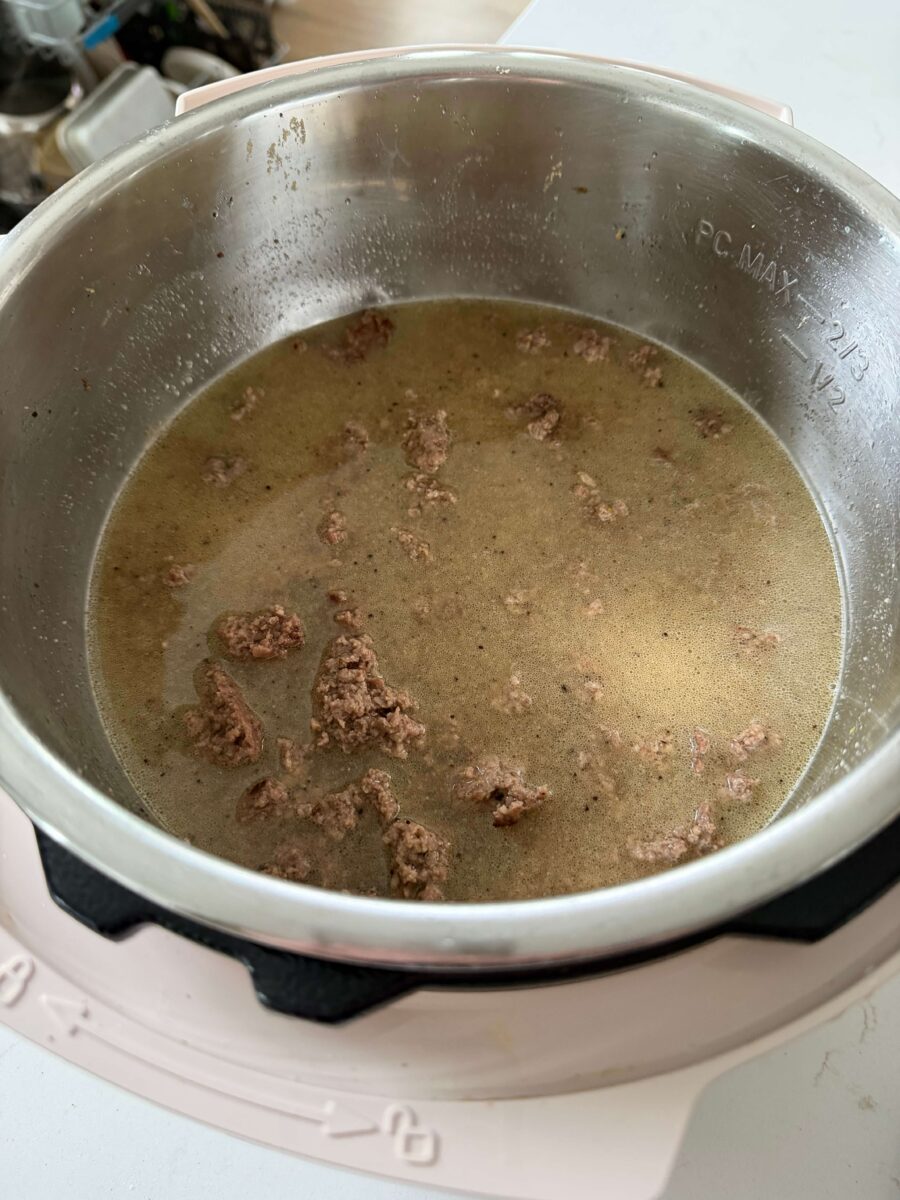
- Deglazing and Temperature Control (8–10 Minutes): After draining excess grease, the introduction of beef broth is used to "deglaze" the pot. This is a critical technical step; scraping the bottom of the pot ensures that no meat particles remain stuck, which would otherwise trigger the appliance’s overheat sensors during the high-pressure cycle.
- Layering and Pressurization (10–12 Minutes): The pasta is added, followed by the tomato puree. Crucially, the puree is not stirred into the liquid but allowed to sit on top. This layering technique prevents the thick tomato sugars from sinking to the bottom and burning.
- The Pressure Cycle (12–16 Minutes): The unit is sealed and set to high pressure for four minutes. While this seems brief, the time taken for the pot to reach pressure (approximately 8–10 minutes) contributes to the overall cooking time.
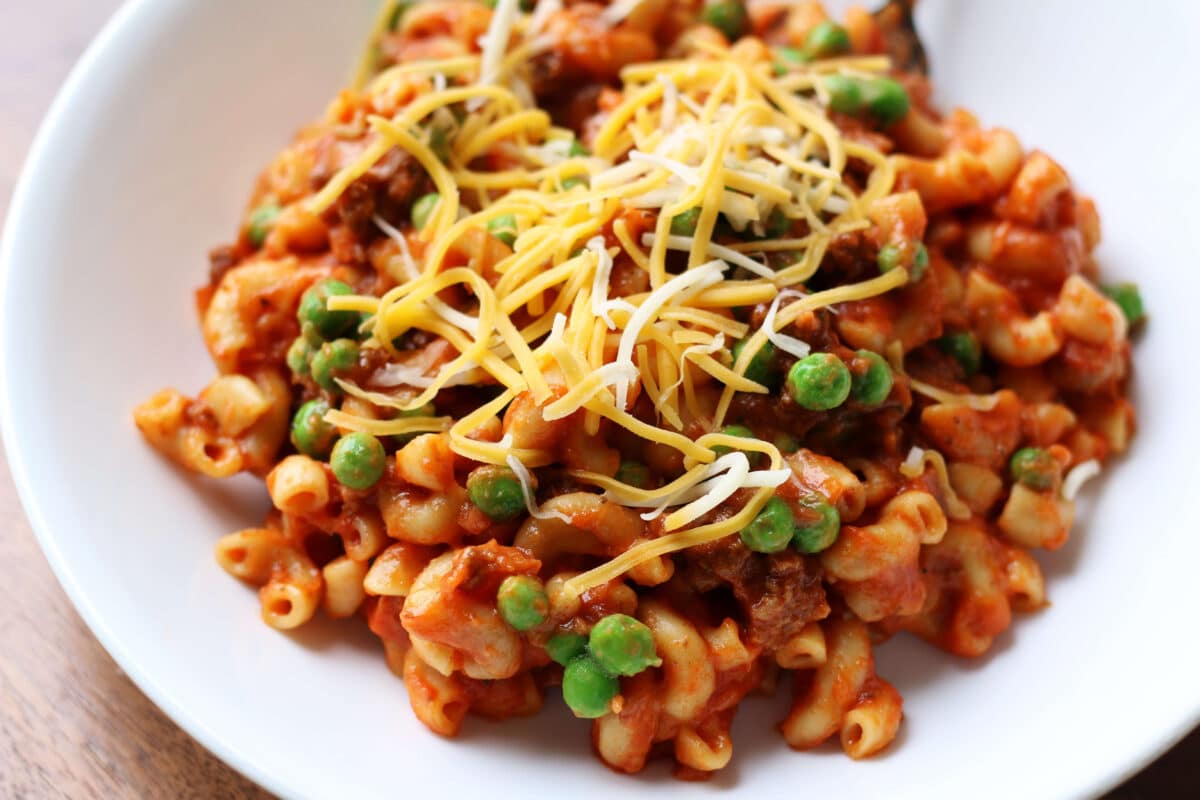
- The Release and Finishing Phase (16–25 Minutes): A five-minute natural pressure release (NPR) allows the pasta to finish softening without becoming mushy. Upon opening, the addition of frozen peas and shredded cheddar cheese utilizes residual heat to cook the vegetables and create a cohesive, creamy texture.
Economic Impact and Consumer Trends
The popularity of dishes like the Amish Hamburger Casserole is reflective of broader socio-economic trends. As of 2024, the "cost per serving" for a home-cooked meal of this nature is estimated to be significantly lower than fast-casual dining options. For a family of four, the total cost of ingredients—beef, pasta, canned tomato, and cheese—typically falls under the $15.00 threshold, making it a vital resource for middle-to-low-income households facing inflationary pressures in the grocery aisle.
Furthermore, the "one-pot" nature of the recipe reduces utility costs and water usage associated with cleaning multiple pans. Industry analysts from the home-and-garden sector note that "efficiency cooking" is no longer a niche interest but a dominant market force, driving the sales of multicookers and pre-portioned pantry staples.

Comparative Analysis of Regional Variations
The Amish 6-Ingredient Hamburger Casserole exists within a family of similar North American dishes. Its structure is closely related to "American Goulash" (often found in the Northeast and Midwest) and "Johnny Marzetti" (a famous Ohio-based casserole).
- Indiana Chowder Casserole: A variation that incorporates mushrooms and egg noodles, reflecting the agricultural produce of the Hoosier state.
- Golden Corn Ranch Beef Casserole: A modern fusion that replaces the tomato base with ranch dressing mix and corn, highlighting the influence of "pantry-raid" cooking styles prevalent in the Southern United States.
- Creamy Ground Beef Tomato Soup: A high-moisture variation that serves as a bridge between a traditional stew and a pasta bake.
The Amish version distinguishes itself through its relative simplicity and the specific use of tomato puree rather than diced tomatoes or tomato sauce, resulting in a smoother, more uniform consistency that appeals particularly to children and picky eaters.

Sociological Implications: The Return to the Family Table
Beyond the technical and economic aspects, the resurgence of heritage-style casseroles points to a sociological desire for communal dining. Domestic researchers suggest that the "set it and forget it" nature of the Instant Pot allows parents to reclaim the time usually spent standing over a stove. This "reclaimed time" is often reinvested into family interaction, potentially mitigating the stresses of the modern "time-famine" experienced by working professionals.
The adaptation of Amish recipes also represents a form of "culinary nostalgia." Even for consumers with no direct link to Amish culture, the dish evokes a sense of wholesomeness and stability. By rebranding these recipes for the Instant Pot, digital creators have ensured that traditional foodways remain relevant to a generation that values both heritage and high-speed execution.
Conclusion and Future Outlook
The Amish 6-Ingredient Hamburger Casserole is more than a simple recipe; it is a data point in the ongoing evolution of the American diet. It demonstrates the resilience of comfort food and the ability of home cooks to integrate technological advancements without sacrificing the emotional core of a warm, home-cooked meal.
As food technology continues to advance—with the rise of AI-integrated appliances and smart kitchens—it is likely that these "heritage" dishes will continue to be updated. However, the fundamental appeal of the hamburger casserole—its balance of protein, starch, and savory sauce—is expected to remain a constant in the American culinary landscape. For the foreseeable future, the "one-pot" method will continue to be the gold standard for balancing the logistical constraints of modern life with the timeless necessity of family nutrition.
