
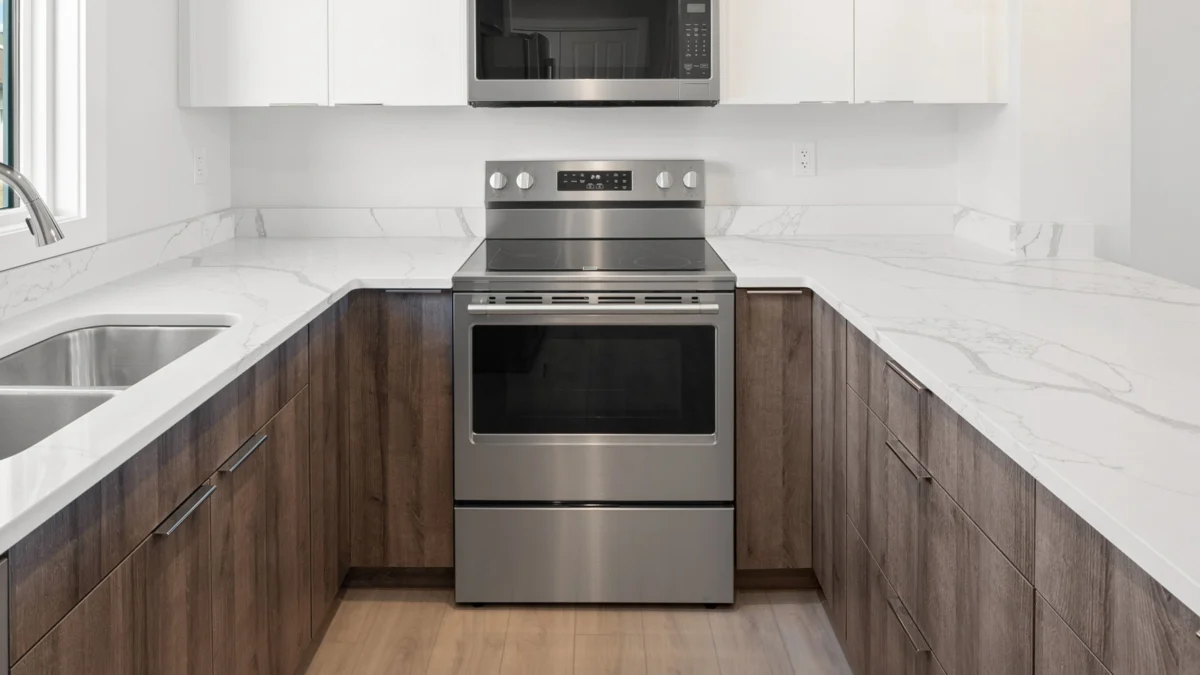
Many modern kitchens, particularly those designed with space efficiency in mind, feature an often-overlooked asset: the storage drawer located directly beneath the oven. This seemingly simple compartment offers a valuable opportunity to declutter countertops and cabinets, but its utility is not without its caveats. Understanding what can and cannot be safely stored in this area is crucial to maximizing its potential and preventing potential hazards. This article delves into the optimal uses for your oven’s storage drawer, focusing on items that are not only practical but also safe to house in a space that can experience elevated temperatures.
The primary consideration when utilizing the oven’s bottom drawer is to definitively distinguish it from a warming drawer or a broiler compartment. While visually similar, these components serve distinct functions. A warming drawer is specifically designed to maintain the temperature of cooked food, operating at lower, consistent heat levels. A broiler, conversely, is an intense heating element used for searing and browning, generating significant heat. Misidentifying the drawer’s purpose can lead to storing inappropriate items, risking damage or fire.
Identifying Your Oven’s Storage Drawer
The most reliable method for confirming the function of your oven’s bottom drawer is to consult the appliance’s user manual. This document provides manufacturer-specific details regarding all components and their intended uses. In instances where the manual is misplaced or unavailable, a visual inspection of the oven itself can offer clues. Look for the presence of dedicated temperature controls or visible heating elements positioned directly above the drawer. If such features are absent, it strongly suggests the drawer is intended for storage. For added certainty, a quick search online for your specific oven model’s manual is often fruitful.
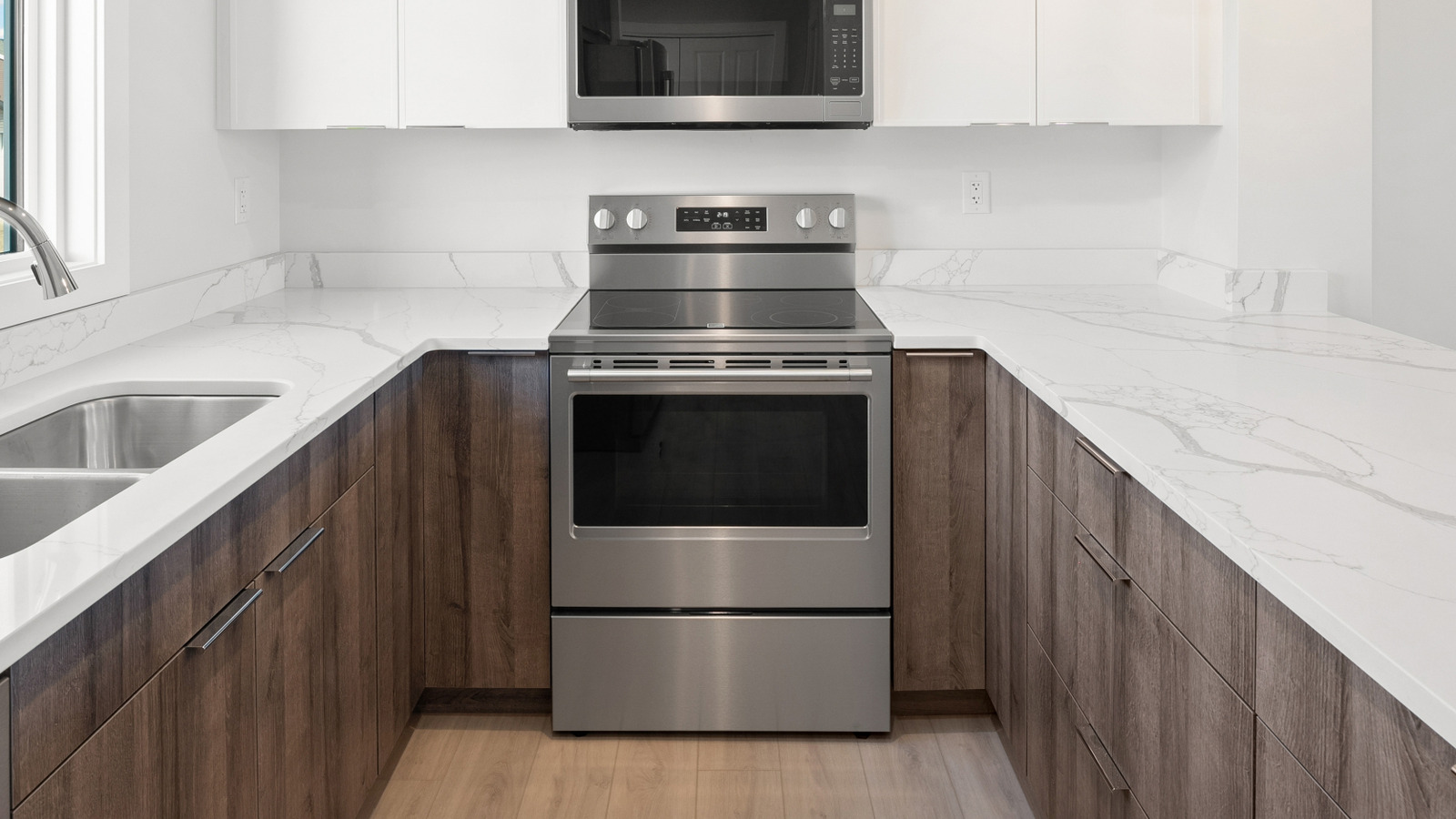
Once confirmed as a storage drawer, it’s imperative to adhere to safety guidelines. The proximity to the oven means that the drawer can become warm, even when the oven is not in active use, due to residual heat. Therefore, only items that are non-flammable, oven-safe, and non-perishable should be considered for storage. This excludes materials like kitchen towels, plastic or wooden utensils, and foodstuffs such as flour or spices, which can degrade or pose a fire risk.
Optimizing Storage for Essential Bakeware
Metal Bakeware: The Cornerstone of Oven Drawer Utility
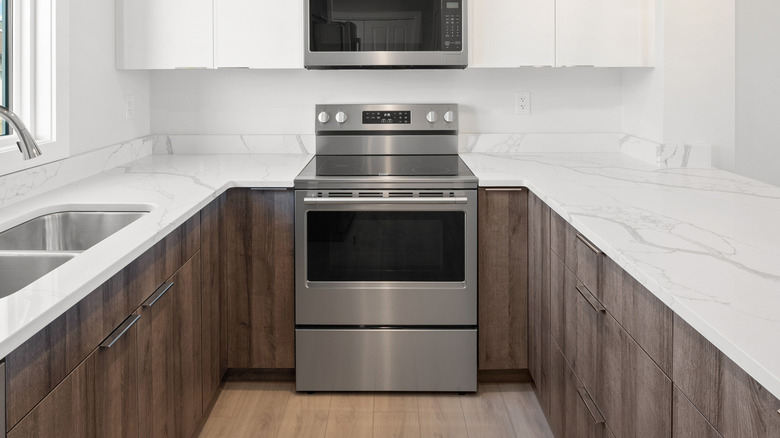
Among the most logical and beneficial items to store in your oven’s bottom drawer are metal bakeware essentials such as baking sheets, muffin tins, roasting pans, and loaf pans. These items are notoriously cumbersome to store efficiently in standard kitchen cabinets. Their large, often flat dimensions make horizontal stacking challenging, and vertical storage can lead to them falling out or becoming difficult to access. The irregular shapes of items like muffin tins and bundt pans further complicate storage solutions.
The oven drawer provides an out-of-the-way location for these bulky items, freeing up valuable cabinet space. Crucially, all these metal bakeware items are inherently oven-safe, aligning perfectly with the drawer’s intended environment. This proximity also streamlines the cooking process. Imagine the convenience of retrieving a baking sheet directly from the oven drawer, preheating the oven, and commencing your baking in one fluid motion. This integration of storage and function promotes a more organized and efficient kitchen workflow. The ability to neatly house these frequently used yet space-consuming items significantly contributes to a decluttered culinary environment.
Silicone Baking Mats: Preserving Form and Function
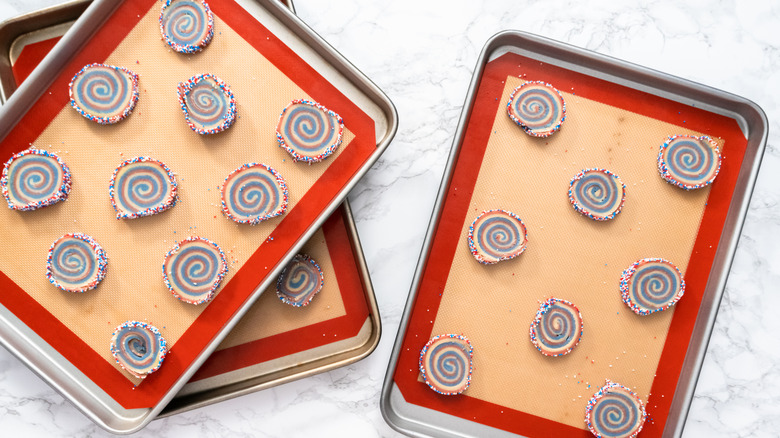
Silicone baking mats, while smaller than metal bakeware, also present storage challenges. Many recommend rolling them up to save space. However, this can lead to the mats retaining a curl, making them difficult to lay flat and use effectively for tasks like shaping cookies or evenly spreading ingredients for roasting. Storing them in the oven drawer, particularly stacked on top of baking sheets, keeps them flat and readily accessible.
Because silicone baking mats are designed for oven use, they are naturally oven-safe, making the storage drawer a secure location. This pairing ensures that the mats are always close to the baking sheets they are intended to protect, creating a cohesive storage unit for baking preparation. While silicone mats are generally durable, improper storage can lead to creasing or damage, impacting their performance. Keeping them flat and protected in the oven drawer mitigates these risks, preserving their integrity and usability.
Pizza Stones: Accommodating the Bulky and Versatile
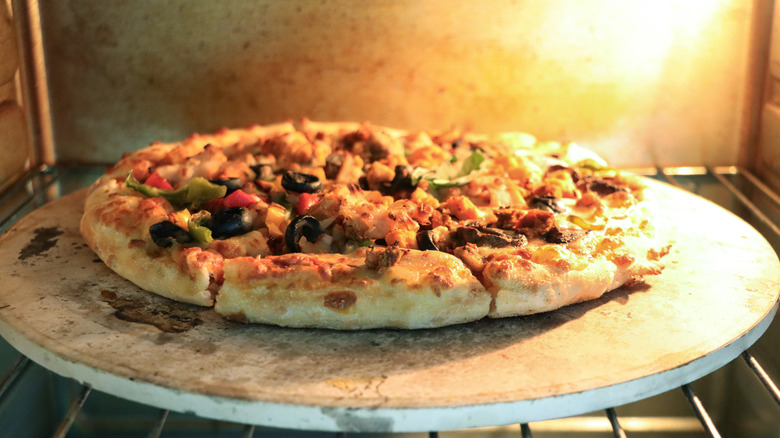
Pizza stones, often large, flat, and heavy, are another prime candidate for oven drawer storage. Their substantial size can make finding a permanent, convenient spot in the kitchen a persistent challenge. The oven drawer offers a practical solution, providing ample space for these specialized cooking surfaces.
Beyond their namesake use for pizza, pizza stones are remarkably versatile and can be used to cook a wide array of foods, enhancing their crispiness and texture. Examples include baking bread, roasting vegetables, and even cooking fish. However, the inconvenience of retrieving and storing a pizza stone can deter some home cooks from utilizing its full potential. By relocating it to the easily accessible oven drawer, it becomes more practical to use for various culinary endeavors, encouraging more frequent and diverse cooking applications. This increased accessibility can transform a seldom-used item into a frequently utilized kitchen tool.
Casserole and Pie Dishes: Securing Seasonal and Specialty Cookware
Ceramic casserole dishes, pie tins, and other heavier, oven-safe cookware, while not used daily by everyone, are essential for specific meals and occasions. These items, particularly those with irregular shapes or significant depth, can also consume considerable cabinet space. The oven drawer can serve as an organized repository for these less frequently used, yet important, cooking vessels.
The benefit of easier access may even encourage more frequent use of casseroles, which are excellent for meal prepping and can form the basis of healthy, protein-rich dinners. However, a critical consideration for casserole and pie dishes is their lids. Many lids are made of materials like plastic or contain plastic components that are not oven-safe. It is imperative to ensure that any lid stored with its dish is heat-resistant before placing it in the oven drawer, as exposure to elevated temperatures could cause melting or other damage.
Cast Iron Pans: Embracing Durability and Convenience
Cast iron pans are renowned for their durability and excellent heat retention. Despite their robust nature, there’s a common misconception that they are fragile and require delicate handling. In reality, with proper care – ensuring they are completely dried after washing and lightly seasoned with oil – cast iron is remarkably resilient.
The significant weight and often substantial size of cast iron pans can make them awkward to store. The oven drawer offers a convenient, accessible location, keeping these workhorse pans within easy reach. This accessibility can combat the inertia that sometimes prevents home cooks from reaching for their cast iron, encouraging more frequent use in everyday cooking. The drawer’s sturdy construction is well-suited to support the considerable weight of cast iron.
Broader Implications for Kitchen Organization
The strategic use of the oven’s storage drawer extends beyond simply finding a place for bakeware. It represents a shift towards a more integrated and functional kitchen design philosophy. By identifying and utilizing every available space effectively, homeowners can achieve a more organized and efficient cooking environment. This not only improves the aesthetics of the kitchen by reducing clutter but also enhances the overall cooking experience by making tools and equipment readily accessible.
The concept of "smart storage" in kitchens is becoming increasingly important as living spaces shrink and the demand for multi-functional appliances grows. The oven drawer, when used appropriately, becomes a prime example of maximizing utility within existing infrastructure. It encourages a re-evaluation of how kitchen items are categorized and stored, prioritizing items that are oven-related and space-consuming for this unique compartment.
Safety Protocols and Future Considerations
It is crucial to reiterate the importance of confirming the drawer’s purpose and understanding its thermal limitations. Regular checks of the drawer’s temperature, especially after prolonged oven use, are advisable. While items like metal bakeware and cast iron are inherently heat-resistant, prolonged exposure to residual heat could potentially affect other materials if not stored correctly.
Future appliance designs may offer more specialized drawer functionalities, such as temperature-controlled storage or modular inserts for specific bakeware. However, for the vast majority of current ovens, the principle remains: identify, declutter, and store smart. By following these guidelines, the oven’s bottom drawer can be transformed from a passive space into an active and valuable component of a well-organized and efficient kitchen. The key lies in informed utilization, ensuring that safety and practicality remain paramount.
